
Film
The Third Memory
- Heist
- Strange
- Slow-burning
Pierre Huyghe's experimental documentary reconstructs the 1972 Brooklyn bank robbery immortalized in *Dog Day Afternoon*, letting the heist's actual architect, John Wojtowicz, revisit and reinterpret his own story nearly three decades later. It's a meditation on memory, cinema, and whose version of reality gets to stick. Hypnotic and strange.
Should you watch it?
Watch it if you are drawn to art that blurs the line between a remembered event and its staging, and you already know the Dog Day Afternoon story and want to hear from the man himself.
Skip it if you want the 1972 heist played out for its drama, since this is one man talking in a rebuilt bank set and it stays in a single register.
What it asks of you: Ten minutes of one man talking in a staged room, so it is slow and close: you listen hard and weigh his account yourself rather than being guided by it.
Not sure? Find tonight's pick in a minute.
If you liked this
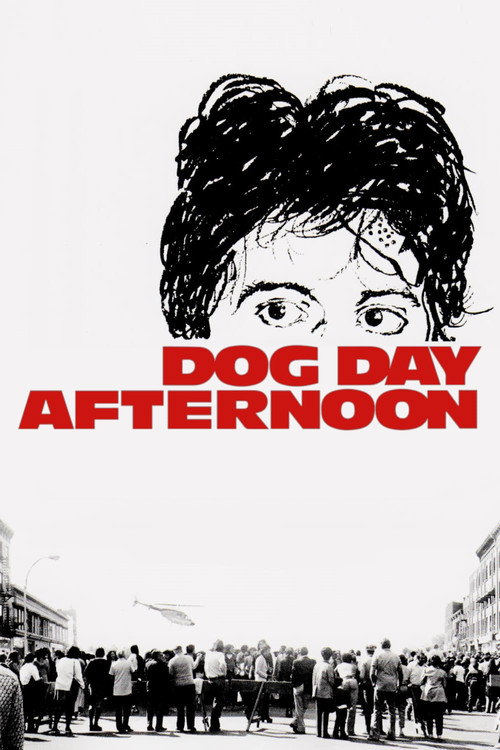
Dog Day Afternoon1975
The film that made Wojtowicz's story legendary—essential viewing to understand what Huyghe is interrogating. A masterpiece of American cinema, tense and humanizing.
But Seventy-five minutes of high-stakes crime drama might feel dated if you're expecting something more formally experimental than this actually is.
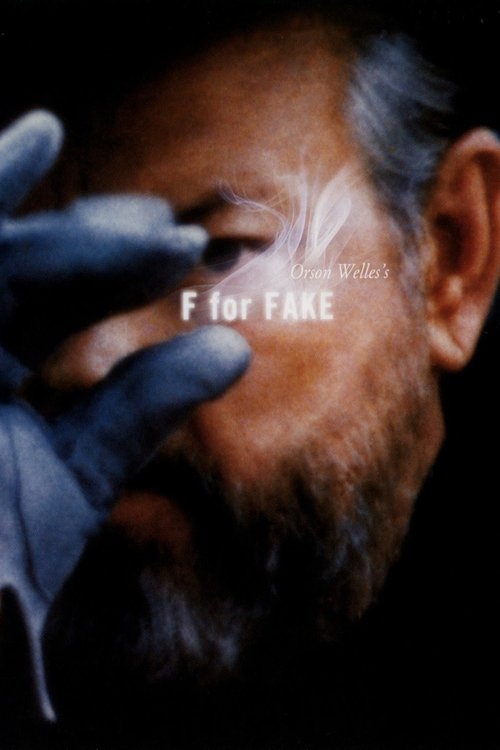
F for Fake1973
Welles playing with the slipperiness of documentary truth, asking what cinema can and cannot reveal. A direct precedent for Huyghe's game of reenactment and re-examination.
But Welles' playfulness might feel too boisterous if you're in the mood for something quieter and more unsettling.
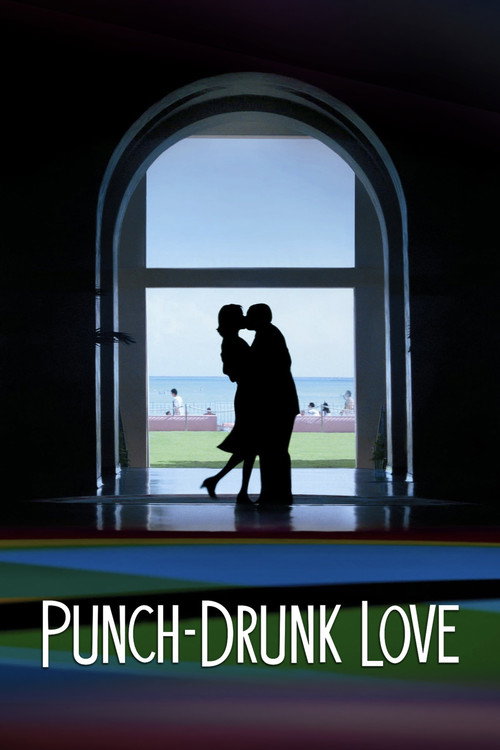
Punch-Drunk Love2002
P.T. Anderson's film about a man undone by his own story, shaped by others' versions of him. Similar interest in how narratives consume the people at their centre.
But It's dramatically heightened where *The Third Memory* is conceptual; the melodrama might feel like a different register entirely.
Not sure tonight? Get a pick in a minute, starting from The Third Memory
The wildcard
Something you would not have found on your own.
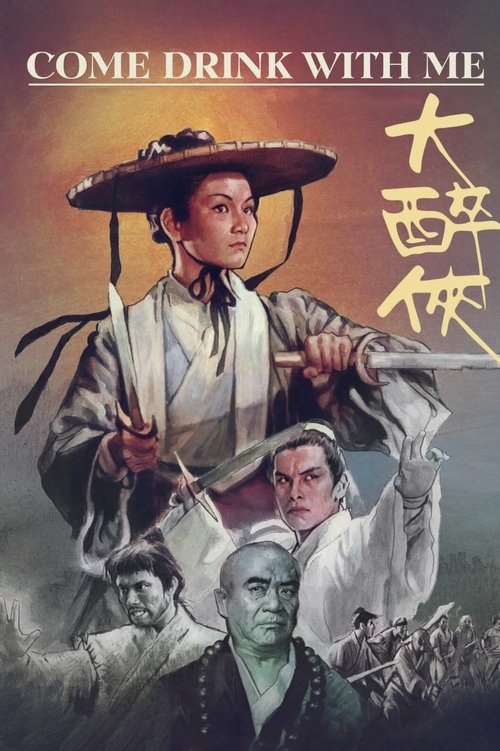
Come Drink with Me1966
Both films are obsessed with how a single act of crime gets transformed into legend, and how cinema itself becomes the instrument of that transformation. Hu's film is about the mythology of the bandit; Huyghe's is about how that mythology eats the person who lived it.
King Hu's martial arts masterpiece—a bandit leader, a beautiful warrior, a robbery at the heart of it. Extraordinary visual storytelling about how stories get told and retold in action.
But A 1966 Chinese wuxia film in black and white; if you're expecting cinema that feels modern, the pacing and aesthetic will test you.
More like this (7)
The Act of Killing2012
Asks perpetrators of atrocity to reenact their own crimes. Same unsettling collision between memory, cinema, and the person living inside a story that won't let them go.
But Profoundly disturbing subject matter; this is heavy viewing in ways *The Third Memory* obliquely touches without naming.

Sans Soleil1983
Marker's essay-film about memory, travel, and cinema as the only way to hold onto anything. Formally restless, philosophically generous, structurally similar in its refusal of conventional narrative.
But Seventy minutes of voiceover and found footage; if you need plot or conventional documentary structure, this will frustrate you.

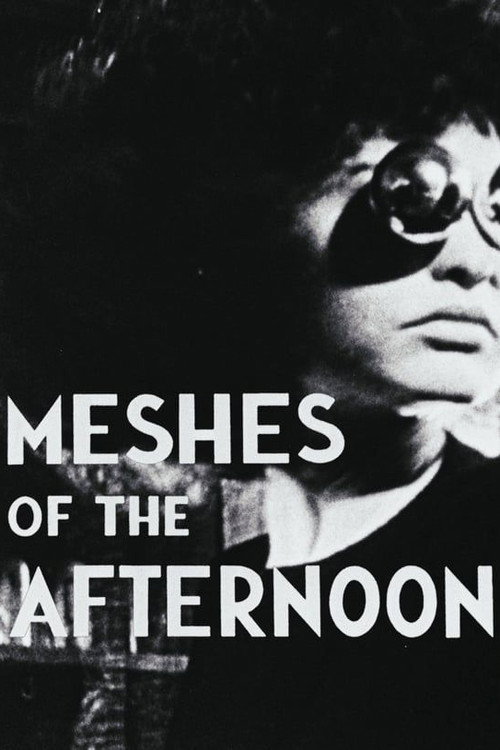
Meshes of the Afternoon1943
Maya Deren's avant-garde short that rewrites the same moment again and again, each version slightly altered. An ancestor to Huyghe's interest in memory as repetition with difference.
But Experimental cinema from 1943; it will feel abstract and hermetic if you're not ready for that particular formal language.
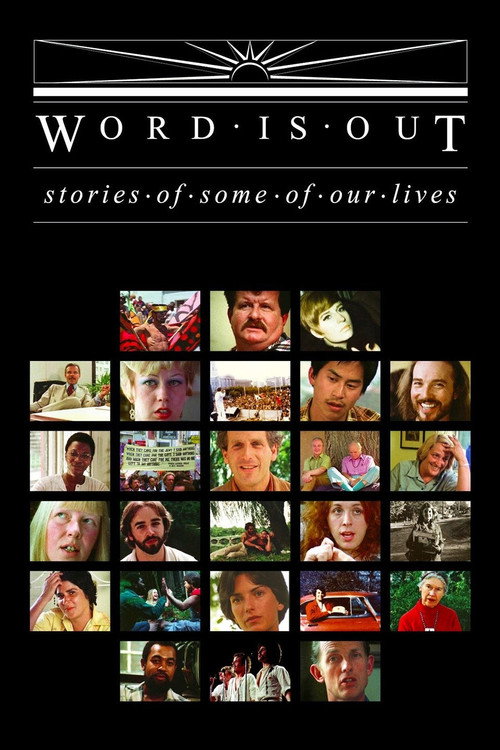
Word Is Out: Stories of Some of Our Lives1977
Documentary that lets people tell their own stories directly to camera, resisting the filmmaker's framing. About self-presentation and whose voice gets heard—themes woven through *The Third Memory*.
But Nearly 80 minutes of talking heads with minimal editing; patience and genuine interest in oral history required.
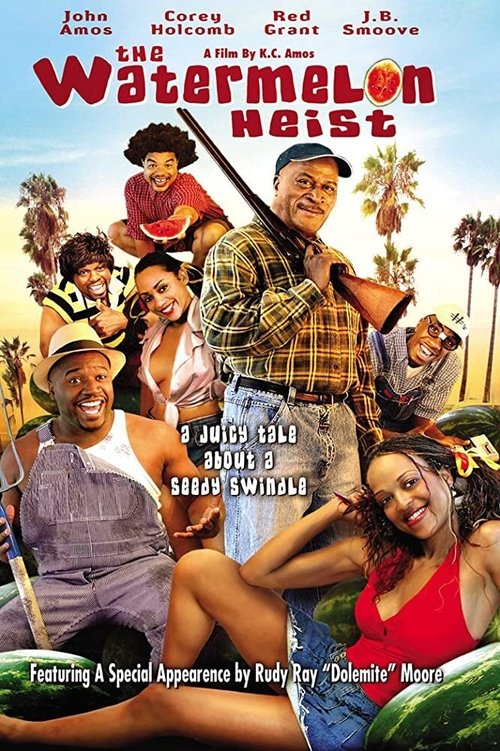
The Watermelon Heist2003
Experimental video essay about crime, cinema, and the stories we tell about ourselves. Similar scale and similar preoccupations with heists as narrative events.
But Obscure and difficult to locate; even if you find it, it's fairly abstract without being quite as visually arresting as other work in this vein.
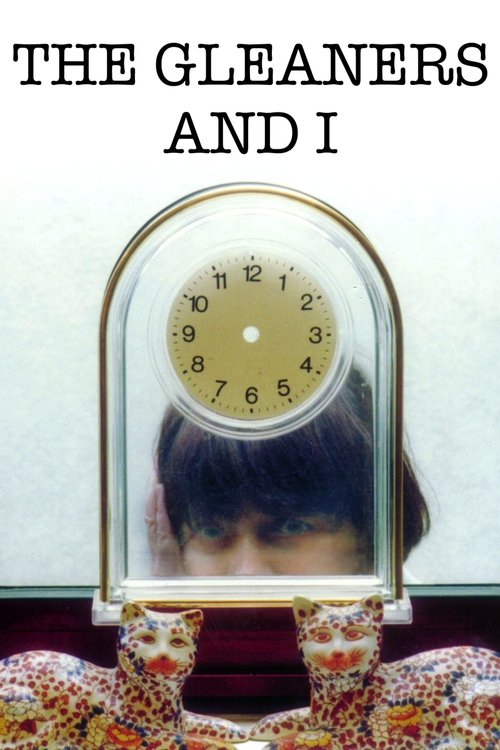
The Gleaners and I2000
Both works use the camera to investigate how people construct identity from the fragments they're left with. Varda's subjects glean food and objects; Wojtowicz gleans a cinematic self from the detritus of his own crime.
Agnès Varda's essay-film about people who survive on what others leave behind, shot on DV with the director herself as a character in the frame. Warm, digressive, formally playful.
But Deliberately meandering and personal; if you need a coherent thesis or conventional structure, it will feel self-indulgent and slight.
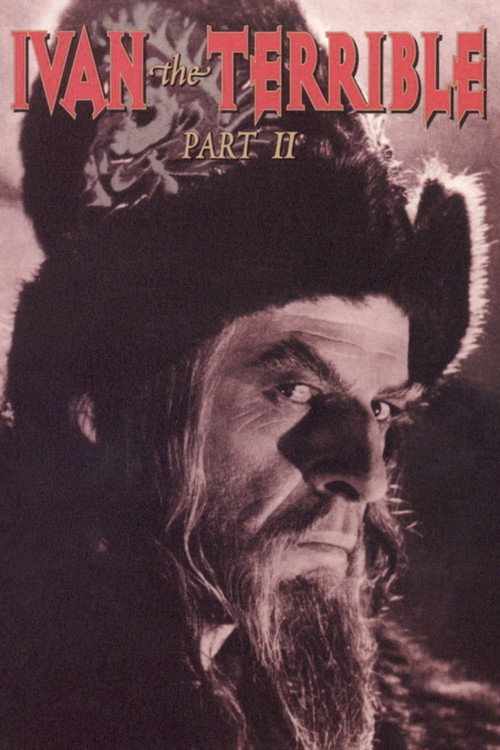
Ivan the Terrible, Part II: The Boyars' Plot1958
Both are obsessed with power, narrative, and the person who becomes inseparable from their own image. Eisenstein's Ivan is consumed by the spectacle of his own rule; Wojtowicz is consumed by the spectacle of his own crime.
Eisenstein's final, unfinished film—gorgeously grotesque, hallucinatory, a film that seems to ask: what happens when you can't stop living inside your own myth? In colour and in black-and-white.
But A fragment of a Soviet historical epic; visually overwhelming and philosophically dense in ways that demand surrender rather than engagement.
People
Cast
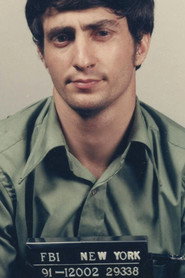 John WojtowiczHimself
Directing
- Pierre HuygheDirector