
Film
Ivan the Terrible, Part II: The Boyars' Plot
- Drama
- Very dark
Eisenstein's audacious final film: Ivan the Terrible consolidating power against plotting boyars, shot in stark black-and-white with theatrical lighting and radical montage. Visually intoxicating but formally demanding—a monument to cinema's possibilities, not comfort viewing. For those who think film can be something other than entertainment.
Should you watch it?
Watch it if you love films where colour, costume and stylised staging carry the meaning as much as the dialogue, and you don't mind a slow, operatic study of power sitting heavily on one man.
Skip it if you want brisk plotting and clear cause and effect; this is intentionally stylised, with long static compositions and theatrical performance that can feel mannered and hard to settle into.
What it asks of you: Roughly eighty minutes of deliberate, ceremonial pacing, with long held frames and little rushing, so you must give it steady patience and close attention to images rather than story beats.
Not sure? Find tonight's pick in a minute.
If you liked this
Battleship Potemkin1925
Eisenstein's revolutionary masterpiece that invented montage cinema. If you're watching Ivan II, see where he learned to make images collide and detonate in the mind.
But It's silent, nearly a century old, and moves at its own unhurried pace. The famous Odessa Steps sequence can feel like homework.

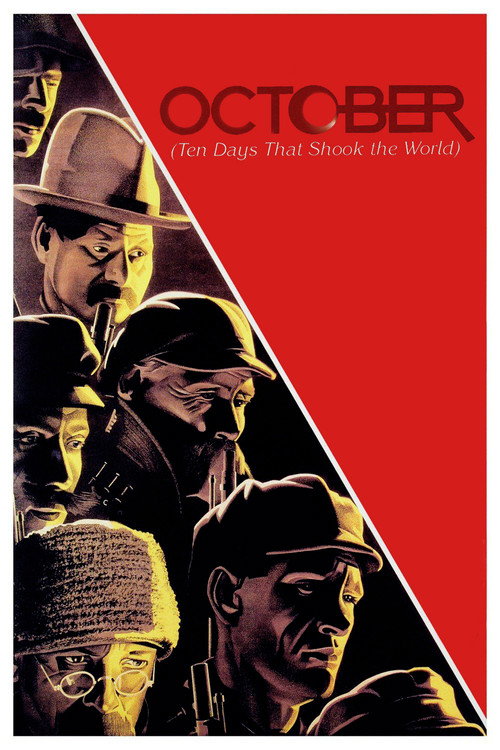
October (Ten Days that Shook the World)1928
Eisenstein again, tackling the Russian Revolution with even more formal pyrotechnics than Ivan II. Abstract, symbolic, visually overwhelming—cinematic thinking made visible.
But It's even more experimental than Ivan II and less interested in character. You need patience and willingness to surrender to pure form.
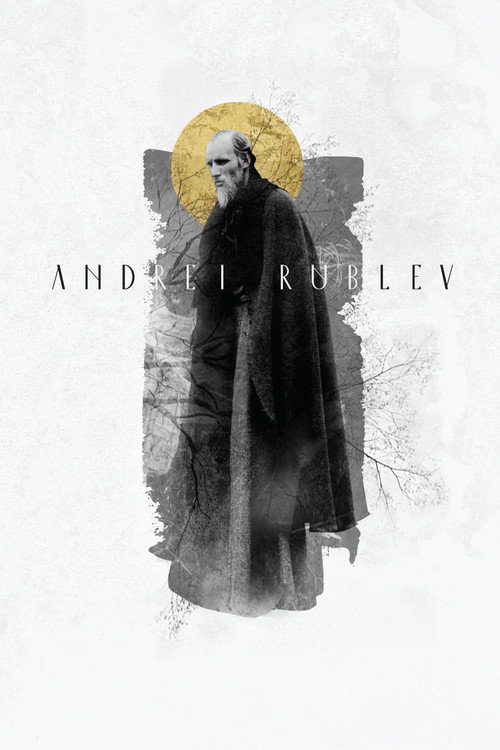
Andrei Rublev1966
Tarkovsky's epic about a Russian icon painter under state pressure. Shares Ivan's meditation on art, power, and suffering under tyranny, but with a different spiritual register.
But Three hours, black-and-white, deeply interior. It moves like a prayer, which can feel glacial if you're expecting momentum.
Not sure tonight? Get a pick in a minute, starting from Ivan the Terrible, Part II: The Boyars' Plot
The wildcard
Something you would not have found on your own.
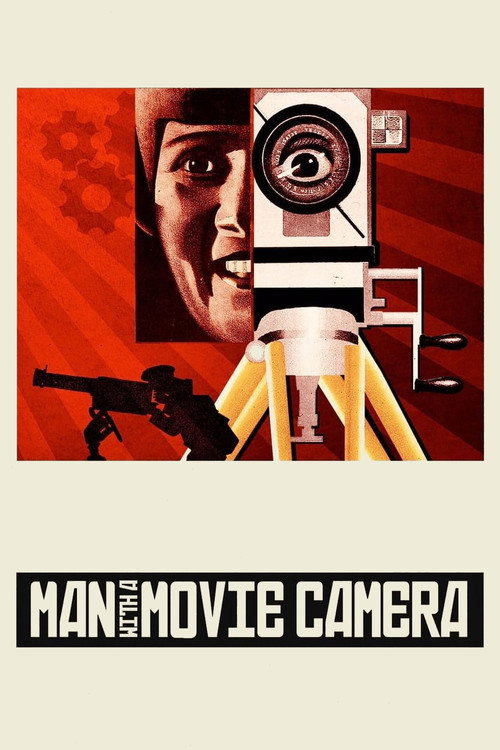
Man with a Movie Camera1929
Both are montage cinema pushed to its limits—creating meaning through collision rather than continuity. Ivan II is what happens when you apply Vertov's radical technique to a czar's crown.
Vertov's avant-garde documentary symphony of Soviet life—pure montage without narrative or plot. The formal ancestor of everything Eisenstein is doing in Ivan II, but applied to reality instead of fiction.
But It has no characters, no story, no dramatic arc. Just images colliding. Some will find it impenetrable or self-indulgent.
More like this (7)
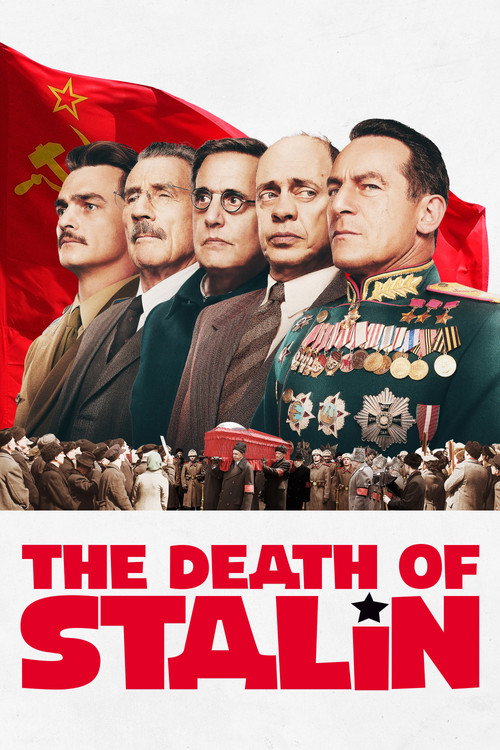
The Death of Stalin2017
Iannucci's pitch-black comedy about succession and paranoia in the Soviet system that banned Eisenstein's film. A tonal contrast that illuminates what Ivan was up against.
But Anarchic British satire about Russian politics can feel glib compared to Eisenstein's solemn ambition. Some will find it disrespectful.
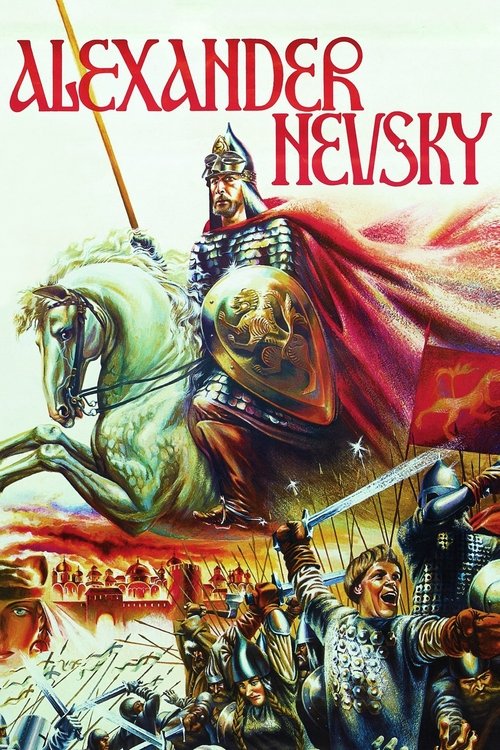
Alexander Nevsky1938
Eisenstein's earlier historical epic with Nikolai Cherkasov (Ivan's lead). The bridge between accessible storytelling and formal experimentation—a good place to land if Ivan II feels too extreme.
But Propaganda film for Stalin made before the ban. That context can feel uncomfortable, and the heroism is earnest in ways that date it.
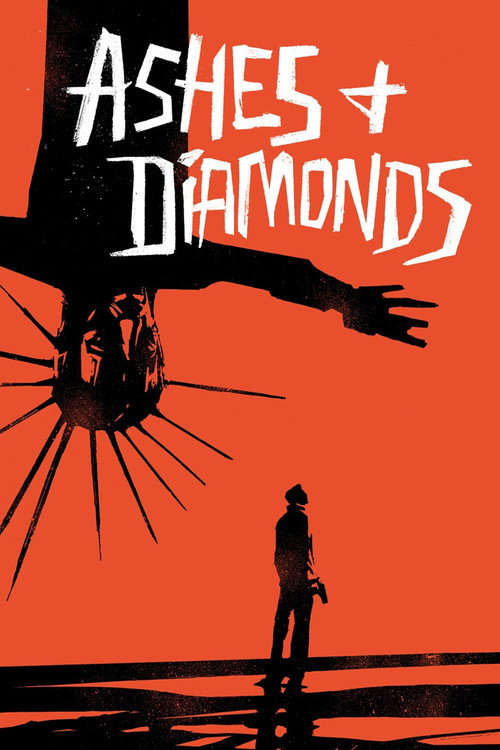
Ashes and Diamonds1958
Wajda's Polish masterpiece from the same year as Ivan II, also wrestling with power, legacy, and political violence. Shot in luminous black-and-white that rivals Eisenstein's.
But It's oblique where Ivan II is baroque. The politics are Polish, not Russian, and some viewers find the allegory harder to read.
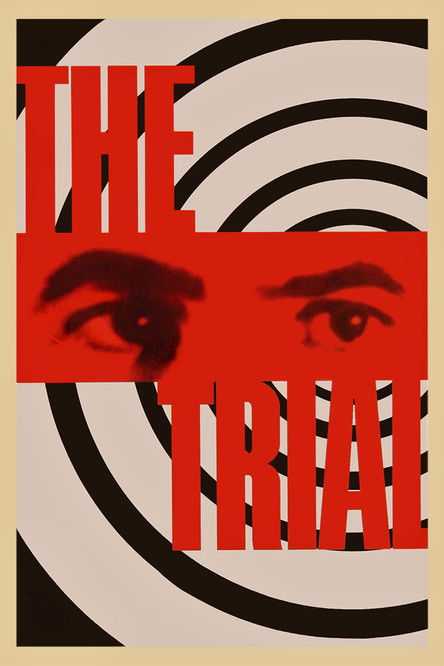
The Trial1962
Welles adapting Kafka with similarly expressionist black-and-white and claustrophobic compositions. Both films trap their protagonists in labyrinthine power structures.
But Surreal and distancing rather than epic. Some will find Welles's style mannered, and the Kafka source can feel static.
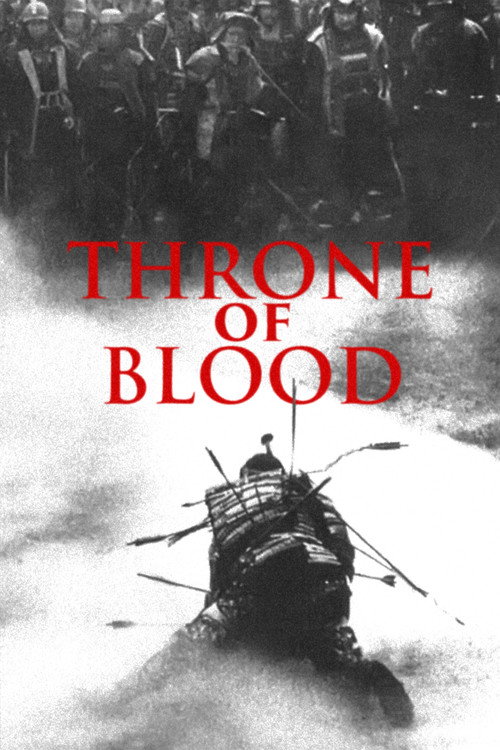
Throne of Blood1957
Kurosawa's Shakespeare in feudal Japan—another great director tackling power, paranoia, and historical inevitability through visual poetry and formal control.
But It's closer to traditional narrative than Ivan II, which may feel like a step backward if you've embraced Eisenstein's experimentalism.
The Leopard1963
Both are about aristocrats trying to control history through force of personality, both shot with operatic formality, both arguing that power is ultimately aesthetic—a performance that can dazzle but not endure.
Visconti's baroque feast about an Italian prince navigating historical change. Shot in colour and lush, where Ivan is austere—but the same preoccupation with power slipping through fingers, beauty as a mask.
But Three hours of elegance and contemplation. If you want spectacle over meditation, this is slow going. And Criterion's restoration can emphasize the artifice in ways some find off-putting.

A Prophet2009
Both track the psychology of a man building an inner circle and a personal army to protect himself. Ivan's oprichnina becomes a modern prison hierarchy, but the political logic is identical.
Audiard's prison drama following a young man's rise through strategic intelligence and alliances. Modern, French, utterly gripping—but the same engine as Ivan II: how to consolidate power through loyalty and fear.
But It's set in a contemporary jail, not a czar's court. The realism can make it bleaker and less visually striking than Eisenstein's operatic formalism.

People
Cast
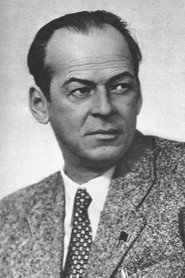 Nikolai CherkasovCzar Ivan IV
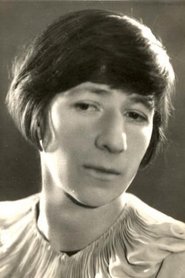 Serafima BirmanBoyarina Efrosinia Staritskaya
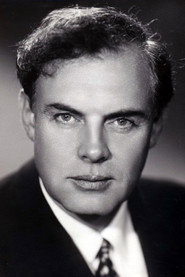 Pavel KadochnikovVladimir Andreyevich Staritsky
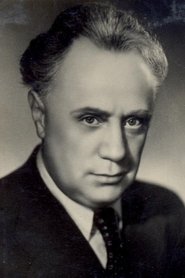 Mikhail ZharovCzar's Guard Malyuta Skuratov
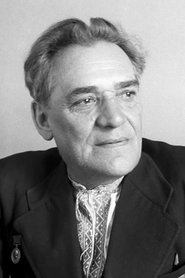 Amvrosii BuchmaCzar's Guard Aleksei Basmanov
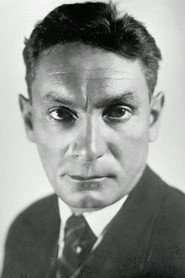 Vsevolod PudovkinNikolay the Fanatic
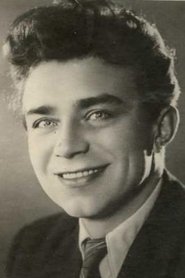 Mikhail KuznetsovFyodor Basmanov
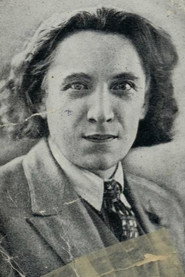 Alexander MgebrovNovgorod's Archbishop Pimen
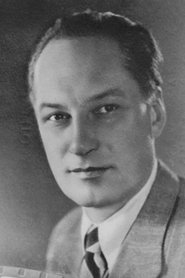 Andrei AbrikosovArchbishop Philip (formerly Fyodor Kolychev)
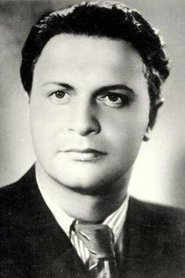 Vladimir BalashovPyotr Volynets
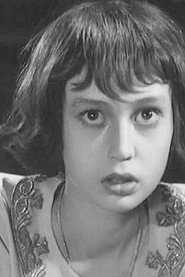 Erik PyryevIvan IV as a boy
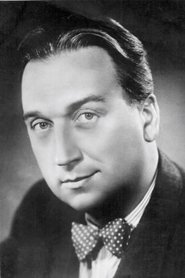 Mikhail NazvanovPrince Andrei Kurbsky
Recommended by
King Lear, The Third Memory, Mary, Queen of Scots, The Gadfly, The Paradine Case