
Film
October (Ten Days that Shook the World)
Eisenstein's October, made to mark the tenth anniversary of the Bolshevik seizure of power, isn't really history — it's propaganda built from pure rhythm and juxtaposition, a monument disguised as a film. Watch it for the astonishing montage that rewired what film editing could do, not for accuracy. It's more visual poem than narrative, rewarding patience with its restaged crowds, toppled statues, and thunderous imagery.
If you liked this
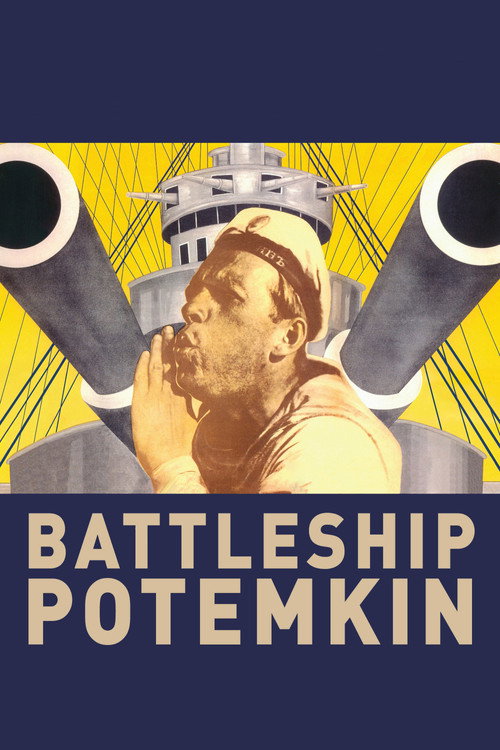
Battleship Potemkin1925
This is the film October's editing techniques were refined from — the same director's earlier, tighter masterpiece, with the Odessa Steps sequence that rewired cinema's grammar for good.
But Still silent, still didactic, and the Odessa Steps' fame means you may know the images before you ever press play.
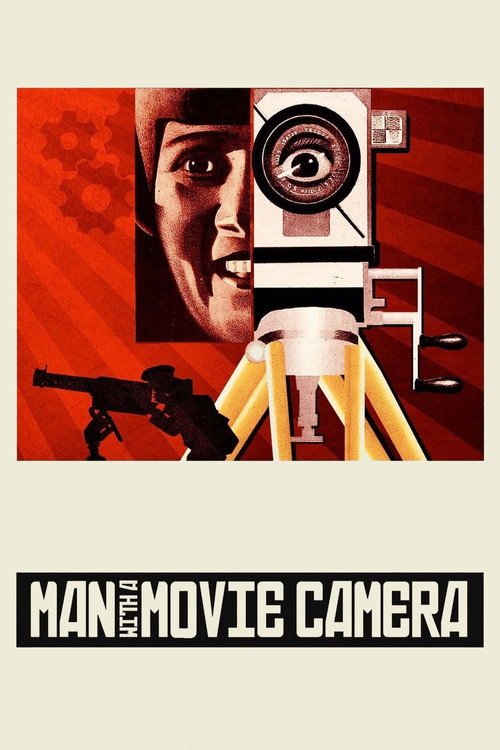
Man with a Movie Camera1929
Vertov's kinetic city-symphony documentary pushes the same Soviet montage experiments even further, turning ordinary Soviet life into pure cinematic rhythm rather than staged history.
But There's no story at all, just accumulation and rhythm — thrilling if you're in the mood, exhausting if you want a plot.
Strike1925no page yet
Eisenstein's debut feature, angrier and rawer than October, applies the same collective-hero technique to a factory uprising with less polish and considerably more fury.
But Rougher production values and even less individual characterization than October — a tough entry point if you want a "story."
The wildcard
Something you would not have found on your own.
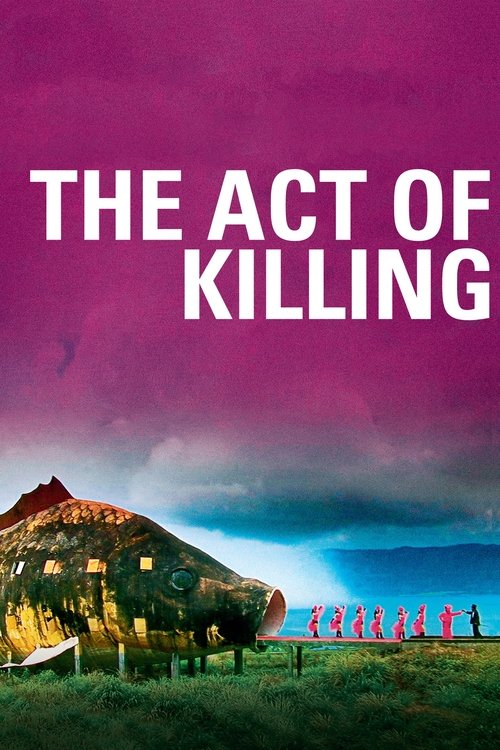
The Act of Killing2012
Both films use restaged history as a tool of self-mythology; October glorifies a revolution through reenactment, this documentary lets killers glorify — and unwittingly indict — themselves the same way.
Perpetrators of a real 1965 Indonesian genocide restage their own killings as movie scenes, on camera, exposing how film can manufacture and launder history exactly as October does — only here the subject is horror, not triumph.
But It is genuinely disturbing and morally vertiginous, without October's aesthetic beauty to soften the experience.
More like this (8)
Mother1926no page yet
A contemporary rival to Eisenstein's style, this one finds a single human face inside the revolutionary machine and gets real emotional traction from it.
But More conventional melodrama than avant-garde experiment, so it can feel like a step backward if you came for pure montage.
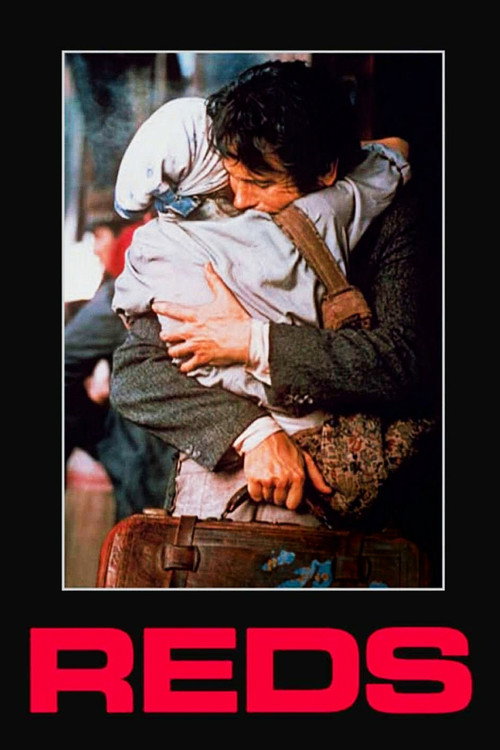
Reds1981
Warren Beatty's sprawling epic follows an American journalist through the same revolution October dramatizes, with interviews from actual witnesses spliced between the drama.
But Three-plus hours long, and its earnest sincerity about radical politics can feel dated to modern audiences.
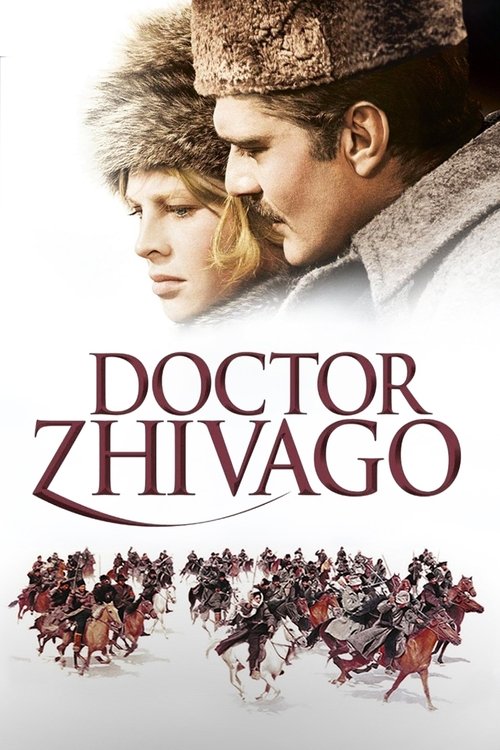
Doctor Zhivago1965
Approaches the identical historical rupture from the opposite angle — personal tragedy and lost love instead of collective triumph — with gorgeous, mournful scale.
But It's romantic melodrama at heart, not history, and some find its politics of the revolution simplistic or sentimental.
Nicholas and Alexandra1971no page yet
Tells the same collapse of the old order from inside the doomed royal family's rooms, a humane counterweight to October's crowd-as-hero framing.
But Slow, stately, and sympathetic to the very regime October is celebrating the fall of — a real tonal whiplash.
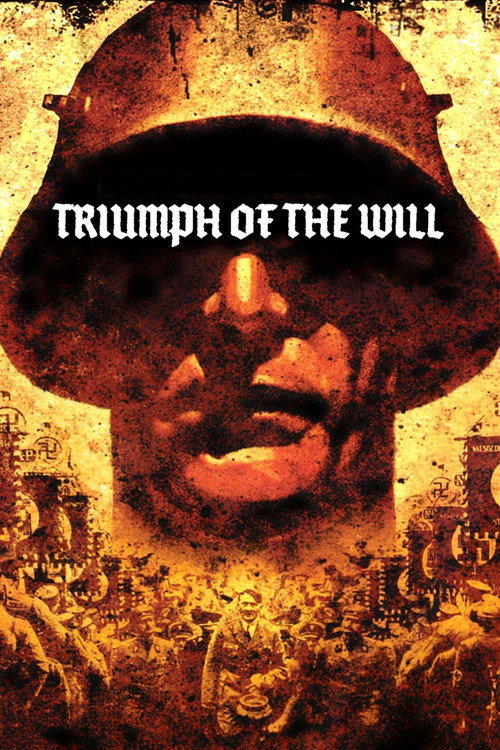
Triumph of the Will1935
Riefenstahl's Nazi rally film is the other great case study in cinema-as-propaganda, showing how similar mass-choreography techniques serve a diametrically opposed ideology.
But It is deeply uncomfortable to watch, by design and by history, and demands you engage with its horror rather than its craft.
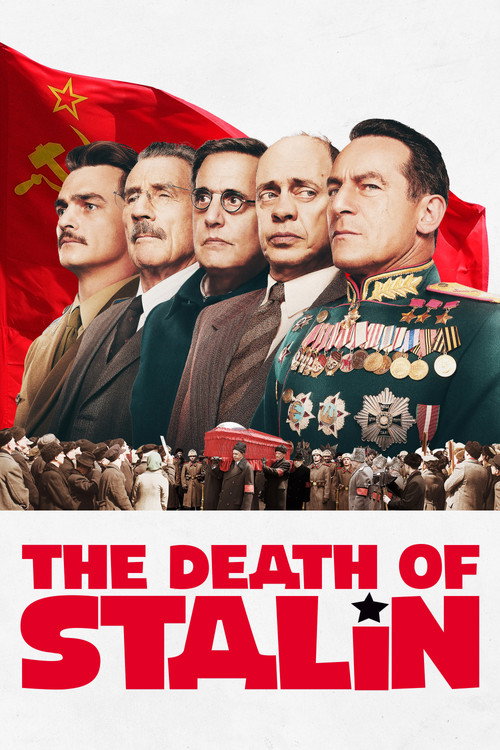
The Death of Stalin2017
A pitch-black comedy set in the same Soviet apparatus decades later, stripping the mythic grandeur October built right back down to farce and paranoia.
But If you want reverence or scale, this is the opposite — jokes and bureaucratic bickering instead of monumental crowds.
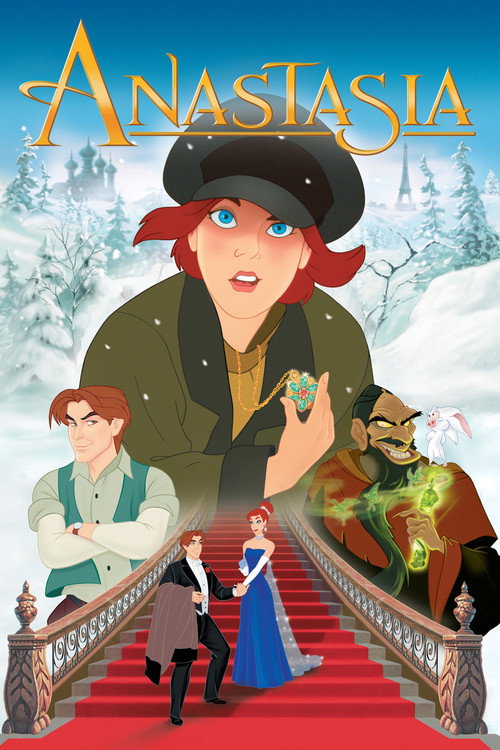
Anastasia1997
Same historical rupture, opposite propaganda: where October mythologizes the revolution as a heroic collective triumph, this mythologizes the fallen aristocracy as innocent victims of a fairy-tale curse.
A candy-colored Fox animated musical spins the same collapse of the Romanov dynasty October celebrates into a runaway-princess fairy tale, complete with songs and a cartoon Rasputin villain.
But It is unapologetically kitsch and historically nonsensical — the tonal opposite of solemn Soviet cinema in every possible way.
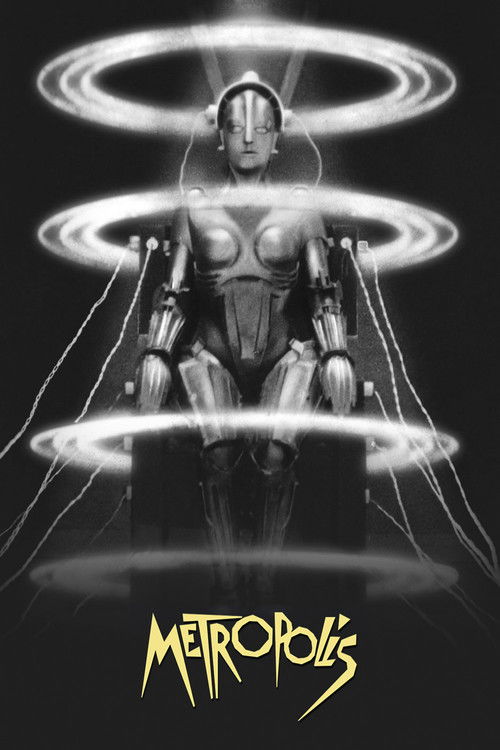
Metropolis1927
Both films treat the crowd itself as the true protagonist, using rhythmic editing and mass choreography to turn workers into a single visual force — one for agitprop, one for spectacle.
Made the same year October's events were being restaged, this German silent classic uses the identical visual grammar — masses of workers moving as a single body — to build a dystopian industrial fable instead of a documentary of real revolution.
But Its plot is melodramatic pulp science fiction, and its politics are far vaguer and more muddled than Eisenstein's.
People
Cast
 Vladimir PopovAleksandr Kerensky
- Vasili NikandrovLenin
- LayaschenkoKonovalov
 Boris LivanovMinister Terestsenko
- MikholyevKishkin
- ChibisovSkobolev
- Nikolai PadvoiskyBolshevik
- SmelskyVerderevsky
 Eduard TisseGerman Soldier
- Nikolay PopovKerenskiy
Directing
- Ilya TraubergAssistant Director
- Maksim ShtraukhAssistant Director
- Mikhail GomorovAssistant Director
- Grigori AleksandrovDirector
- Sergei EisensteinDirector
Writing
- John ReedBook
- Grigori AleksandrovScreenplay
- Sergei EisensteinScreenplay
Production
- Arkadiy AlekseyevProducer