
Film
The Patriot
Other titles called The Patriot: the 2000 film.
A 1928 silent drama about Tsar Paul I's descent into paranoid tyranny and the moral anguish of those closest to him. Emil Jannings gives a raw, physical performance in a film that treats court intrigue not as soap opera but as tragedy—the collision between loyalty and conscience. For anyone curious about how silent cinema handled psychological torment.
Should you watch it?
Watch it if you like court intrigue played as the slow unravelling of one man, with big theatrical performances and Lubitsch's sly eye for how power corrupts the people around it.
Skip it if you need dialogue and brisk plotting; this silent film moves through its palace schemes at a deliberate, stagy pace and relies on Jannings's ranting, which can tip into overacting.
What it asks of you: Roughly 113 minutes of unhurried scenes, long stretches of silent staging read through intertitles, and patience that rewards you more than quick reactions do.
Not sure? Find tonight's pick in a minute.
If you liked this
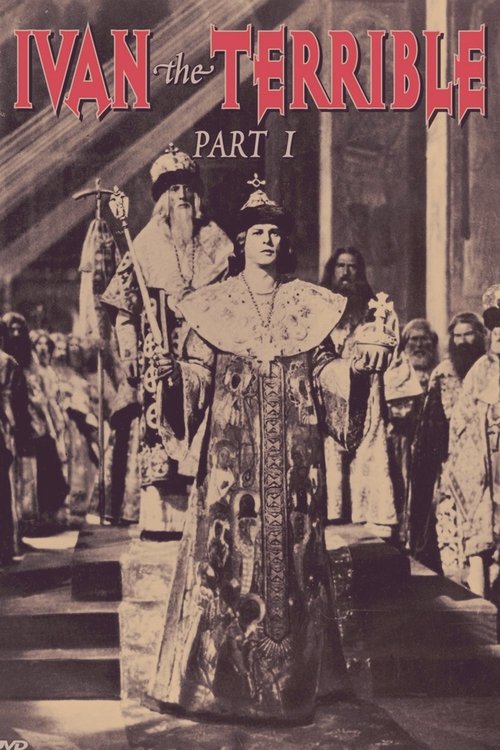
Ivan the Terrible, Part I1944
Eisenstein's Tsar is another study of autocratic madness and isolation, rendered through expressionist visuals and operatic violence. The parallels to Jannings' Paul are sharp: both men are alone at the top, and both films suggest that unlimited power corrodes the mind.
But Eisenstein's approach is deliberately artificial and forbidding—nothing like the intimate tragedy of The Patriot. Some find it exhausting rather than moving.
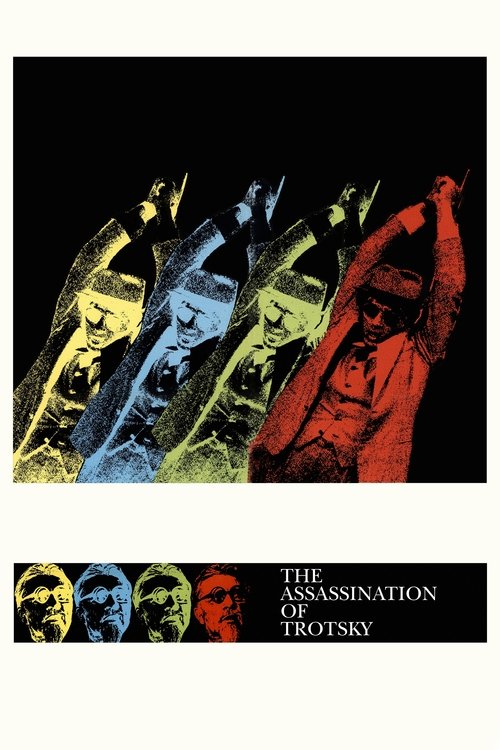
The Assassination of Trotsky1972
A tense historical thriller about political violence and the hunted intellectual, with Joseph Losey's direction creating a mood of paranoia and exile. It captures the same sense of historical forces closing in on a man at the center of power.
But Much later and in colour, it trades silent cinema's abstraction for 1970s realism, which some may find less visually arresting. Also, frankly, less grand in scope.
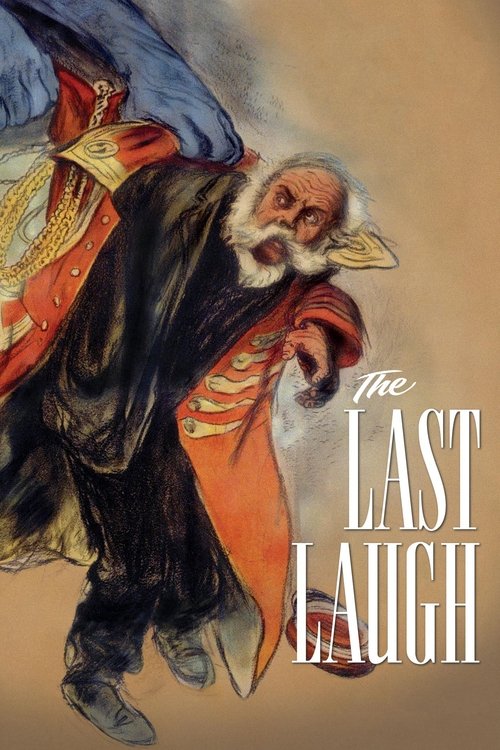
The Last Laugh1924
F.W. Murnau's masterpiece about a man's social destruction and humiliation—silent cinema at its most psychologically piercing. Emil Jannings also stars, and the film proves that human dignity under duress was his great subject.
But It's a tragedy about a minor hotel porter, not a Tsar. The scale is intimate, which some find less dramatically satisfying than historical epic.
Not sure tonight? Get a pick in a minute, starting from The Patriot
The wildcard
Something you would not have found on your own.
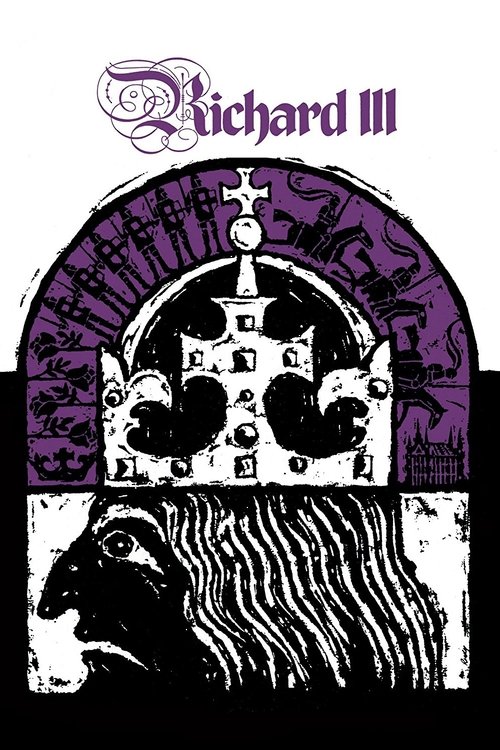
Richard III1955
Both films treat autocratic paranoia as the central dramatic engine: a leader surrounded by plots (real and imagined), and the moral collapse this produces in those forced to love and serve him. Both climax not in victory but in the realization that the ruler's fall is necessary.
Laurence Olivier's Shakespeare—another study of a tyrant undone by isolation and suspicion, but transposed into the Bard's language and theatrical artifice. It shares The Patriot's fascination with how power warps the mind, and how those near the throne face impossible moral choices.
But It's a Shakespearean adaptation in colour and with sound, so tonally a world away. If you came to The Patriot for historical fidelity rather than psychological intensity, this may feel too heightened and theatrical.
More like this (8)
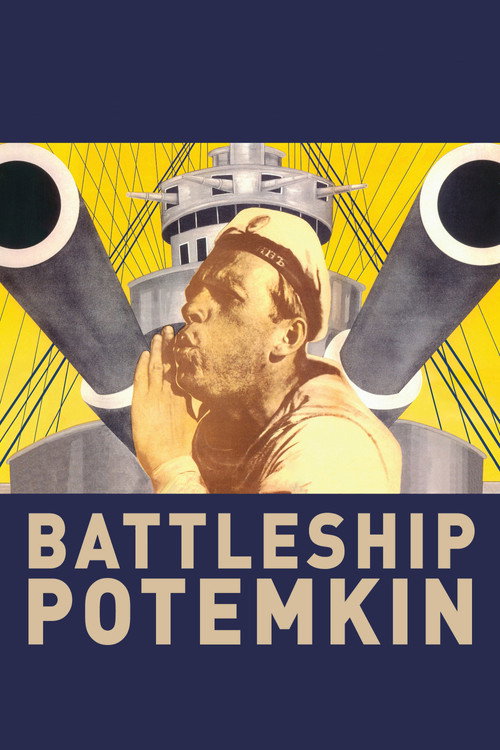
Battleship Potemkin1925
Another Russian revolution-adjacent film that treats political upheaval as both spectacle and moral question. Eisenstein's montage technique is dazzling, and it offers context for understanding the old regime Paul represents.
But It's a revolution film, not a court tragedy. The heroic tenor is completely different—this glorifies uprising rather than mourning power's corruption.
Nosferatu1922
Murnau again. The paranoia, the shadows, the sense that malevolent forces are closing in from all sides—it's the same visual language as The Patriot uses for psychological torment, just applied to horror instead of history.
But It's a vampire film. Tonal whiplash is real. The supernatural framing may read as campy rather than unsettling to modern eyes.

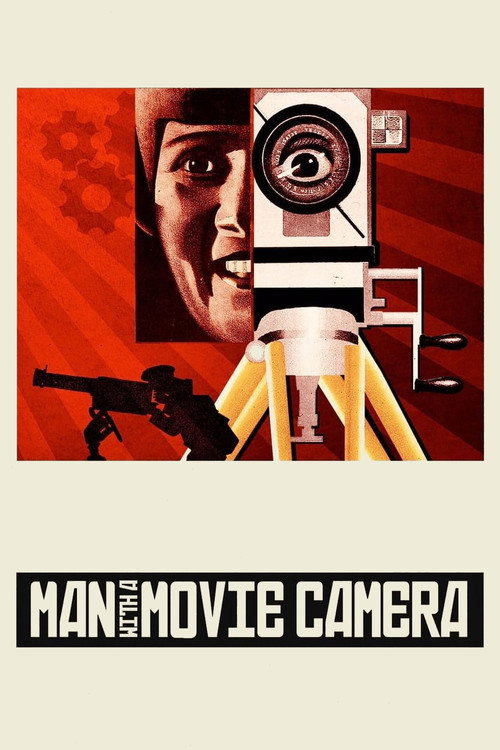
Man with a Movie Camera1929
Dziga Vertov's experimental documentary is a Soviet-era film roughly contemporary with The Patriot, and it captures the texture of Russian life and culture across the same geography. A fascinating historical document.
But It's a structuralist documentary without narrative or characters. If you're drawn to The Patriot for story, this will feel alienating and austere.
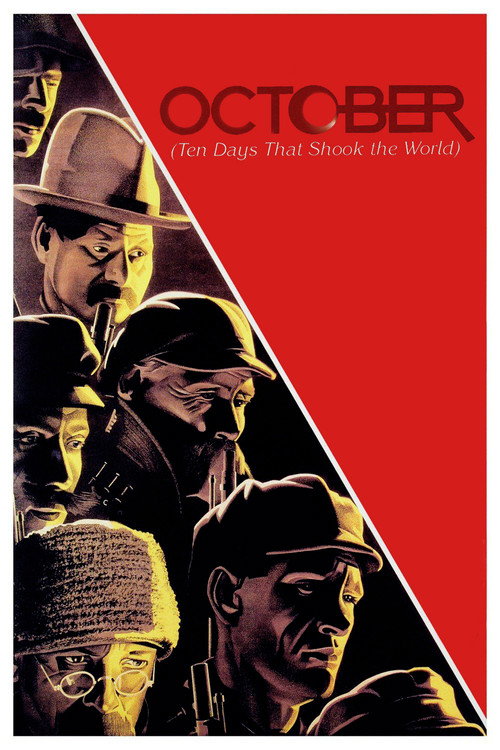
October (Ten Days that Shook the World)1928
Eisenstein's recreation of the Bolshevik revolution, released the same year as The Patriot. It contextualizes the world the Tsars ruled—the revolution that Paul's paranoia foreshadowed, dramatized with revolutionary fervor.
But Like all Eisenstein, it's visually demanding and ideologically weighted. The gap in tone from The Patriot's intimate tragedy is substantial.
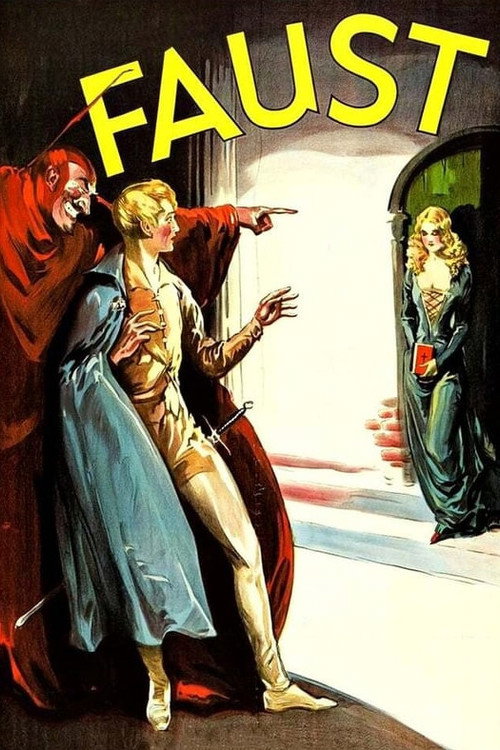
Faust1926
F.W. Murnau's adaptation uses chiaroscuro and spatial composition to explore a man's moral compromise and spiritual cost. The visual and thematic echoes of Paul's decline are strong, even if the context is Faustian rather than political.
But It's a supernatural morality tale, not history. The theological register is quite different from The Patriot's psychological realism, however stylized.
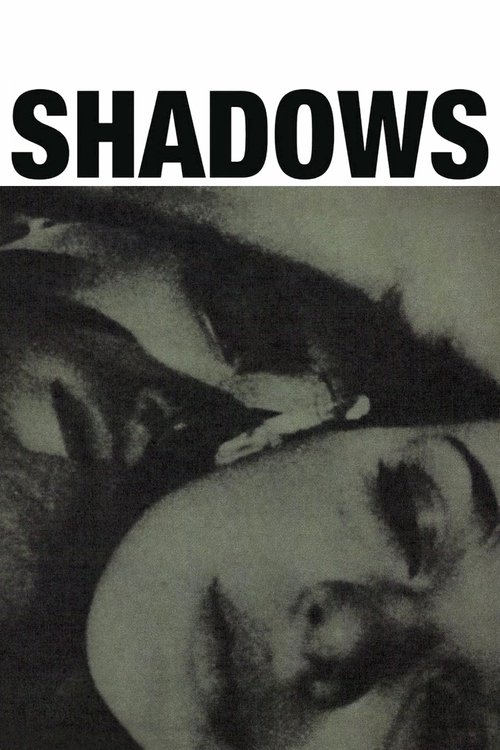
Shadows1960
John Cassavetes' improvised drama about identity and social surveillance has the same paranoid intensity as The Patriot, but in a wholly modern American context. Proof that the film's psychological themes transcend period and setting.
But It's a grainy, barely coherent indie film from 1960. If you value clarity and period elegance, this will feel deliberately obstructive.
The Phantom Carriage1921
Both films use stark, expressionist visuals and silences to explore a man's dawning recognition of his own moral corruption. Both are more interested in interior anguish than external action. Both suggest that isolation—whether by crown or by guilt—is its own kind of haunting.
Victor Sjöström's Swedish masterpiece is a ghost story in form but a tragedy of conscience in spirit—a man confronted with the weight of his own cruelty. The visual language of darkness and isolation is strikingly similar to The Patriot, and the psychological penetration is equally moving.
But It's a supernatural film, which sounds commercial but plays like chamber drama. Modern audiences often find the pacing glacial and the ghost-story apparatus more obstacle than asset to the emotional story.

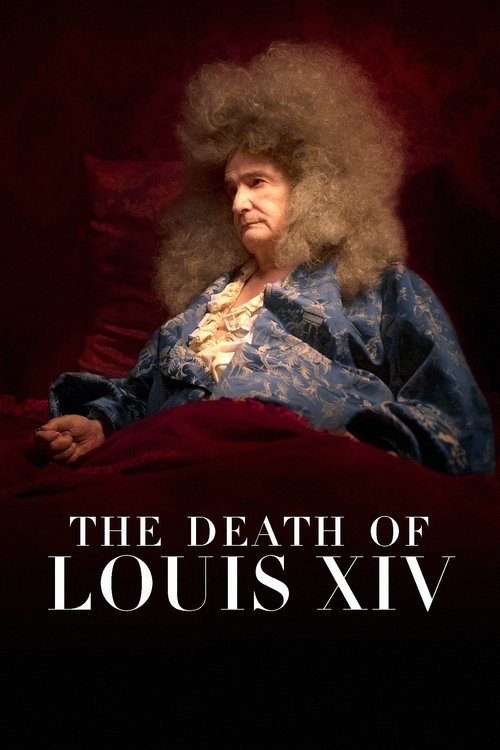
The Death of Louis XIV2016
Like The Patriot, it's about the human cost of absolute rule—but from the opposite end. Where Paul descends into madness, Louis descends into illness. Both films locate the true tragedy not in the loss of power but in the loss of self, and both surround their protagonist with people bound by duty and love to watch it happen.
Albert Serra's 2016 re-examination of monarchy's end: two hours of an aging king dying, surrounded by courtiers and ceremony that cannot save him. It's a radical meditation on power, the body, and those forced to witness decline. Unexpectedly compassionate.
But It's glacially slow, almost plotless, and deliberately anti-dramatic. If you want character arc and narrative momentum, this will feel like watching paint dry. It's also in colour and spoken word, which is maximally distant from silent cinema.
People
Cast
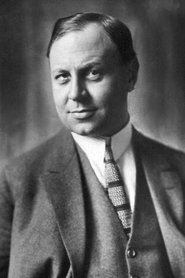 Emil JanningsCzar Paul I
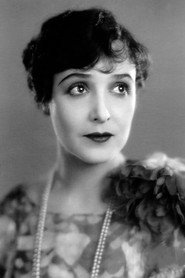 Florence VidorCountess Ostermann
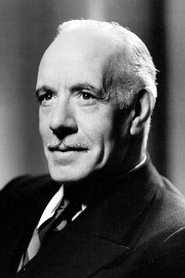 Lewis StoneCount Pahlen
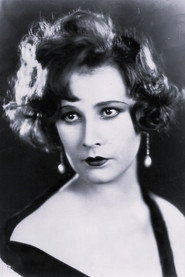 Vera VoroninaMademoiselle Lapoukhine
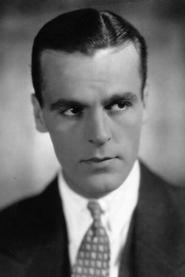 Neil HamiltonCrown Prince Alexander
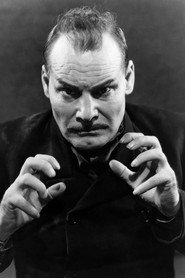 Harry CordingStefan
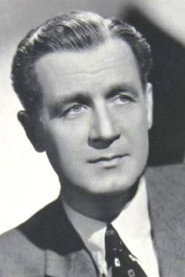 Tullio CarminatiMinor Role (uncredited)
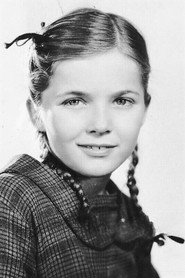 Carmencita JohnsonBaby (uncredited)
Directing
- George HippardAssistant Director
- George YohalemAssistant Director
- Ernst LubitschDirector
Writing
- Dmitry MerezhkovskiOriginal Story
- Alfred NeumannTheatre Play
- Ashley DukesTheatre Play
- Hanns KrälyWriter
- Julian JohnsonWriter
Production
- Ernst LubitschProducer
- Eric LockeUnit Manager