
Film
Richard III
Olivier directs and stars in this Technicolor, big-budget filming of Shakespeare's play, turning Richard's villainy into a running joke he shares only with the camera. It's theatrical, stagey, gloriously hammy in places, and utterly commanding whenever Olivier's crooked smile fills the frame. For anyone curious what 1950s prestige Shakespeare looked like at its most confident.
If you liked this
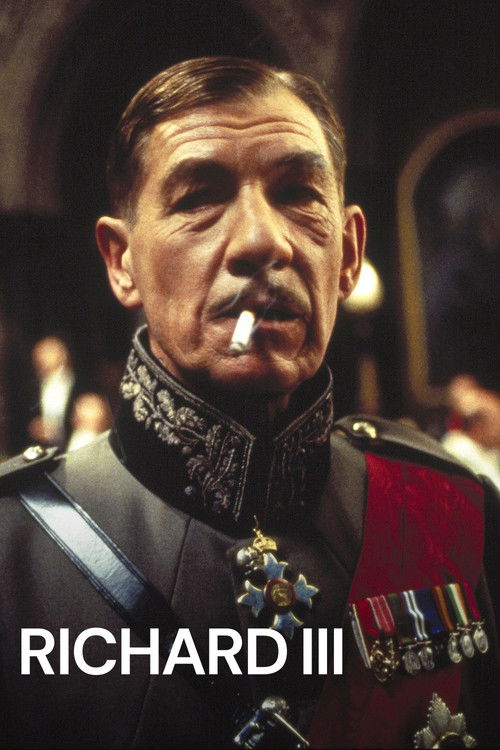
Richard III1995
Ian McKellen relocates the same play to a fascist 1930s England, all art deco menace and newsreel pageantry. It's the clearest modern answer to Olivier's version, made by someone who studied it closely.
But The setting update is bold but can feel more clever than moving; some prefer the play left in period dress.
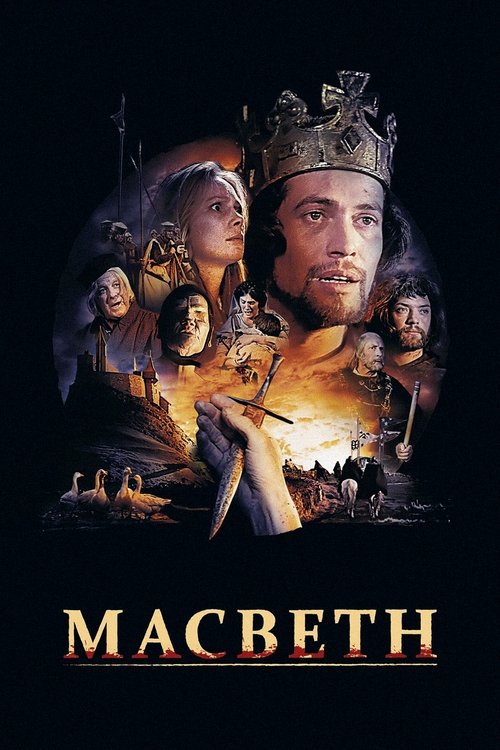
Macbeth1971
Polanski strips Shakespeare's ambition-tragedy of any theatrical politeness — this is mud, blood and paranoia, with a genuinely frightening sense of a man destroying himself from the inside.
But Deliberately ugly and joyless where Olivier is witty; Polanski wants you unsettled, not entertained.
Chimes at Midnight1965no page yet
Orson Welles's Falstaff film, stitched together from several history plays, is scrappier and poorer-looking than Olivier's Richard III but arguably more emotionally devastating by the end.
But Rough sound and battered prints have dogged this film for decades; it looks nothing like a polished studio production.
The wildcard
Something you would not have found on your own.
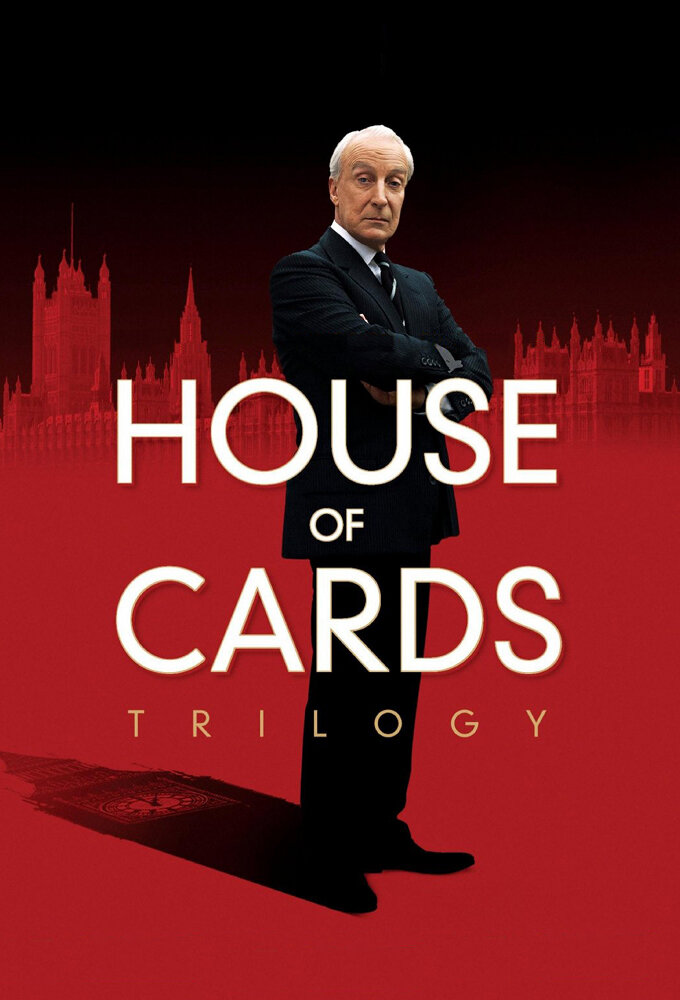
House of Cards1990
This is the direct descendant: Andrew Davies modelled Urquhart's asides explicitly on Richard's, transplanting the fourth-wall-breaking villain-hero into modern parliamentary politics.
Francis Urquhart, a Tory chief whip plotting his way to the premiership, turns to the camera and confides his schemes exactly as Richard does — this miniseries was built directly on that trick.
But Very British, very 1990, and dry in its political detail if you don't already find Westminster machinations funny.
More like this (8)
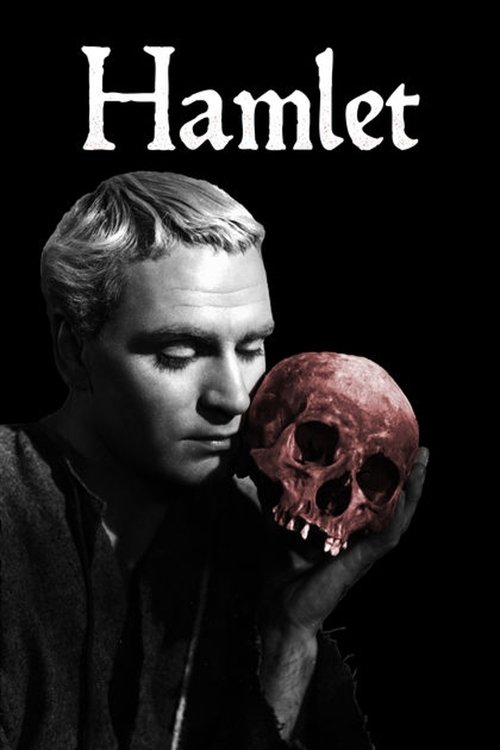
Hamlet1948
Olivier's earlier Shakespeare triumph, shot in stark black and white, shows the same directness and vocal control turned toward melancholy rather than mischief.
But Slower and more inward than Richard III's propulsive scheming; Hamlet's indecision is the whole engine, which frustrates some viewers.
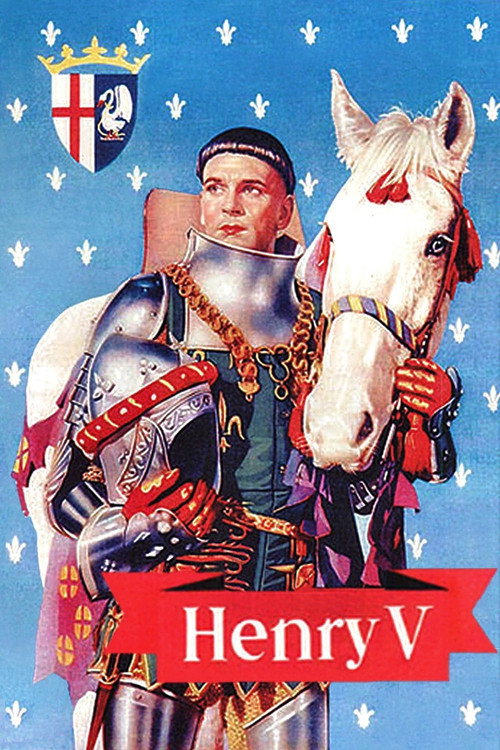
Henry V1944
Olivier's wartime Shakespeare film, made to boost British morale, opens as a recreation of an Elizabethan stage performance before blooming into full colour spectacle — a fascinating companion piece.
But Overtly patriotic and rousing in a way that dates it; the propaganda intent is never far from the surface.
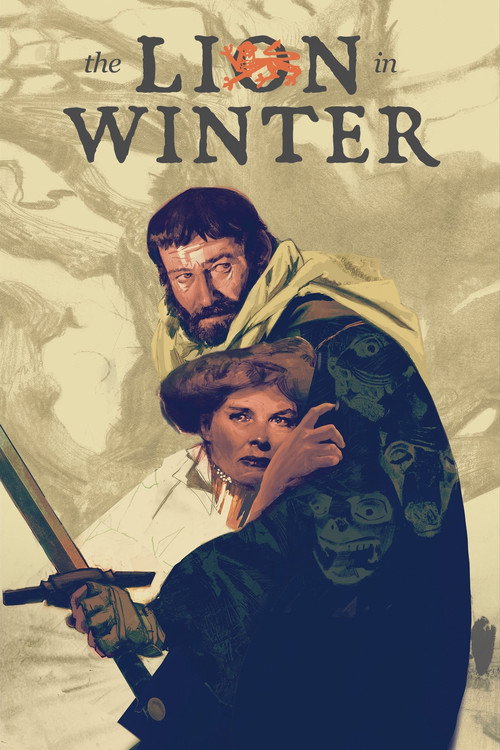
The Lion in Winter1968
A royal Christmas turns into a viciously funny power struggle between Henry II and his scheming sons, with dialogue as sharp and cruel as anything in Shakespeare's court scenes.
But Talkier and more claustrophobic than Richard III — nearly the whole film happens in a few rooms of insults.
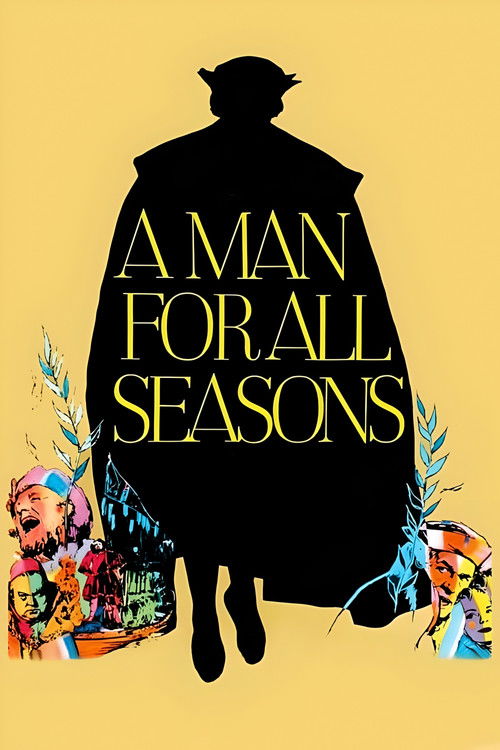
A Man for All Seasons1966
A quieter, more principled companion piece about Tudor court survival, following Thomas More's refusal to bend to Henry VIII, with the same texture of ambition circling power.
But Restrained and dignified where Richard III is theatrical and gleeful — this is a film about conscience, not villainy.
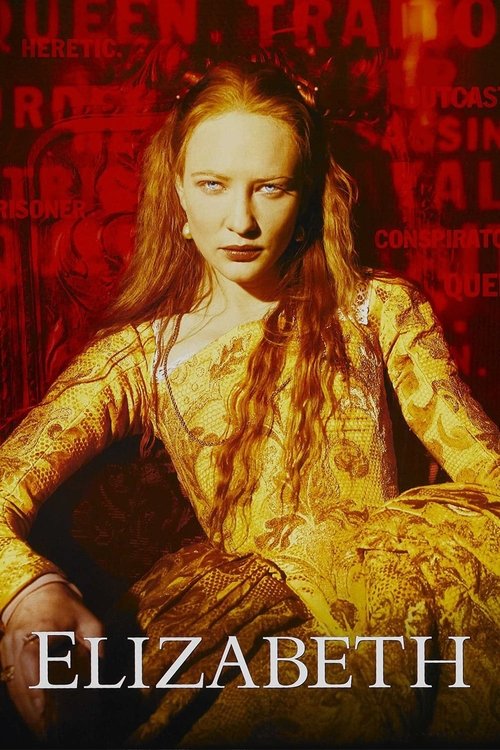
Elizabeth1998
A lush, paranoid account of a young queen learning to survive court plots and assassination attempts, with the same appetite for intrigue and betrayal in gorgeous period dress.
But Historically loose and stylised — treat it as myth-making rather than record, much like Shakespeare's own history plays.
The Hollow Crown2012no page yet
The BBC's handsome television adaptations of Shakespeare's history plays, including Richard II and the Henry IVs, give the same material room to breathe across hours rather than minutes.
But A significant time commitment across multiple plays; less immediately gripping than Olivier's compressed, star-driven film.
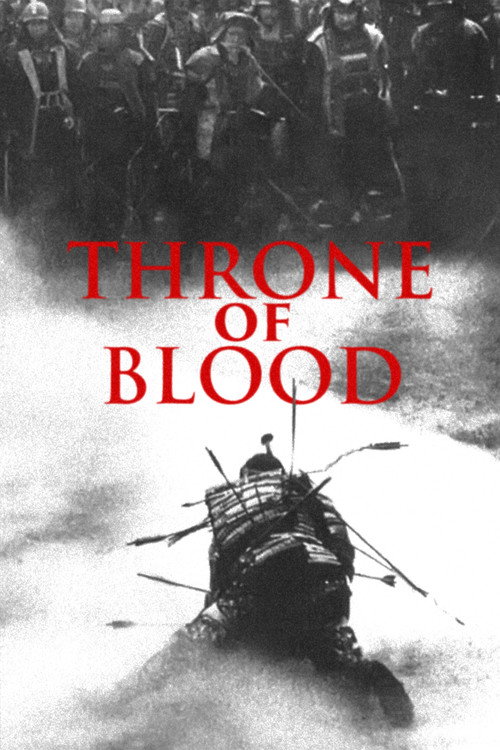
Throne of Blood1957
Same Shakespearean structure as Richard III — a warrior's guilty, doomed climb to power — proving the story survives a total change of language, century and culture.
Kurosawa moves Macbeth's ambition-and-murder machinery into feudal Japan, all fog, arrows and a wife pushing her husband toward the throne. It's Shakespeare's tragic engine wearing samurai armour.
But Subtitled, slower-paced, and rooted in Noh theatre conventions that feel alien if you've only ever seen Shakespeare performed straight.
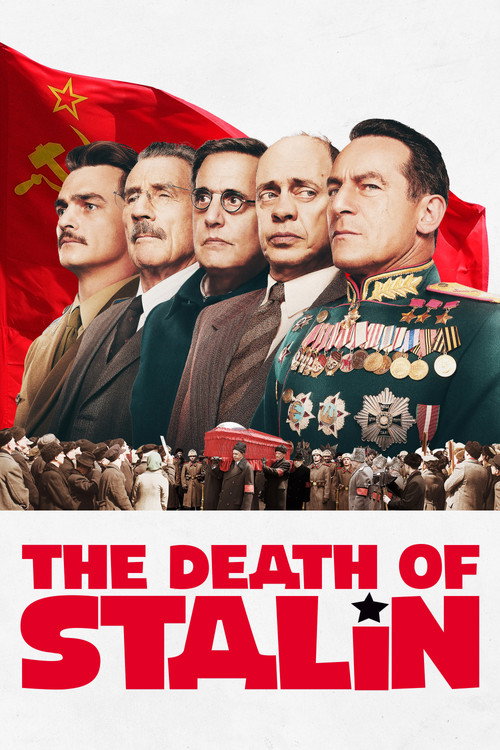
The Death of Stalin2017
Takes the exact moral shape of Richard's court — grasping men murdering their way upward while smiling at each other — and plays it as absurdist comedy instead of tragedy.
Politburo members scramble over each other's corpses, literally and figuratively, in a pitch-black comedy about men eliminating rivals the moment power becomes available.
But Broad, farcical and frequently silly where Richard III is stately — some will find the tonal whiplash between comedy and real atrocity hard to sit with.
People
Cast
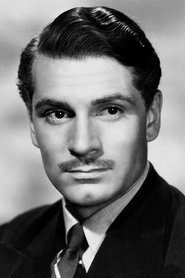 Laurence OlivierRichard III
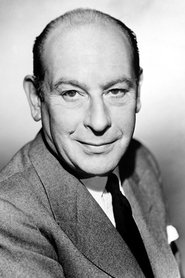 Cedric HardwickeKing Edward IV of England
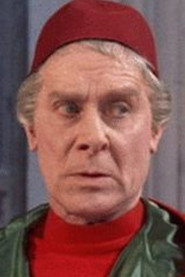 Nicholas HannenArchbishop
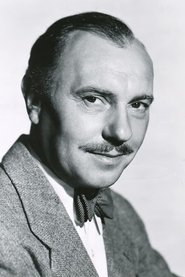 Ralph RichardsonDuke of Buckingham
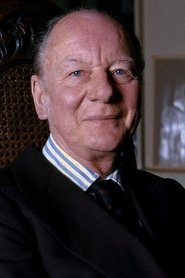 John GielgudGeorge, Duke of Clarence
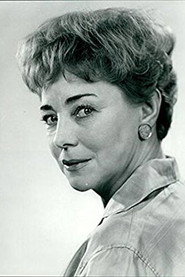 Mary KerridgeQueen Elizabeth
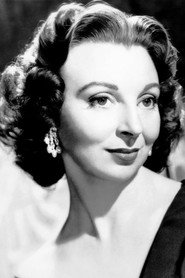 Pamela BrownJane Shore
- Paul HusonEdward, Prince of Wales
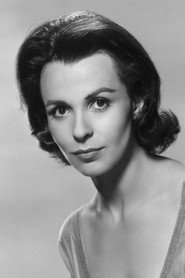 Claire BloomThe Lady Anne
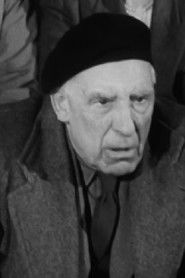 Wallace BoscoMonk
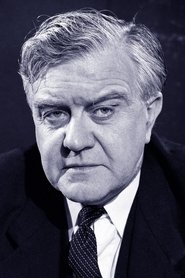 Andrew CruickshankBrackenbury
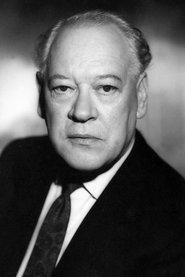 Clive MortonThe Lord Rivers
Directing
- Gerry O'HaraAssistant Director
- Anthony BushellCo-Director
- Pamela DaviesContinuity
- Laurence OlivierDirector
Writing
- Alan DentScreenplay
- Laurence OlivierScreenplay
- Colley CibberTheatre Play
- David GarrickTheatre Play
- William ShakespeareTheatre Play
Production
- Laurence OlivierProducer
- Jack MartinProduction Manager
- John W. GossageProduction Supervisor