
Film
Henry V
Laurence Olivier's Technicolor Shakespeare, shot in the middle of the Second World War as a rallying cry for a nation bracing for D-Day. It opens as a play within the wooden O of the Globe, then breaks its own frame into real battlefields and rousing verse. Gorgeous, stagey, unabashedly patriotic — a monarch turned into myth, and a film that knows exactly what it's doing.
If you liked this
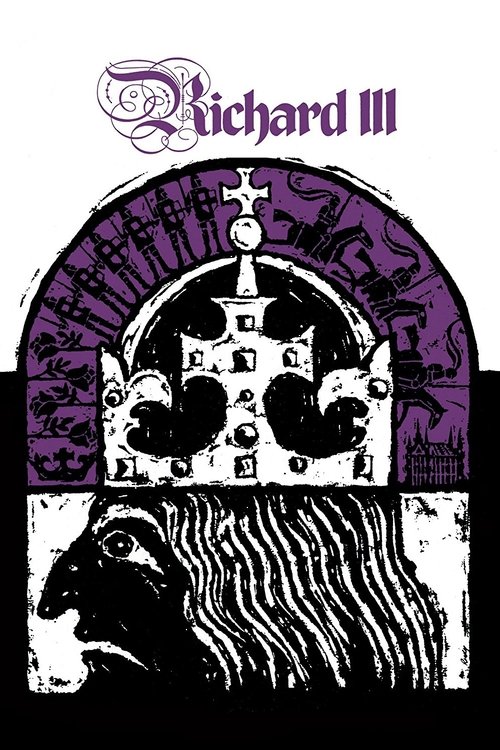
Richard III1955
Olivier directs and stars again, this time as a scheming, charismatic villain rather than a noble king — a masterclass in how differently the same actor can wield Shakespeare's verse.
But Slower and talkier than Henry V, with Olivier's Richard so magnetic he can make the melodrama feel a little indulgent.
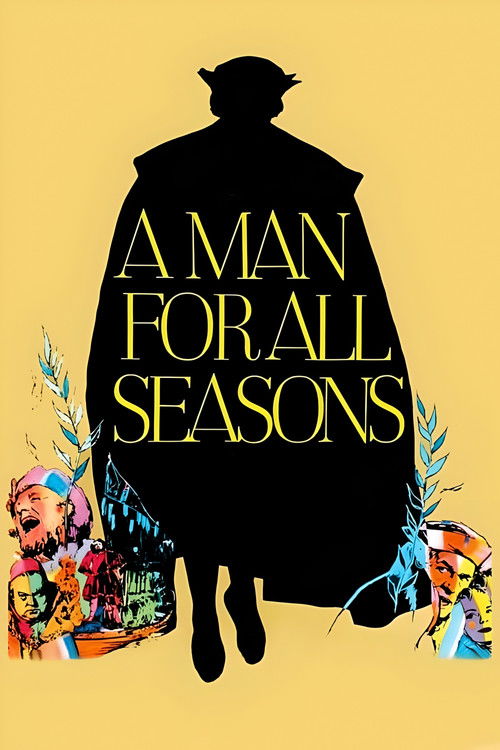
A Man for All Seasons1966
English history at its most morally serious: Thomas More stands against his king on principle alone, and the film trusts dense, literate dialogue to carry all its drama.
But It's talky and static by design — courtroom-adjacent debate rather than battlefield spectacle, so patience is required.
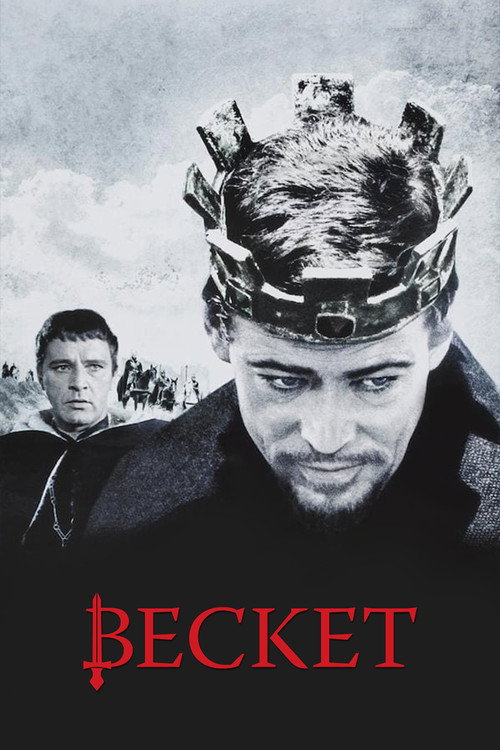
Becket1964
Richard Burton and Peter O'Toole spar as archbishop and king in a medieval England obsessed with loyalty, power and the cost of conscience — verse-adjacent dialogue with real teeth.
But It's a two-hander of monologues and confrontations more than a visual spectacle; the drama lives entirely in the performances.
The wildcard
Something you would not have found on your own.
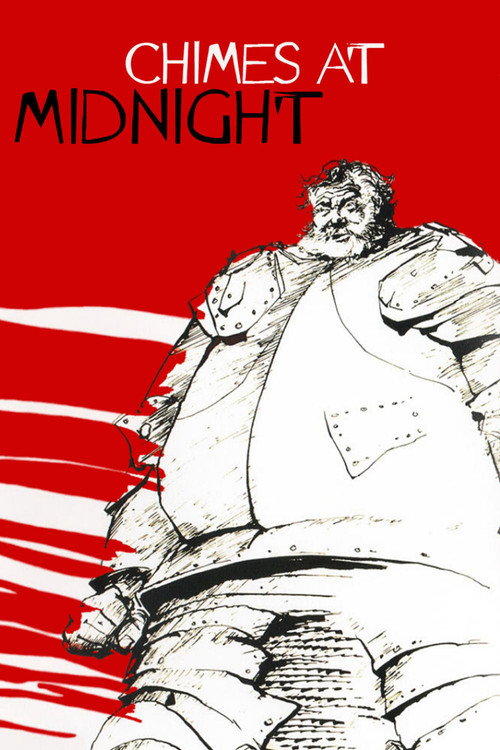
Chimes at Midnight1965
Same historical Henry, same Shakespeare cycle, but told from the Henry IV plays it grew out of — the prequel to the boy king's transformation, shot cheap, in black-and-white, and grieving rather than celebrating.
Orson Welles's shabby, heartbroken masterpiece tells the other half of this story — young Hal's raucous friendship with Falstaff, the fat old knight he must abandon to become the king you just watched.
But Threadbare budget, muddy sound, and a mournful tone that's the deliberate opposite of Olivier's polished, rousing pageant.
More like this (8)
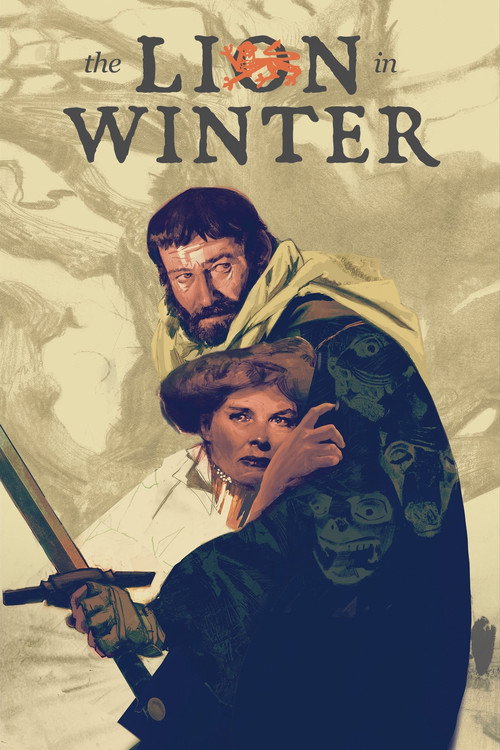
The Lion in Winter1968
Henry II and his warring family trade vicious, witty barbs over Christmas and the throne — proof that royal history can be gripping without a single battle scene.
But It's claustrophobic and dialogue-driven, closer to a chamber drama than the outdoor pageantry of Henry V.
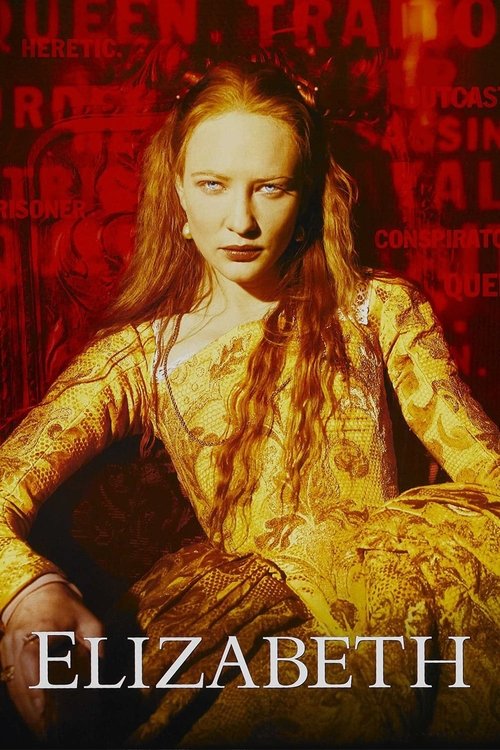
Elizabeth1998
A young monarch learns that ruling means becoming a myth rather than a person — the same transformation Henry undergoes, told through Cate Blanchett's ferocious performance and lush court intrigue.
But Its politics are murkier and more paranoid than Henry V's rousing certainty; there's little of that heroic uplift.
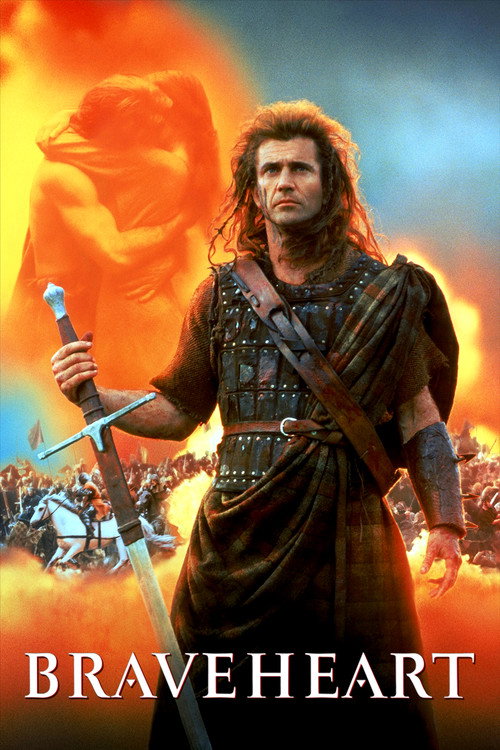
Braveheart1995
If you came for the Agincourt speech and the muddy heroics, this delivers the same rousing, blood-and-mud nationalism on an even bigger scale, with Mel Gibson rallying troops against impossible odds.
But It's considerably more brutal and historically loose, trading Shakespeare's nuance for pure, unashamed cinematic spectacle.
Cromwell1970no page yet
Richard Harris storms through England's civil war as Oliver Cromwell, another film asking what it costs a nation to follow one man's conviction into war, with the same stagey grandeur.
But It's less polished and less celebrated than Henry V, and its politics are thornier, more ambivalent about its hero.
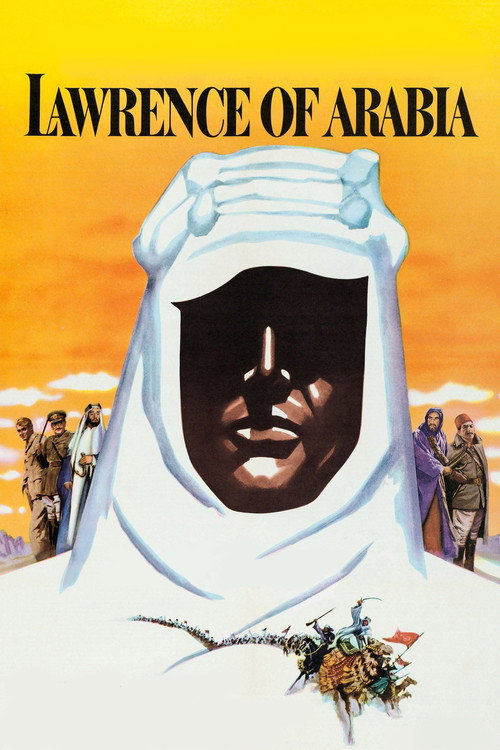
Lawrence of Arabia1962
A different war, a different century, but the same fascination with turning a real man into legend through sheer force of image and rhetoric — epic British filmmaking at its most sweeping.
But At nearly four hours it's a far bigger commitment, and its hero's myth curdles into something much darker.
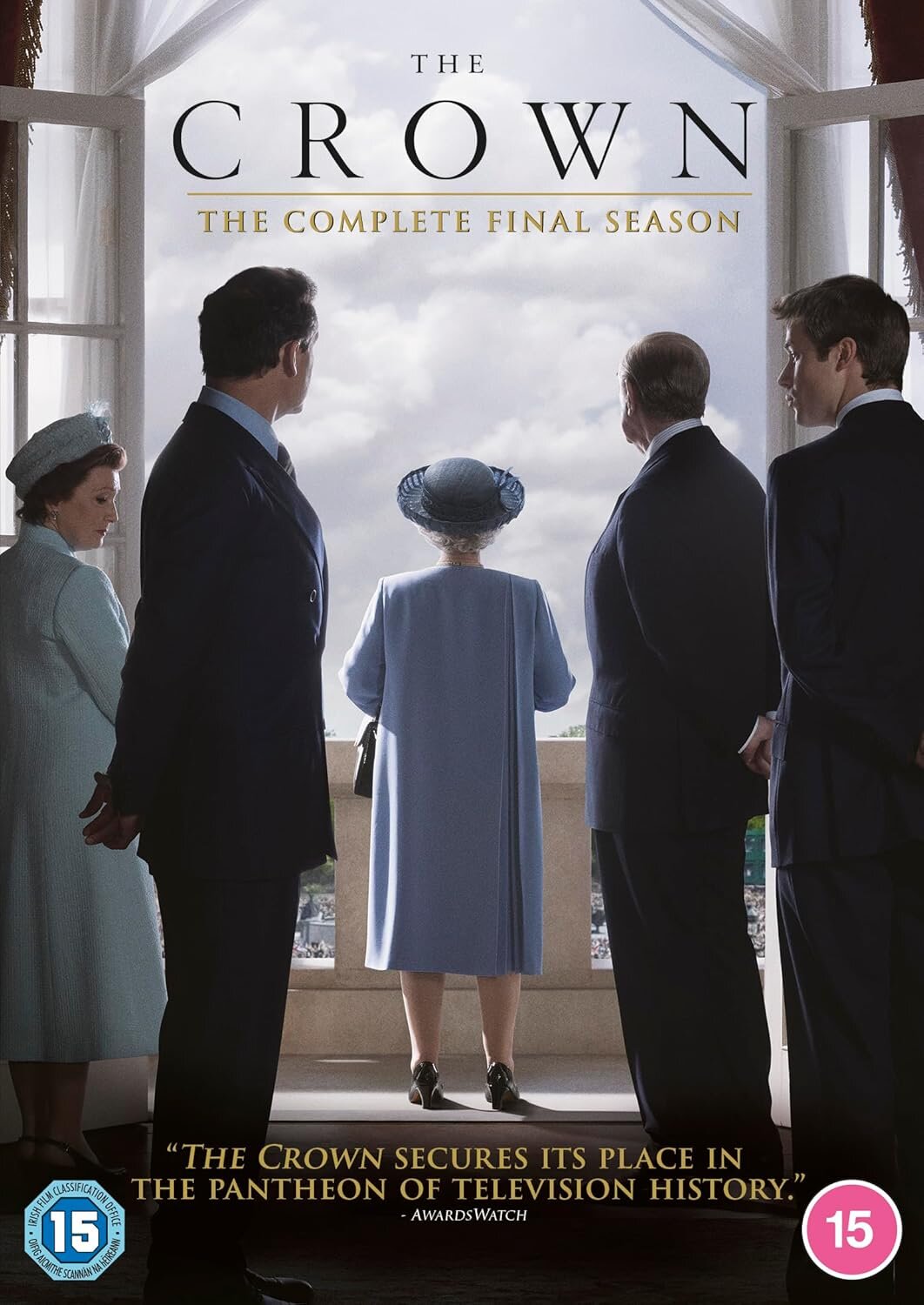
The Crown2016
For the appetite Henry V feeds — English monarchy as spectacle and myth-making — this glossy, obsessive prestige series scratches the same itch across decades rather than a single reign.
But It's a huge, multi-season commitment, and its tone is soap-operatic melodrama rather than Shakespearean verse.
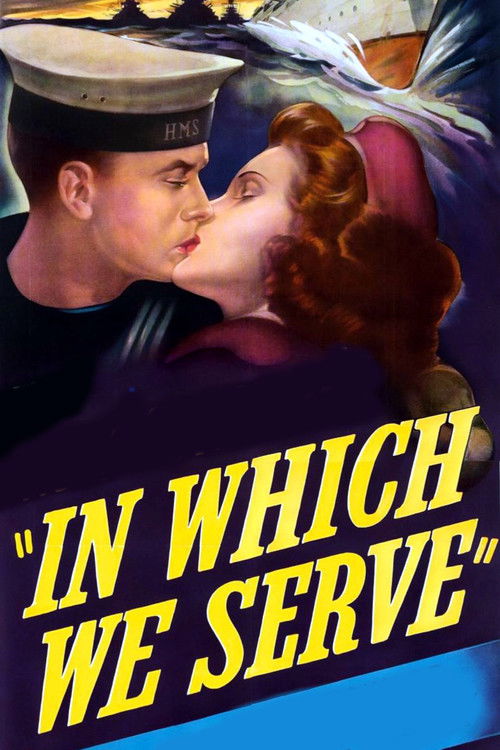
In Which We Serve1942
Both films were made as deliberate propaganda to hearten Britain mid-war; this one does it with contemporary naval tragedy instead of costumed history, showing the machinery of morale-building from the other side of the same conflict.
Noël Coward's own wartime morale-booster, made two years before Henry V and for the exact same purpose — steadying a nation under bombardment, this time through a sinking Royal Navy destroyer instead of a medieval battlefield.
But It's quieter and more restrained than Henry V's Technicolor bravado, a stiff-upper-lip drama rather than a rousing spectacle.
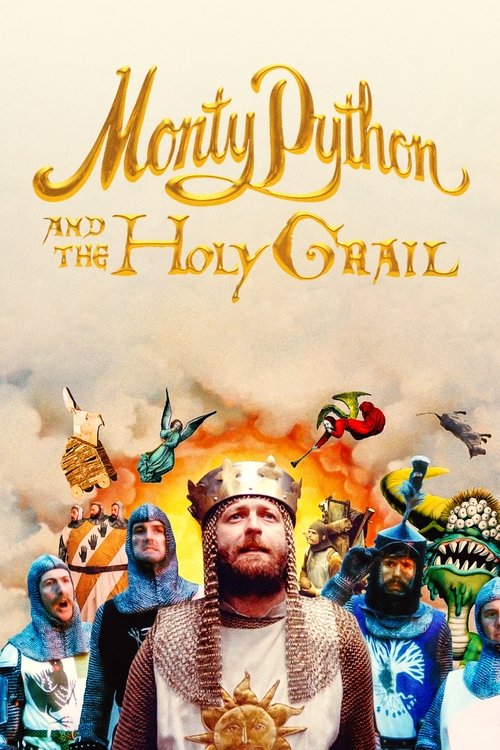
Monty Python and the Holy Grail1975
It takes the very rhetoric of divine kingship and heroic warfare that Henry V plays completely straight and mercilessly punctures it — the mirror image of Olivier's pageant, mocking the myth instead of building it.
The same medieval England, the same chivalric rhetoric, the same French wars — except here every noble speech collapses into absurdity, and the horses are coconuts.
But It's silly, scrappy comedy with almost no plot momentum — nothing like Henry V's solemn grandeur, by design.
People
Cast
 Laurence OlivierKing Henry
 Renée AshersonPrincess Katherine
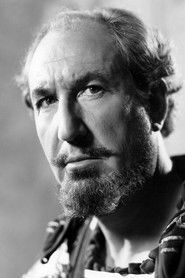 Ralph TrumanMountjoy - The French Herald
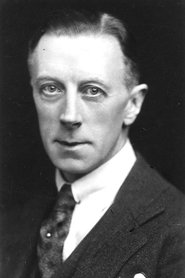 Ernest ThesigerDuke of Berri - French Ambassador
- Frederick CooperCorporal Nym
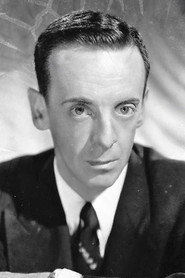 Robert HelpmannBishop of Ely
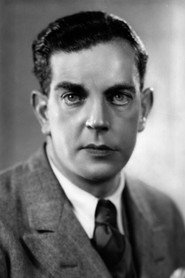 Leslie BanksChorus
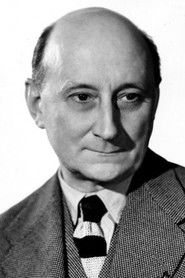 Felix AylmerArchbishop of Canterbury
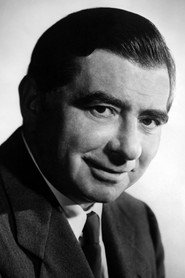 Robert NewtonAncient Pistol
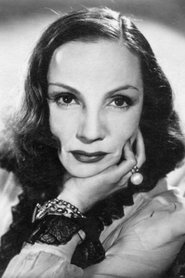 Freda JacksonMistress Quickly
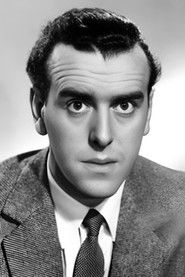 George ColeBoy
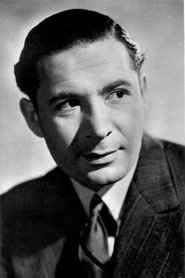 Leo GennThe Constable of France
Directing
- Vincent PermaneAssistant Director
- Laurence OlivierDirector
Writing
- William ShakespeareTheatre Play
- Alan DentWriter
- Dallas BowerWriter
- Laurence OlivierWriter
Production
- Dallas BowerAssociate Producer
- Herbert SmithExecutive Producer
- Filippo Del GiudiceProducer
- Laurence OlivierProducer