
Film
Cromwell
A 1970 historical drama about Oliver Cromwell's reluctant rise from farmer to military leader during the English Civil War. Richard Harris brings intensity to a man caught between conscience and ambition, while Alec Guinness's Charles I is tragic and doomed. It's a film about power, faith, and the cost of revolution—thoughtful rather than bombastic, with real political texture beneath the period drama.
Should you watch it?
Watch it if you like period dramas built on talk, where conviction and political argument carry the tension more than battles, and a solemn, handsome look at a man who becomes a revolutionary.
Skip it if you need brisk pacing or a light touch, since this runs 140 minutes of stately, wordy scenes at a deliberate pace.
What it asks of you: Its shape is unhurried and long, built from formal argument and slow-gathering dread, so most of its 140 minutes ask for steady attention to dense dialogue.
Not sure? Find tonight's pick in a minute.
If you liked this
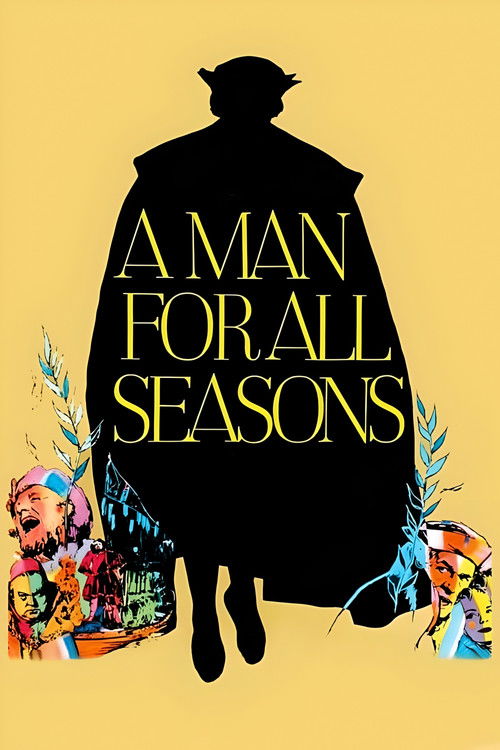
A Man for All Seasons1966
Like Cromwell, it traces one man's moral journey through religious and political upheaval, anchored by a towering lead performance and intelligent dialogue that treats its audience as adults capable of following complex ideas.
But The pacing is deliberate and theatrical, sometimes prioritizing debate over drama. If you need constant action, this will feel like watching a very well-acted stage play.
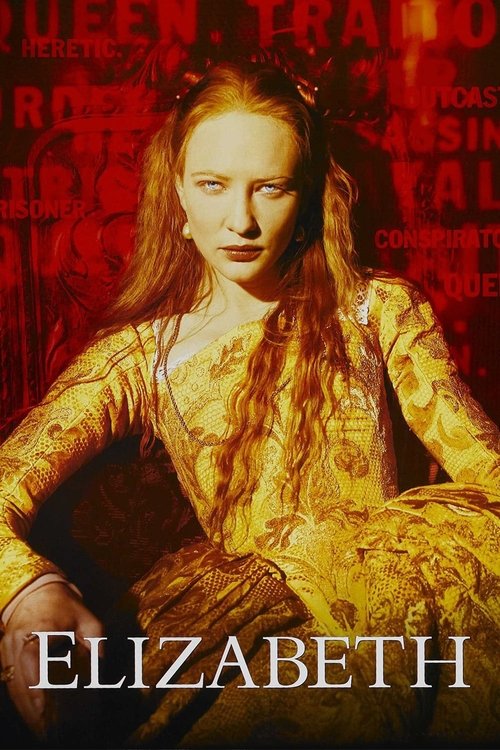
Elizabeth1998
It captures the same moment in English history from the opposite angle, with fierce intelligence about power, religion, and the price of leadership. Cate Blanchett and Geoffrey Rush deliver career-best work in a film that's both epic and intimate.
But The 90s aesthetic sometimes undercuts the period setting. Some plot threads feel rushed, and it prioritises spectacle over the nuanced political thinking you get in Cromwell.
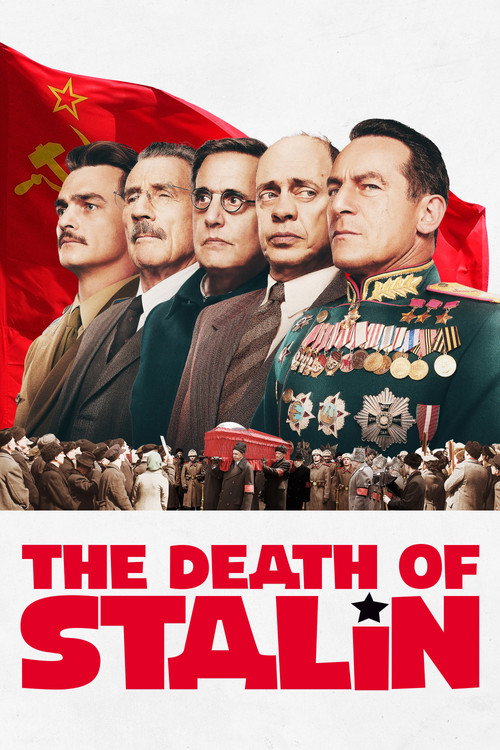
The Death of Stalin2017
Another film about violent ideological upheaval and the men who seize power in its wake. Shot in black and white, darkly funny, and completely gripping—it shows how revolution devours its architects and idealists alike.
But It's Soviet-era satire, not English history, which might feel like a tonal departure. The dark comedy won't appeal if you want straightforward historical gravitas.
Not sure tonight? Get a pick in a minute, starting from Cromwell
The wildcard
Something you would not have found on your own.
The Act of Killing2012
Both are about men who became instruments of violence while believing they acted for principle. Both ask: how do ordinary men justify extraordinary cruelty? Both refuse easy answers.
A documentary that does something almost no film does: it lets men who committed mass atrocities in Indonesia's 1960s purges direct dramatisations of their own murders. It's unbearably tense and philosophically devastating—a profound meditation on power, justification, and how revolutions devour themselves.
But It's extremely difficult to watch: not gory, but morally nauseating. The pacing is glacial. It demands you sit with discomfort rather than offering any catharsis or resolution.

More like this (6)
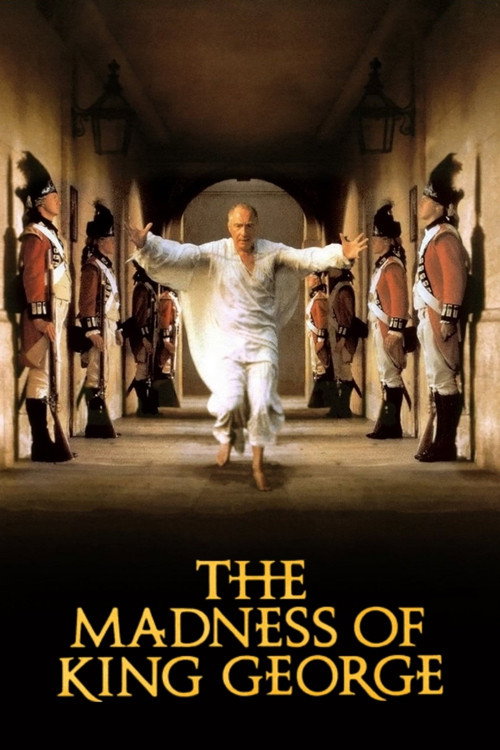
The Madness of King George1994
A brilliant film about a monarch losing power, written by Alan Bennett with surgical wit. It understands how politics corrupts, how illness destabilises rule, and how those around a king exploit his weakness—all themes Cromwell explores from the opposite side.
But It's comedic in tone, sometimes to the point of farce. If you prefer your history played straight, the humour might feel trivializing of serious events.
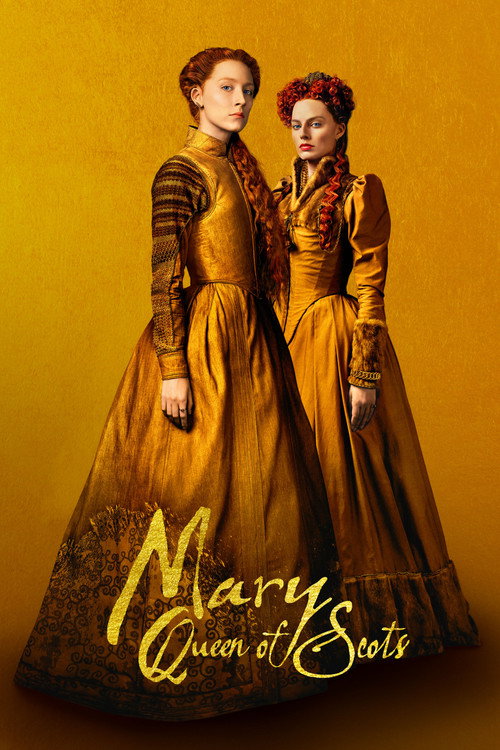
Mary Queen of Scots2018
Visually stunning and morally complex, it shows another Protestant-Catholic conflict through the eyes of two queens trapped by history and ideology. The performances are fierce and the film asks real questions about power and gender.
But The historical liberties are significant and sometimes distracting. The pacing is uneven, and it occasionally favours visual spectacle over the kind of political clarity Cromwell offers.
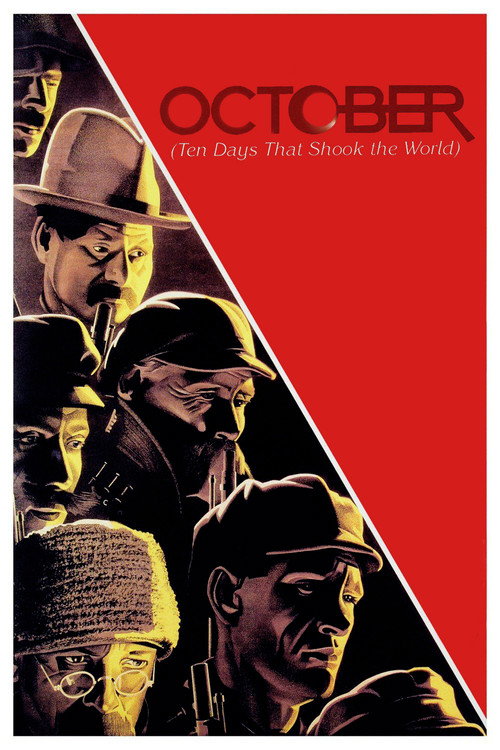
October (Ten Days that Shook the World)1928
Eisenstein's silent masterpiece about the Russian Revolution uses montage to capture the chaos and moral complexity of violent upheaval. It's formally thrilling and fundamentally about the same question: what does revolution cost?
But It's silent and nearly a century old, which is a real barrier. The Soviet propaganda elements are overt, and the formalism can feel alienating if you're used to conventional narrative.
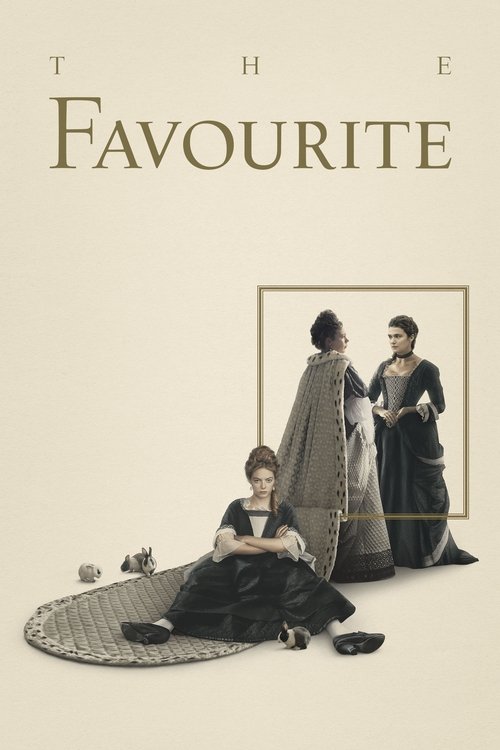
The Favourite2018
A darkly comic film about power, manipulation, and personal relationships at court during another English royal moment. Yorgos Lanthimos brings anarchic energy to questions about who actually holds power and why.
But It's anarchic and sometimes crude, prioritising mood and style over historical accuracy. The tonal whiplash between comedy and cruelty might feel gratuitous rather than revelatory.
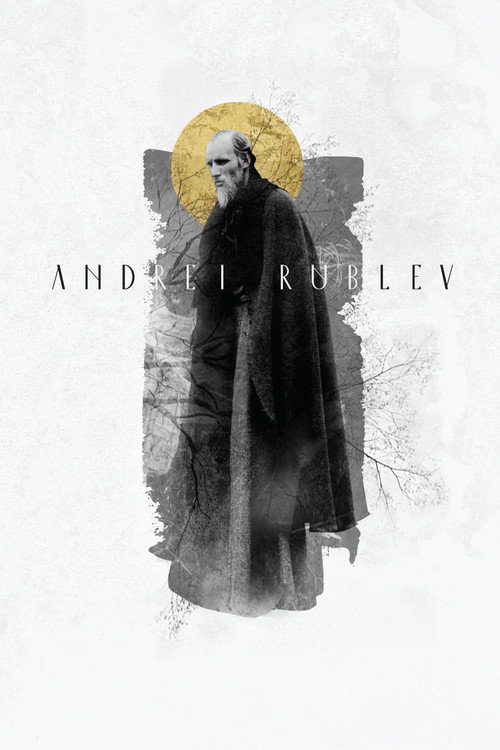
Andrei Rublev1966
Like Cromwell, it's about a man of conscience navigating a world where faith and power are violently intertwined. But where Harris's Cromwell acts and fights, Rublev withdraws into silence—it's the spiritual inverse.
Tarkovsky's masterpiece about a medieval Russian icon painter during violent religious upheaval. Shot in black and white with long, hypnotic takes, it's meditative rather than dramatic—a film about art, faith, and conscience during tyranny that moves at the speed of thought.
But It's nearly three hours of deliberately slow cinema with minimal plot. Long static shots of landscapes and faces will bore anyone wanting conventional narrative momentum. Not a film you watch; a film you endure or surrender to.
Come and See1985
Both explore how idealism curdles into brutality, and how revolution and war transform men. But where Cromwell is about power and ambition, Come and See is about innocence destroyed—it shows you what the other side of Cromwell's war looks like.
A Soviet film about a teenage boy conscripted into a partisan unit during WWII. It's visually extraordinary and morally shattering—a film that doesn't depict the cost of war so much as embody it. One of cinema's most important films about what violence actually does to the human spirit.
But It's relentlessly dark and genuinely traumatic. There are scenes of real animal cruelty (unavoidable in the context). Not a film for escapism; it demands something from you and doesn't pretend otherwise.

People
Cast
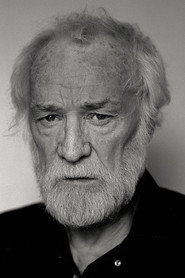 Richard HarrisOliver Cromwell
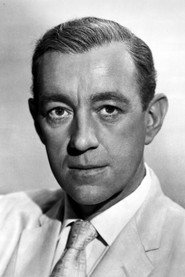 Alec GuinnessKing Charles I
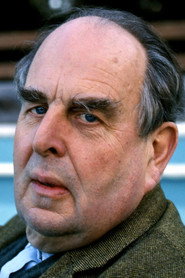 Robert MorleyThe Earl of Manchester
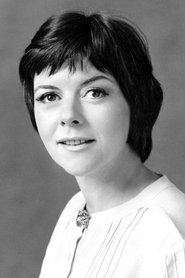 Dorothy TutinQueen Henrietta Maria
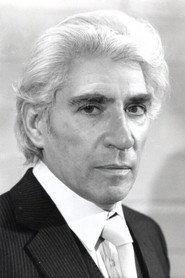 Frank FinlayJohn Carter
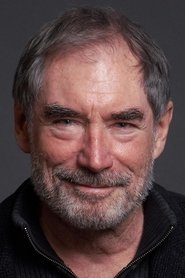 Timothy DaltonPrince Rupert
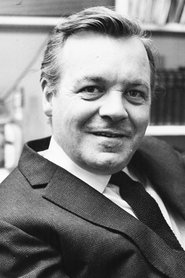 Patrick WymarkThe Earl of Strafford
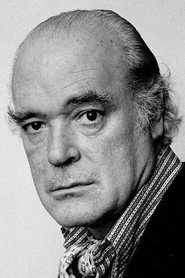 Patrick MageeHugh Peters
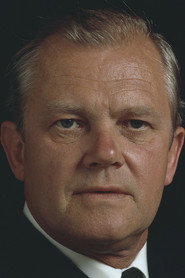 Nigel StockSir Edward Hyde
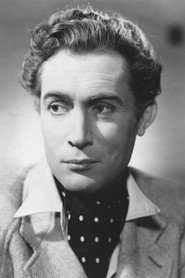 Patrick HoltCaptain Lundsford
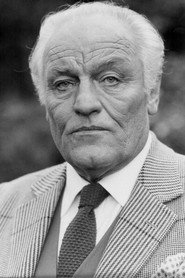 Charles GrayThe Earl of Essex
 Michael JaystonHenry Ireton
Directing
- Ted SturgisAssistant Director
- Ken HughesDirector
Writing
- Ken HughesScreenplay
Production
- Andrew DonallyAssociate Producer
- Maude SpectorCasting
- Irving AllenProducer
- Vicki DeasonProduction Secretary
Recommended by
The First Churchills, Henry V, Witchfinder General, Don Carlos