
Film
Don Carlos
Rainer Werner Fassbinder's 1984 adaptation of Schiller's towering political tragedy. A dense, theatrical exploration of power, desire, and idealism set in Philip II's Spain, where a prince's forbidden love becomes entangled with court intrigue and the clash between absolutism and enlightenment. For viewers hungry for cinema that thinks as hard as it feels.
Should you watch it?
Watch it if you love stage-bound verse drama where the talk is the action, with rival loyalties and friendships argued out in palace rooms.
Skip it if you want screen-native pace and visual sweep; this is a stage play carried by its verse, talky and formal, so the image mostly serves the speeches.
What it asks of you: Its shape is slow and grave: long formal speeches, arguments that accumulate, and a steady darkness that rewards close listening over mood.
Not sure? Find tonight's pick in a minute.
If you liked this
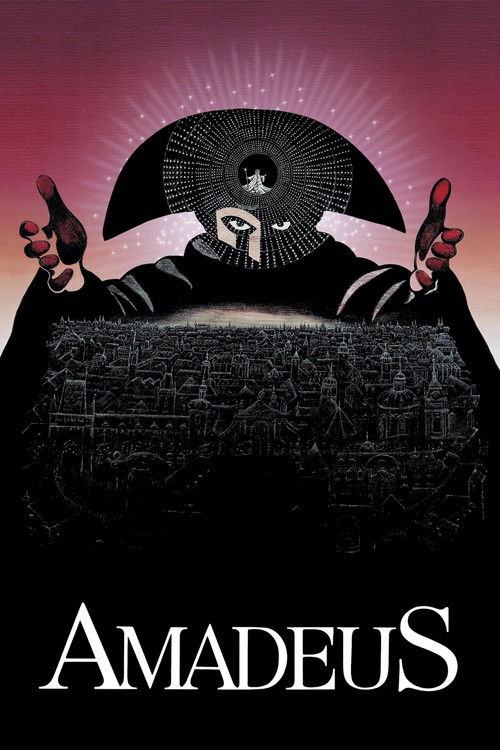
Amadeus1984
Another grand historical drama about genius and power, built on the collision between art and politics, between enlightened vision and jealous authority. Offers the same intoxicating blend of spectacle and psychological depth.
But It's nearly three hours, reverential in tone, and the central conceit—that mediocrity destroyed Mozart—has aged into something closer to kitsch than tragedy.
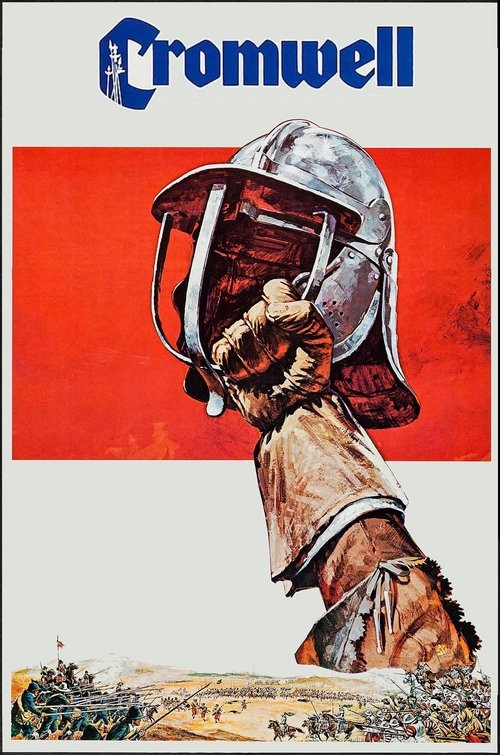
Cromwell1970
Epic political drama wrestling with revolution, ideology, and the cost of conviction. Like Don Carlos, it's fascinated by the men who stand against the machinery of state and what that defiance costs them personally.
But The 1970 filmmaking can feel stiff and the dialogue occasionally sounds like a history lesson rather than lived speech.
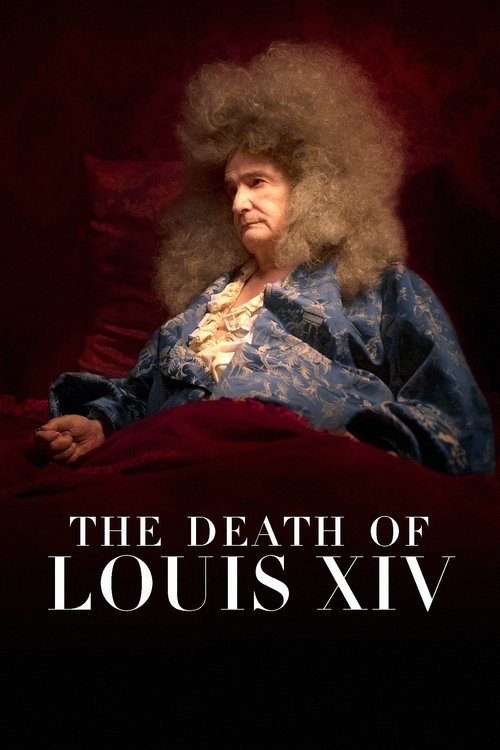
The Death of Louis XIV2016
Luchino Visconti's intimate portrait of absolute power in its final moment—similar emotional and intellectual registers to Fassbinder, exploring monarchy and mortality with baroque intensity and visual precision.
But Very slow, very deliberate, confined mostly to chambers and sickbeds. Not a drama of action but of watching and waiting.
Not sure tonight? Get a pick in a minute, starting from Don Carlos
The wildcard
Something you would not have found on your own.
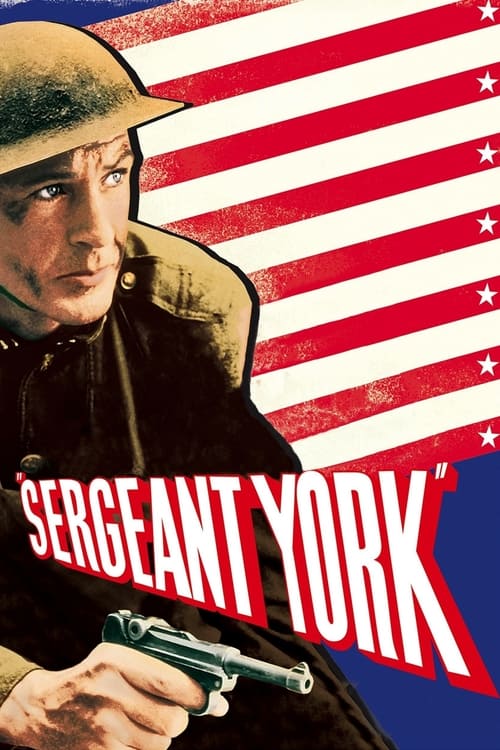
Sergeant York1941
Both pit personal integrity against the machinery of state power. Both are ultimately about the cost of defiance and the loneliness of principled stands.
Hawks's American military drama and character study, built on the same tension Don Carlos explores: the clash between individual conscience and institutional authority, between what you believe and what your nation demands. A profoundly different register—populist, muscular, American—but structurally and morally aligned.
But A 1941 Hollywood film about war heroism will feel propagandistic to modern eyes; the ideology is sometimes blunter than the art beneath it.
More like this (4)
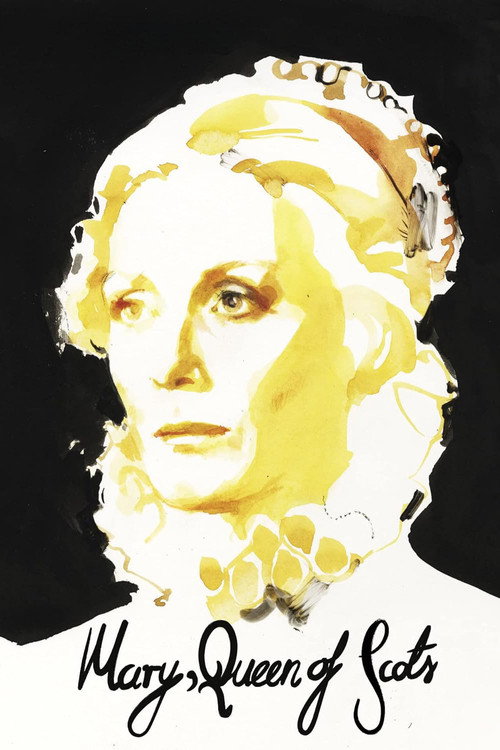
Mary, Queen of Scots1971
Visconti again—another immersion in European court politics, religious conflict, and the powerlessness of even queens. Similar visual grandeur and moral complexity, exploring how personal tragedy mirrors political collapse.
But The 1970s look may feel distant, and some of the historical liberties are significant enough to distract if you know the period well.
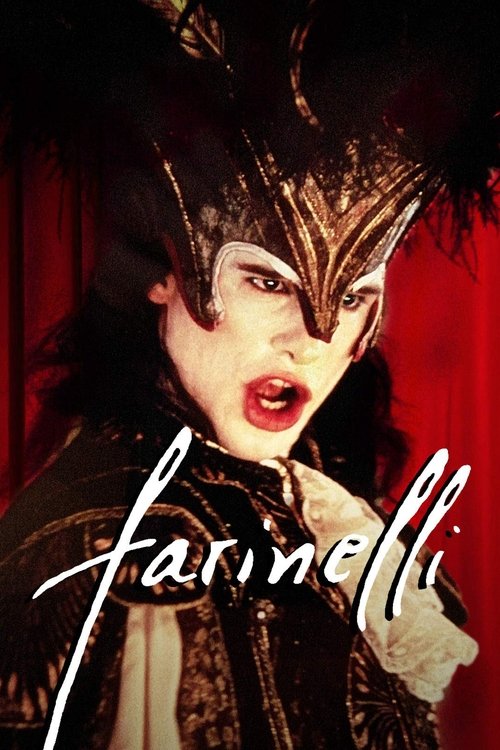
Farinelli1994
A baroque drama about art, power, and ambition in 18th-century courts. Like Don Carlos, it uses historical setting to explore how genius and desire collide with rigid hierarchies and political machinery.
But The operatic tone isn't for everyone, and some will find the focus on performance rather than plot frustratingly abstract.
Dekalog1989
Both artists are fascinated by the gap between what law demands and what conscience requires. Both use elaborate, nearly allegorical scenarios to explore that gap.
Kieślowski's ten-hour miniseries on Polish television, a meditation on law, morality, and the space between them—Fassbinder's exact preoccupation. Shares his philosophical intensity and his refusal of easy answers. A masterpiece in a wholly different form.
But Ten one-hour episodes demand real commitment. The mode is contemplative rather than dramatic; plot takes a back seat to moral philosophy.
The Turin Horse2011
Both artists refuse to separate beauty from suffering. Both believe cinema's task is to witness the full weight of human tragedy without flinching or offering comfort.
Béla Tarr's final film—a bleak, austere meditation on the end of things, on futility and persistence in a world where meaning collapses. Shares Fassbinder's baroque sensibility and his conviction that cinema must reckon with the deepest human despair.
But Nearly wordless, in black and white, 155 minutes long, ending in apocalypse. It is one of the most punishing films ever made by a major artist.

People
Cast
- Rolf BoysenPhilipp II., König von Spanien
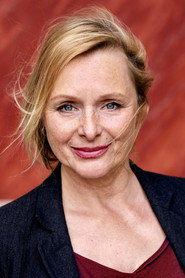 Marita MarschallElisabeth von Valois, seine Gemahlin
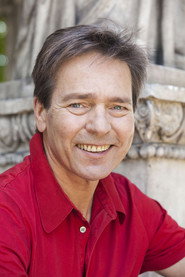 Jacques BreuerDon Carlos, der Kronprinz
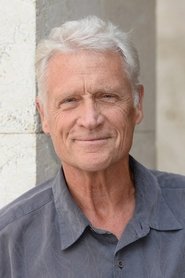 Robert AtzornMarquis von Posa, ein Malteserritter
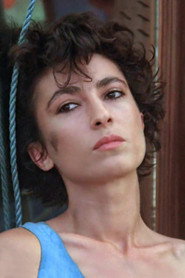 Renan DemirkanPrinzessin von Eboli
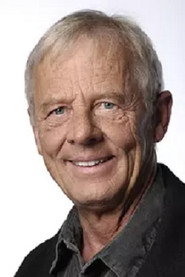 Rolf BeckerHerzog von Alba
 Walter RenneisenDomingo, Beichtvater des Königs
- Ingrid ReschHerzogin non Olivarez
 Sabine von MaydellMarquisin von Mondekar
 Heinz SchimmelpfennigGraf von Lerma
 Karl-Heinz von HasselHerzog von Medina Sidonia, Admiral
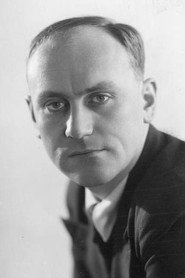 Bernhard MinettiGroßinquisitor
Directing
- Franz Peter WirthDirector