
Television series
Dekalog
- Social drama
- Very dark
- Slow-burning
- Dip in and out
Ten one-hour films, one for each commandment, set in a single grim Warsaw housing block during communism's final years. Kieślowski strips away plot mechanics for moral physics — small choices detonate into consequence, filmed with an almost frightening patience. It's not preachy; it's forensic. Watch it slowly, an episode a night, and let the ambiguity sit. For anyone who wants television that argues with itself rather than resolves.
Should you watch it?
Watch it if you want ordinary lives in a Warsaw housing estate examined with patient, almost clinical attention, and you enjoy stories where a moral question gets turned over slowly until it feels personal.
Skip it if you need each episode to move briskly or want a tidy, resolved story; these are slow, bleak-leaning chamber pieces that often refuse to explain themselves.
What it asks of you: Ten roughly hour-long sittings of long, still takes and sparse dialogue, so it asks for patience across the whole run rather than in bursts.
Not sure? Find tonight's pick in a minute.
If you liked this
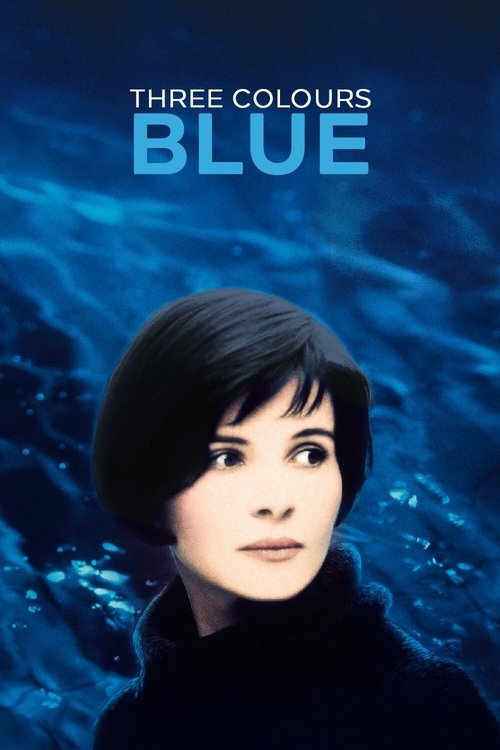
Three Colors: Blue1993
Kieślowski's other great achievement, made right after Dekalog — same interest in coincidence and conscience, but glossier, warmer, and shot by three of the finest cinematographers of the era.
But It's melodrama by comparison — more colour, more music, less of the flat grey austerity that makes Dekalog feel so unnervingly real.
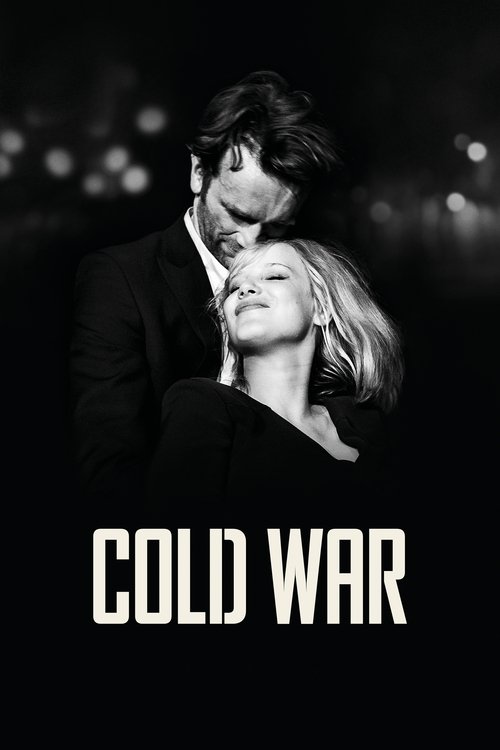
Cold War2018
Same Polish landscape of compromise under communism, told through a doomed love affair in gorgeous black and white — Kieślowski's moral seriousness with a romantic engine.
But Only 89 minutes — if you want Dekalog's slow accumulation of detail, this feels almost too tightly wound.
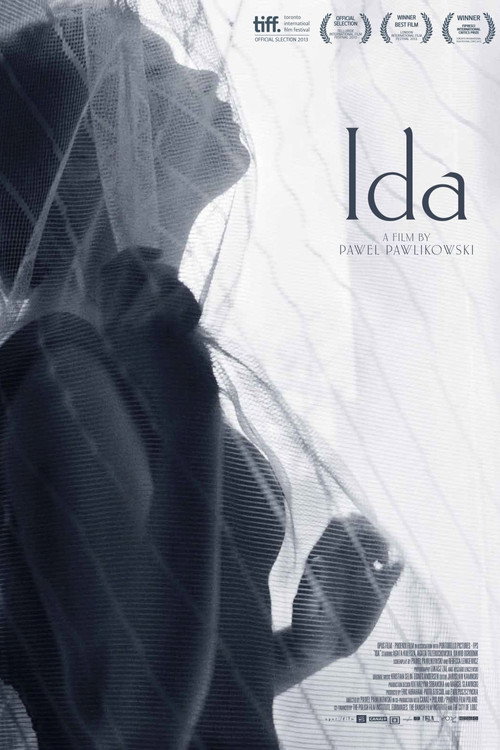
Ida2013
A novice nun discovers a buried family secret in 1960s Poland — quiet, exact, morally unresolved in exactly the way Dekalog refuses easy verdicts.
But Even sparer than Kieślowski; some will find its stillness closer to a held breath than a story.
Not sure tonight? Get a pick in a minute, starting from Dekalog
The wildcard
Something you would not have found on your own.
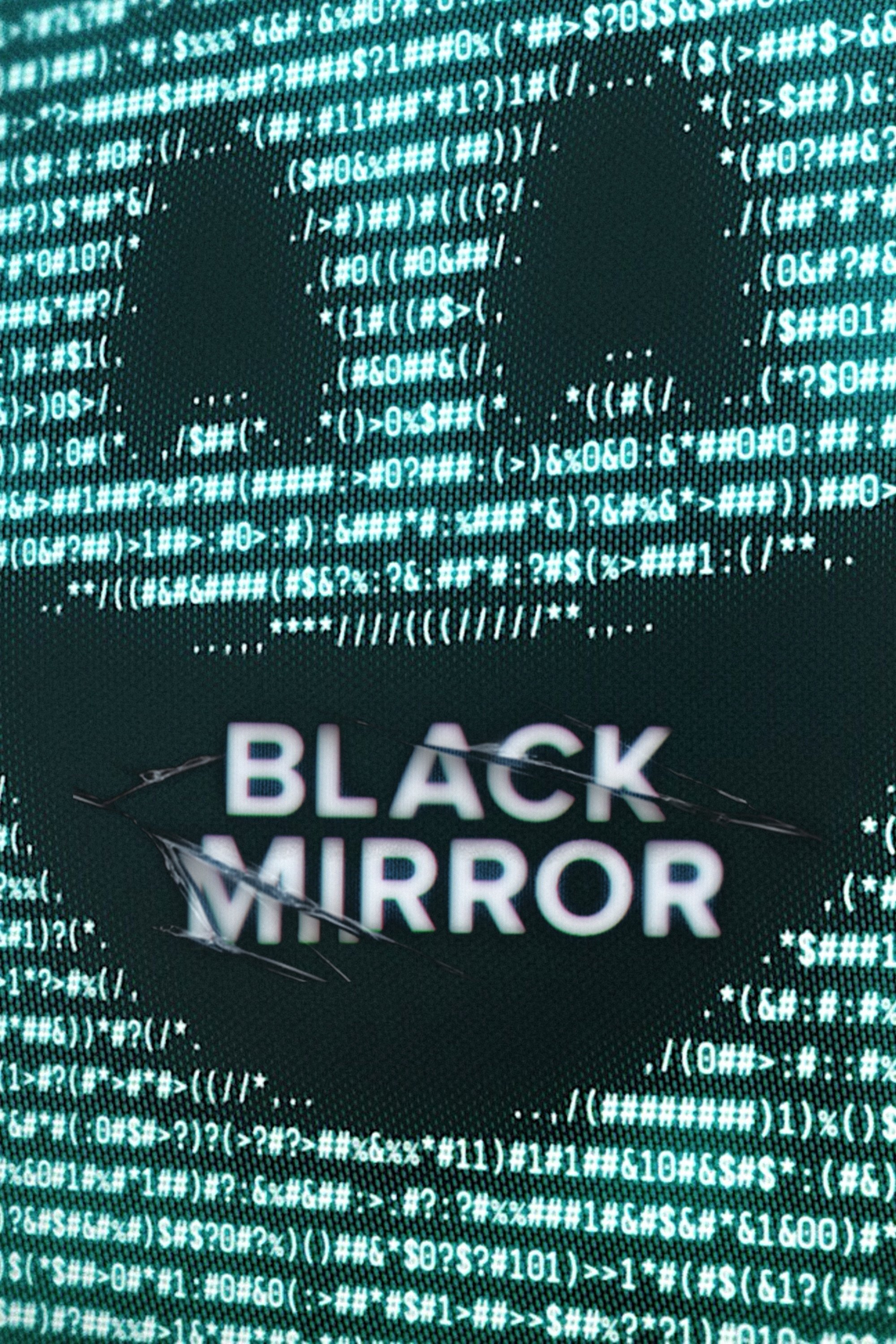
Black Mirror2011
Both are anthologies built around a single ethical fulcrum per episode — Dekalog asks what a commandment costs you, Black Mirror asks what a screen does; same architecture, wildly different century.
Same DNA as Dekalog — self-contained episodes, each one a moral trap sprung by an ordinary decision — but relocated to near-future technology and pitched for maximum unease.
But Slicker, twistier, often nastier for effect; the moral questions can feel like set-ups for a gut-punch ending rather than genuine ambiguity.
More like this (8)
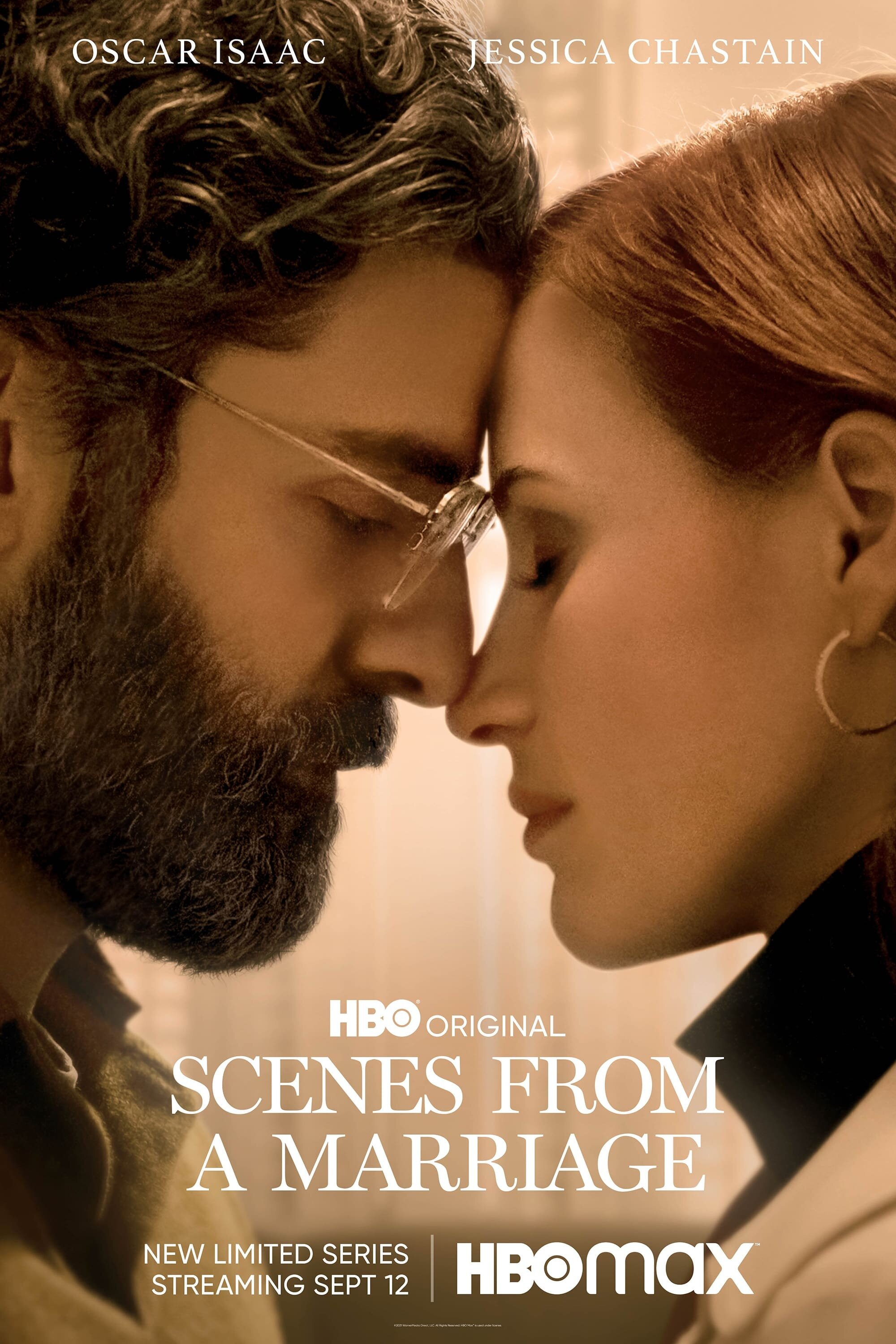
Scenes from a Marriage2021
Bergman's own anthology-adjacent dissection of a relationship, made for Swedish television — the same unflinching close-up on ordinary people making irrevocable decisions.
But It's two people talking for hours, not ten separate moral traps — a much narrower canvas.
Winter Light1963
A pastor loses his faith over one bleak day — Bergman at his most Kieślowski-like, treating doubt and duty as matters of life and death.
But Barely 80 minutes of Lutheran despair; punishing rather than consoling, and deliberately so — some will find it airless.

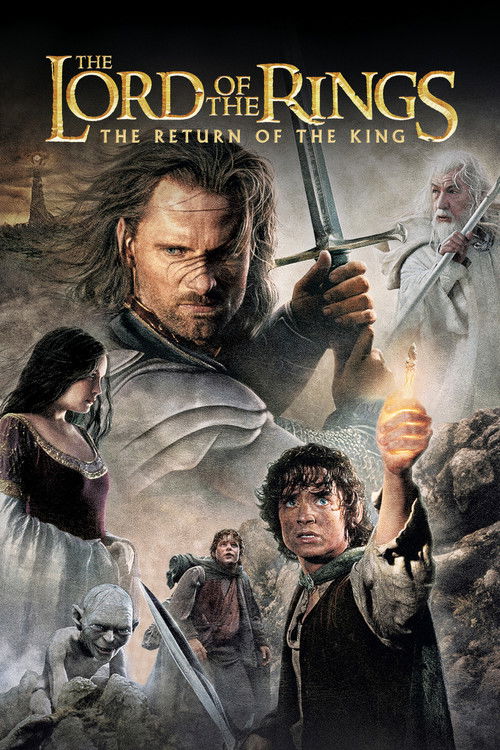
The Lord of the Rings: The Return of the King2003
Two Russian brothers and the father who reappears after years away — the same interest in how ordinary choices become tests of character, shot with icy patience.
But Ambiguous to the point of frustration; it withholds explanation as a matter of principle, and some viewers won't forgive that.
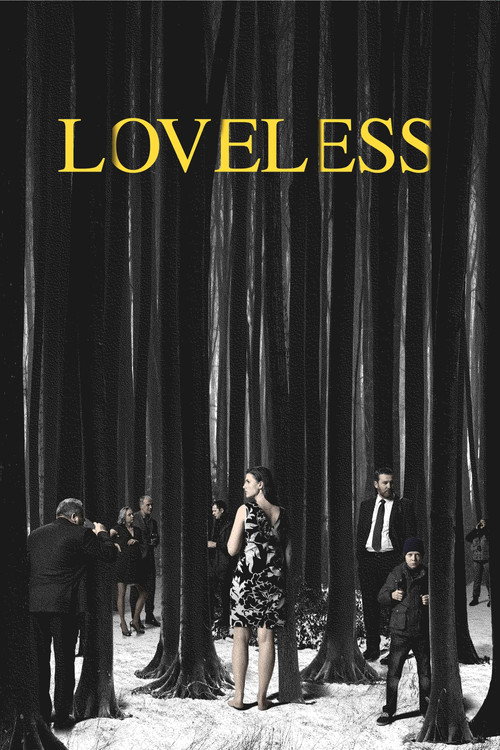
Loveless2017
A missing child forces two selfish parents to confront who they actually are — bleak, exact, and morally furious in a way Dekalog would recognise.
But Almost unremittingly bleak, and its people are hard to love — some will find it punishing without payoff.
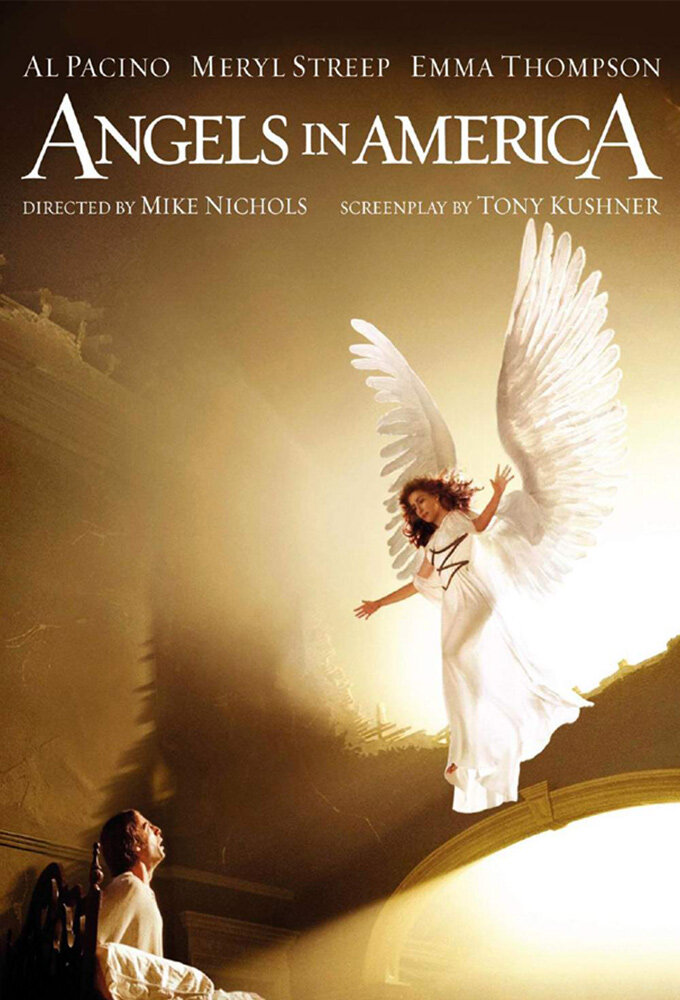
Angels in America2003
A sprawling, six-hour moral reckoning with faith, politics, and mortality during the AIDS crisis — proof the anthology-of-conscience format can carry huge emotion as well as small ones.
But Theatrical and heightened where Dekalog is spare — magical realism and monologues instead of quiet naturalism.
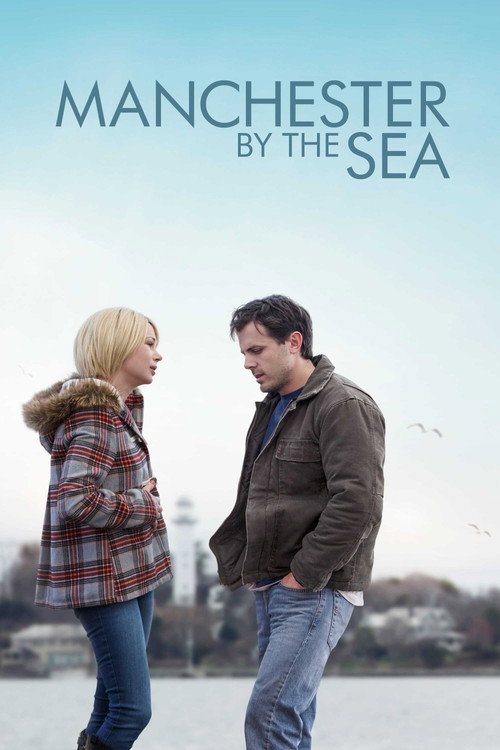
Manchester by the Sea2016
Grief and guilt examined with the same patience and refusal to resolve neatly — a very American cousin to Dekalog's interest in the weight of past action.
But One story instead of ten; less structurally ambitious, and more conventional in its emotional beats overall.
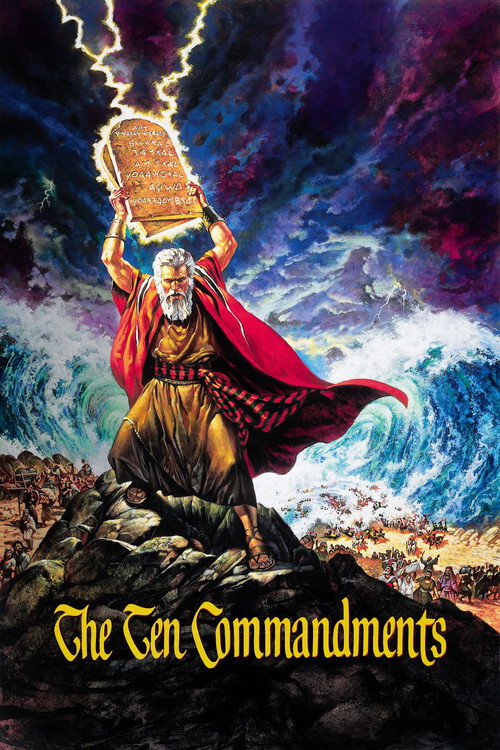
The Ten Commandments1956
Literally the same source text. Kieślowski asked what happens when ordinary people quietly fail these laws; DeMille shows the laws being handed down in thunder and special effects — same commandments, opposite instincts.
Cecil B. DeMille's biblical epic, three and a half hours of parted seas and booming voiceover — the same ten laws, treated as spectacle instead of interrogation.
But It's Hollywood maximalism with zero ambiguity — everything Dekalog withholds, this hands you on a tablet, literally.
The Act of Killing2012
Both use staged reenactment to ask what a person becomes when forced to look at their own choices; Dekalog fictionalises the confrontation, this film makes real killers perform it, and the discomfort is the point in both.
Indonesian death-squad leaders are invited to re-enact their killings on camera — documentary as moral confrontation, forcing perpetrators to stage their own conscience the way Dekalog stages fictional ones.
But Considerably more disturbing and factually grounded — this isn't a moral puzzle, it's real atrocity performed by real killers, and it doesn't offer any comfort.

Recommended by
Cloud Atlas, La Ronde, Maleficent, The Man Who Killed Don Quixote, Dangerous Beauty, Jim Henson Idea Man, The Unbearable Lightness of Being, Three Colors: Red, Man of Marble, Three Colors: Blue, Gangs of Wasseypur - Part 1, The Midnight Club, Summer with the gentleman, A Short Film About Love, Run of the Arrow, A Handful of Dust, Chikamatsu Monogatari, Waterlife, A Gentleman in Moscow, Tatsumi, The Pied Piper, Naseeb, Love and Death, Nasty Habits, Prodigal Son, Samskara, Mindwalk, Let My People Go !, Codependent Lesbian Space Alien Seeks Same, Fakira, Così fan tutte, Tove, Donkey Skin, Looney Tunes Golden Collection, Vol. 1, Sword of Freedom, Grande de España, Doctor Faustus, Keeping the Faith, The Wormwood Star, Don Carlos, Kara Para Aşk, The Nature of Existence, Rivals, The Passage