
Film
A Handful of Dust
A Handful of Dust is a masterclass in elegant cruelty. Evelyn Waugh's novel becomes a film that watches an ordinary man's world collapse with formal composure, never looking away. James Wilby's Tony Last is betrayed by everyone he trusts, in the cruelest possible ways. It's devastating, beautifully made, and absolutely unsparing about how the rich destroy each other.
Should you watch it?
Watch it if you enjoy cool, precise social satire where polite English manners hide cruelty, and you don't mind a protagonist you pity more than you like.
Skip it if you need brisk plotting or warmth from the characters, since almost everyone here is vain, careless or cold, and much of it lingers over country-house leisure.
What it asks of you: Its 118 minutes move at a measured, unhurried pace, with dry humour that stays quiet and lets silences and sidelong glances carry the weight.
Not sure? Find tonight's pick in a minute.
If you liked this
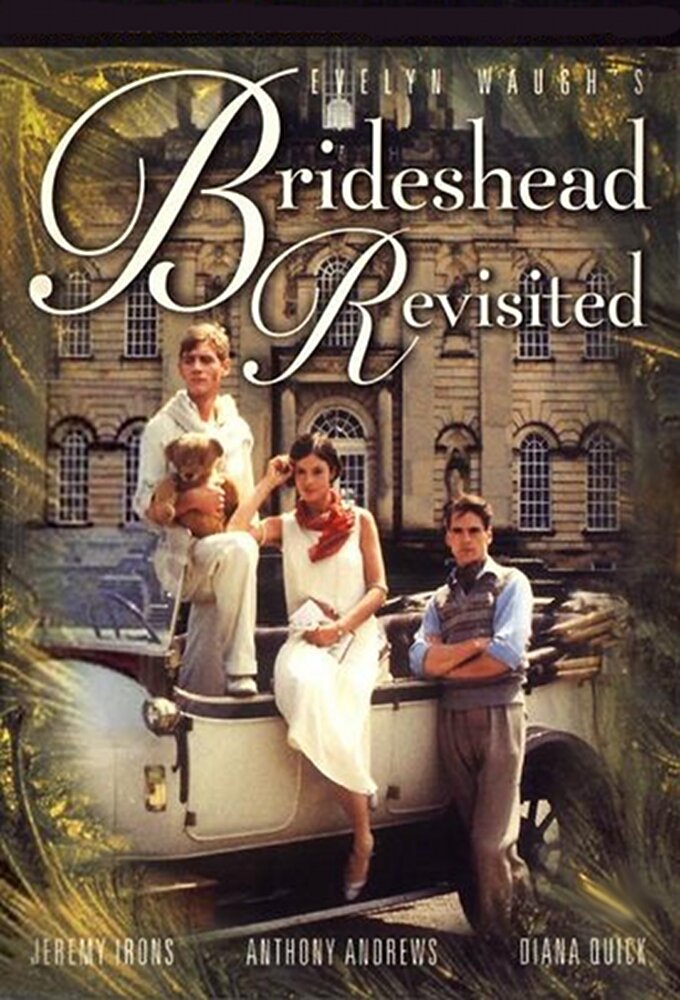
Brideshead Revisited1981
Another Waugh adaptation with the same exquisite eye for decay, class, and the beautiful people who ruin lives. It has that same ache—watching privilege corrode from the inside.
But It's a miniseries from 1981, so the pacing is slow and the production values are dated by modern standards. Requires patience.
The Remains of the Day1993
Anthony Hopkins as a man who has sacrificed everything for duty and discovers, too late, that duty wasn't worth it. Quiet devastation, impeccable filmmaking, and a similar theme of trust betrayed.
But The emotional payoff is small and understated. If you need catharsis, this film withholds it deliberately.

Scoop2006
Another Waugh adaptation (The Loved One) that shares the dark comedy about aristocratic idiocy and society's hollow rituals. Lighter in tone but equally sharp about human foolishness.
But Woody Allen's direction means it's uneven and sometimes tries too hard for laughs at moments that don't warrant them.
Not sure tonight? Get a pick in a minute, starting from A Handful of Dust
The wildcard
Something you would not have found on your own.
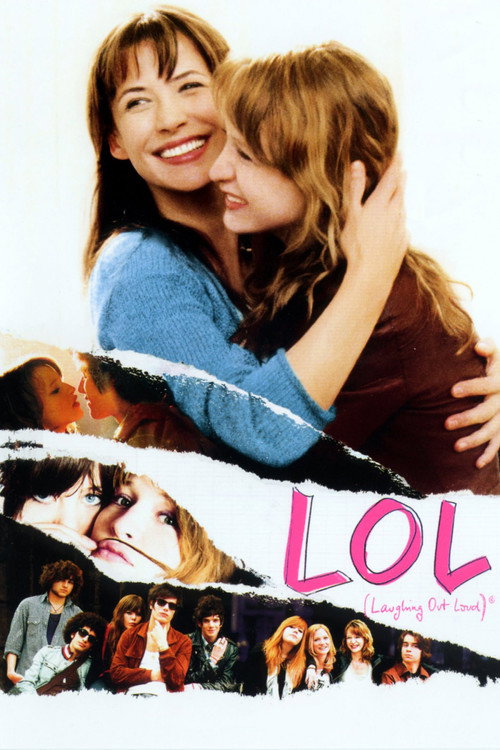
LOL (Laughing Out Loud)2009
Kristin Scott Thomas playing a different kind of woman destroyed by the casual cruelty of those around her, but this time the destroyer is her own daughter.
Kristin Scott Thomas (Brenda Last herself) in a brutal French film about teenage girls, desire, and the casual cruelty of youth. Same actress, completely different register—a shocking performance. It's about betrayal and the cold indifference of beauty, which echoes Dust.
But It's aggressively bleak, in French, and depicts adolescent sexuality in ways that make audiences deeply uncomfortable. Not entertainment; it's an endurance test.
More like this (8)
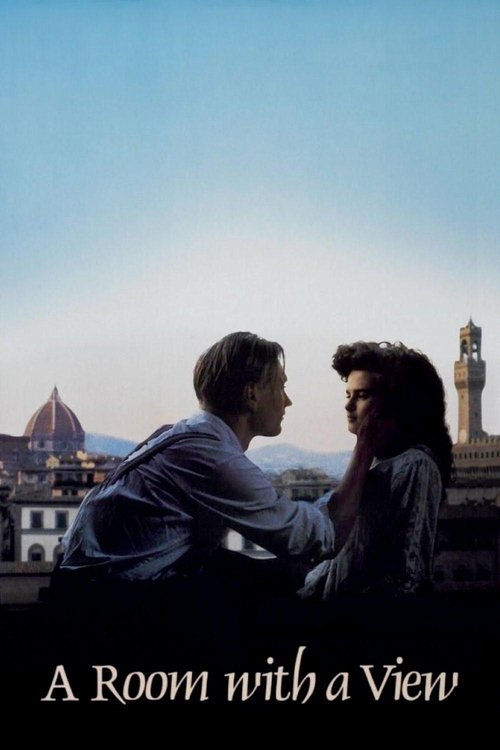
A Room with a View1986
Merchant-Ivory in their pomp, with the same attention to period detail, class dynamics, and the question of who gets to choose their own life. Beautiful and mournful.
But The romantic trajectory is almost the opposite—more hopeful—so it doesn't share the bleak worldview, just the aesthetic.
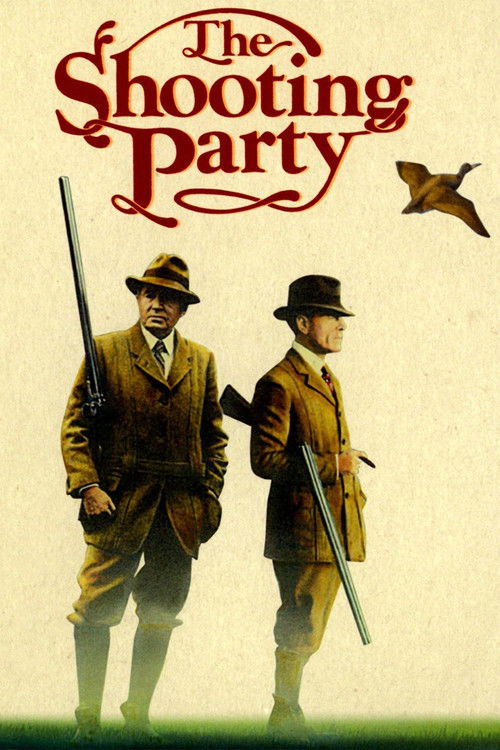
The Shooting Party1985
An English country house, a weekend gathering, class warfare simmering beneath courtesy. James Mason and John Gielgud in a film about the old order collapsing. Very similar mood.
But Obscure and rarely discussed. You'll struggle to find it, and it's slow in a way even patient viewers might find testing.
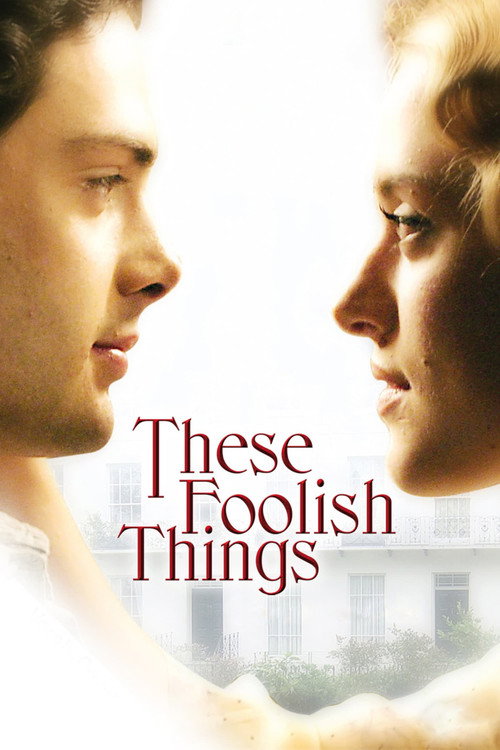
These Foolish Things2006
A country house, betrayal, marriages falling apart offstage while everyone maintains appearances. Ruth Bradley is excellent, and it captures that same sense of brittle civility.
But It's a small British film that almost no one has heard of, and it's genuinely depressing without much wit to balance it.
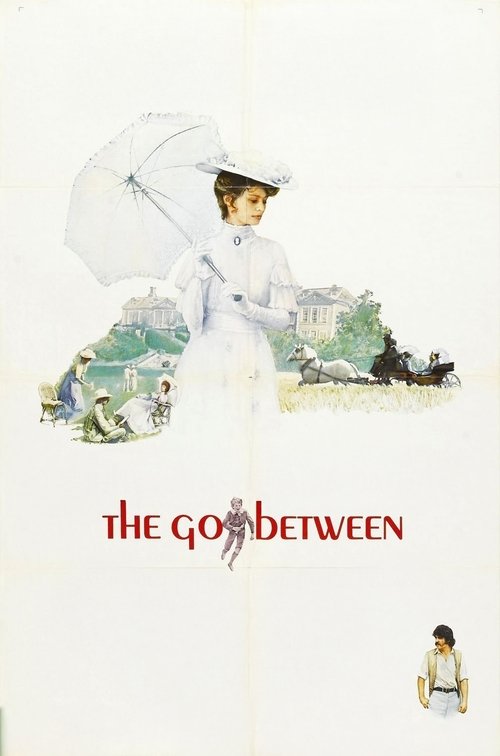
The Go-Between1971
Another period piece about a child witnessing adult betrayal and class hypocrisy. Joseph Losey's direction is glacial and gorgeous. Same DNA as Dust.
But Profoundly slow, and the emotional impact relies on you caring about people who don't care about each other.
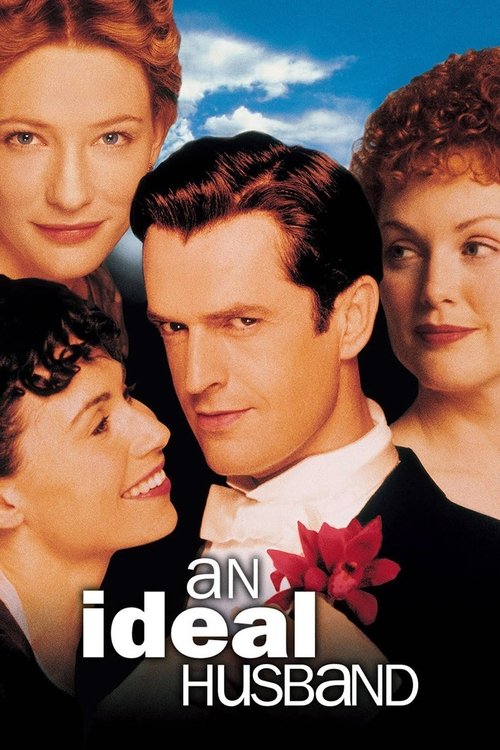
An Ideal Husband1999
Wilde's comedy adapted with Rupert Everett and Jeremy Northam. Less bleak than Dust but similar theme: marriage, secrets, the gap between how people appear and who they are.
But It's a comedy, so it resolves things, which betrays Waugh's worldview. The wit might feel like it's working against the seriousness.
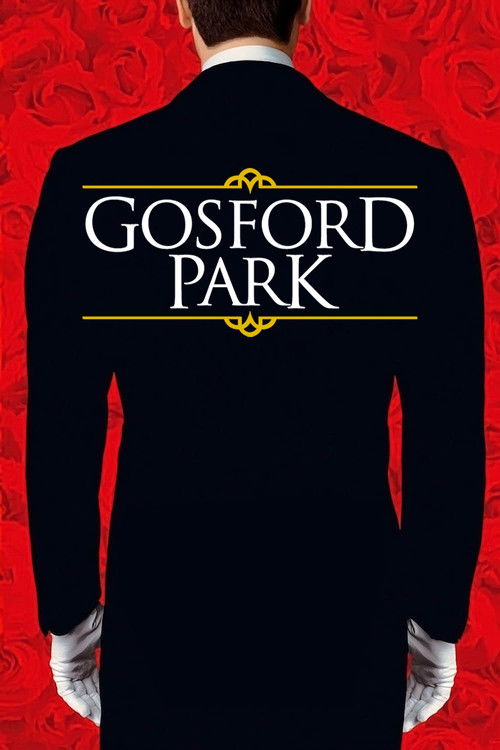
Gosford Park2001
A country house, class resentment, murder. It has Waugh's eye for the absurdity of privilege and the cruelty lurking beneath good manners.
But It's a mystery, so the structure pulls it toward resolution rather than resignation. And it can feel like it's showing off how clever it is.
Dekalog1989
Both made in the same year, both about the gap between how we think the world works and how it actually does. Both refuse easy answers.
Kieslowski's ten-hour meditation on morality, duty, and the ways people betray each other in ordinary life. No country houses, but the same question: why do good people suffer? Profound without being sentimental.
But It's Polish, slow, and existential. Each episode is standalone. Requires absolute commitment and offers no comfort.

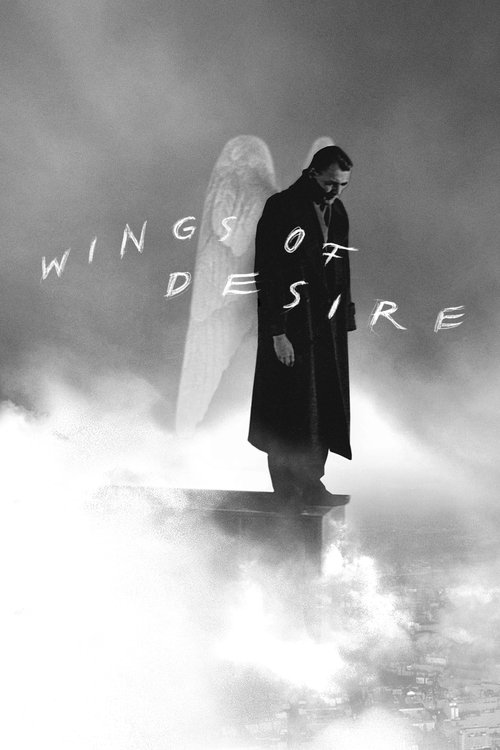
Wings of Desire1987
Both films use formal beauty as a way of intensifying despair—gorgeous cinematography watching characters who cannot save themselves.
Wim Wenders' film about angels watching Berlin, unable to intervene in human suffering. A year before Dust, but it shares something: the formal beauty watching helplessness. It's transcendent and melancholy in ways that shift how you see the world.
But It's experimental, very slow, and the narrative is almost absent. If you need plot, this is the opposite. It's a poem pretending to be a film.
People
Cast
 James WilbyTony Last
 Kristin Scott ThomasBrenda Last
 Rupert GravesJohn Beaver
 Pip TorrensJock Grant-Menzies
 Judi DenchMrs. Beaver
 Alec GuinnessMr. Todd
 Beatie EdneyMarjorie
 Christopher GodwinDr. Messinger
- Jackson KyleJohn Andrew
 Anjelica HustonMrs. Rattery
- Jeanne WattsNanny
- Norman LumsdenAmbrose
Directing
- Melvin LindAssistant Director
- Peter KohnAssistant Director
- Tony AherneAssistant Director
- Charles SturridgeDirector
- Ene WattsScript Supervisor
- Isabel Pares-ReynaSecond Assistant Director
Writing
- Evelyn WaughNovel
- Charles SturridgeWriter
- Derek GrangerWriter
- Tim SullivanWriter
Production
- Aracelys M. AlviarezAdministration
- Blanca SanojaAdministration
- David RanegarAdministration
- Francisco SotilloAdministration
- Gustavo GarciaAdministration
- William FigueraAdministration
- Saundra ChapmanAssistant Accountant
- Celestia FoxCasting
- Teresa TopolskiCasting Assistant
- Christopher KnowlesLocation Manager
- Pablo BehrensLocation Manager
- Martin HortonProducer's Assistant
- Nicky Kentish BarnesProducer's Assistant
- Paul CadiouProduction Accountant
- Ana Maria Bartoli PearseProduction Assistant
- Liliana VelezProduction Assistant
- Stephanie ClarkProduction Assistant
- Gillian BatesProduction Coordinator
- Jane MoscropProduction Coordinator
- Toby FordProduction Runner
- Maria E. Gil BeroesProduction Secretary
Recommended by
Rumpole of the Bailey, Brideshead Revisited, You Can't Go Home Again