
Film
An Ideal Husband
Oliver Parker's 1999 adaptation of Wilde's play is a sumptuous, witty comedy about blackmail, secrets, and the masks people wear in high society. The film moves with theatrical flair—all cutting dialogue, elaborate costume, and characters who duel with words. It's for anyone who loves smart romantic comedy with substance underneath the champagne fizz.
Should you watch it?
Watch it if you love witty, epigram-stuffed dialogue and polished period manners, where a clever sentence carries more weight than any chase scene ever could.
Skip it if you want a fast plot or a modern pulse; this is talky, stagey and deliberately mannered, so the wit has to carry every scene.
What it asks of you: It runs a brisk 97 minutes, but every line is quick and formal, so you need to keep up with rapid exchanges and polite, costumed evasions.
Not sure? Find tonight's pick in a minute.
If you liked this
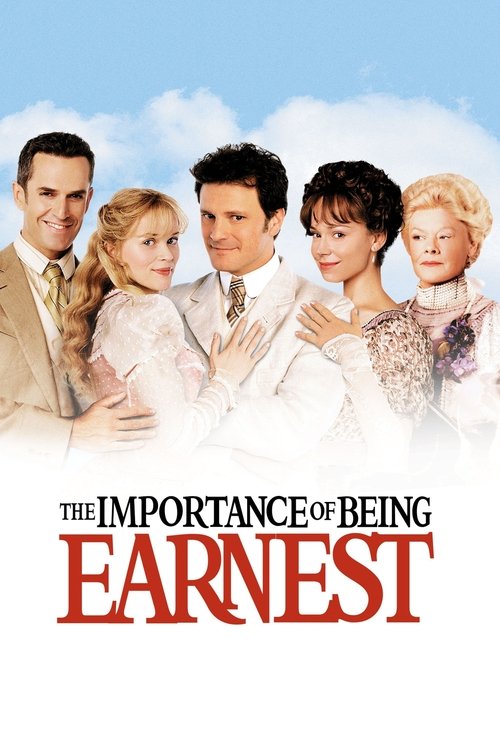
The Importance of Being Earnest2002
Another Wilde adaptation with similar architecture: secret identities, witty epigrams, and the collision between what society demands and what characters actually feel. Same playwright, same intoxicating rhythm of language.
But If you find Wilde's wordplay exhausting rather than delightful, you'll find it worse here. The plot can feel like an excuse for jokes rather than the reverse.
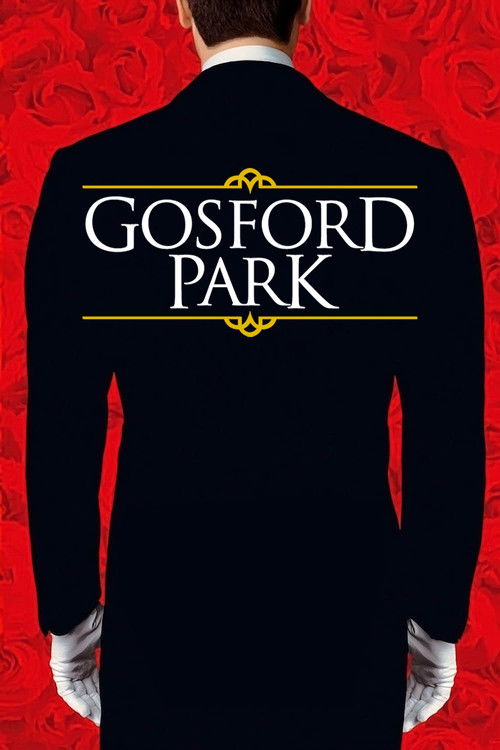
Gosford Park2001
Robert Altman's ensemble mystery set in an English country house. Multiple interwoven plots, sharp social observation, and a cast delivering layered performances. The same pleasure in watching people navigate hierarchy and secrets.
But It's longer, more baroque, and less directly romantic. The tone shifts from dark to comic in ways that don't always land smoothly.
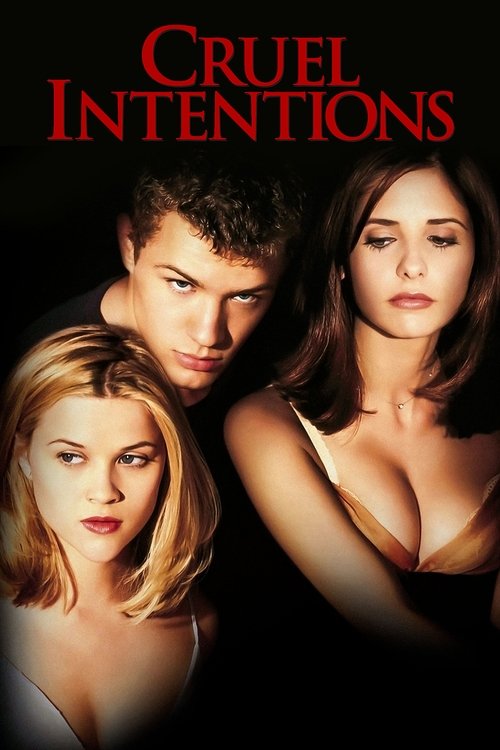
Cruel Intentions1999
Same year, same kind of morality play dressed in gorgeous costumes and sharp dialogue. Manipulation, blackmail, and the gap between public persona and private nature. Equally obsessed with words as weapons.
But It's set in modern Manhattan rather than Victorian drawing rooms, and far darker. The romance is venomous rather than regenerative.
Not sure tonight? Get a pick in a minute, starting from An Ideal Husband
The wildcard
Something you would not have found on your own.
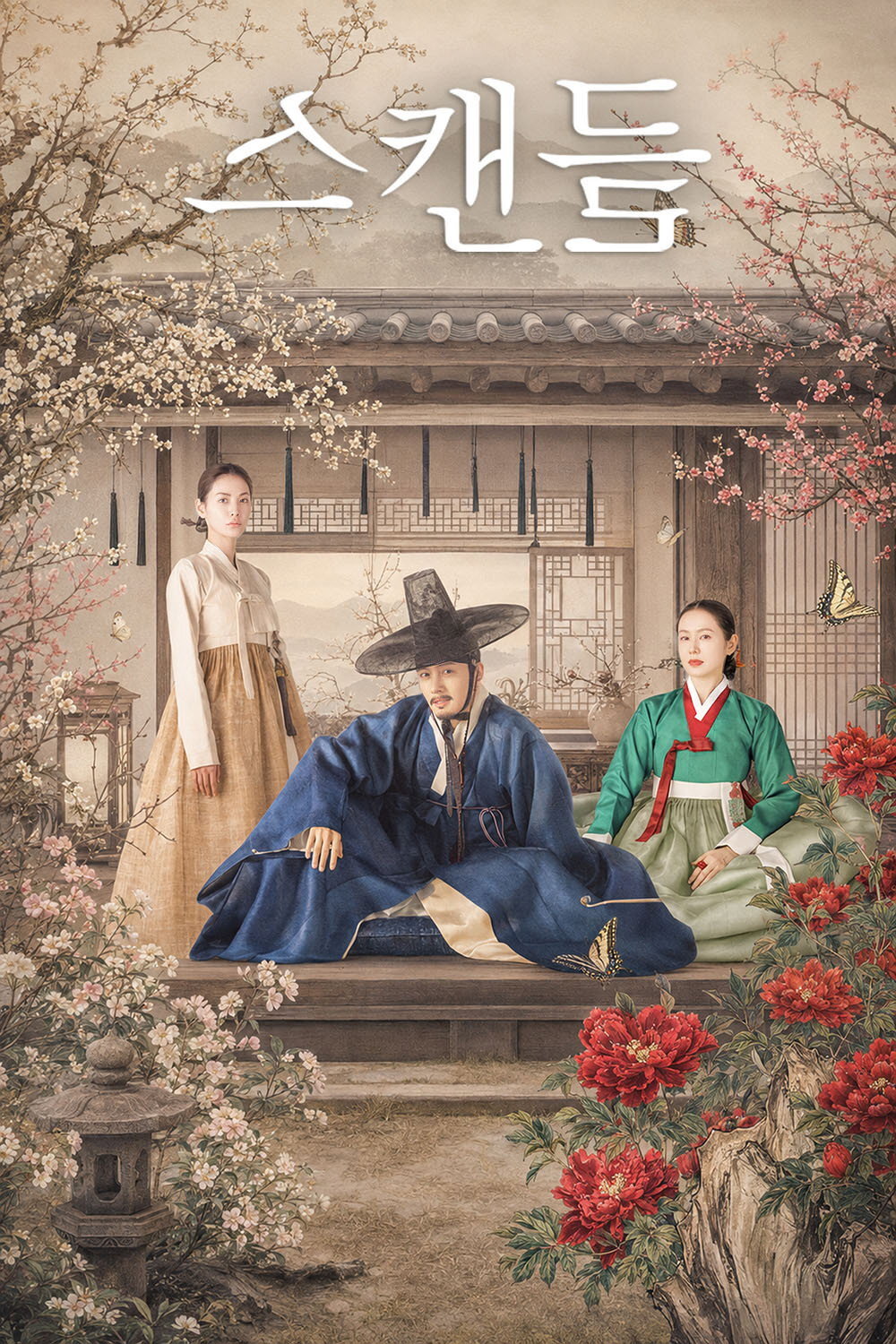
The Scandal2026
The moral architecture is identical: a character whose power comes from knowledge and the willingness to use it. Both ask whether such a person can be redeemed, reformed, or simply contained.
Iranian television miniseries—yes, really—adapted from a Molière play. A woman manipulates her way through society by knowing other people's secrets, weaponizing information exactly as Mrs. Cheveley does. Gorgeously shot, wickedly smart, and a complete surprise.
But It's subtitled, and finding it requires work. It also requires patience with a different narrative pacing than Western TV provides.
More like this (8)
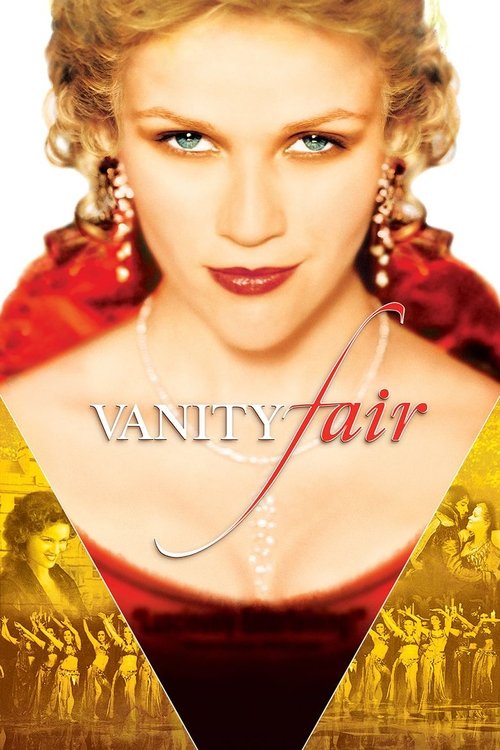
Vanity Fair2004
Another Thackeray adaptation about ambition, survival, and the performance of character in society. Reese Witherspoon at full scheming throttle. Lush, propulsive, and genuinely romantic despite its cynicism.
But The period detail is less careful. It aims for romp over substance, which works sometimes and feels thin other times.
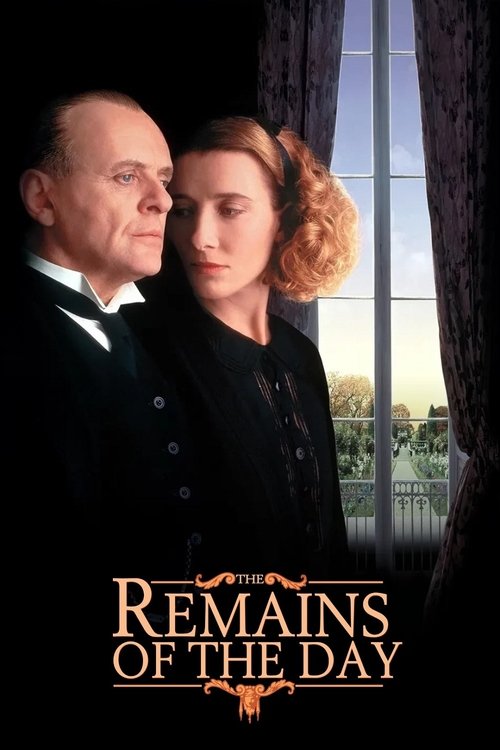
The Remains of the Day1993
Merchant-Ivory period drama about duty, love deferred, and what happens when you choose propriety over passion. James Stevens and Lady Kenton circle each other with the same careful restraint as Robert and Gertrude Chiltern.
But It's melancholy and restrained. There's almost no comedy here, and the emotional payoff is bitter rather than triumphant.
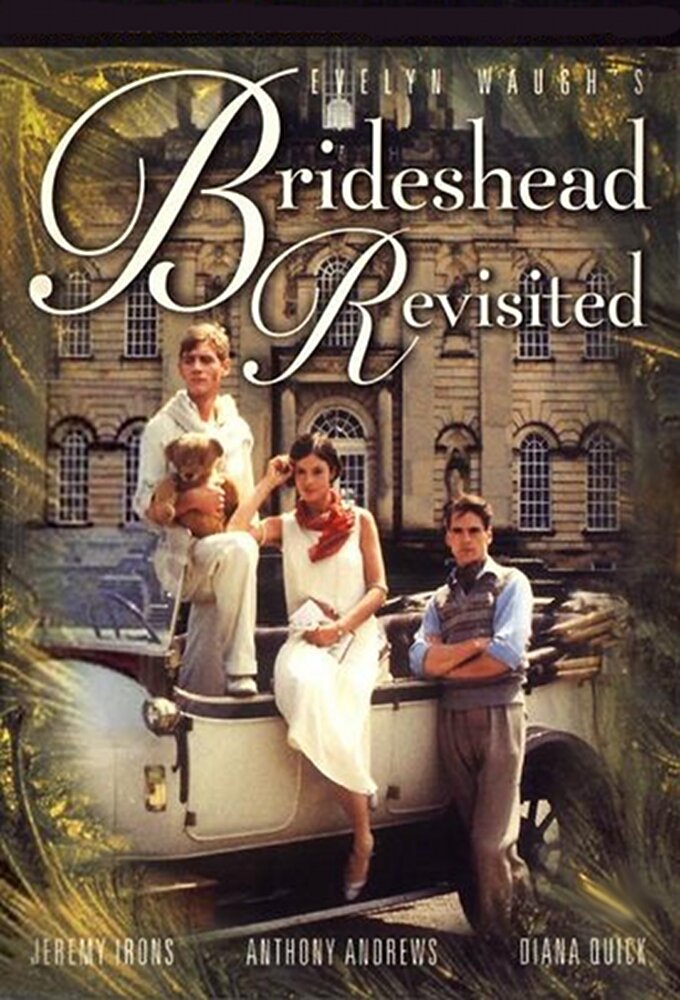
Brideshead Revisited1981
The Granada miniseries (not the 2008 film). English privilege, family secrets, forbidden romance, and characters who perform versions of themselves. Lush and intricate with genuine emotional weight.
But It's seven hours long and moves at a deliberate pace. The homosexual subtext in the novel is suppressed here; if that matters to you, this won't be as satisfying as it should be.
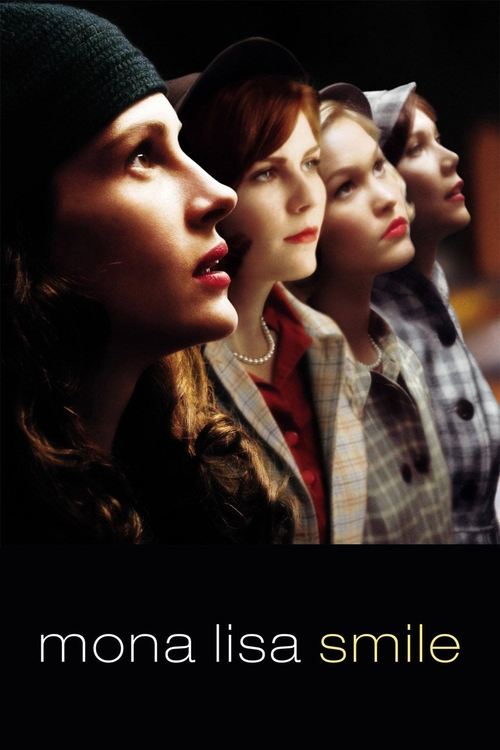
Mona Lisa Smile2003
Julia Roberts as a woman navigating how much to reveal of herself in a world that demands perfection. Lightly made and less sharp than Ideal Husband, but it touches on similar questions about authenticity and social masks.
But It's considerably lighter and broader. The wit is softer, and the historical detail feels more cosmetic than earned.
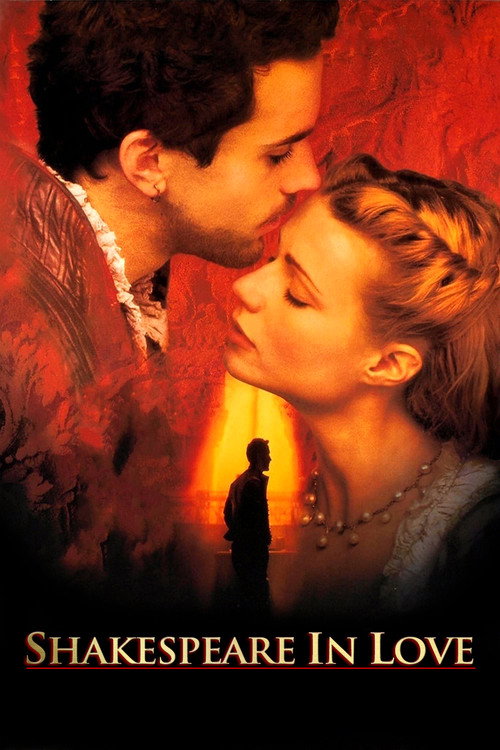
Shakespeare in Love1998
Another 1990s period romance about secrets, deception, and the collision of desire with duty. Gorgeous to watch, clever about the mechanics of theater and performance, and genuinely romantic.
But Critics savaged it then and have not relented. It's romantic confection rather than real substance, for all its fine production values.
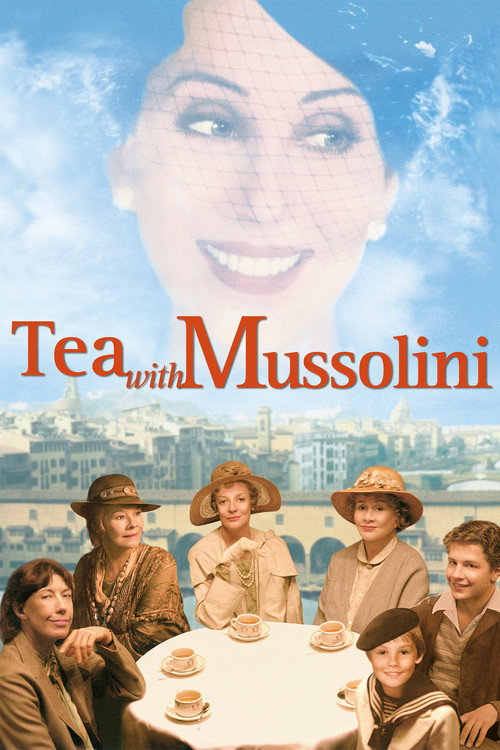
Tea with Mussolini1999
Zeffirelli's ensemble piece set among expatriates in Florence during WWII. Like Ideal Husband, it's about people maintaining grace and dignity while history conspires against them. Intimate and unsentimental.
But It's quieter and more reflective than you might expect. The structure is episodic, and it doesn't build toward the kind of climax Ideal Husband delivers.
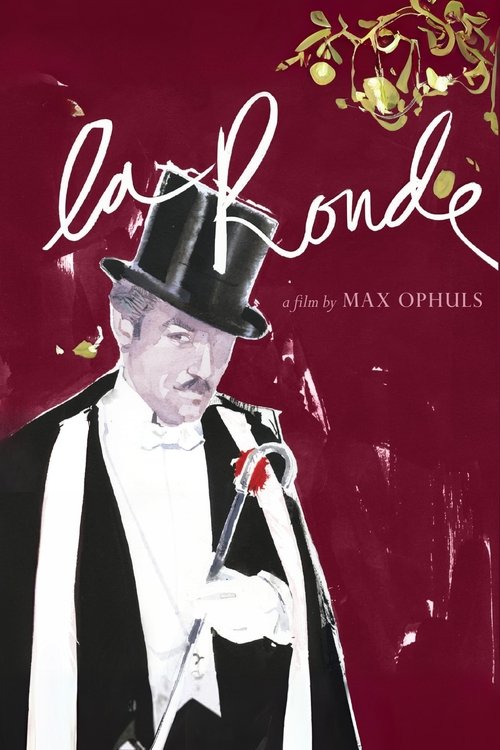
La Ronde1950
Both are about how society forces people to behave inauthentically, but where Wilde's play argues for redemption through love and honesty, La Ronde suggests there is no way out of the cycle.
Schnitzler's circular play about desire and deception passing through Viennese society. Like Ideal Husband, it's fundamentally about the performance of character—masks never fully removed, only rotated among different people.
But It's determinedly cynical and ends where it begins. There's no romantic triumph here, only an endless cycle of people lying to and using each other. No happy ending.
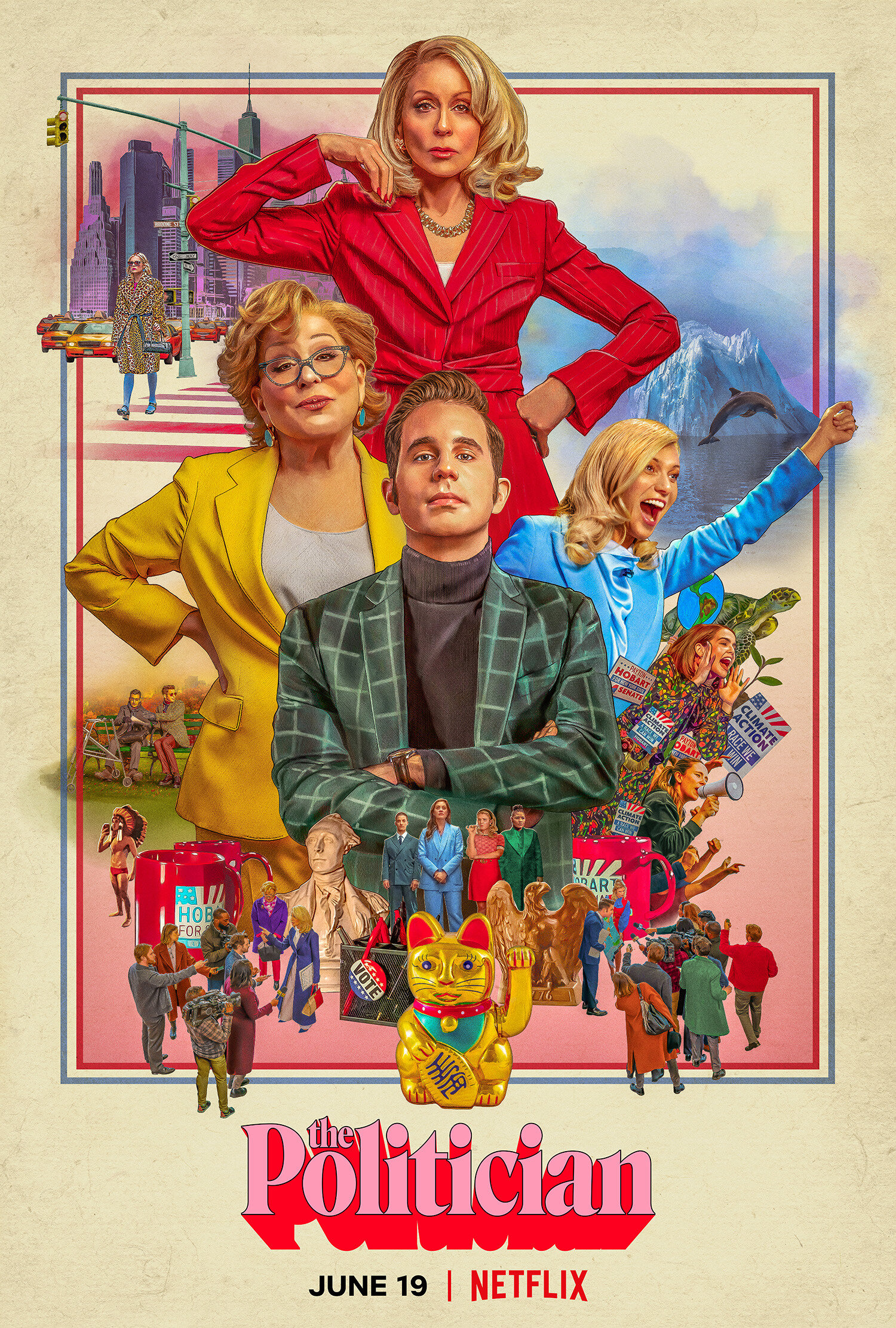
The Politician2019
Both understand that politics is performance art, that characters are playing roles, and that the gap between public virtue and private reality is where all the actual drama lives. But where Ideal Husband is elegant, The Politician is deliberately, joyfully trashy.
A Darren Criss comedy miniseries about a ruthless, ambitious politician navigating scandal and maintaining a perfect image. It sounds trash but it's actually structurally sophisticated—witty, campy, and smarter about power and performance than it appears.
But It's deliberately camp and anachronistic, tone-shifting constantly. If you want your period comedy played straight rather than remixed, this will feel arch and exhausting.
People
Cast
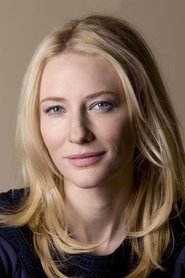 Cate BlanchettLady Gertrude Chiltern
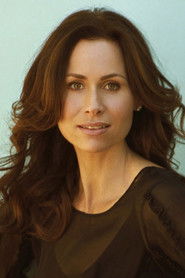 Minnie DriverMiss Mabel Chiltern
 Rupert EverettLord Arthur Goring
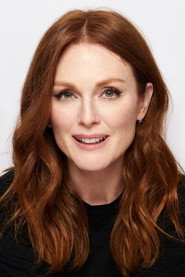 Julianne MooreMrs. Laura Cheveley
 Jeremy NorthamSir Robert Chiltern
 Peter VaughanPhipps
- Ben PullenTommy Trafford
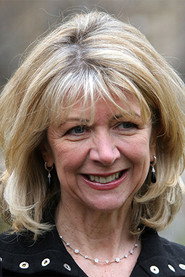 Marsha FitzalanCountess
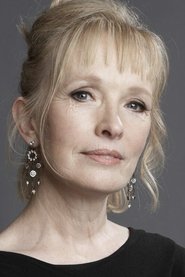 Lindsay DuncanLady Markby
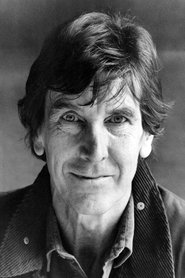 John WoodLord Caversham
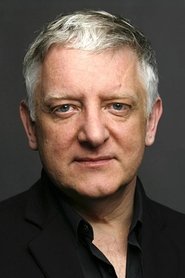 Simon Russell BealeSir Edward
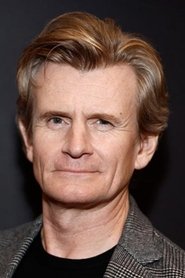 Charles EdwardsJack
Directing
- Oliver ParkerDirector
Writing
- Oliver ParkerScreenplay
- Oscar WildeTheatre Play
Production
- Celestia FoxCasting
- Nicky Kentish BarnesCo-Producer
- Paul TuckerCo-Producer
- Andrea CalderwoodExecutive Producer
- Ralph KampExecutive Producer
- Susan B. LandauExecutive Producer
- Barnaby ThompsonProducer
- Bruce DaveyProducer
- Uri FruchtmannProducer
Recommended by
Belgravia, A Handful of Dust, Wilde, Bright Young Things, Hedda Gabler