
Film
Mona Lisa Smile
A UCLA art historian arrives at buttoned-up Wellesley College in 1953 to teach young women that their minds matter as much as their marriages. It's a film about permission—giving it to yourself, claiming space, and the quietly radical act of suggesting there might be more than one way to live. Warm and earnest, occasionally unsubtle, but genuinely alive to its characters' small rebellions.
Should you watch it?
Watch it if you like period stories where one rebellious teacher's ideas slowly unsettle a room of polite, conventional young women, and you enjoy the warm, earnest tone of small personal defiances.
Skip it if you want a brisk plot or a sharp, cynical look at its era, since it leans on gentle sentiment and lingers on its characters' dilemmas more than on surprises.
What it asks of you: Two hours at a leisurely pace, with long conversational scenes and a steady, mostly gentle mood rather than sharp escalation; it rewards patience more than close attention to any single moment.
Not sure? Find tonight's pick in a minute.
If you liked this
Dead Poets Society1989
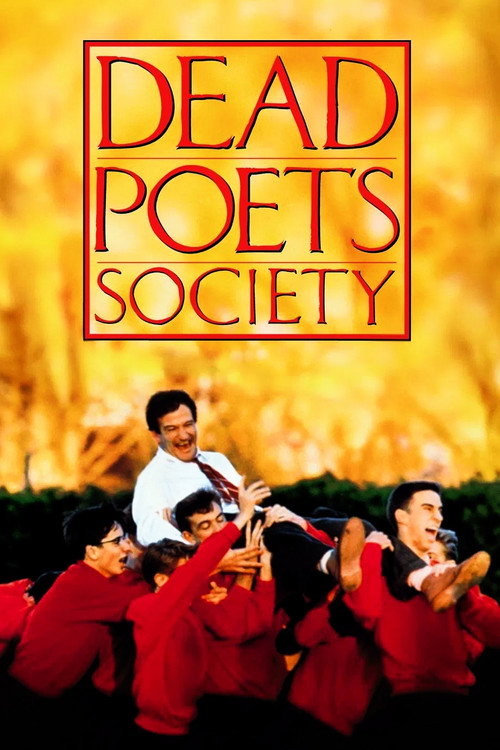
A teacher arrives at an elite institution and quietly upends everything students thought they knew about themselves and their futures. The same emotional architecture—mentor, awakening, the cost of non-conformity—but with boys instead, and Robin Williams instead of Julia Roberts.
But It leans harder into tragedy and regret. Less about finding your own path, more about the institutions that crush it. The ending lands differently.
Legally Blonde2001
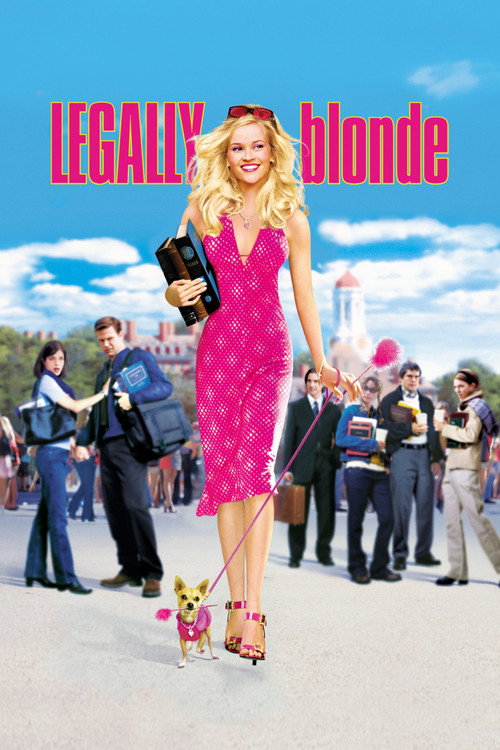
Both films ask who gets to decide what smart looks like. Elle Woods and Katherine Watson come at it from opposite angles—one proves femininity and ambition aren't enemies, the other shows how institutions police both. Same DNA, different energy.
But This one is comedic and light where Mona Lisa Smile reaches for drama. If you want moral weight, the tonal shift might feel trivializing.
The Prime of Miss Jean Brodie1969
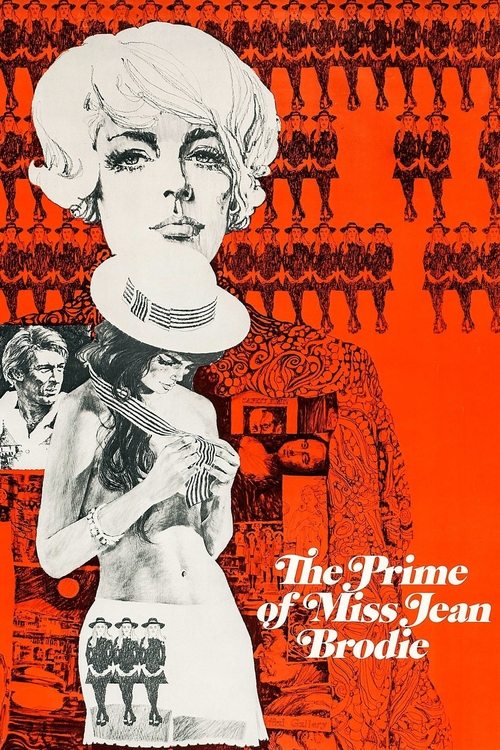
Maggie Smith as a transformative teacher at an all-girls school in 1930s Edinburgh. Both films explore how one charismatic educator can reshape how students see themselves and their futures. Beautifully measured and genuinely moving.
But It's quieter and more ambiguous about whether the teacher's influence is actually good. Less comfortable to watch, and the ending unsettles rather than satisfies.
Not sure tonight? Get a pick in a minute, starting from Mona Lisa Smile
The wildcard
Something you would not have found on your own.
S1m0ne2002
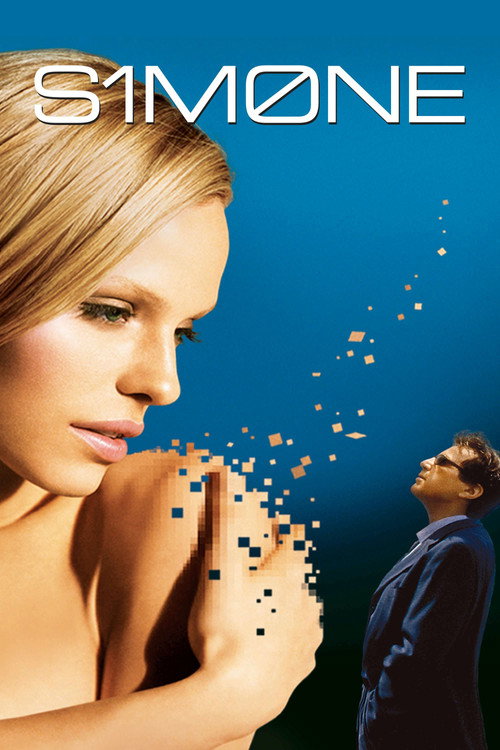
Both dissect how institutions and society script female identity. One says the script can be rewritten; the other suggests the script itself is the con. They're arguing with each other.
Al Pacino creates a perfect, synthetic woman who becomes a movie star. It's a sharp satire about who we decide is valuable, authentic, and worth watching—the mirror question to Katherine Watson asking why women's ambitions are so heavily curated. Funny, weird, and structurally opposite.
But It's deeply cynical where Mona Lisa Smile is sincere. The satire can feel cold. The film itself is slightly fractured, which some find brilliant and others find annoying.
More like this (8)
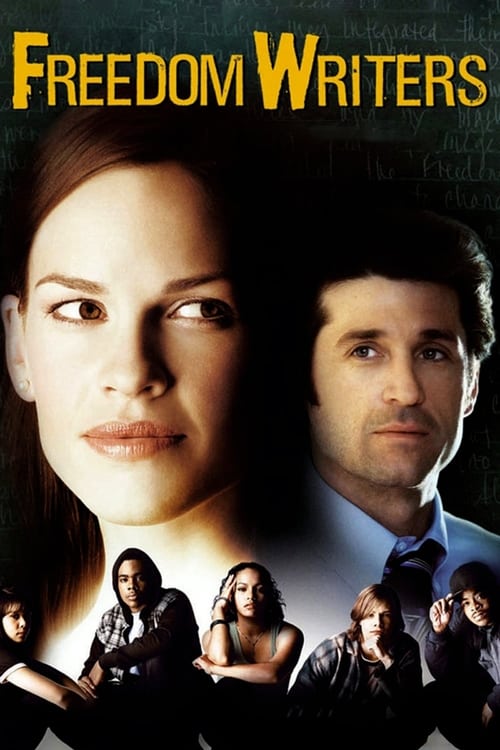
Freedom Writers2007
Hilary Swank as a teacher who convinces students locked out of the system that their stories matter. Same belief in transformation through seeing yourself reflected back as intelligent and worthy.
But Operates in a grittier world of real material poverty and violence. Can feel earnest to the point of formula. The stakes are more literal and less philosophical.
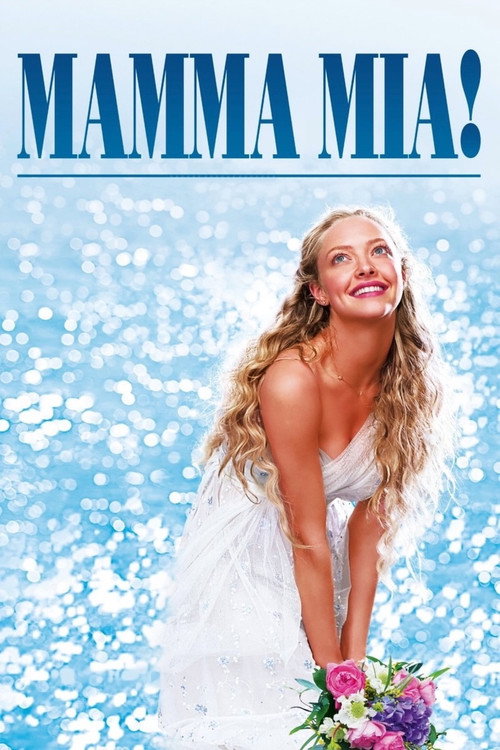
Mamma Mia!2008
A film centred entirely on women of different ages getting to decide what they want without apology. Meryl Streep and Amanda Seyfried discovering agency and joy. Same spirit of permission-giving, just through ABBA instead of art history.
But It's a musical. If you want realism and period texture, this swings hard the other way into pure escapism.
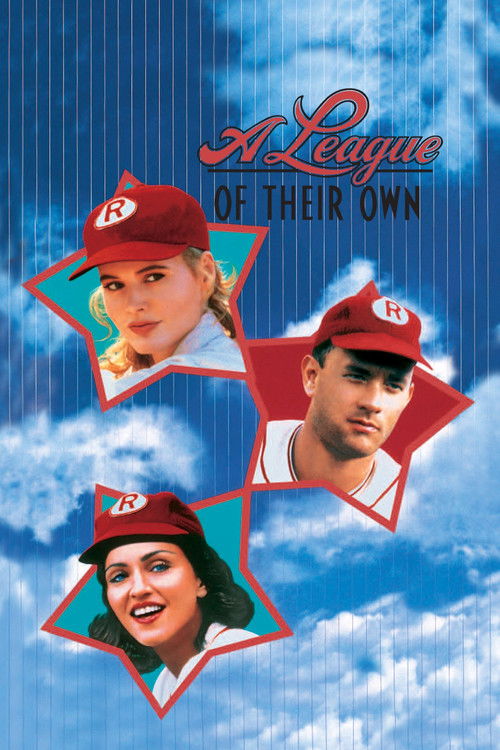
A League of Their Own1992
Women claiming a space society told them wasn't theirs. Tom Hanks coaches a baseball team during WWII; the real story is about female friendship, ambition, and the quiet fury of being told your talent doesn't count.
But Splits focus between romance and the team. Some of the period detail feels softened for comfort.
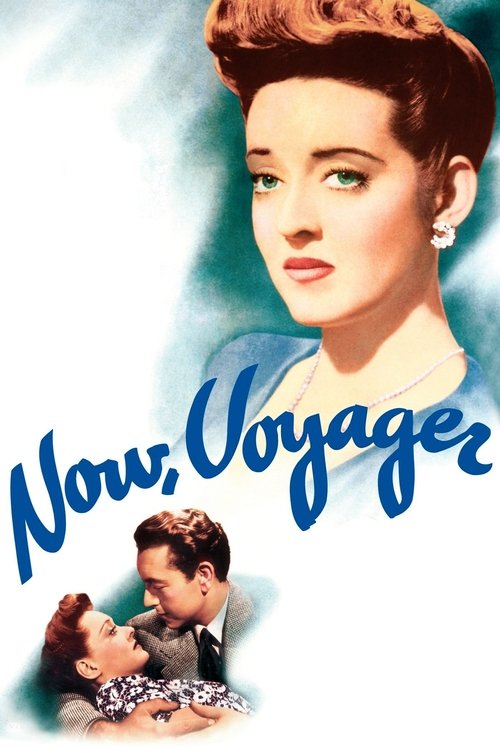
Now, Voyager1942
Bette Davis as a woman liberated from her family's expectations into her own life. An older film, but the DNA is identical: a woman claiming agency, a transformation that matters, the courage to want something for yourself.
But It's from 1942. If you need contemporary pacing and sensibility, the rhythm may feel foreign.
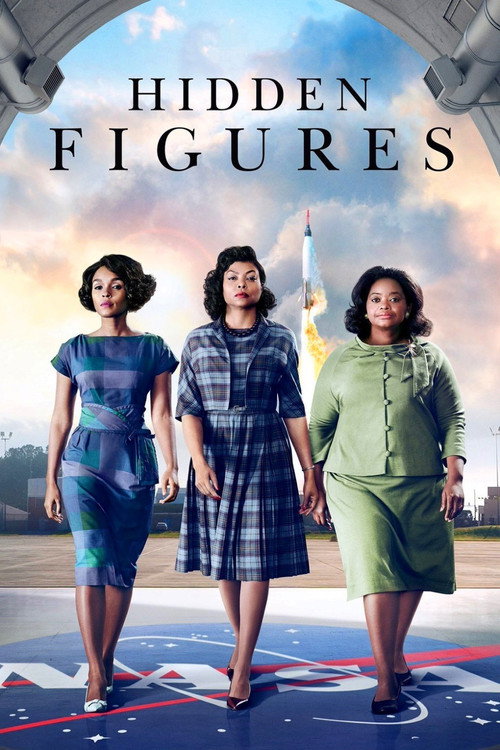
Hidden Figures2016
Black women mathematicians refused to be invisible or diminished. Parallel film about proving your mind and worth in institutions designed to deny both. Modern, energetic, and grounded in real history.
But Covers much darker material—systemic racism, not just gender policing. A different kind of weight. Broader scope can feel less intimate.
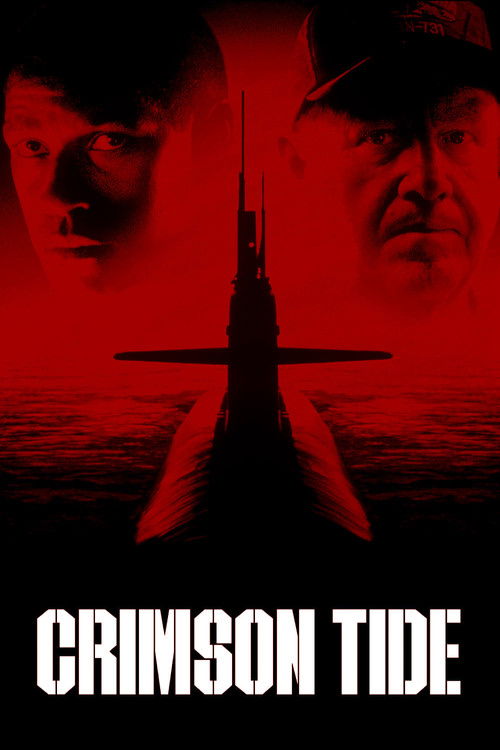
Crimson Tide1995
A submarine captain and his second-in-command clash over ideology, duty, and whether the system you serve deserves your obedience. Different setting entirely, but the same question: who decides what's right?
But It's a military thriller with Denzel Washington and Gene Hackman. If you're drawn to Mona Lisa Smile for its focus on female friendship and self-discovery, this has neither.
Mulholland Drive2001
Both are about women navigating systems that want to define them. Mona Lisa Smile believes in emergence and clarity; Mulholland Drive suggests identity itself might be unstable. One heals; the other destabilizes.
David Lynch's fractured Los Angeles dream about women, ambition, and the stories we tell ourselves. Formally daring and deeply strange, but the core question matches Mona Lisa Smile: what happens to a woman's sense of self when she wants something, and institutions (or art, or men) tell her she can't have it?
But It's surreal, fragmented, intentionally difficult. If you want clarity and emotional catharsis, this withholds both. Demands and rewards repeated viewing, which is not for everyone.

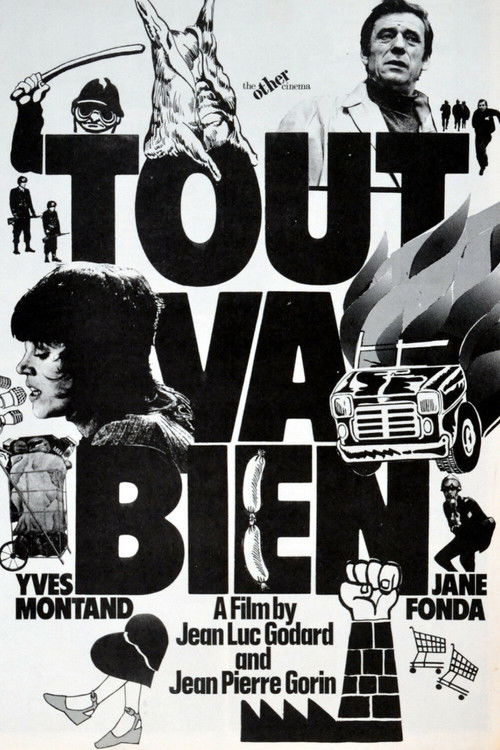
Tout Va Bien1972
Same DNA structurally: individuals inside a system trying to think differently. Mona Lisa Smile suggests the system can be moved; Godard asks if that's a beautiful lie. One is about individual transformation, the other about collective action. Both essential.
A Godard and Gorin film about a strike at a factory, where a couple (Jane Fonda and Yves Montand) get trapped inside during a labour dispute. It looks nothing like Mona Lisa Smile and operates from radical socialist principles, but it's asking identical questions about whether individuals can disrupt systems and whether personal awakening matters in the face of structural power.
But It's French, formally experimental, sometimes didactic, and political in ways that feel dated. Not a comfortable watch. The film itself is fractured and deliberately anti-narrative.
People
Cast
 Julia RobertsKatherine Ann Watson
 Kirsten DunstBetty Warren
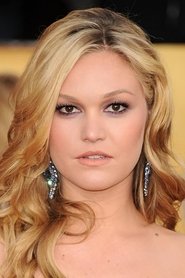 Julia StilesJoan Brandwyn
 Maggie GyllenhaalGiselle Levy
 Ginnifer GoodwinConnie Baker
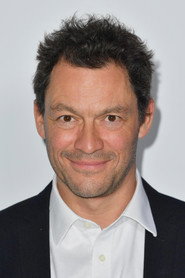 Dominic WestBill Dunbar
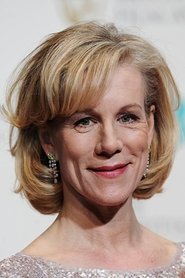 Juliet StevensonAmanda Armstrong
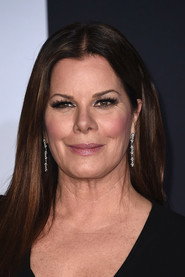 Marcia Gay HardenNancy Abbey
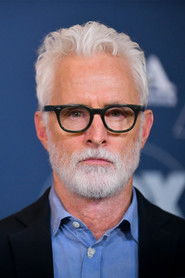 John SlatteryPaul Moore
 Marian SeldesJocelyn Carr
 Donna MitchellMrs. Warren
 Terence RigbyEdward Staunton
Directing
- Mike NewellDirector
- Joseph P. ReidyFirst Assistant Director
- Lisa KatcherScript Supervisor
- Eddie MicallefSecond Assistant Director
- Paul SchiffSecond Unit Director
Writing
- Lawrence KonnerScreenplay
- Mark RosenthalScreenplay
Production
- Ellen ChenowethCasting
- Susie FarrisCasting
- Richard BarattaCo-Producer
- Joe RothExecutive Producer
- Deborah SchindlerProducer
- Elaine Goldsmith-ThomasProducer
- Paul SchiffProducer
Recommended by
Dead Poets Society, The History Boys, The Paper Chase, Lovely & Amazing, The Emperor's Club, The Krays, Enough, Sirens, An Ideal Husband, Tara Road, The English Teacher, Renaissance Man