
Film
Tea with Mussolini
A lush, character-driven film about a group of cultured British and American expatriate women in 1930s Italy who form an unlikely family around a motherless boy, then find their genteel world shattered by fascism and war. It's tender and funny, with genuine stakes beneath the tea and antiquities. For anyone who loves intimate ensemble pieces about resilience and friendship tested by history.
Should you watch it?
Watch it if you like older-generation ensembles trading barbed wit and affection over a sunlit Florentine backdrop, where the comedy of manners slowly darkens around them.
Skip it if you want a brisk plot or a clear emotional throughline, since this drifts through episodes of gossip, sketching and tea, and its tonal shifts can feel uneven.
What it asks of you: Patience first: a leisurely opening given over to social rituals and bickering before the wider world intrudes, and a tolerance for characters who are often vain.
Not sure? Find tonight's pick in a minute.
If you liked this
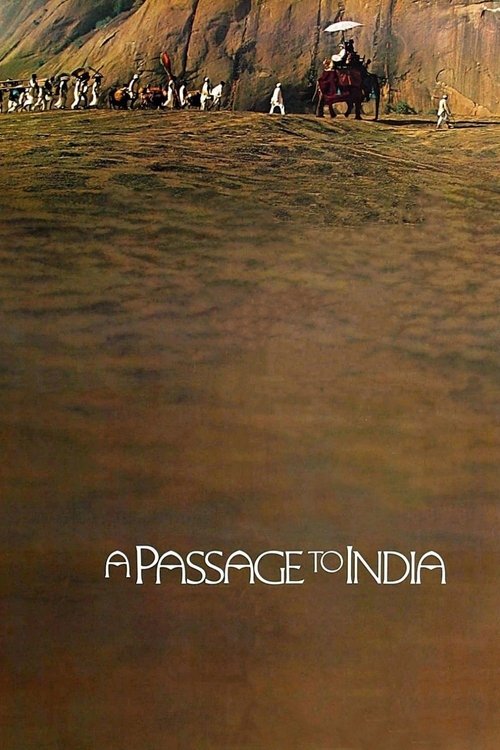
A Passage to India1984
David Lean's sweeping adaptation of Forster captures the same collision between English civility and an overwhelming foreign landscape, with equally complex questions about imperialism, belonging, and what we actually know about each other.
But It's three hours long and moves at a deliberate pace—some find the plotting melodramatic, and the racial politics, while intentional, can feel dated in how they're framed.
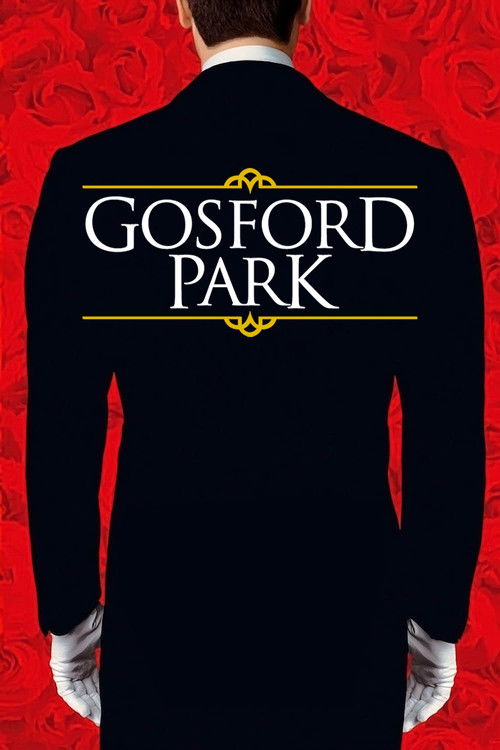
Gosford Park2001
Robert Altman's ensemble mystery about class, secrets, and performance in a country house. Like Tea with Mussolini, it's a film about surfaces and what lies beneath them, with a stellar cast playing characters of real depth.
But The narrative is deliberately messy and the ending divisive—some viewers find it frustrating rather than clever, and the murders matter less than the relationships.
The Remains of the Day1993
Anthony Hopkins anchors a meditation on duty, repression, and the cost of politeness in the face of moral darkness. Like this film, it asks what dignity really costs, and whether we can forgive ourselves for the choices we made.
But It's quiet and melancholy to the point of being airless for some. The emotional payoff is tiny and hard-won, not satisfying in a conventional sense.

Not sure tonight? Get a pick in a minute, starting from Tea with Mussolini
The wildcard
Something you would not have found on your own.
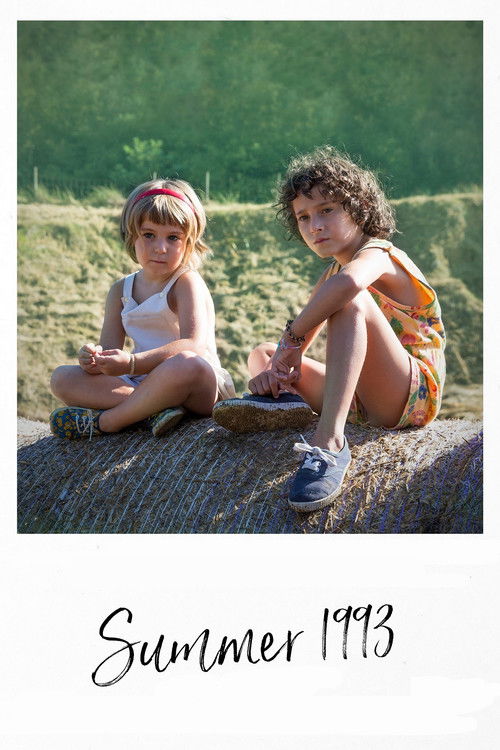
Summer 19932017
Both are about civilians—especially women—creating and protecting a bubble of culture and affection while fascism and war make that bubble increasingly fragile and impossible.
A Croatian film about a group of adults and children hiding in a seaside villa during the Balkans war. It's intimate, darkly comic, and structured like Tea with Mussolini—a makeshift family formed by circumstance, watching the world burn while trying to maintain normalcy and beauty.
But It's in Croatian with subtitles. It's also very dark beneath the surface charm, and some of the violence is sudden and upsetting. The pacing is unglamorous and slow.
More like this (7)
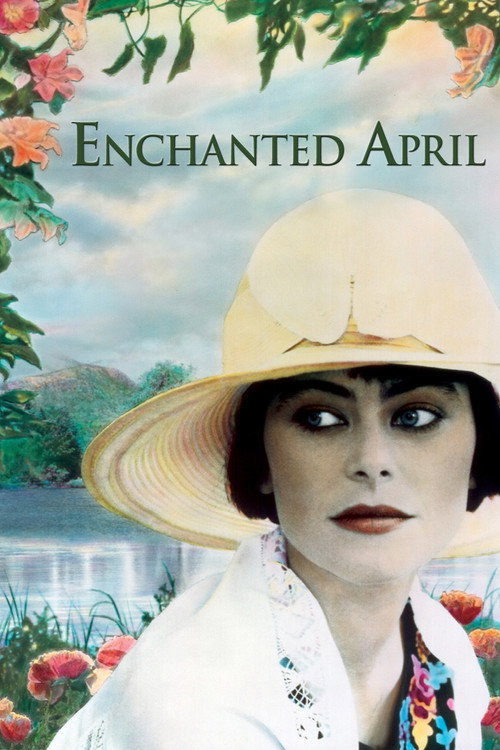
Enchanted April1991
Another ensemble of women escaping to Italy for transformation and self-discovery. It has the same dreamy romanticism and the same belief that female friendship and beauty can sustain us, even temporarily.
But It's consciously genteel and somewhat precious—if whimsy leaves you cold, this won't convert you, and the problems resolve a bit too neatly.
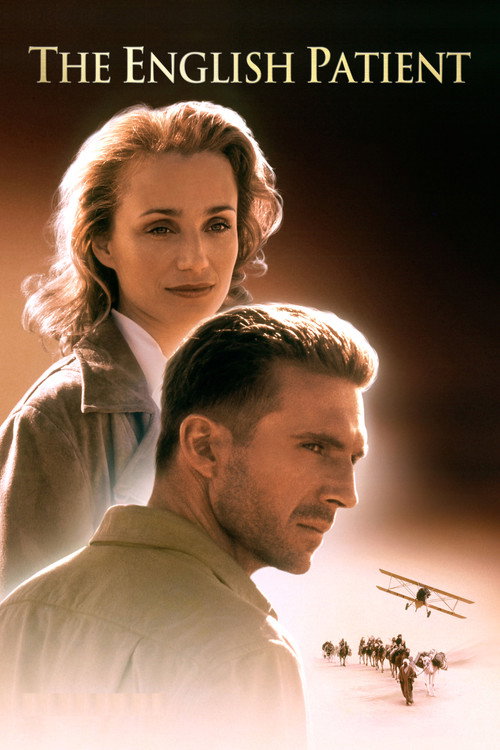
The English Patient1996
A sweeping, gorgeously shot film about expatriate lives in World War II North Africa, with the same lush visual style and the same interest in how war destroys cultivated people and their civilized rituals.
But It's nearly three hours and the non-linear structure confuses some viewers. The central love story is abstract and cold, and you have to be in the mood for that kind of beauty.
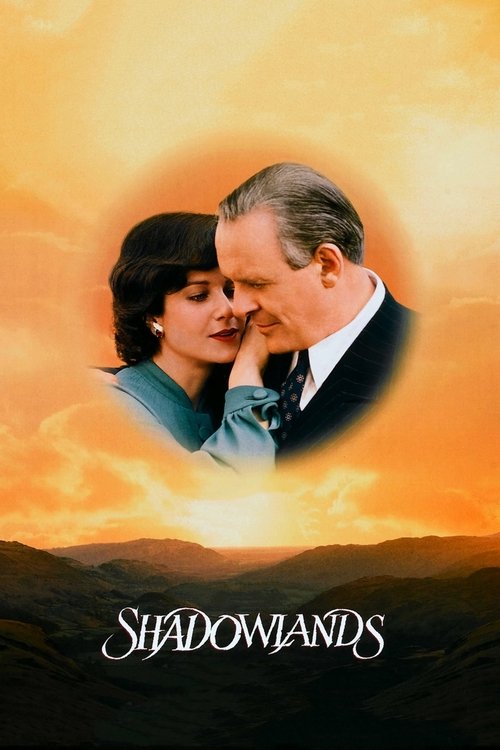
Shadowlands1993
Anthony Hopkins again, this time in a film about C.S. Lewis and the American poet Joy Davidman. It shares Tea's interest in how intellectual and creative people navigate passion, loss, and the inadequacy of eloquence.
But The emotional beats are signposted quite clearly and it can feel a little like a prestige biopic rather than a lived-in story. Some find it sentimental.
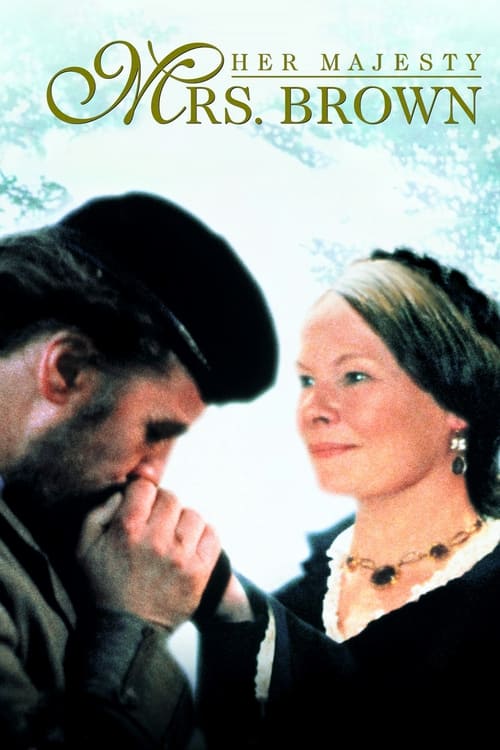
Mrs Brown1997
Judi Dench (who is in Tea) gives a powerhouse performance as Queen Victoria finding unexpected companionship and liberation with a Scottish gillie. It's about unlikely bonds and the hunger for connection beneath formality.
But The historical inaccuracies are significant and the romance is a bit rose-tinted. If you're looking for rigorous history rather than emotional truth, you'll be frustrated.
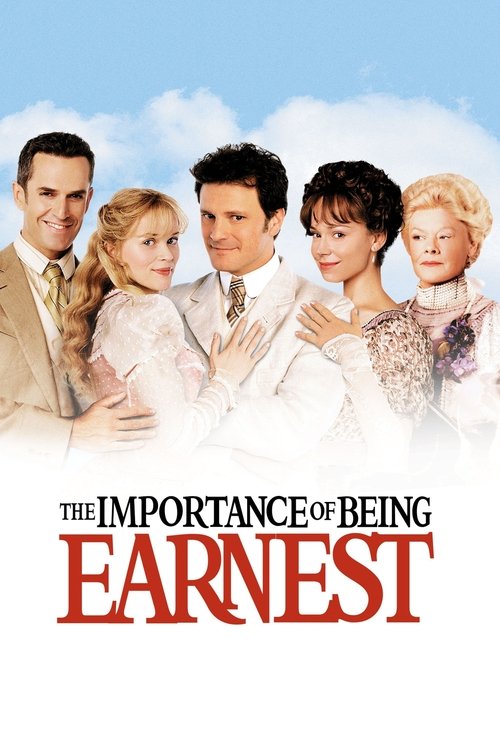
The Importance of Being Earnest2002
Oliver Parker's adaptation of Wilde shares the same delight in wit, performance, and the gap between what we pretend to be and who we are. It's lighter than Tea, but the DNA is the same.
But It's a comedy, so the stakes are deliberately low. If you want serious examination of character and consequence, this isn't it.
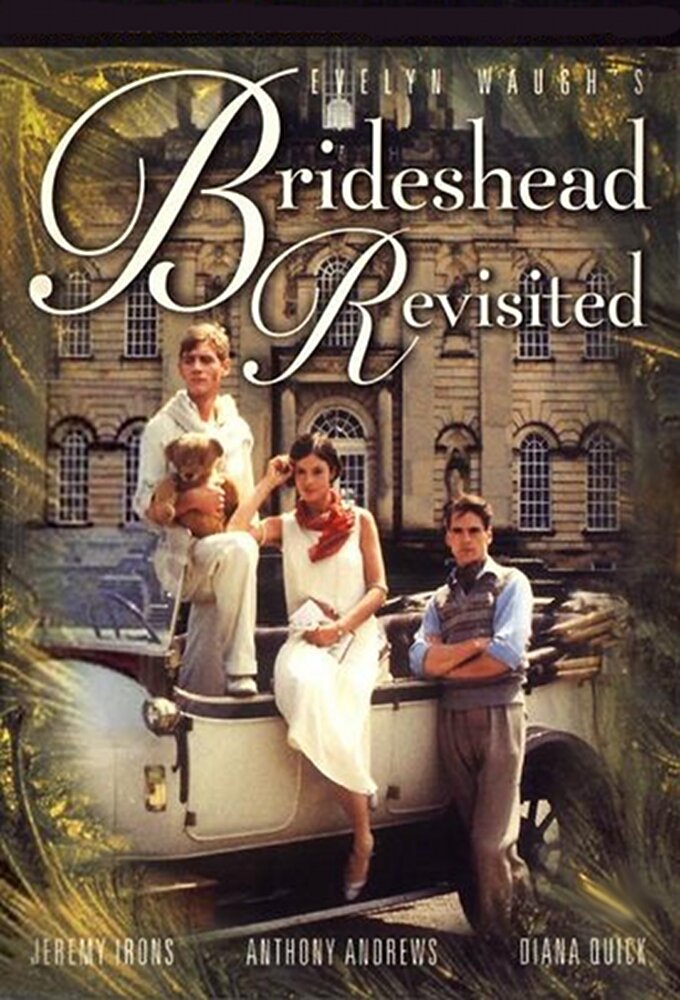
Brideshead Revisited1981
The 1981 Granada miniseries (not the 2008 film) captures Waugh's meditation on beauty, faith, and the seductiveness of a doomed world. It has the same visual opulence and the same sad knowledge that charm isn't enough.
But It's slow and deeply British in its emotional register. Modern viewers often find it glacial, and the religious questions won't resonate if you're not somewhat attuned to them.
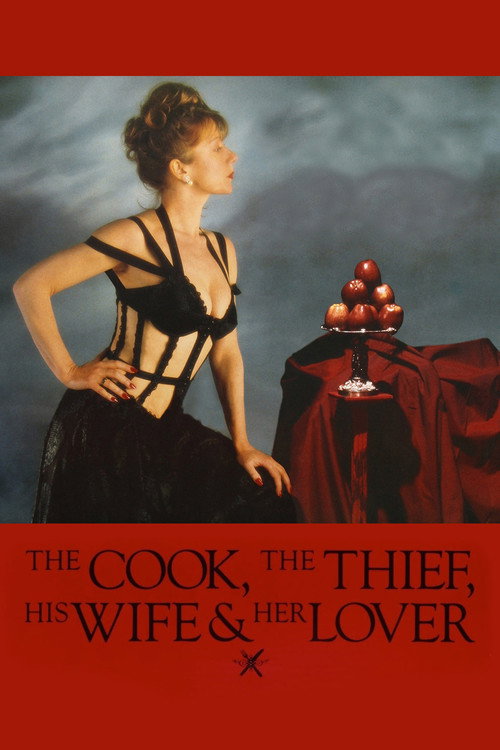
The Cook, the Thief, His Wife & Her Lover1989
Both films use sumptuous visual style and cultured settings to ask hard questions about complicity, beauty, and whether refinement can coexist with moral darkness—but Greenaway says no, while Tea with Mussolini insists yes, it must.
Peter Greenaway's baroque, provocative film about desire, civilization, and violence in a restaurant microcosm—as visually luxurious and formally precise as Tea with Mussolini, but turned inside out. It asks what happens when art and beauty become complicit with evil.
But It's brutally explicit in its violence and sexuality. It's also aggressively artificial and intellectual—if you want naturalism or emotional realism, you will hate this. It's not for everyone and Greenaway doesn't care.
People
Cast
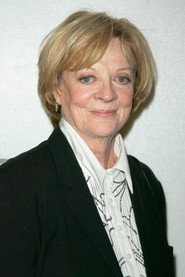 Maggie SmithLady Hester Random
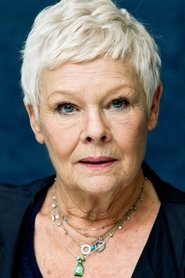 Judi DenchArabella
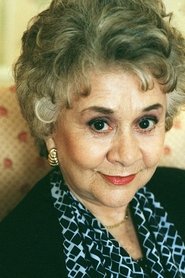 Joan PlowrightMary Wallace
 CherElsa Strauss-Almerson
 Lily TomlinGeorgina "Georgie" Rockwell
- Baird WallaceLuca
- Charlie LucasLuca (Child)
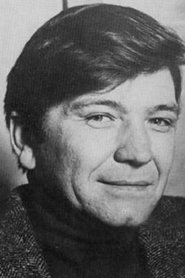 Michael WilliamsBritish Consul
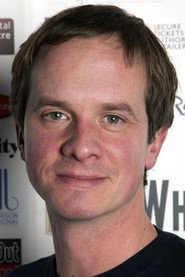 Paul ChequerWilfred Random, aka Miss Lucy
 Massimo GhiniPaolo
- Paolo SegantiVittorio Fanfanni
- Tessa PritchardConnie Raynor
Directing
- Franco ZeffirelliDirector
Writing
- Franco ZeffirelliNovel
- John MortimerScreenplay
Production
- Emma StyleCasting
- Mirta GuarnaschelliCasting
- Clive ParsonsProducer
- Frederick MullerProducer
- Giovannella ZannoniProducer
- Marco ChimenzProducer
- Riccardo TozziProducer
Recommended by
A Room with a View, Enchanted April, The Best Exotic Marigold Hotel, Film Stars Don't Die in Liverpool, Quartet, An Ideal Husband, Alive and Kicking, The Lonely Passion of Judith Hearne, Ladies in Lavender, The Company of Strangers, Master Harold... and the Boys