
Film
The Lonely Passion of Judith Hearne
A portrait of quiet desperation in 1950s Dublin: Maggie Smith as a genteel, aging piano teacher clinging to fading hopes of love and security. The film moves at the pace of a life being lived, attentive to small humiliations and the gaps between what we pretend and what we are. For anyone who prefers character to plot, and heartbreak to dramatics.
If you liked this
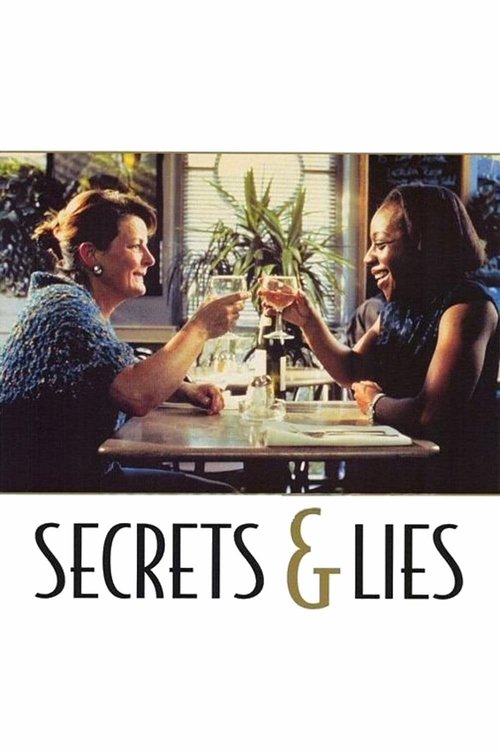
Secrets & Lies1996
Mike Leigh's ensemble drama about family lies and the discovery of a mixed-race daughter. Like Judith Hearne, it finds profound depth in ordinary lives and unspoken pain, building toward devastating honesty rather than neat resolution.
But It's slow and improvised-feeling, with long stretches of awkward conversation. Not everyone finds that meditative rather than frustrating.
Another Year2010
Mike Leigh again: a couple in a stable marriage observe the loneliness and poor choices of their unhappy friends. The same unflinching gaze at how people console themselves with delusions, and how isolation calcifies.
But It's bleak without catharsis, and the happy couple's quiet superiority might feel smug. The film makes you sit with that discomfort.

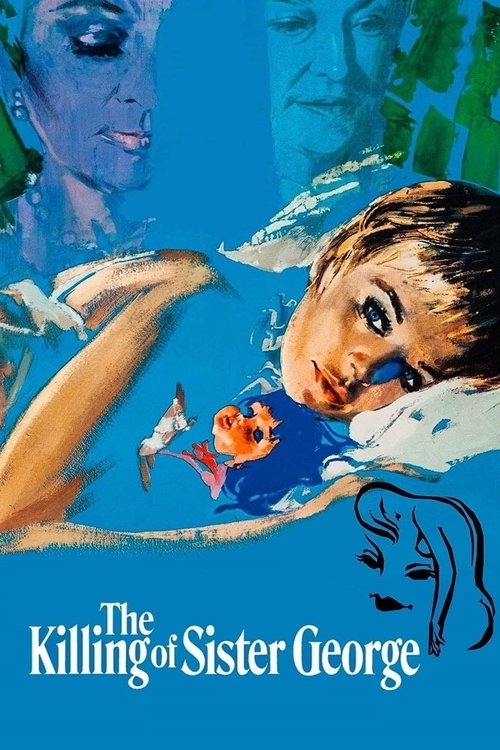
The Killing of Sister George1968
Beryl Reid as an aging actress facing irrelevance and displacement in a changing world. A sharp, unsparing look at how society discards women once they've stopped being useful—thematically insistent without being obvious.
But Darker and more caustic in tone than Judith Hearne. It's a very 1960s film, and some material hasn't aged tactfully.
Not sure tonight? Get a pick in a minute, starting from The Lonely Passion of Judith Hearne
The wildcard
Something you would not have found on your own.
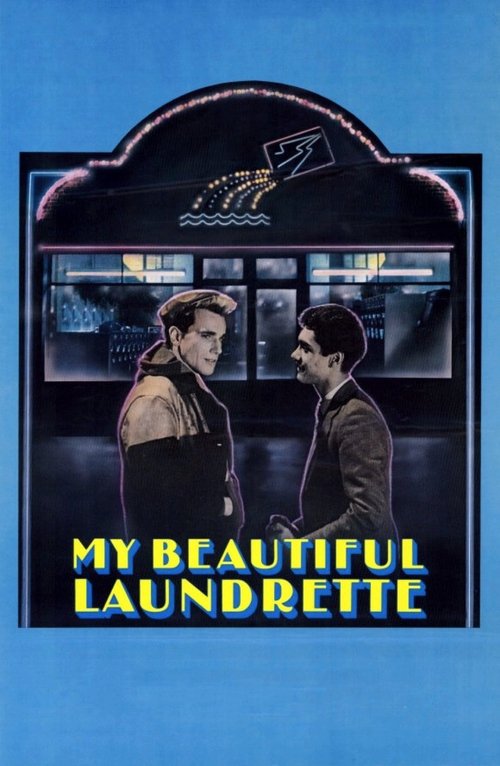
My Beautiful Laundrette1985
Both are portraits of people outside the system's concern—the invisible, the aging, the wrong gender or class—finding moments of connection in an indifferent world. Neither offers hope as comfort; both offer it as stubbornness.
Stephen Frears' and Hanif Kureishi's film about a Pakistani-British man and his working-class lover trying to build something together in Thatcher's London. The same theme: people with little trying to carve out dignity and love in systems indifferent to their survival. No sentimentality, only the texture of real life.
But It's tougher, rawer, and shot in a deliberately unglamorous style. The register is grittier than Judith Hearne's drawing-room melancholy, and the sexual content might startle those expecting period drama.
More like this (8)
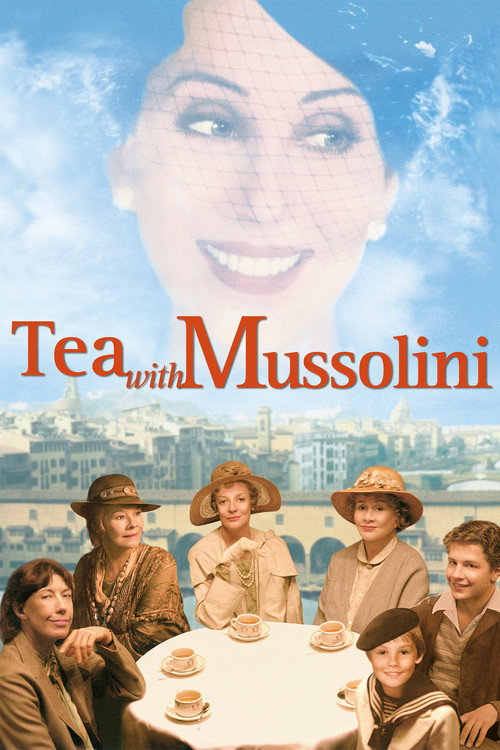
Tea with Mussolini1999
Franco Zeffirelli's ensemble piece about aging British and American women creating community and grace in Fascist Italy. It shares Judith Hearne's fascination with how dignity is maintained despite circumstance, and small kindnesses become everything.
But It's considerably lighter and more romantic in spirit. If you're seeking the same degree of grimness, this will feel evasive.
The Remains of the Day1993
Anthony Hopkins as a butler reckoning with decades of repressed emotion and a love never declared. The same study of a life narrowed by circumstance and self-deception, with a performance of extraordinary restraint and buried feeling.
But It's more formally composed and visually elegant. Some find that distance moving; others want more emotional rawness.

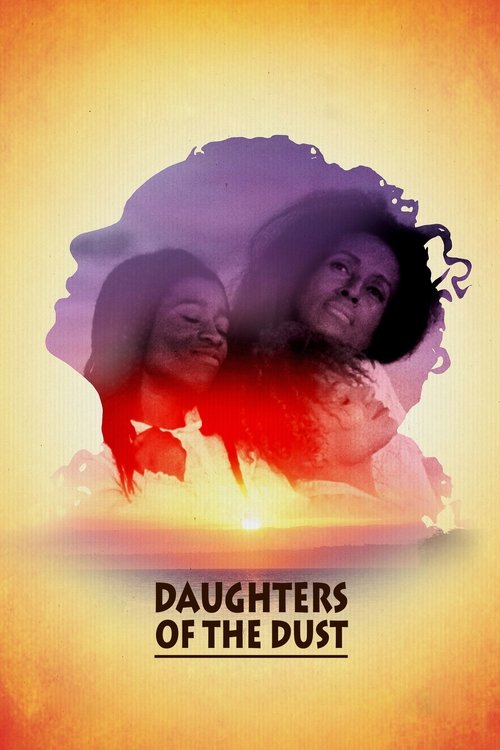
Daughters of the Dust1991
Julie Dash's lyrical meditation on a Gullah family gathering at the threshold of change. Like Judith Hearne, it honors the interior lives of women often rendered invisible, with a visual poetry that deepens rather than sentimentalizes.
But The narrative is fragmented and dreamlike, told without conventional plot momentum. It requires active attention and patience with ambiguity.
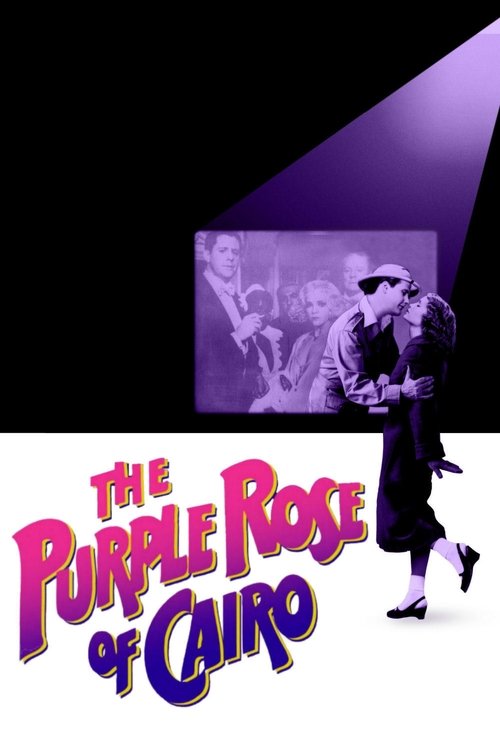
The Purple Rose of Cairo1985
Mia Farrow as a Depression-era woman escaping into cinema. Woody Allen's most tender film about loneliness and the stories we tell ourselves to survive—the same gap between fantasy and brutal reality that defines Judith Hearne.
But Allen's whimsy is not for everyone. The tone is lighter and more wistful where Judith Hearne is more austere.
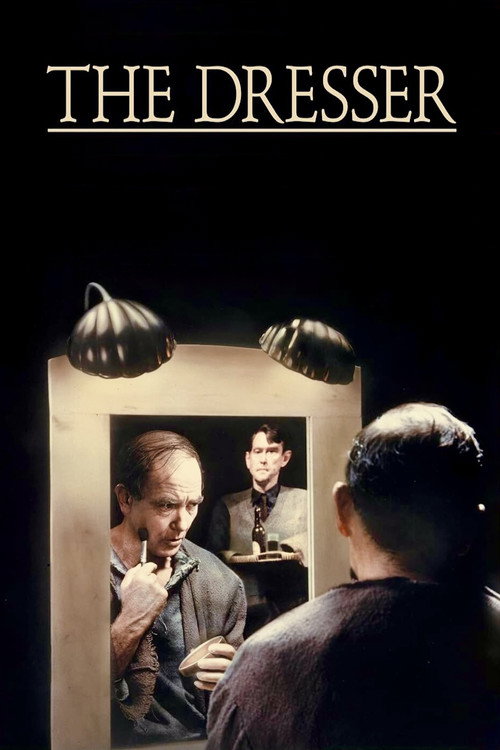
The Dresser1983
Albert Finney and Tom Courtenay in a two-hander about a Shakespearean actor and his devoted dresser. A spare, dialogue-driven study of devotion, performance, and the role we construct to survive—intimately human without being sentimental.
But It's stagey and talky, with a pace that will feel glacial if you're impatient. The emotional stakes are quiet rather than dramatic.
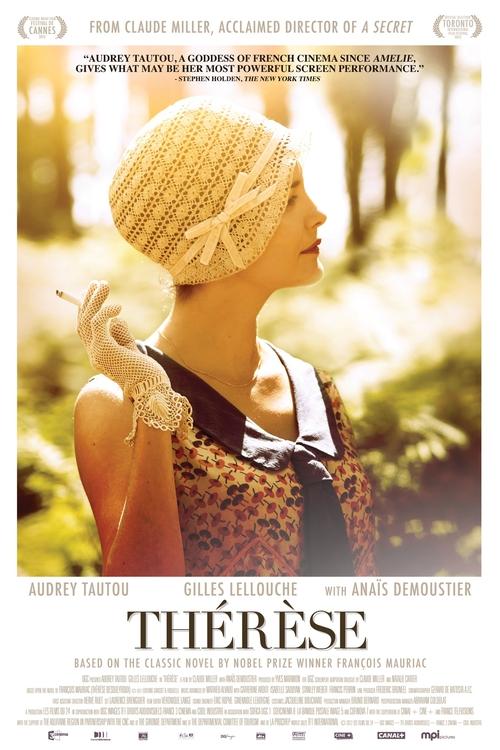
Thérèse2012
Audrey Tautou in Claude Miller's study of a woman suffocating in provincial conformity. It shares the same precise attention to how social expectation erases individual need, and the particular loneliness of being trapped beside someone.
But It's more overtly a tragedy, and the period detail is absorbing rather than transporting. The pacing is deliberate to the point of severity.
Ikiru1952
Both films are about aging and irrelevance, but Kurosawa asks the metaphysical question and Judith Hearne asks the social one. Together they form a complete reckoning.
Akira Kurosawa's masterpiece: an elderly Japanese bureaucrat discovers he's dying and must reckon with a life spent in joyless routine. It's the same story—a person confronting the gap between the life lived and the life imagined—but told with a spiritual dimension that Judith Hearne keeps secular and specific.
But It's 143 minutes, Japanese with subtitles, and structured around mortality and absence. The philosophic weight might feel distant from Judith Hearne's Dublin particularism.

Penelope2006
Both films are about women taught to believe they're unlovable, and the different ways they internalize or resist that teaching. Judith Hearne shows us the damage done; Penelope imagines the possibility of self-forgiveness.
A fanciful fairy-tale film about a young woman cursed with a pig's snout, written by Leslie Cavallari. It sounds frivolous, but it's a genuinely moving meditation on self-worth, shame, and the stories society tells women about their own unlovability. The magical realism inverts Judith Hearne's realism while asking the same question.
But It's visually whimsical and tonally lighter, almost fable-like. If you're seeking the austere tone of Judith Hearne, this will feel too bright and stylized.

People
Cast
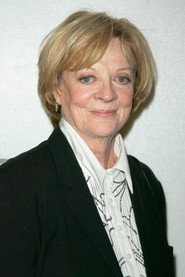 Maggie SmithJudith Hearne
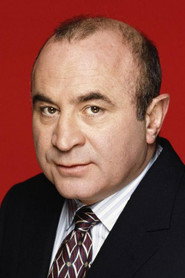 Bob HoskinsJames Madden
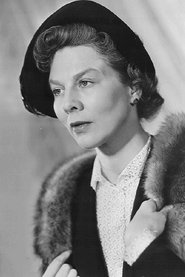 Wendy HillerAunt D'Arcy
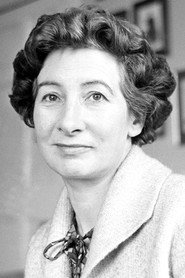 Marie KeanMrs. Rice
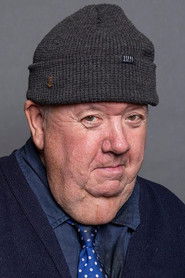 Ian McNeiceBernard Rice
- Rudi DaviesMary
 Prunella ScalesMoira O'Neill
- Áine Ní MhuiríEdie Marinan
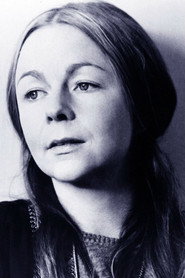 Sheila ReidMrs Friel
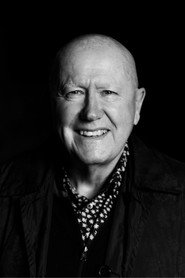 Niall BuggyMr Lenehan
- Kate BinchySister Ignatius
- Martina StanleySister Mary-Paul
Directing
- Jack ClaytonDirector
Writing
- Brian MooreNovel
- Peter NelsonScreenplay
Production
- Irene LambCasting
- George HarrisonProducer