
Film
Ikiru
A civil servant who has spent thirty years stamping forms without meaning learns he has stomach cancer and roughly six months left. What follows isn't a deathbed weepie but a clear-eyed, occasionally funny, ultimately devastating study of a man trying to do one real thing before he goes. Kurosawa builds it in two distinct halves and trusts you to feel the gap between them.
If you liked this
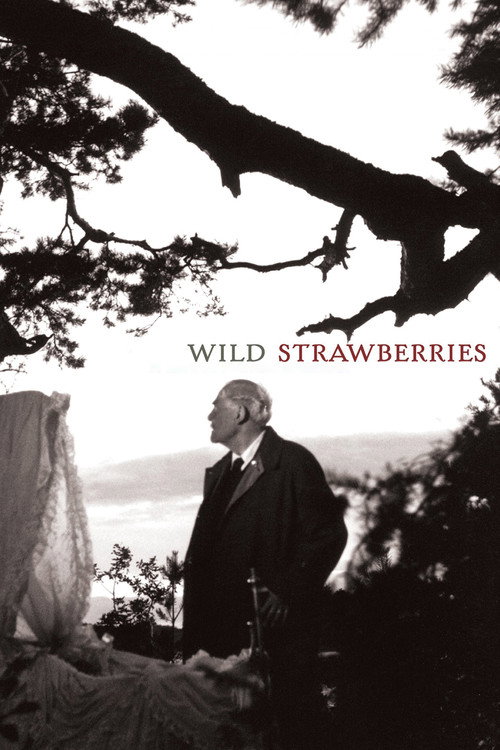
Wild Strawberries1957
Bergman's aging professor takes a road trip through his own memories and regrets on the day he's honored for a lifetime of achievement he now doubts meant anything. Same quiet reckoning, different country.
But Dream sequences and Swedish austerity can feel a world away from Kurosawa's warmth if you're not in a patient mood.
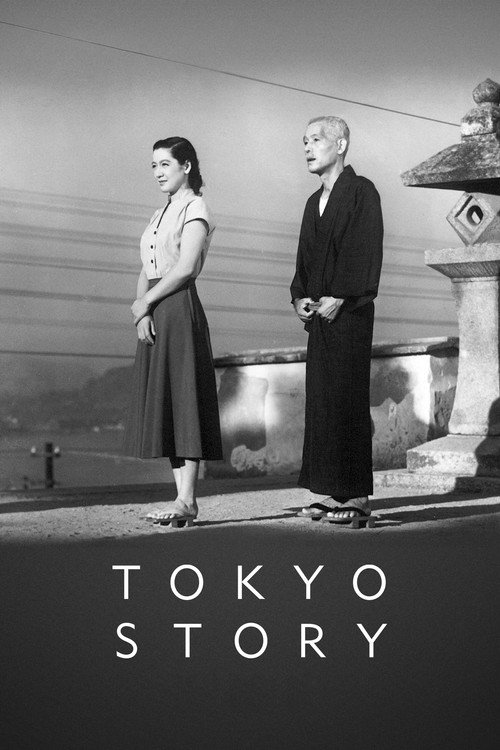
Tokyo Story1953
Ozu's masterpiece, made a year after Ikiru in the same postwar Japan, watches an elderly couple discover their grown children have no real room for them. Devastating without raising its voice once.
But Nothing dramatic happens on purpose. If you need plot momentum, this will feel glacial.
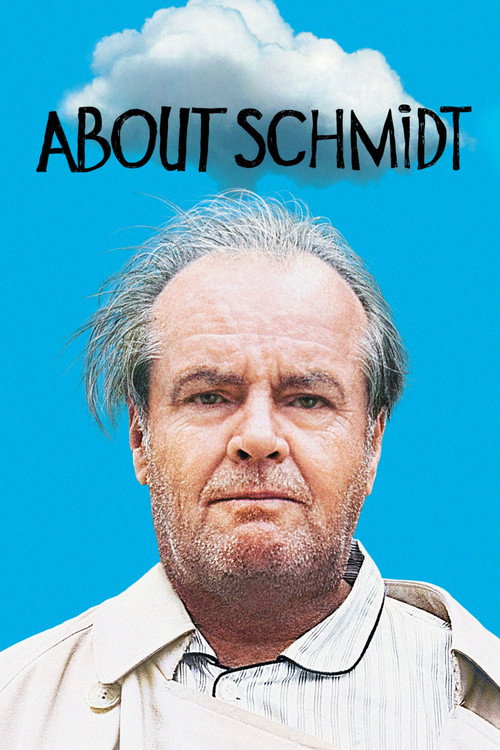
About Schmidt2002
Jack Nicholson plays a man who retires and discovers the emptiness underneath decades of dutiful work, an American cousin to Watanabe's crisis with more bile and more jokes.
But Nicholson's Schmidt is prickly and often unlikeable in ways Watanabe never is, which some viewers find hard to root for.
The wildcard
Something you would not have found on your own.
Up2009
Both films start from the same devastating premise, a life quietly wasted or nearly over, and ask what one late, deliberate act of purpose can redeem. Kurosawa does it in a park; Pixar does it with balloons.
Pixar's opening minutes deliver a wordless, devastating account of a whole life passing by, then spend the rest of the film asking what an old man does with what's left. Genuinely one of the saddest openings in any family film.
But It's an animated adventure comedy for most of its runtime, a tonal swing that might feel jarring after Ikiru's sustained ache.

More like this (8)
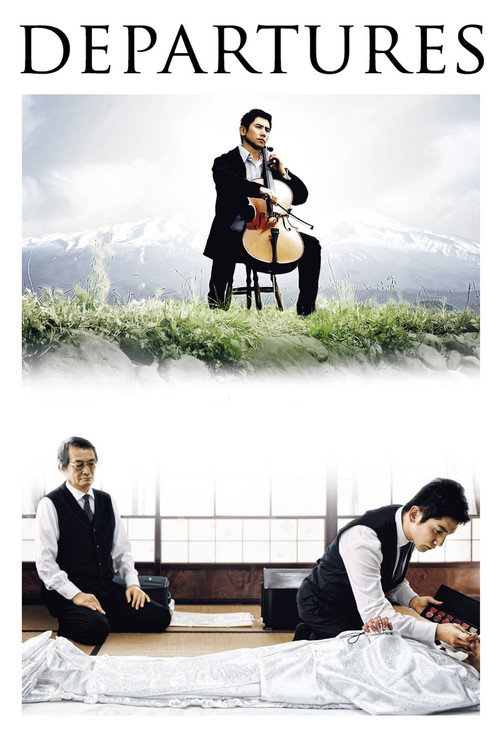
Departures2008
A failed cellist stumbles into work preparing the dead for burial and finds unexpected purpose and dignity in it. Another Japanese film about finding meaning in the most overlooked kind of labor.
But The subject matter, ritual preparation of corpses, is handled tenderly but is understandably not for everyone.
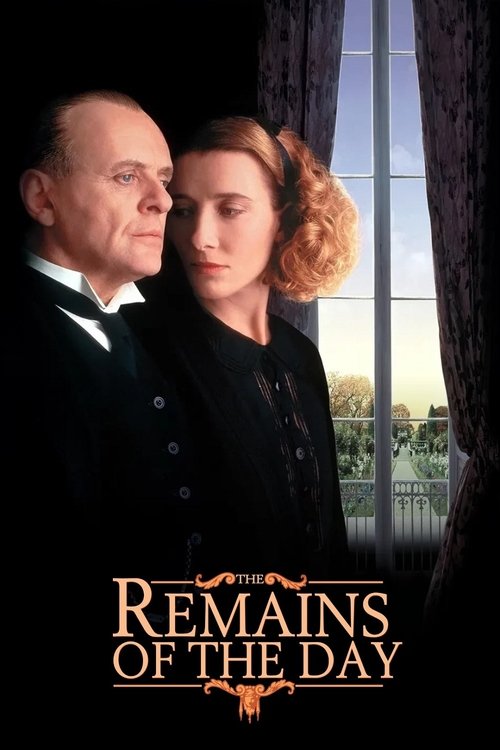
The Remains of the Day1993
Anthony Hopkins plays a butler so devoted to duty he's let his whole life pass him by, arriving at the same terrible clarity Watanabe reaches, just decades too late to act on it.
But It's a slow burn of repression rather than transformation, and the ending offers little of Ikiru's grace.
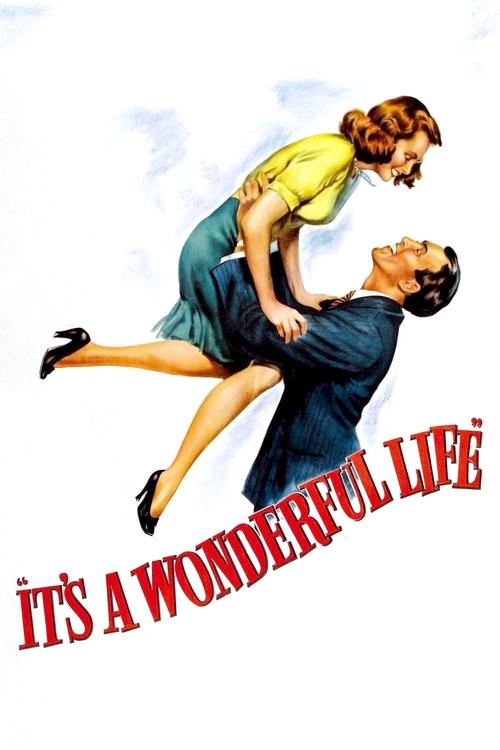
It's a Wonderful Life1946
Frank Capra's classic about a man who needs to see his life from the outside to understand it mattered. Warmer and more hopeful than Ikiru, but wrestling with the same terror of insignificance.
But The angel-and-heaven framing is far more sentimental than anything in Kurosawa's more clear-eyed film.
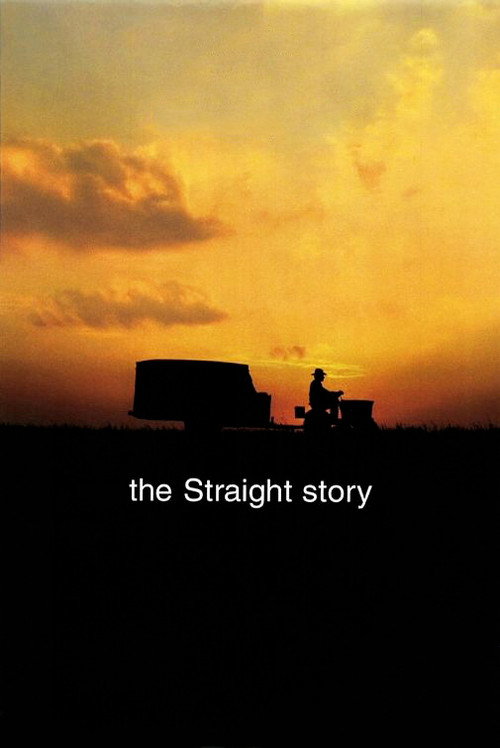
The Straight Story1999
David Lynch's gentlest film follows an old man driving a lawnmower across states to reconcile with his dying brother. Quiet, plain, and unexpectedly moving in exactly the register Ikiru trades in.
But Almost nothing happens by design; the pace demands real patience from anyone expecting Lynch's usual strangeness.
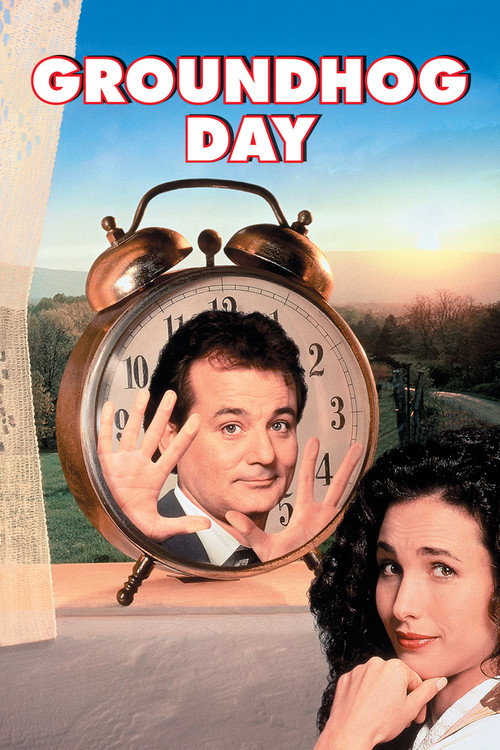
Groundhog Day1993
A vain, hollow man is forced to relive the same day until he finally learns to spend it on something other than himself. The same engine as Ikiru, run through a comic time loop.
But The high-concept comedy and rom-com shell might feel too light for anyone wanting Ikiru's gravity.
The Bucket List2007no page yet
Two terminally ill men decide to spend their remaining time actually living instead of waiting to die. A much broader, glossier take on facing mortality with a checklist instead of a park bench.
But It's frankly sentimental Hollywood where Ikiru is restrained; some will find it manipulative by comparison.
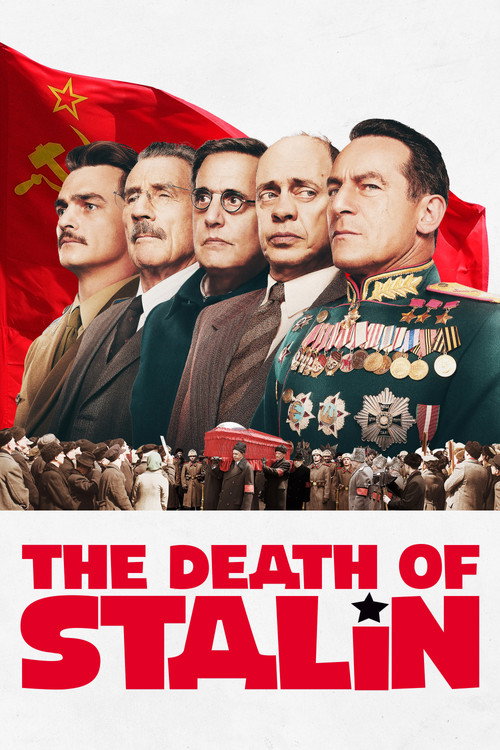
The Death of Stalin2017
Same machine Watanabe spent decades trapped inside, bureaucracy that exists to protect itself rather than help anyone, but here Kurosawa's tragedy is played as absurdist farce, the paperwork now a matter of life and death for everyone in the room.
A pitch-black farce about Soviet officials scrambling for power the moment their leader dies, where every bureaucrat is terrified of doing the wrong paperwork at the wrong moment. Vicious, hilarious, and oddly familiar.
But It's broad, sweary political comedy with a body count, tonally about as far from Kurosawa's stillness as you can get.
Scrooge1951no page yet
A full century of Scrooge adaptations got to the same insight Ikiru arrives at secularly: nothing forces a wasted man to change like the sudden, concrete knowledge that his time is nearly gone.
A miserly old man confronted with the emptiness of his life reforms himself before it's too late, in this beloved British version starring Alistair Sim, made the same year Kurosawa was writing Ikiru.
But Ghosts and supernatural moralizing replace Kurosawa's realism entirely; this is a fable, not a character study.
People
Cast
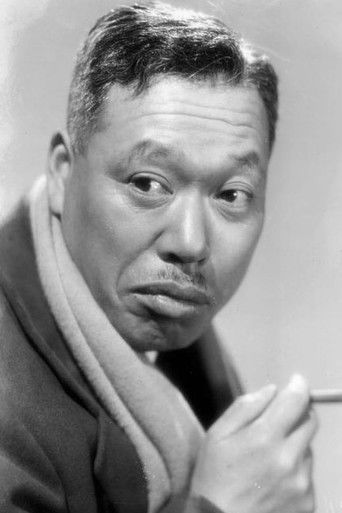 Takashi ShimuraKanji Watanabe
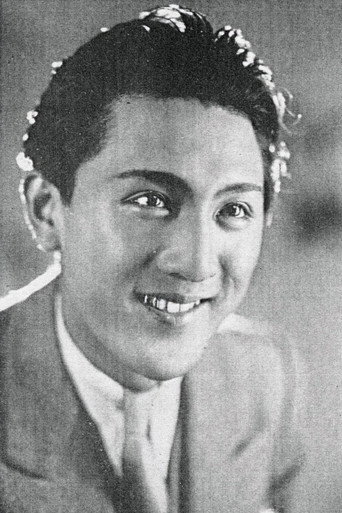 Haruo TanakaSakai
 Nobuo KanekoMitsuo, son of Kanji
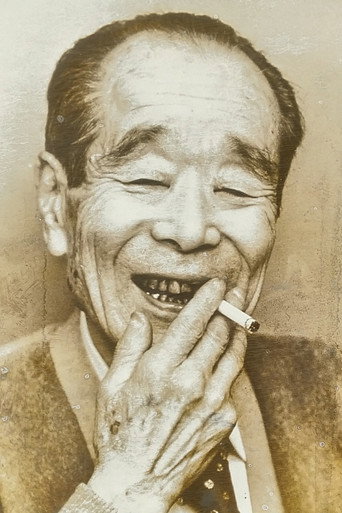 Bokuzen HidariOhara
 Miki OdagiriToyo
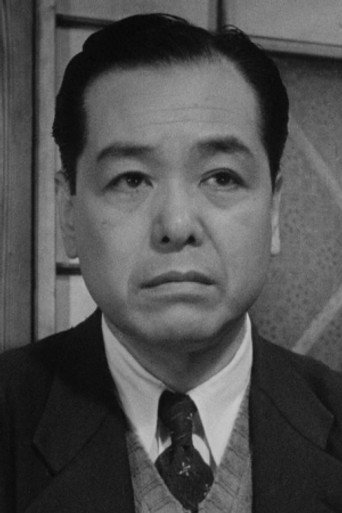 Shinichi HimoriKimura
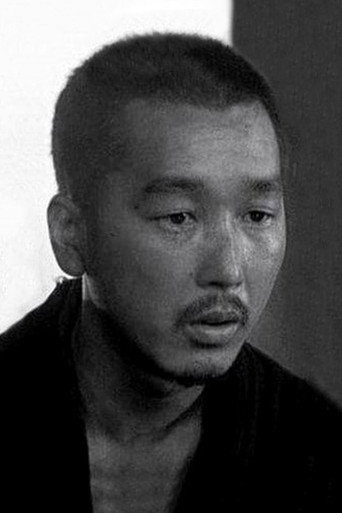 Minoru ChiakiNoguchi
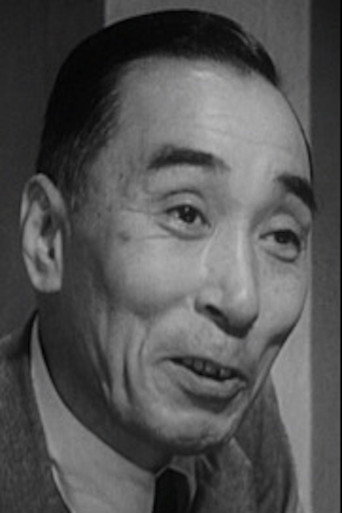 Minosuke YamadaSubordinate Clerk Saito
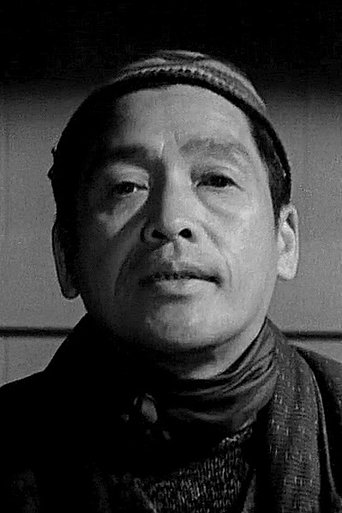 Kamatari FujiwaraSub-Section Chief Ono
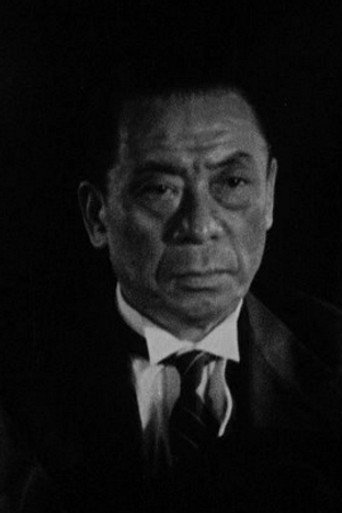 Makoto KoboriKiichi Watanabe, Kanji's Brother
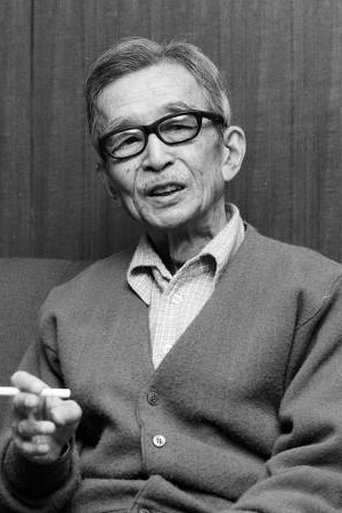 Nobuo NakamuraDeputy Mayor
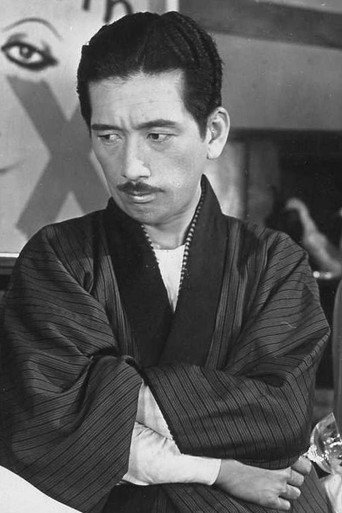 Atsushi WatanabePatient
Directing
- Hiromichi HorikawaAssistant Director
- Hisanobu MarubayashiAssistant Director
- Akira KurosawaDirector
Writing
- Akira KurosawaScreenplay
- Hideo OguniScreenplay
- Shinobu HashimotoScreenplay
Production
- Sōjirō MotokiProducer
Recommended by
Jiro Dreams of Sushi, Harold and Maude, Sansho the Bailiff, About Time, The Diving Bell and the Butterfly, 127 Hours, Frieren: Beyond Journey's End, Departures, Tokyo Story, One Foot in the Grave, A Man Called Ove, The Human Condition I: No Greater Love, Wild Strawberries, Harakiri, Wit, Never Let Me Go, Notes on Blindness, Pather Panchali, Klaus, Suzume, Aparajito