
Film
Maa
A 1952 Indian family drama about two brothers navigating education, romance, and duty to aging parents in post-independence India. Maa is tender and morally serious, built on the tension between individual desire and filial obligation. It's for anyone who loves character-driven stories where love matters less than what you owe the people who raised you.
If you liked this
Pather Panchali1955
Satyajit Ray's masterpiece about rural Bengali family life has the same emotional depth and visual poetry. It renders ordinary domestic moments—a mother's exhaustion, a child's wonder—with devastating tenderness and moral clarity.
But It moves at a deliberate pace and relies on restraint rather than dramatic incident. Some find its sadness hard to sit with.

The Godfather1972
Both films are fundamentally about sons, fathers, and the collision between personal ambition and family duty. The emotional architecture—how much you sacrifice, what you owe—is identical, just in different registers.
But Three and a half hours, and nothing like the intimate scale of Maa. The violence and crime world may feel distant from what drew you to this film.

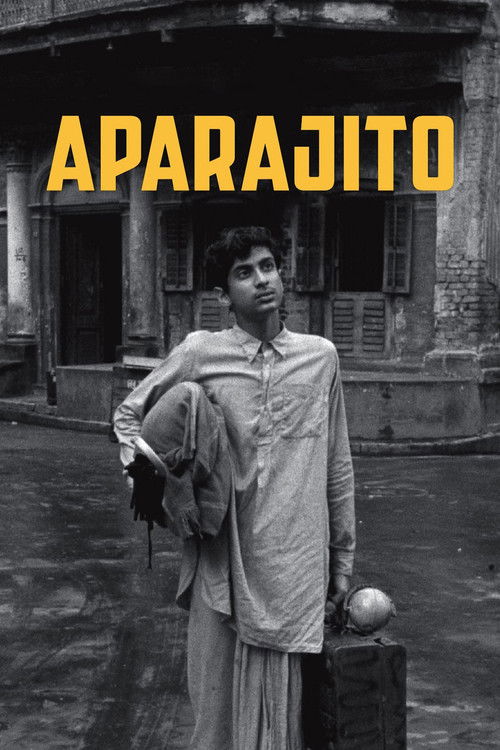
Aparajito1956
Ray's sequel to Pather Panchali follows a son's education and his mother's sacrifice. It deepens the family tensions that Maa explores: how love between parent and child can coexist with resentment and distance.
But Emotionally grueling. The second half is relentlessly bleak, and there's no catharsis, only understanding.
Not sure tonight? Get a pick in a minute, starting from Maa
The wildcard
Something you would not have found on your own.
Tokyo Story1953
Both films locate their deepest drama in the unspoken space between parent and adult child. Both believe that love often means accepting distance.
Ozu's masterpiece is Maa's spiritual twin: aging parents visit their son in Tokyo, and the film finds profound melancholy in the gap between expectation and reality, love and understanding. Same year's sensibility, same theme, different country.
But Japanese cinema of this era moves differently—slower, more oblique. No music, no melodrama. Requires patience and active watching.

More like this (7)
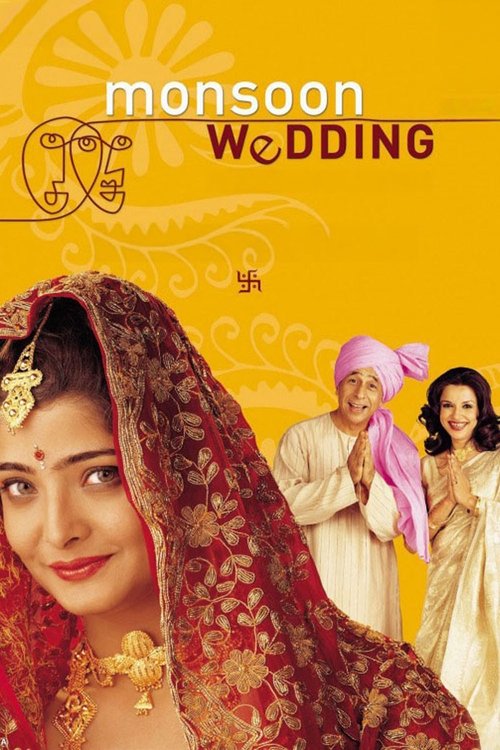
Monsoon Wedding2001
Mira Nair's film has Maa's warmth and its fundamental belief in family as the crucible of meaning. Three generations, competing loyalties, love as both anchor and burden—all rendered with humor and genuine affection.
But Much lighter and more colourful than Maa. If you want the same grave tone, this will feel like a tonal shift.
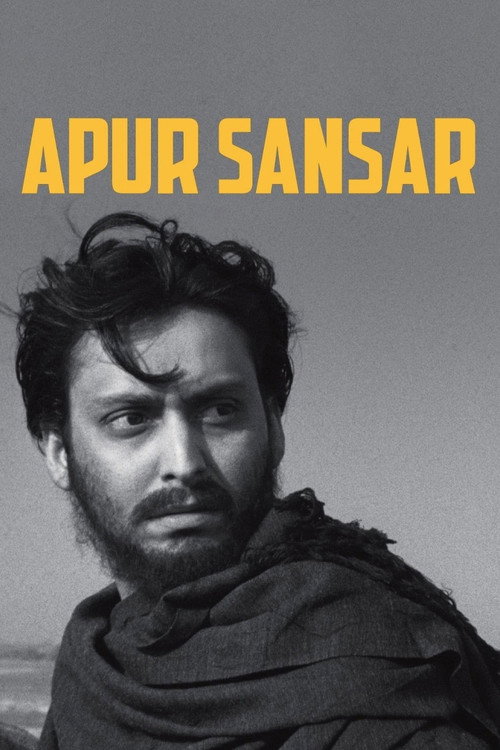
The World of Apu1959
Ray's completion of the Apu trilogy shows a man building a life after loss. Like Maa, it's interested in how duty, love, and ambition reshape each other. Achingly humane.
But The trilogy is long to commit to. This one assumes you've seen the first two, and it's even quieter than its predecessors.
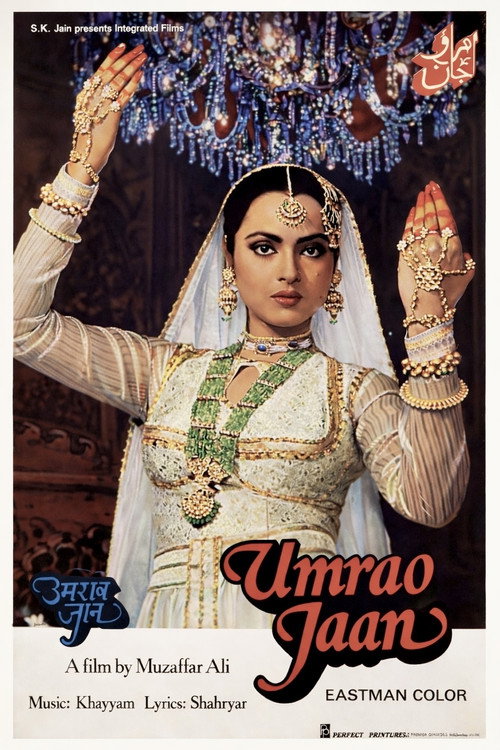
Umrao Jaan1981
Muzaffar Ali's film shares Maa's preoccupation with duty, longing, and the impossible choice between personal happiness and social obligation. It's visually sumptuous and emotionally wrenching.
But The subject matter—a courtesan in Mughal India—is very different. Some find the film's pacing uneven, and it's more concerned with poetry than plot.
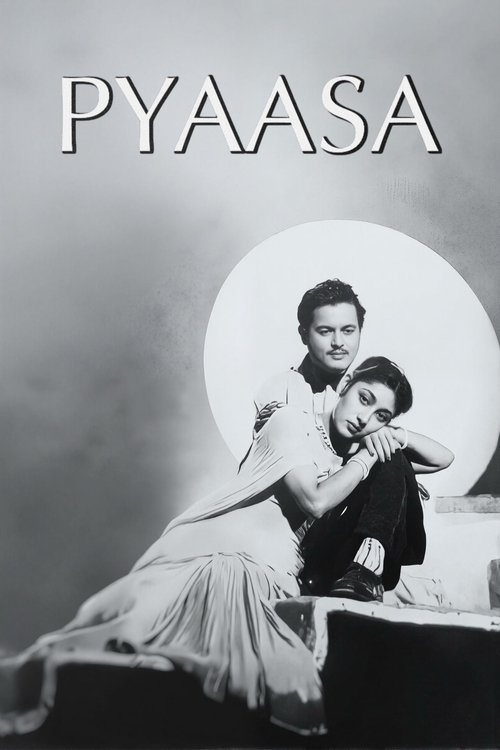
Pyaasa1957
Guru Dutt's masterpiece about an idealistic poet failed by family and society. Like Maa, it's about the cost of remaining true to yourself when the world demands compromise.
But Darker and more cynical than Maa. If you want affirmation of family bonds, this film will unsettle you instead.
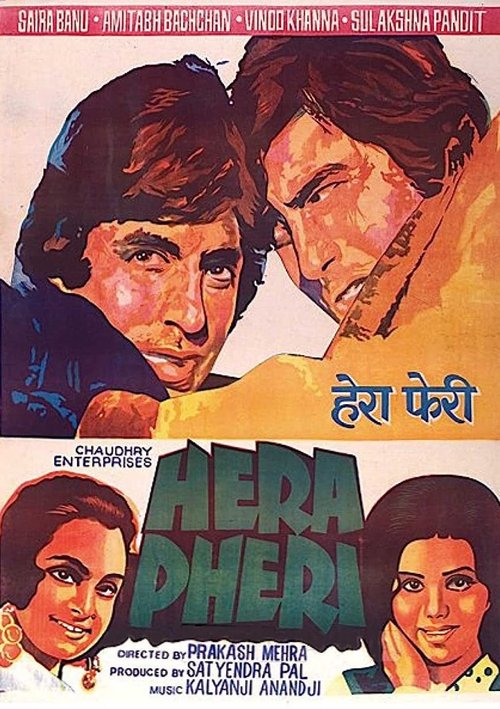
Hera Pheri1976
A lighter Hindi drama about brothers and family obligation. If Maa moved you but felt too heavy, this offers similar themes with more warmth and occasional humour.
But Considerably less artful. The emotional sophistication drops noticeably, and the drama feels more conventional.
The Nest2020
Both understand that duty to parents is not sentimental—it's complicated, sometimes resentful, and all the more real for being so.
A contemporary British miniseries about two middle-aged men who reunite and must reckon with family duty, unfulfilled ambition, and what you owe your aging mother. It has Maa's moral seriousness about obligation and its tenderness toward parents.
But Modern setting, contemporary sensibility. If you're drawn to Maa for its period or cultural specificity, this will feel very different. Also quite bleak about male friendship.

Ikiru1952
Both films treat old age and the end of working life not as tragedy but as a reckoning. Both insist that parents matter.
Kurosawa's film about an aging Japanese bureaucrat finding meaning in his final years shares Maa's concern with duty, mortality, and what remains when ambition fades. Shot the same year, equally profound about aging and family.
But Denser and more philosophical than Maa. The pacing is demanding, and it offers no comfort—only clarity. Some find it exhausting.

People
Cast
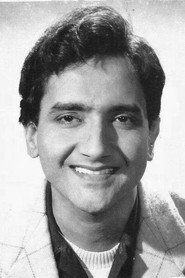 Bharat BhushanBhanu
 Leela ChitnisBhanu's & Raju's mom
 ShyamaMeena
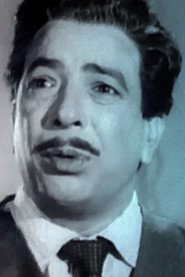 Nazir HussainBhanu's & Raju's dad
- Paul MahendraRaju


Directing
- Bimal RoyDirector
Writing
- Bharat VyasLyricist
- Bimal RoyScreenplay
- Asit SenStory
- Nabendu GhoshStory
- Nabendu GhoshWriter
- Paul MahendraWriter