
Film
Pyaasa
Pyaasa is a haunting 1957 Indian melodrama about a struggling poet navigating poverty, unrequited love, and artistic compromise. Guru Dutt's performance carries you through a morally complex world where success demands sacrifice. It's visually ravishing, emotionally devastating, and asks whether purity survives contact with the world.
Should you watch it?
Watch it if you are drawn to melancholy character studies about an artist who will not sell out, where the songs and lingering silences carry as much weight as the plot.
Skip it if the pace is deliberately slow and the sentiment runs heavy, so if you want brisk plot or lighthearted romance, the melodrama and long stretches of brooding may wear thin.
What it asks of you: At nearly two and a half hours, it moves at a patient clip and rewards sitting through its slower, sentimental passages with fuller emotion.
Not sure? Find tonight's pick in a minute.
If you liked this
Bicycle Thieves1948
Italian neorealism at its height: a father and son searching Rome for a stolen bicycle becomes a portrait of desperation, dignity, and how poverty strips away choices. Essential cinema.
But It's grim without being flashy about it. The ending refuses catharsis. Very slow by modern standards.

The Third Man1949
Post-war Vienna, betrayal, moral ambiguity, and one of cinema's most indelible characters. Reed's direction is dazzling; the zither score is unforgettable. A masterpiece about disillusionment.
But The framing is audacious but can feel mannered. It's interested in ideas as much as people, which some find cold.

Umrao Jaan1981
A tawaif's life in 19th-century Lucknow: gorgeous, tragic, sensual. Rekha is transcendent. It shares Pyaasa's tragedy and fatalism, its love for doomed figures society discards.
But Melodramatic by design. The romance is bittersweet rather than triumphant. Long, meditative passages won't suit everyone.

Not sure tonight? Get a pick in a minute, starting from Pyaasa
The wildcard
Something you would not have found on your own.
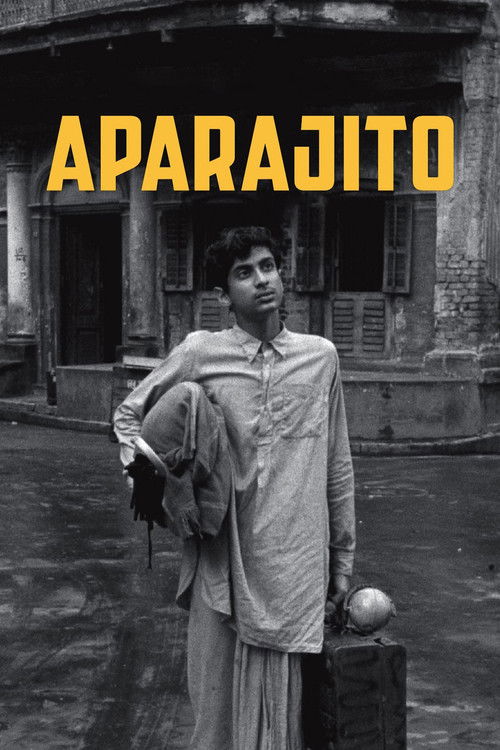
Aparajito1956
Both films depict the collision between personal ambition and social obligation in post-independence India, but from opposite emotional registers. Ray finds grace in acceptance; Dutt finds tragedy in compromise.
Satyajit Ray's middle film about a young man torn between artistic aspiration and familial duty. Made the same year as Pyaasa, it asks the same question—can you choose yourself?—with Ray's humanist patience and visual grace.
But It's understated where Pyaasa is operatic. Glacial pacing; minimal plot momentum. Requires patience and attention.
More like this (8)
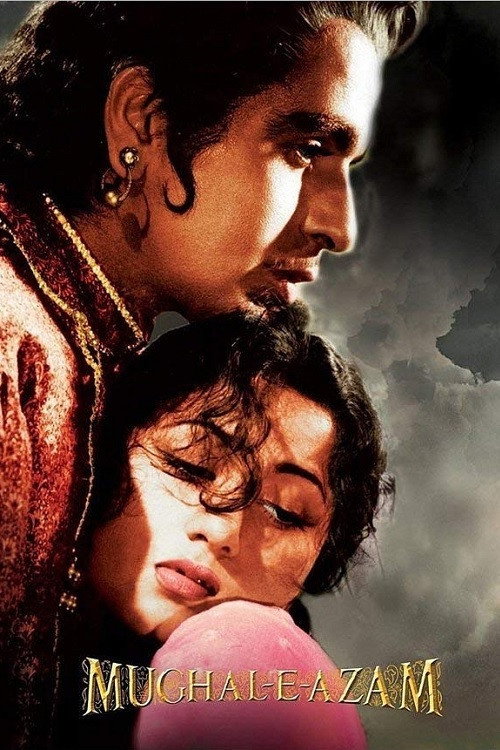
Mughal-e-Azam1960
The grandest Indian historical romance ever made. Incomparable production design, dance, and the chemistry between leads. A love story that collides with duty, empire, and mortality.
But It's operatic—every emotion turned up to maximum. Three and a half hours. If you don't surrender to melodrama, it'll feel exhausting.
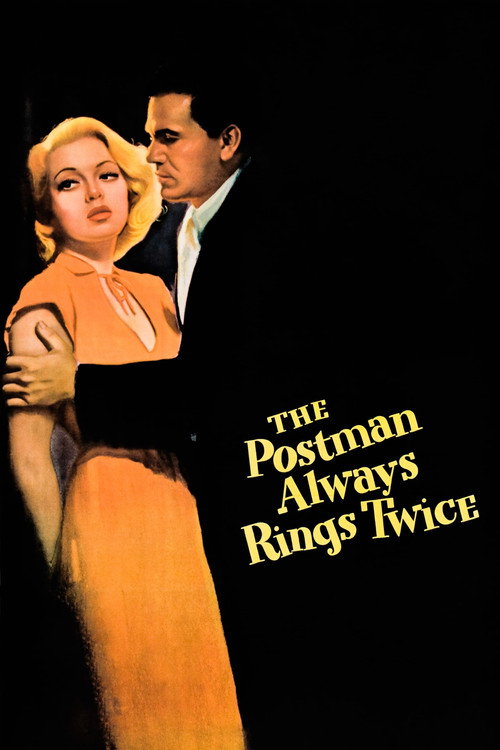
The Postman Always Rings Twice1946
American noir with Lana Turner and John Garfield as lovers plotting murder. The same fatalism as Pyaasa: desire and ambition leading inexorably toward ruin. Taut and morally murky.
But It's quick and efficient, which means some character depth gets sacrificed. The ending is tidy in a way that feels convenient.
In the Mood for Love2000
Wong Kar-wai's Singapore masterpiece: two neighbors discover their spouses are having an affair and fall for each other instead. Every frame is painterly. A meditation on desire, restraint, and time.
But It's more visual poem than plot. Glacially paced. If you need things to happen, you'll be frustrated by the stillness.

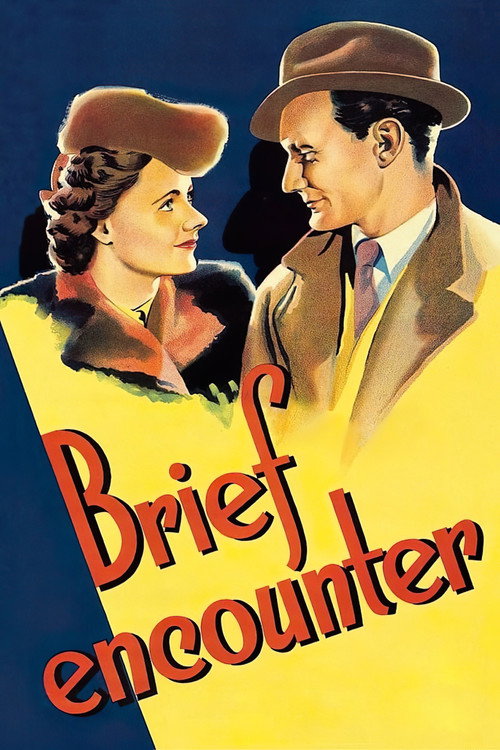
Brief Encounter1945
Coward's screenplay about two married people who fall in love at a railway refreshment room. Exquisitely restrained, deeply felt, about how life enforces compromise on the heart.
But The restraint can read as repression to modern viewers. It's very British, very 1945. The score borders on treacly.
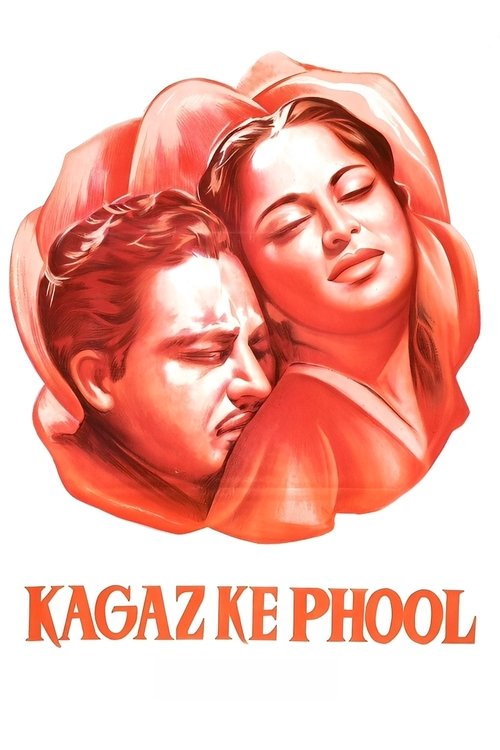
Kaagaz Ke Phool1959
Guru Dutt again, as a film director declining into poverty and obscurity after a scandal. A crushing autofiction about fame, betrayal, and the price of artistic integrity. Visually stunning.
But It's relentlessly downbeat. No character offers real warmth or hope. The pacing sprawls; some scenes feel self-indulgent.
A Place in the Sun1951
Montgomery Clift as a poor man seduced by wealth and a rich woman, abandoning his pregnant girlfriend. Melodramatic but piercing—about ambition, class, and the murder it can inspire.
But Occasionally overwrought. Clift's emotional intensity won't resonate with viewers allergic to 1950s acting style. Not subtle.

Requiem for a Dream2000
Both pit human longing against a world designed to crush it. Both use visual beauty to amplify despair rather than soften it. Both argue that to want deeply in an indifferent world is to court destruction.
Four people in New York destroyed by their separate addictions—to drugs, diet pills, television, love. Formally audacious, agonizing, hallucinatory. Aronofsky's direction is operatic devastation without sentimentality.
But Bleak and assaultive. The visual style—split screens, fast cuts, electronic score—will exhaust viewers wanting restraint. Genuinely harrowing.

The Ascent1977
Both are about artists/idealists confronting a world that will not accommodate their visions. Both argue that purity and the world are incompatible. But where Dutt makes it romantic tragedy, Shepitko makes it spiritual necessity.
Larisa Shepitko's philosophical masterpiece: two Soviet partisans trudge through snow toward execution, debating faith and meaning. Monochrome, sparse, metaphysical. A meditation on martyrdom and the soul's absolute claims.
But Almost entirely abstract and internal. No conventional drama. The visual austerity and philosophical weight will alienate viewers wanting plot or character development.

People
Cast
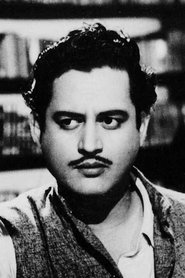 Guru DuttVijay
 Waheeda RehmanGulabo
 Mala SinhaMeena
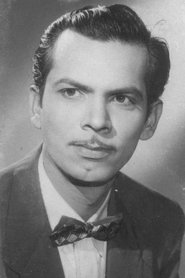 Johnny WalkerAbdul Sattar
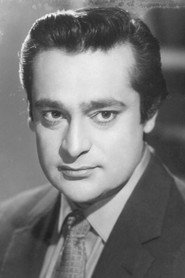 RehmanMr. Ghosh
 KumkumJuhi
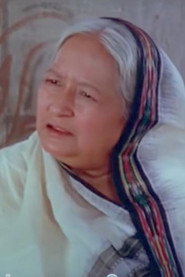 Leela MishraVijay's Mother
- Shyam KapoorShyam
 MehmoodVijay's brother
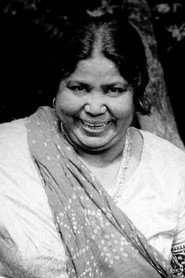 Tun TunPushplata
Directing
- NiranjanAssistant Director
- Shyam KapoorAssistant Director
- Guru DuttDirector
Writing
- Abrar AlviDialogue
- Sahir LudhianviLyricist
- Abrar AlviScreenplay
Production
- Guru DuttProducer
- G.L. KashmiriProduction Manager
- S. GuruswamiProduction Supervisor
Recommended by
Kaagaz Ke Phool, Devdas, Mera Naam Joker, Hate Story, Mere Yaar Ki Shaadi Hai, Aagey Se Right, Vidhaata, Mughal-e-Azam, Darr, Awaara, Devdas, Bandhan, Gunga Jumna, Aina, Ek Duuje Ke Liye, Chalti Ka Naam Gaadi, Tumsa Nahin Dekha, Amar Prem, Andaz, An Evening in Paris, Baat Ek Raat Ki, Junglee, Bombay Talkie, Teesri Kasam, Shree 420, Thank You, Kaavalan, Teesri Manzil, Mere Sanam, Ek Villain, Mere Huzoor, Bandhan, Izzat, Arzoo, Ishaqzaade, Andaaz, Taxi No. 9211, Anarkali, Devdas, Aranmanai, Teri Baaton Mein Aisa Uljha Jiya, Anari, Maa, Aa ab Laut Chalen, Rowdy Fellow, Insaan Jaag Utha, Shaitaan, Madhumati, The Archies, Jaal, Inspector, Dharmatma, Chori Chori, Baazi, Kismet, Bhai, The Angrez 2, Howrah Bridge, Sheesh Mahal, Phool Aur Patthar, Suraj, Funtoosh, Jeene Do, Ek Phool Char Kaante, Barsaat, Anuradha, Bhabhi, Barsaat Ki Raat, Uski Kahani, Manchali, Bazar, Sohag Raat, Ek Nazar, Namak Halaal, Munimji, Mere Mehboob, Aar Paar, Aag, Lajwanti, Janwar, Dil Tera Diwana, Babul, Adalat, Mahal, Aaj Ka Goonda Raaj, Gundamma Katha, Mausam, Insaniyat, Bandini, Khamoshi, Patita