
Film
Insaan Jaag Utha
A 1959 Bollywood family drama about a woman protecting her household from a stranger with hidden motives. Built on the tension between hospitality and suspicion, it's a richly melodramatic film where loyalty, sacrifice, and moral clarity matter more than plot mechanics. A showcase for Madhubala's grace and the era's particular brand of earnest emotional intensity.
If you liked this
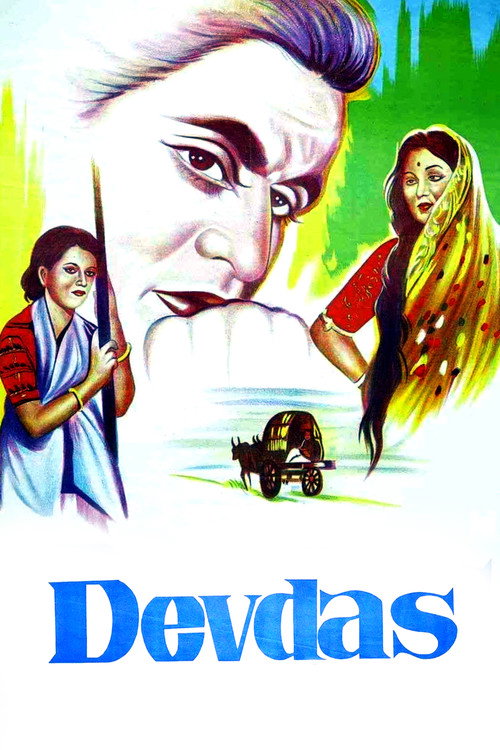
Devdas1955
Bimal Roy's masterpiece of longing and self-destruction. Dilip Kumar and Madhubala are devastating together, and the film moves with operatic inevitability. Essential viewing for understanding postwar Hindi cinema's emotional vocabulary.
But At nearly four hours, it demands patience. The pacing is deliberate—some find it glacial—and the fatalism can feel oppressive rather than tragic.
Pyaasa1957
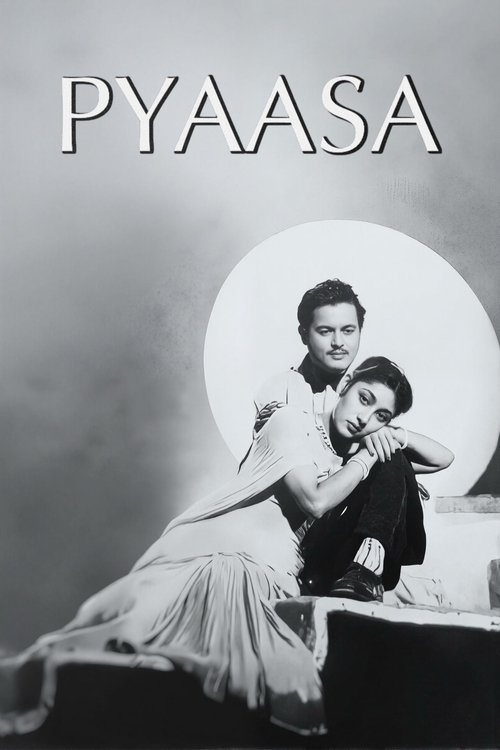
Guru Dutt's love letter to a broken city and a broken man. Visually stunning, morally complex, and deeply cynical about art, love, and society. It lingers with you for weeks.
But The ending divides people sharply. Some find it transcendent; others find it sentimental. The film is also quite dark about human nature.
Aag1948
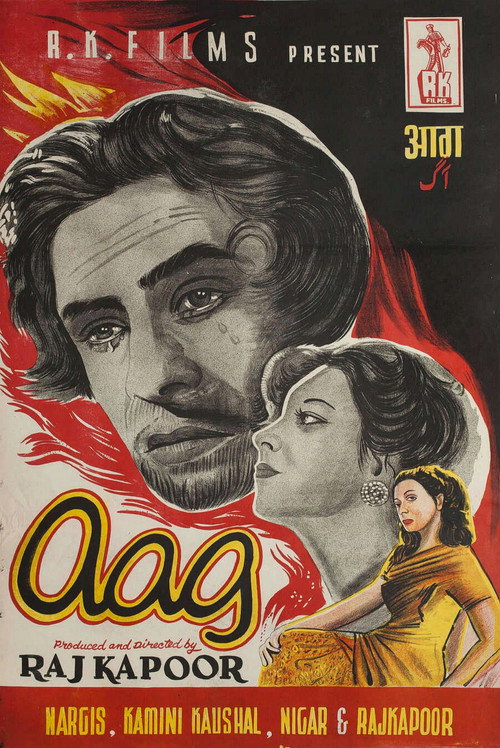
Raj Kapoor's debut feature is a thriller about a man wrongly accused, shot with real visual flair and mounting suspense. It's taut, intelligently constructed, and shows early Hindi cinema embracing noir sensibilities.
But The print quality can be rough, and the pacing in the middle sags. Some plot turns feel contrived even by the standards of the time.
Not sure tonight? Get a pick in a minute, starting from Insaan Jaag Utha
The wildcard
Something you would not have found on your own.
The Housemaid1960
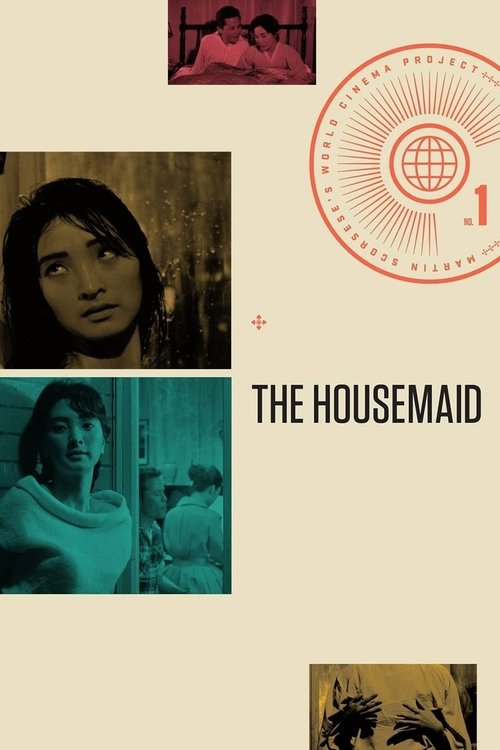
Both use the 'dangerous intruder' premise to explore class anxiety and family loyalty, but they approach it from opposite emotional registers: one is melodramatic protection, the other is paranoid collapse.
Kim Ki-young's Korean masterpiece of paranoia and class resentment, made just after *Insaan Jaag Utha*. Like the Hindi film, it's about a stranger entering a home with hidden motives—but where the Indian film leans toward melodrama, this goes full psychological horror. The tension is unbearable, the social commentary razor-sharp, and it remains genuinely disturbing.
But It's bleak and misogynistic in ways that feel lived-in rather than accidental. The violence is sudden and ugly. If you want reassurance, this film offers none.
More like this (8)
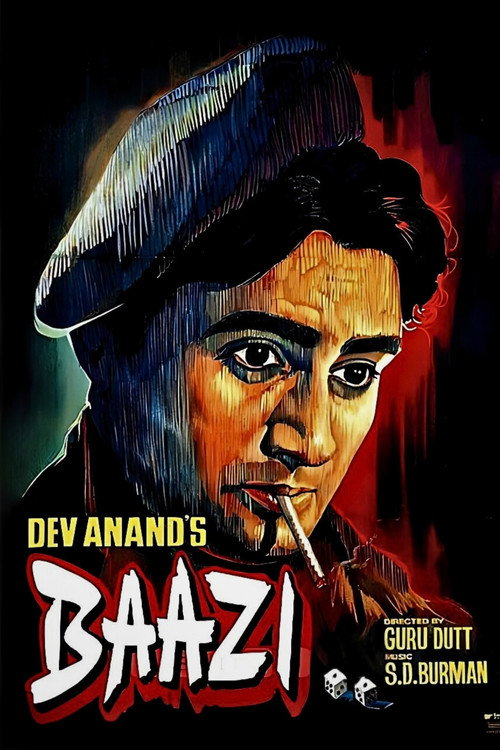
Baazi1951
Guru Dutt's directorial debut—a stylish crime thriller that moves like a knife. The gambling sequences crackle with tension, and there's a sophistication to the filmmaking that feels ahead of its moment.
But It's primarily a plot engine rather than a character study. If you need emotional depth over intrigue, it might feel slight.
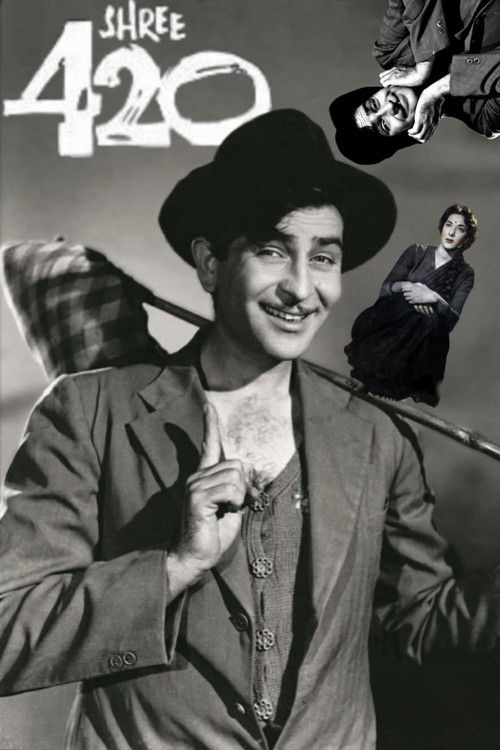
Shree 4201955
Raj Kapoor as a charming con artist in postwar Delhi. It's funny, it's got genuine heart, and it works as both social commentary and pure entertainment. The famous rain dance number is worth the price alone.
But The political message is laid on thickly. The romantic subplot feels thin compared to the main story, and the resolution is tidy in a way that strains credibility.
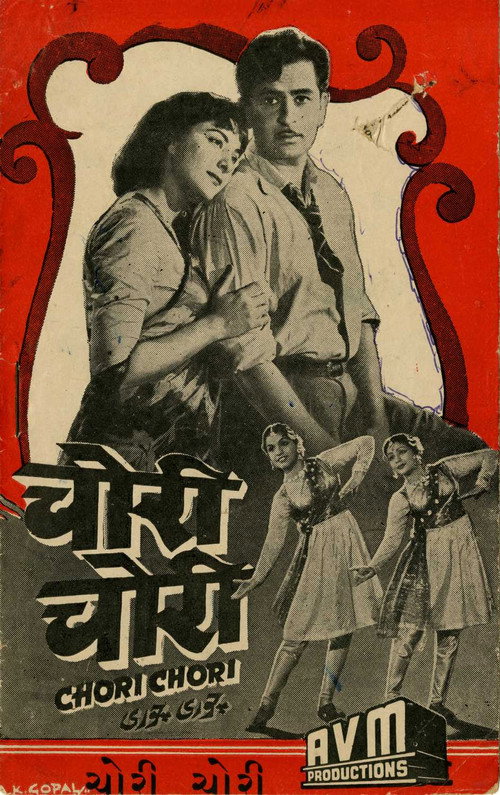
Chori Chori1956
A lighter touch than most of its contemporaries—a clever romantic comedy built around mistaken identity and class tension. Raj Kapoor and Nargis have genuine chemistry, and it moves with wit and ease.
But If you're in the mood for emotional weight, this will feel frivolous. The plot mechanics show, and some gags land better than others.
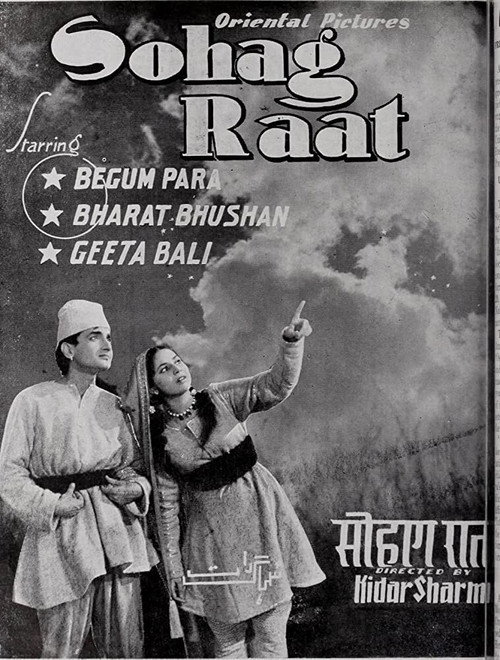
Sohag Raat1948
An intimate domestic drama that trusts the audience to sit with its quieter moments. It's about marriage as endurance and compromise, without melodrama. Genuinely moving.
But Nothing happens in the way you might expect. If plot propels you, you'll get frustrated. The emotional temperature is deliberately muted.
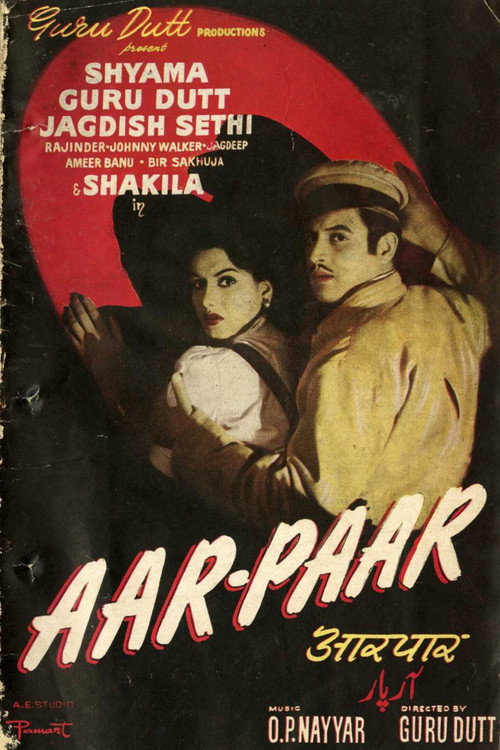
Aar Paar1954
Guru Dutt again, this time in a stylish thriller about crime and double-crosses. It's got glamour, dance sequences that stop the show, and a cynical edge. S.D. Burman's music is exceptional.
But The plot is convoluted and sometimes hard to follow. The film cares more about mood and spectacle than clarity, which can be frustrating.
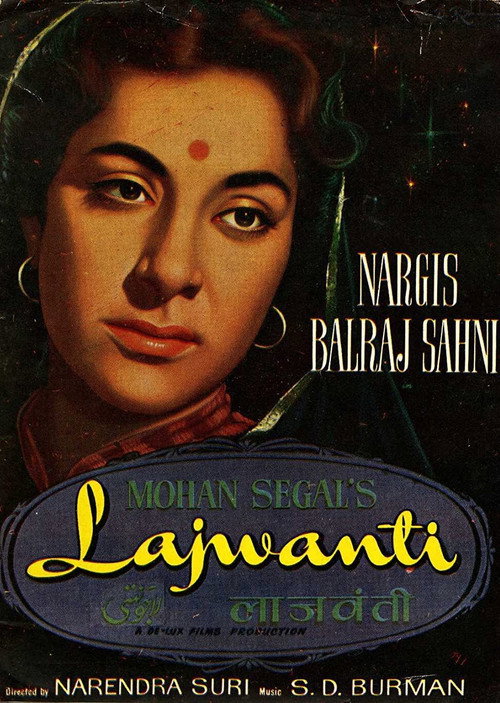
Lajwanti1958
A sensitive drama about partition and its aftermath, centered on a woman rebuilding her life. It's thoughtful, restrained, and rare in how it treats its subject without exploitation.
But It moves slowly and asks you to bring your own emotional weight to it. The historical moment might feel distant if partition history isn't familiar ground.
Bicycle Thieves1948
Both films trust family bonds and everyday crisis to carry the weight. Where *Insaan Jaag Utha* is about suspicion within the home, this is about the world's cruelty to it. Both make that domestic sphere sacred ground.
Vittorio De Sica's Italian neorealist classic about a father searching for his stolen bicycle. It sounds simple because it is: a man, a boy, one day, mounting desperation. The emotional clarity is staggering. This is what cinema does better than anything else.
But Nothing is explained. There are no violins swelling at the right moments. The ending will devastate you in a way that feels unearned if you're not ready for it.

Devi1960
Both examine how families protect themselves through belief—in character, in obligation, in the moral world. Ray questions those beliefs; the earlier film largely affirms them. Watching them together shows how cinema thought about tradition in the moment.
Satyajit Ray's chamber piece about a widow becoming trapped in her family's superstitious beliefs. Made the year after *Insaan Jaag Utha*, it's a different kind of family drama—quieter, more intellectually rigorous, visually austere. It builds unbearable tension through what people believe rather than what they do.
But It's a slow film about stasis. Ray shows you the machinery of oppression in close detail, which some find rewarding and others find punishing. There's almost no music.

People
Cast

 HelenDancer (uncredited)