
Film
Sohag Raat
A 1948 Indian melodrama about duty, obligation, and the fragile bonds of blended family. Sohag Raat traffics in the emotional register of classical Hindi cinema—direct, unironic, invested in how duty wars against desire. It's for anyone drawn to the big feelings and moral clarity of pre-Partition Indian cinema, where even small choices carry weight.
Should you watch it?
Watch it if you enjoy old studio melodramas where family duty and tangled loyalties drive the story, and you don't mind sentiment carrying much of the emotional weight.
Skip it if you want a brisk story or a modern, restrained style; this kind of 1940s Hindi melodrama leans hard on grief, heightened performance and sentimental turns.
What it asks of you: Its shape is slow and sentimental, with long scenes that let feelings play out and few quick cuts or light moments to break the mood.
Not sure? Find tonight's pick in a minute.
If you liked this
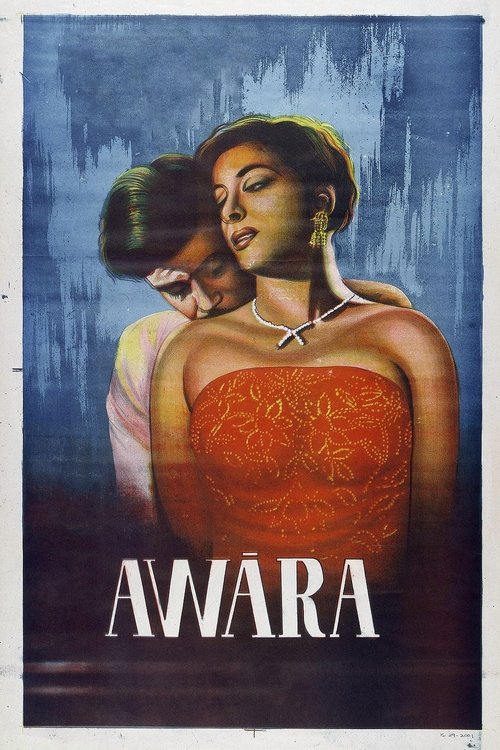
Awaara1951
Raj Kapoor's masterpiece about class, destiny, and redemption. The same era, the same emotional intensity, and proof that 1950s Hindi cinema was making films as sophisticated as anything in the West.
But It's three and a half hours, in black and white, and the melodrama is unapologetic. Modern pacing will feel glacial.
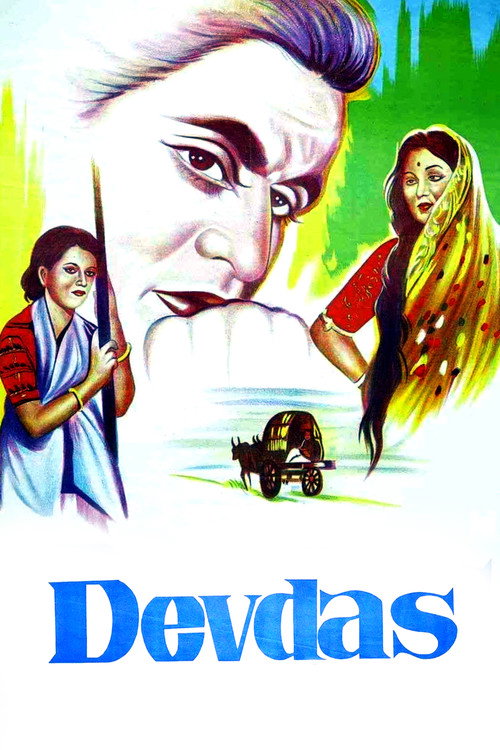
Devdas1955
Bimal Roy's definitive version of Sarat Chandra's novel. A study in how obligation and desire can destroy each other, with Dilip Kumar at his most haunted. The visual language of Indian cinema at its peak.
But The tragedy is relentless and there's no redemption. Some find it punishing rather than cathartic.
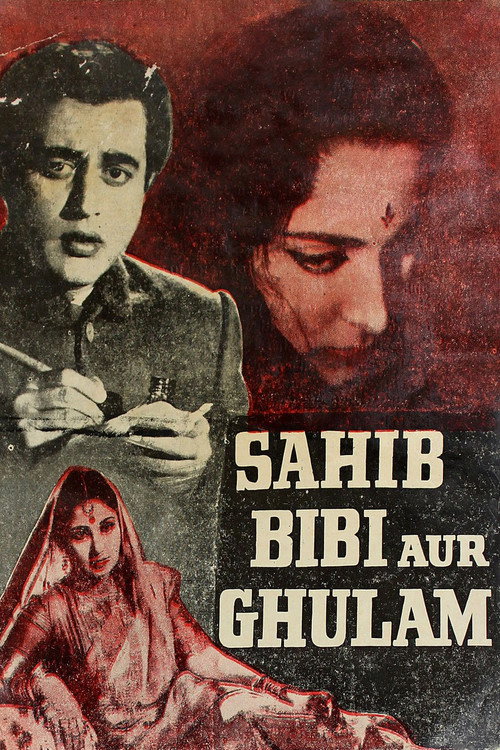
Sahib Bibi Aur Ghulam1962
Abrar Alvi's masterwork about a crumbling household, class resentment, and moral compromise. It has the same DNA as Sohag Raat but with more psychological depth and visual ambition.
But The household dynamics are claustrophobic and the class politics can feel distant if you're not anchored in the context.
Not sure tonight? Get a pick in a minute, starting from Sohag Raat
The wildcard
Something you would not have found on your own.
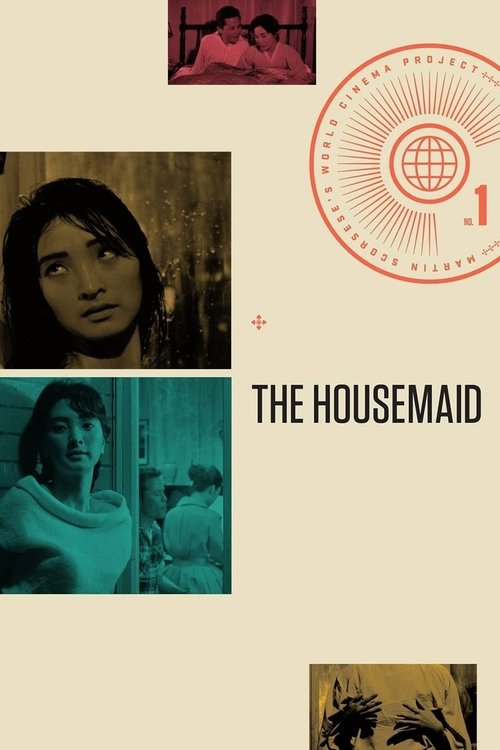
The Housemaid1960
Both films explore how family hierarchies—stepfamily, employer-employee—create moral pressure cookers where duty and resentment become indistinguishable.
Kim Ki-young's Korean masterpiece about a housemaid who destabilizes a bourgeois family. Same moral territory as Sohag Raat—obligation, resentment, class, duty—but filtered through a completely different cultural register and visual language. Hypnotic and unsettling.
But It's in Korean with subtitles, and the tone is psychologically menacing rather than emotionally straightforward. The housemaid isn't sympathetic.
More like this (5)
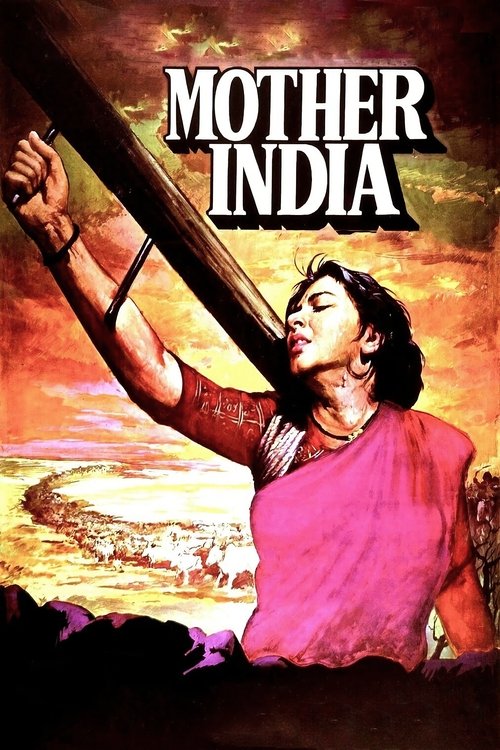
Mother India1957
Mehboob Khan's epic about sacrifice and maternal duty—the closest thing Indian cinema has to a national myth. Nargis is extraordinary. It shares Sohag Raat's moral seriousness about family obligation.
But It's mythic rather than intimate, and the film asks you to accept its values wholesale. That's not for everyone.
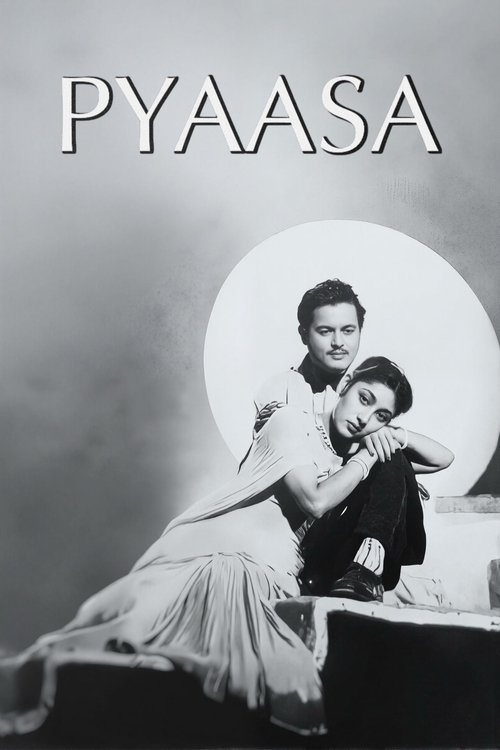
Pyaasa1957
Guru Dutt's heartbreaking portrait of an idealist crushed by indifference. The same era, but Dutt brings modern alienation into the melodramatic form. Visually stunning.
But It's bleak and the pacing is strange by today's standards. The romance feels secondary to the hero's despair.
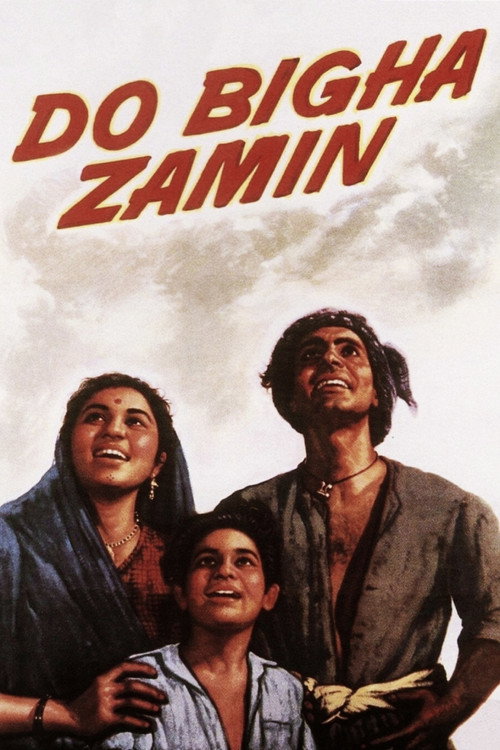
Two Acres of Land1953
Bimal Roy's neorealist take on obligation and loss—a farmer fighting to keep his land. It proves that 1950s Indian cinema could be socially conscious and emotionally true at once.
But The peasant idiom and rural setting may feel distant. It prioritizes social statement over plot momentum.
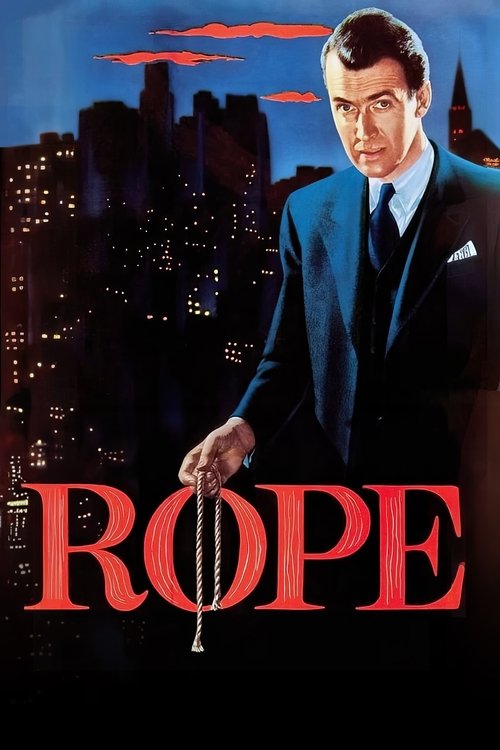
Rope1948
Both films trap their characters in a single domestic space where moral choices are impossible and every relationship is strained past breaking. Time works differently in both.
Hitchcock's real-time thriller released the same year as Sohag Raat. A completely different genre, but it shares the claustrophobic single-room tension and the same obsession with how obligation and morality can fracture under pressure. Technically audacious.
But It's stage-bound and very theatrical. If you hate Hitchcock's trickery or find his brand of suspense gimmicky, this won't change your mind.
Pather Panchali1955
Both honor the interior lives of ordinary people and treat family duty as a moral engine. But Ray strips away melodrama and replaces it with observation—the same story told by a documentarian instead of a poet.
Satyajit Ray's revolution: the film that changed world cinema. Shot in Bengal, naturalistic, about a poor family and a child's growing awareness of loss. It's from the same moment in Indian film history as Sohag Raat, but it points toward the future instead of the past.
But It moves at its own pace and nothing 'happens.' If you need plot momentum, it will feel like watching grass grow. The poverty is unsparing.

People
Cast
- Begum ParaParo
 Bharat BhushanBeli
 Geeta BaliKammo
Directing
- Kidar Nath SharmaDirector