
Film
Awaara
Raj Kapoor's masterpiece about a street orphan accused of attempted murder, told through interlocking flashbacks that untangle class, fate, and redemption. A visual and emotional symphony—gorgeously shot, scored by Shankar-Jaikishan, powered by Kapoor's charisma and the chemistry with Nargis. Essential Hindi cinema that shaped everything after it.
Should you watch it?
Watch it if you love old Hindi cinema where melodrama, song and a sprawling family saga carry real moral weight, and you don't mind a story that circles back through flashbacks to explain how a man ended up in the dock.
Skip it if you need a lean, modern pace; at nearly three hours with a lot of lyrical sentiment and stagey emotion, its heart-on-sleeve style may feel more like a test of patience than a pleasure.
What it asks of you: It asks for a long, unhurried sitting and a willingness to let big feelings play out in full, with the story moving back and forth in time rather than straight ahead.
Not sure? Find tonight's pick in a minute.
If you liked this
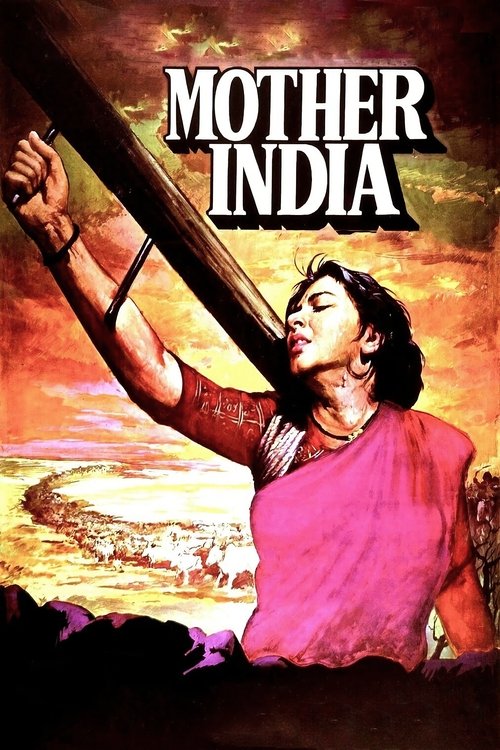
Mother India1957
Mehboob Khan's equally monumental film about maternal sacrifice and rural struggle. A complete emotional and technical match for Awaara in ambition and heart, with Nargis in a role of shattering depth.
But At 214 minutes and in Hindi, it demands patience and comfort with subtitles. The emotional weight is relentless.
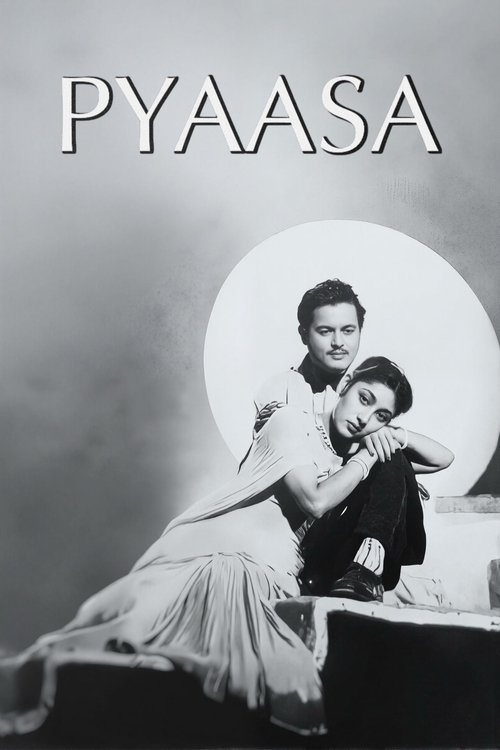
Pyaasa1957
Guru Dutt's corrosive masterpiece about a poet destroyed by a cruel city. The same DNA of social critique and doomed romance, but darker and more cynical—Dutt's answer to Kapoor's optimism.
But It's bleak and unsettling in ways Awaara isn't. The pacing is deliberately slow and meditative.
The Big House1930
George W. Hill's prison drama uses similar structural flashbacks to explore class and injustice. A Hollywood parallel that shows Awaara wasn't inventing the wheel—just spinning it with more poetry and music.
But It's a 1930 American prison film: dated dialogue, period attitudes. The comparison is historical, not emotional.

Not sure tonight? Get a pick in a minute, starting from Awaara
The wildcard
Something you would not have found on your own.
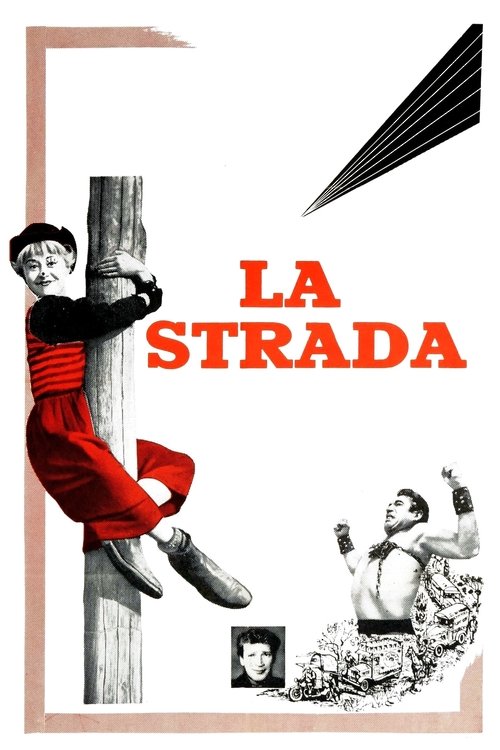
La Strada1954
Both use the journey and the outsider as metaphors for moral life. Both blend the sacred and the profane, the real and the symbolic. Fellini saw what Kapoor was doing.
Federico Fellini's allegorical journey of a young woman trafficked by a cruel strongman. Magical realism, music, a traveling carnival setting, and a narrative that circles back on itself to recontextualize everything—Awaara's visual dreaminess filtered through Italian neorealism.
But It's abstract and symbolic rather than plot-driven. The ending is devastating in a way that demands reflection, not catharsis.
More like this (8)
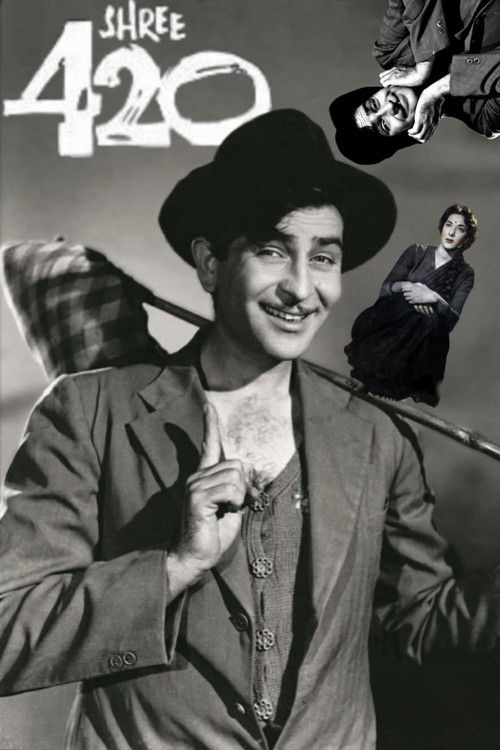
Shree 4201955
Raj Kapoor reunites with Nargis in another story of urban poverty and moral compromise, this time set on the streets of Bombay. Lighter than Awaara but equally stylish, with the same essential question: what makes a man?
But It's episodic and sometimes feels like a collection of set-pieces rather than a unified drama.
Bicycle Thieves1948
Vittorio De Sica's Italian neorealist masterpiece about a father desperate to recover his stolen bicycle. The same core theme—a man pushed to the edge by poverty—but stripped to documentary plainness instead of operatic emotion.
But It's black-and-white, slow, and offers no consolation. Nothing like the romantic sweep of Awaara.

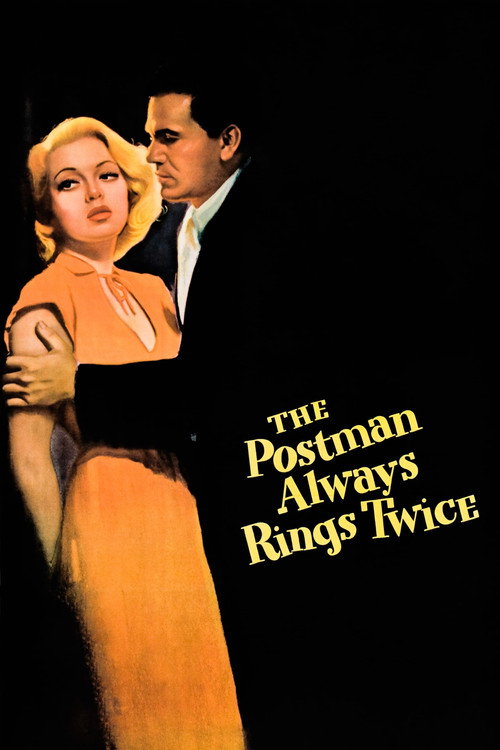
The Postman Always Rings Twice1946
Bob Rafelson's film noir about a drifter and a married woman's doomed affair. The same story of a man on the margins pulled into a courtroom drama by forces beyond his control.
But It's American cynicism and sexual tension in a 1940s frame. Not a moment of music or magical realism.
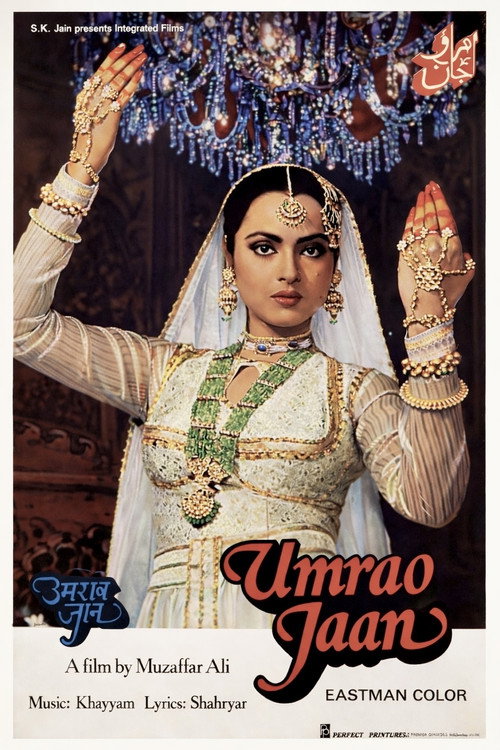
Umrao Jaan1981
Muzaffar Ali's ravishing film about a courtesan's thwarted love, with Rekha unforgettable. Proves Awaara's influence on Indian cinema—a story of beauty and doom told with the same visual and musical sophistication.
But It's more interested in atmosphere than plot momentum, and can feel precious.
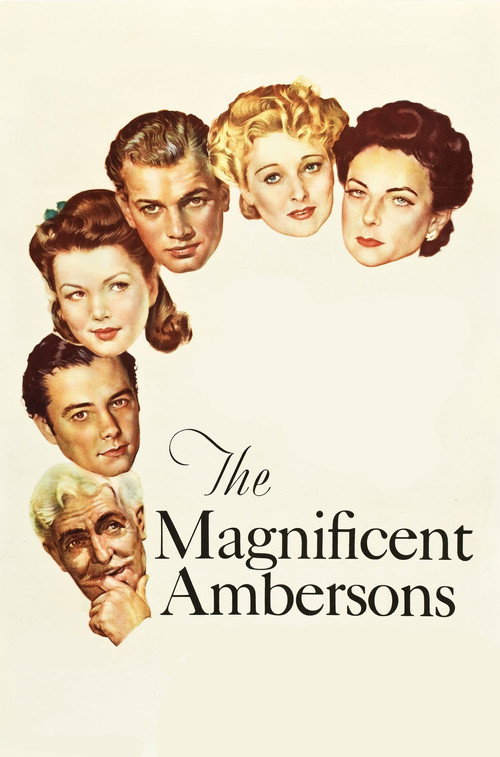
The Magnificent Ambersons1942
Orson Welles' film about social decline and family ruin, told through shifting perspectives and flashbacks. A non-Indian parallel about how the world shapes us, and how little we control our own fate.
But Welles' editing is sometimes opaque, and the tonal shifts can feel jarring rather than graceful.
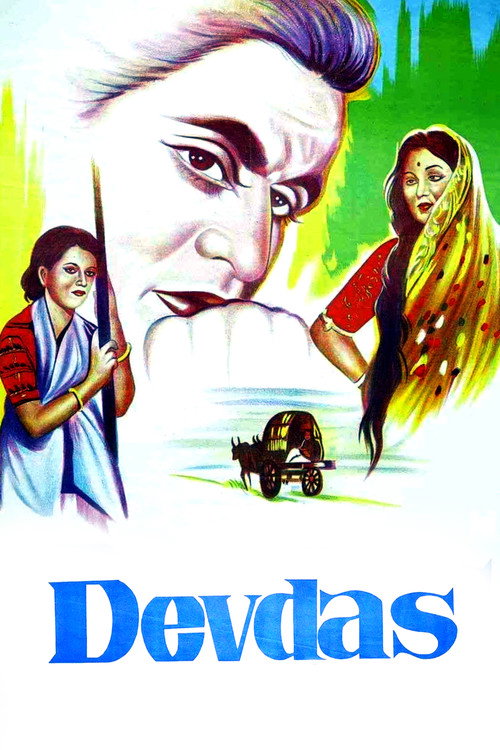
Devdas1955
Bimal Roy's tragedy about a man destroyed by love and alcohol, with Dilip Kumar. The same romantic fatalism as Awaara, but even more committed to unhappiness.
But It's a genuine downer, and the sentimentality can feel suffocating if you're not in the right mood.
Stalker1979
Both treat the courtroom/interrogation space as a place where identity is deconstructed. Both ask: can circumstance determine character, or is there something fixed inside us? Both answer: it's complicated.
Andrei Tarkovsky's science-fiction meditation on desire, fate, and the self. Long, hypnotic, shot in deep greens and grays. Uses flashback and interview structure like Awaara, but to ask whether we can ever escape what we are.
But It's 163 minutes of philosophical sci-fi with almost no plot. Patience and surrender are not optional.

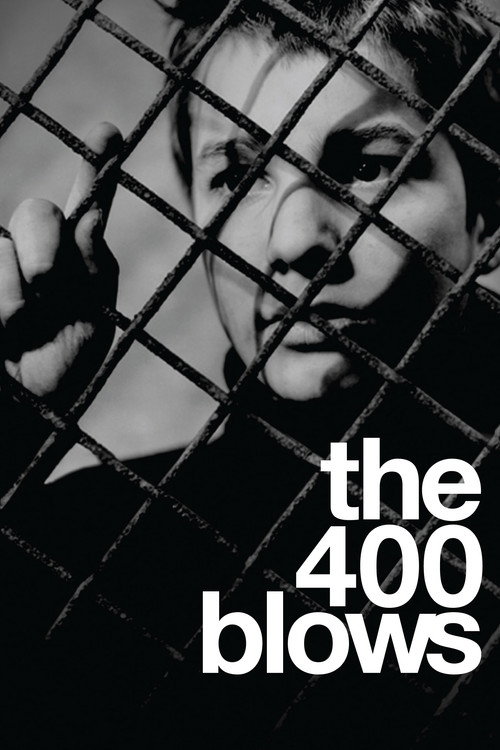
The 400 Blows1959
Both films center on a young man whose circumstances were not his choice, and both refuse to blame him for what he's become. Both treat the boy/man with dignity despite (because of) his mistakes.
François Truffaut's semi-autobiographical film about a neglected boy adrift in Paris. Black-and-white French New Wave, but with the same humane understanding of how the world breaks children, and the same visual poetry about urban loneliness.
But It's a portrait of alienation, not a story with resolution. The ending is deliberately unresolved.
People
Cast
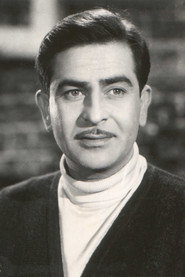 Raj KapoorRaj
 NargisRita
 Prithviraj KapoorJustice Raghunath
 Leela ChitnisLeela Raghunath
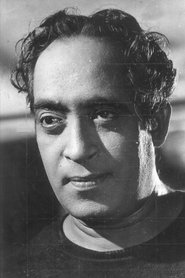 K.N. SinghJagga
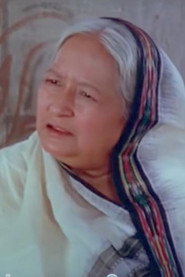 Leela MishraMr. Raghunath's Sister-in-Law
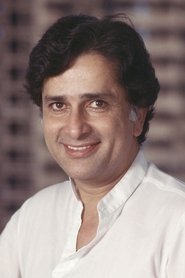 Shashi KapoorYoung Raj
- Baby ZubeidaYoung Rita
 CuckooBar Dancer
- B.M. VyasDubey
Directing
- B. TrilochanAssistant Director
- Biren TripathyAssistant Director
- Kishore KhannaAssistant Director
- Om Prakash MehraAssistant Director
- Prakash AroraAssistant Director
- Raja NawatheAssistant Director
- S. KalachandraAssistant Director
- Raj KapoorDirector
Writing
- Khwaja Ahmad AbbasDialogue
- Hasrat JaipuriLyricist
- ShailendraLyricist
- Khwaja Ahmad AbbasScreenplay
- Khwaja Ahmad AbbasStory
- V.P. SatheStory
Production
- Raj KapoorProducer
- MohanbaliProduction Manager
- Vishwa MehraProduction Manager
- M.L. SoniProduction Secretary
- Om Prakash MehraProduction Secretary
- Prem JagirdarProduction Secretary
- Pritam GahleyPublicist
Recommended by
Khuda Gawah, Gunga Jumna, Sangam, Tumsa Nahin Dekha, Khandaan, Shree 420, Anari, Jaal, Chori Chori, Kismet, Barsaat, Bazar, Chandidas, Neecha Nagar, Untouchable Girl, Sohag Raat, Mast, Ek Nazar, Munimji, Lajwanti, Janwar, Ek-Hi-Rasta, Adalat, Gundamma Katha, Patita