
Film
Untouchable Girl
A 1936 Indian drama about love across caste lines, when a Brahmin boy and an untouchable girl defy social hierarchy. Starring early Hindi cinema legend Devika Rani, it's a film of real moral urgency wrapped in music and melodrama. A window into how Indian cinema grappled with social injustice nearly a century ago.
Should you watch it?
Watch it if you are drawn to early sound-era melodrama, where social injustice is argued through songs, lingering looks and a love story pressed hard against its society, and you don't mind creaky studio sheen.
Skip it if you need a brisk, modern pace; at over two hours it lingers, and its earnestness can feel heavy-handed.
What it asks of you: Settle in for nearly two and a half hours of unhurried scenes, with songs that halt the action and earnest, broad performances; patience pays off more than speed.
Not sure? Find tonight's pick in a minute.
If you liked this
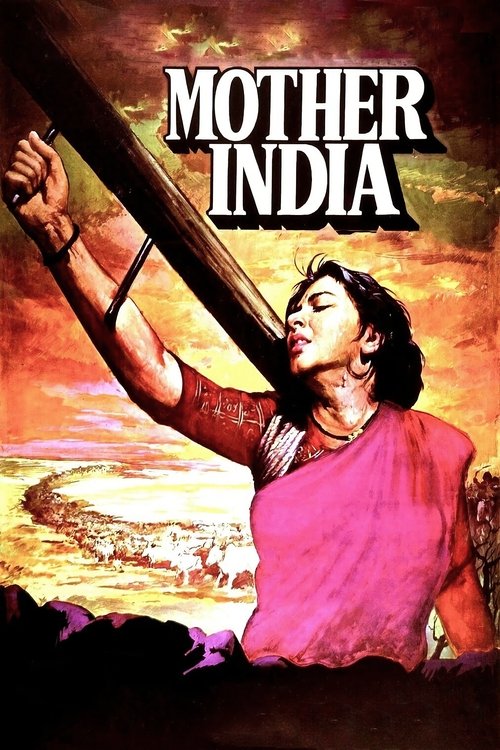
Mother India1957
Nargis in a role of towering dignity, playing a woman who holds her family together through impossible circumstances. Epic in scale and emotional weight, with the social conscience of a nation-building era.
But Nearly four hours long, and the suffering is relentless. Some plot beats feel didactic by modern standards.
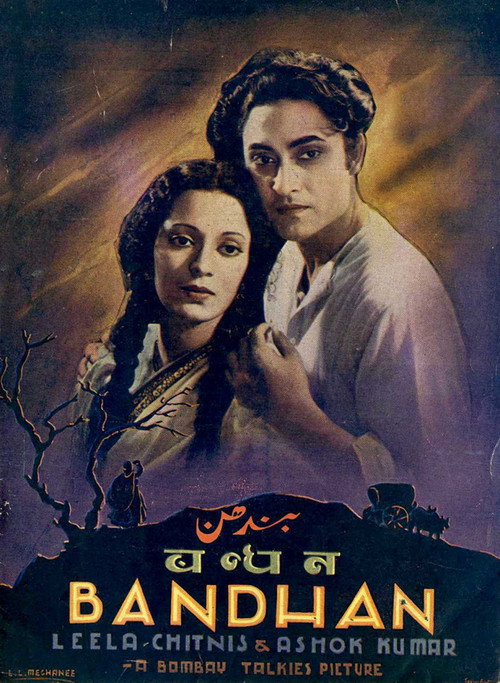
Bandhan1940
Another Devika Rani vehicle exploring duty, sacrifice, and the invisible chains that bind women in patriarchal society. Her screen presence is magnetic and the emotional stakes feel genuinely high.
But Print quality varies wildly on available copies. The melodrama can tip into soap-opera territory.
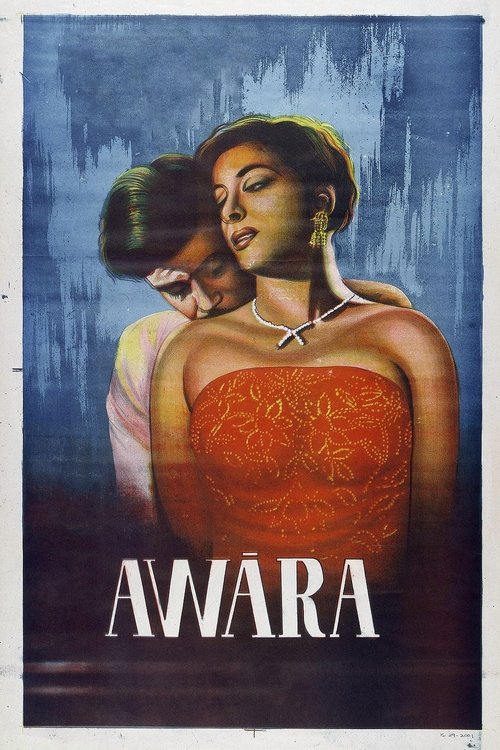
Awaara1951
Raj Kapoor's masterpiece: a film noir flavour applied to a story of class, fate, and redemption. Visually stunning and emotionally complex, with a restless energy that keeps you watching.
But The psychological elements can feel overwrought. Subtitles matter here—the poetry gets lost without them.
Not sure tonight? Get a pick in a minute, starting from Untouchable Girl
The wildcard
Something you would not have found on your own.
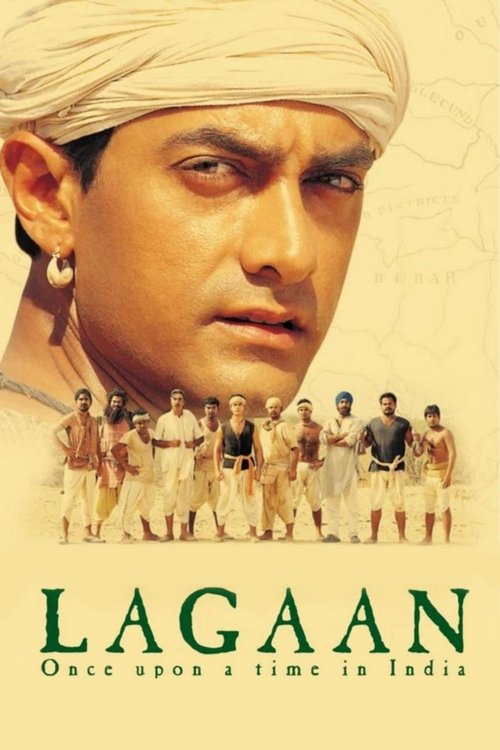
Lagaan: Once Upon a Time in India2001
Both films use romantic love as a lens to examine power imbalances and social hierarchy that shouldn't exist. Where Untouchable Girl shows love thwarted by caste, Lagaan shows an entire community choosing solidarity over submission.
A village rises up against colonial injustice through cricket, a film that wears its social purpose lightly while building to something genuinely rousing. Aamir Khan and the ensemble are superb; it's cinema made with real conviction.
But Three and a half hours, and the sports-film climax can feel manipulative if you're not already invested in the stakes.
More like this (6)
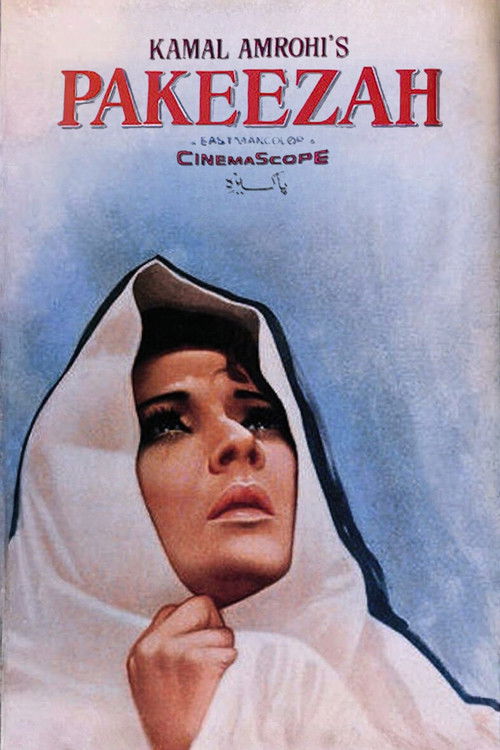
Pakeezah1972
A courtesan's daughter fights to escape her family's profession and find respectability and love. Meena Kumari is luminous, and the film is achingly beautiful—a tragedy that earns every tear.
But Nearly three hours, and the emotional repetition of her suffering can feel punishing by the end.
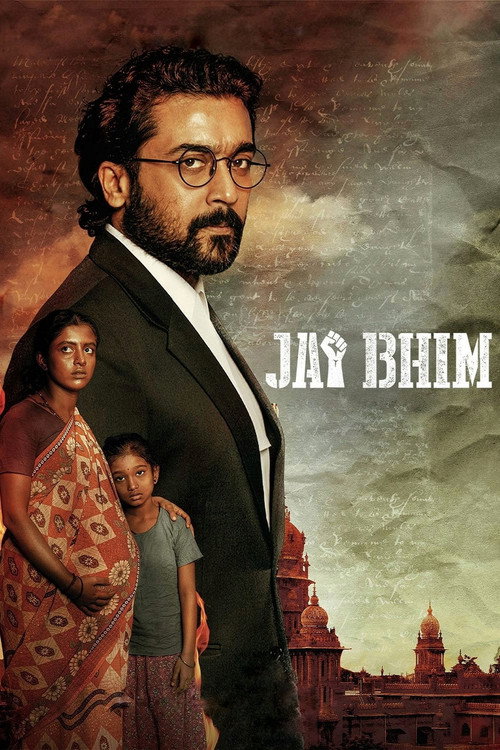
Jai Bhim2021
A modern courtroom drama about police brutality and caste oppression that recalls the moral outrage of 1950s cinema. Suriya is excellent, and the film speaks clearly about systemic injustice.
But Takes a blunt approach to its themes. If you prefer subtlety in social commentary, this will feel heavy-handed.
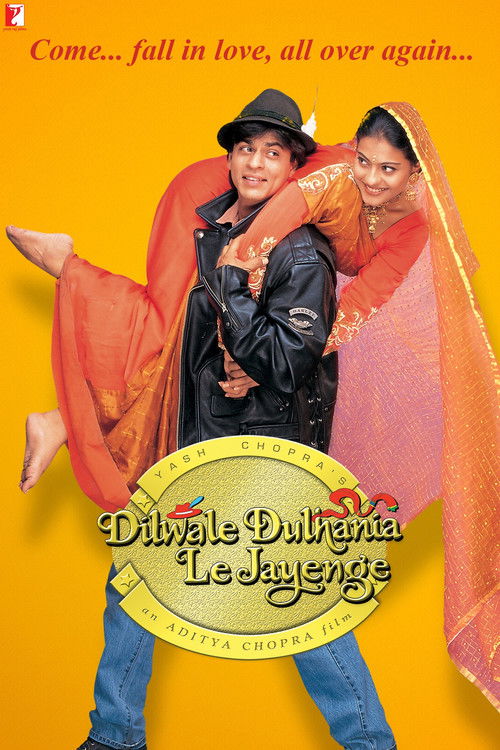
Dilwale Dulhania Le Jayenge1995
A family drama wrapped in a love story, exploring what tradition means when the world changes. Shah Rukh Khan and Kajol have real chemistry, and it's genuinely funny and moving.
But Three hours of romance can feel indulgent. The resolution feels too neat for the cultural tensions it raises.
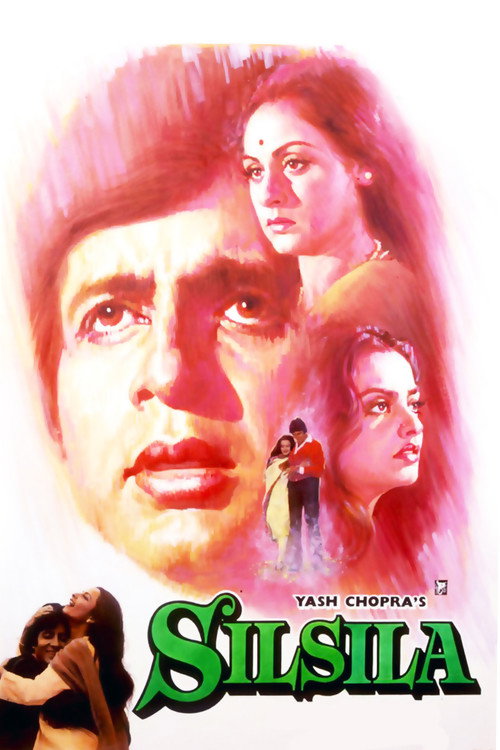
Silsila1981
A love triangle that refuses to sentimentalize infidelity or marriage, with Amitabh Bachchan in a rare vulnerable role. The music is exceptional and the moral ambiguity is refreshing for Hindi cinema.
But Some find the ending unsatisfying because it refuses to punish anyone neatly. The pacing stutters in the middle.
Grave of the Fireflies1988
Both films confront societies that forbid love across a boundary society has drawn. Untouchable Girl shows the caste system weaponized; The Fire shows patriarchy and heteronormativity weaponized. Both argue that love itself is an act of resistance.
Deepti Naval and Shabana Azmi as two women in arranged marriages who fall in love with each other, made by Deepa Mehta with quiet radiance and courage. It's a film about desire, freedom, and the price of honesty.
But Not widely available in all regions. It's meditative rather than dramatic, and some viewers find the slowness isolating rather than intimate.

Pather Panchali1955
Where Untouchable Girl argues that the caste system is unjust, Pather Panchali shows poverty as the real untouchable: the system that marks certain lives as disposable. Same social rage, different register. Ray chose observation over melodrama; the effect is deeper.
Satyajit Ray's debut: the daily life of a poor Bengali family with such tenderness and unsentimental detail that it feels like watching life itself. Apu as a child discovers the world; you watch him discovering it with him.
But It's a Criterion film in black and white with minimal plot. If you need narrative momentum or color, this will test your patience.

People
Cast
- Devika RaniKasturi
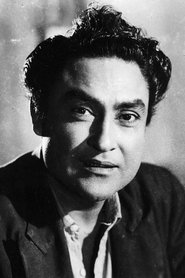 Ashok KumarPratap
- MonoramaMeera
- PramilaKajari
- Kamta PrasadDukhia
- Kusum KumariKalyani
- P.F. PithawalaMohan
- Kishori LalBabulal
- IshratSukhlal
- N.M. JoshiPolice Inspector
- KhoslaPatient
Directing
- Franz OstenDirector
Writing
- J.S. CasshyapDialogue
- Niranjan PalDialogue
- Himansu RaiStory
- Niranjan PalStory
- Niranjan PalWriter