
Film
Chandidas
A 1934 Indian drama about the fifteenth-century poet-saint Chandidas, who defies caste hierarchy to love a washerwoman. Visually austere and morally urgent, it's an early cinema work that dares to make untouchability its central wound. Demanding but vital—a film that means something.
If you liked this
Pather Panchali1955
Satyajit Ray's masterpiece of Indian rural life and poverty, shot with documentary clarity and emotional depth. Essential viewing and the gateway to understanding modern Indian cinema's moral seriousness.
But Long, static camera work, and the grief is unrelenting. No plot propulsion, just observation and accumulation of small heartbreaks.

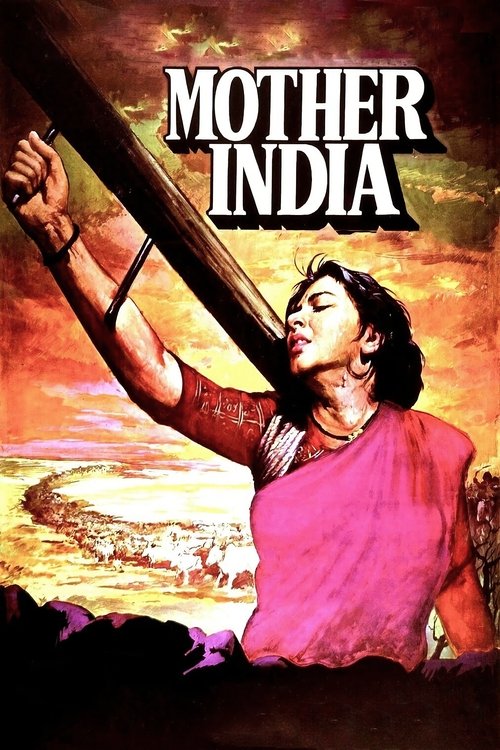
Mother India1957
Mehboob Khan's sweeping melodrama about a widow's sacrifice and resilience. It's grand, operatic, and carries the weight of a nation's spiritual reckoning—visually sumptuous despite its poverty narrative.
But The sentiment runs thick. It asks you to weep at the right moments, and some of that construction feels deliberate rather than earned.
Devi1960
Ray again, this time anatomizing superstition and male ego through a marriage broken by faith. Quieter than Pather Panchali but more scalding—a perfect film about how belief destroys the innocent.
But Claustrophobic. The entire moral collapse happens in rooms. No exterior world to breathe into.

Not sure tonight? Get a pick in a minute, starting from Chandidas
The wildcard
Something you would not have found on your own.
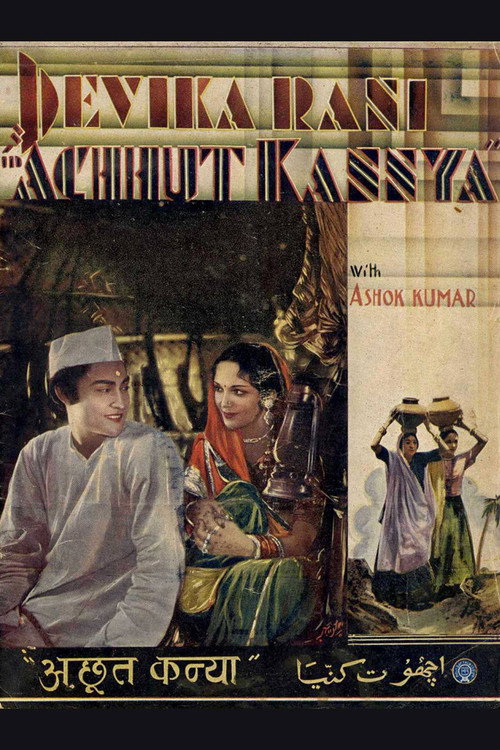
Untouchable Girl1936
Literally casting K.L. Saigal in a new version of the same ideological battle. These films are having an argument across time about whether love can actually break caste.
An untouchable woman and a Brahmin boy—made two years after Chandidas by Himanshu Bhatnagar with K.L. Saigal (Chandidas's own star) in the male lead. A direct conversation with Chandidas, testing how far cinema could really push.
But Melodramatic by modern taste. The outcome is constrained by what 1930s society permitted, which can feel like compromise if you're hoping for defiance.
More like this (6)
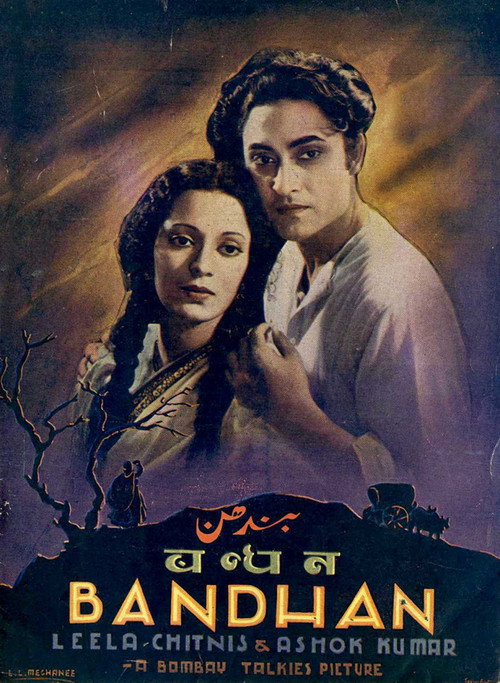
Bandhan1940
A contemporary of Chandidas grappling with caste and duty in early Indian cinema. The aesthetic is different but the moral courage is kindred—a film trying to break something open.
But Print quality can be frustrating. Early Indian cinema requires patience and generosity with what survives.
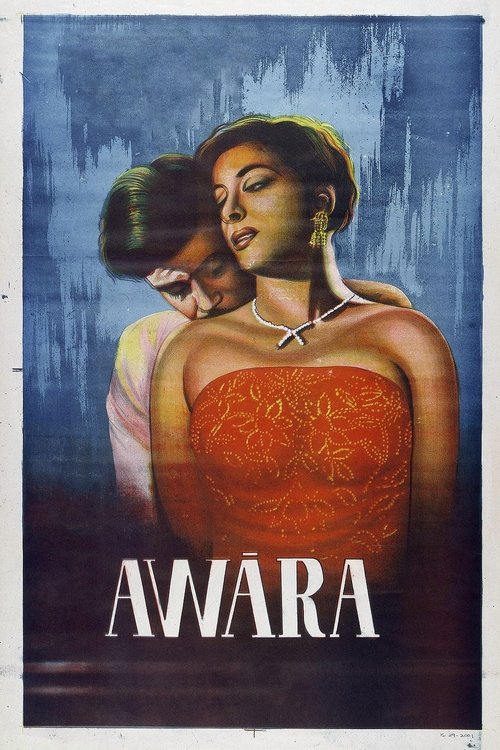
Awaara1951
Raj Kapoor's grand socialist romance, built on the idea that poverty and caste make outcasts of good people. Structurally ambitious, visually stunning, and genuinely moving about social hierarchy's casual cruelty.
But The dream sequences are surreal and can jar if you're expecting narrative realism. It's a political fable in formal dress.
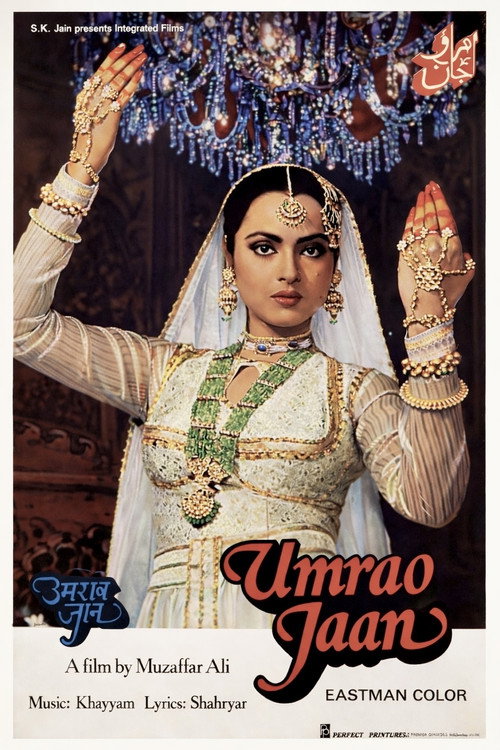
Umrao Jaan1981
Muzammil Ali's adaptation of Mirza's novel: a woman destroyed by caste and circumstance, refusing victimhood. Deeply sad and ravishing, with Rekha delivering one of Indian cinema's great performances.
But Melancholic to the point of suffocation. There's beauty here but not comfort, and the ending offers no redemption.
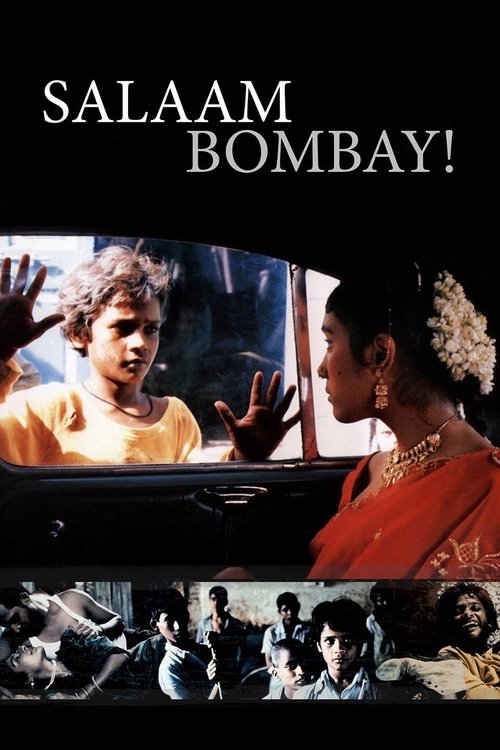
Salaam Bombay!1988
Mira Nair's unflinching look at street children in Mumbai. Shot like documentary but structured like tragedy—formal and furious about the visible underclass society ignores.
But Difficult subject matter treated without softening. Children suffer meaninglessly. The film won't let you distance yourself from that.
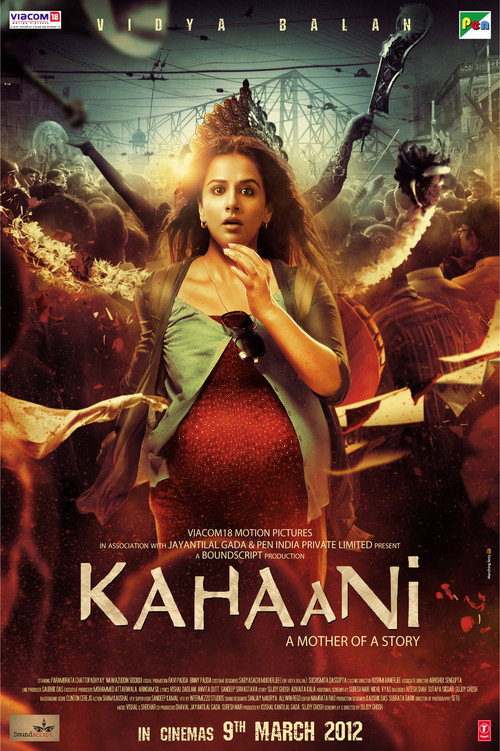
Kahaani2012
A modern thriller about a woman searching for her missing husband in Kolkata during Holi. It's propulsive genre entertainment that happens to interrogate masculinity, motherhood, and trust with real intelligence.
But If you're coming for Chandidas's spiritual depth, this is a genre exercise. Clever rather than profound, though the cleverness is genuine.
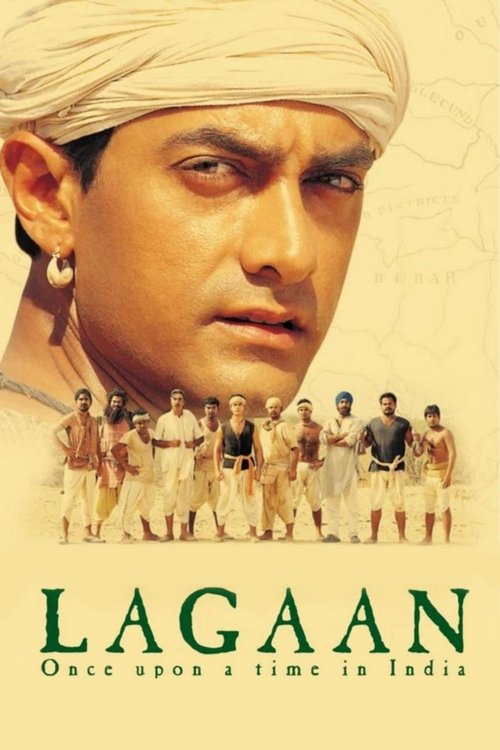
Lagaan: Once Upon a Time in India2001
Both locate spiritual and political resistance in the body of an individual willing to stand apart. Chandidas through poetry and love, Lagaan through sport and solidarity—but the same faith that refusal matters.
A village refuses to pay taxes to the British Empire through cricket. It sounds absurd and works absolutely—visually gorgeous, structurally bold, and rooted in the same conviction that the powerless can refuse the system through collective will.
But Three and a half hours of Bollywood maximalism. If you want intimate moral reckoning rather than spectacle, this is the wrong film.
People
Cast
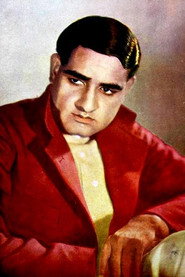 K.L. SaigalChandidas
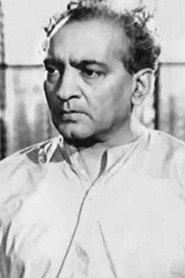
- UmasashiRami
- NawabGopinath
- M. AnsariAcharya
- H. SiddiquiSarju
- ParvathiKusum
Directing
- Nitin BoseDirector