
Film
Devi
Satyajit Ray's merciless dissection of faith, family and self-deception. A widower glimpses what he believes is divine in his daughter-in-law and transforms her into an object of worship. A chamber piece that uses intimate spaces and faces to expose how belief can become tyranny, and how the powerless survive within systems designed to diminish them.
Should you watch it?
Watch it if you love slow, unhurried Satyajit Ray-style drama where a single gaze or silence carries the weight of a whole argument about faith, family and superstition.
Skip it if you want momentum or a clear plot engine; much of the film is conversation and ritual, and its central question simmers rather than boils over.
What it asks of you: Roughly an hour and forty minutes of patient, measured scenes. Expect long pauses, close attention to faces, and a tone that stays grave rather than light.
Not sure? Find tonight's pick in a minute.
If you liked this
Pather Panchali1955
Ray's debut is the essential entry point: it establishes his visual language and moral clarity. You'll see the roots of everything that follows, including his interest in how tradition and modernization collide.
But It moves slowly and demands patience with long sequences of daily life. Some find the pacing glacial, though that's precisely where the poetry lives.

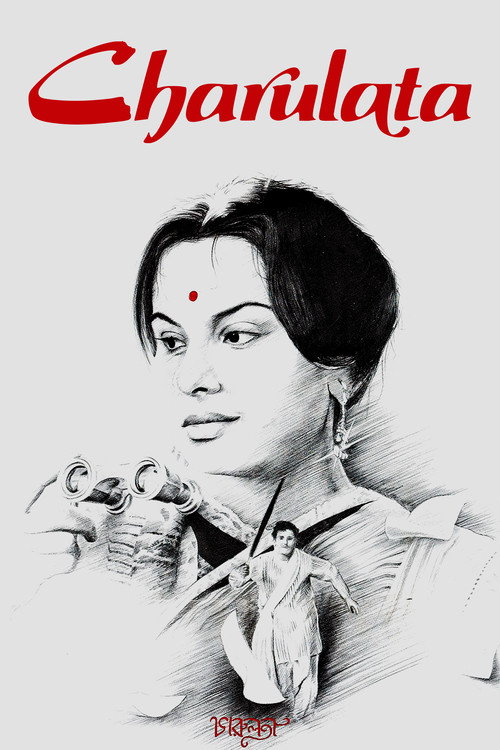
Charulata1964
Ray's most elegant work. A wife discovers intellectual awakening and desire within a marriage that cannot contain her. The camera work is ravishing and the emotional stakes feel immediate and modern.
But It's gentler than Devi—less confrontational about power and belief. If you want Ray at his angriest, this is his most measured response.
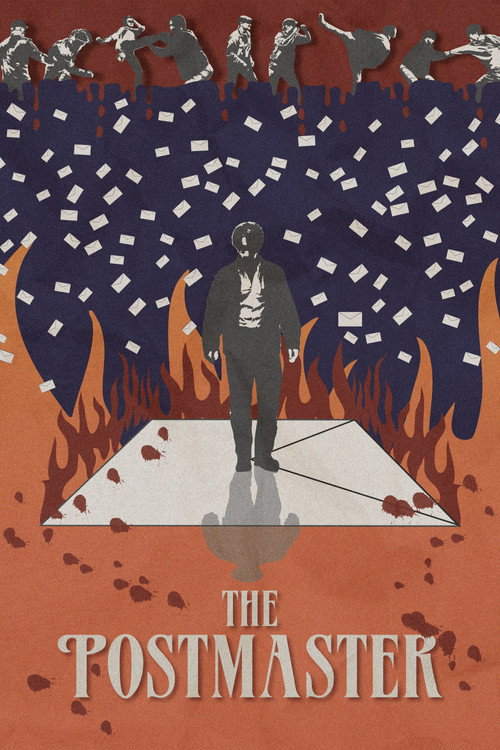
The Postmaster
Another Ray adaptation of Tagore. A lonely official and a servant girl forge a tentative bond across class and circumstance. It's shorter and more tender than Devi, but asks similar questions about isolation and connection.
But The emotional payoff is subtle and bittersweet. Those wanting clearer dramatic satisfaction may find it inconclusive.
Not sure tonight? Get a pick in a minute, starting from Devi
The wildcard
Something you would not have found on your own.
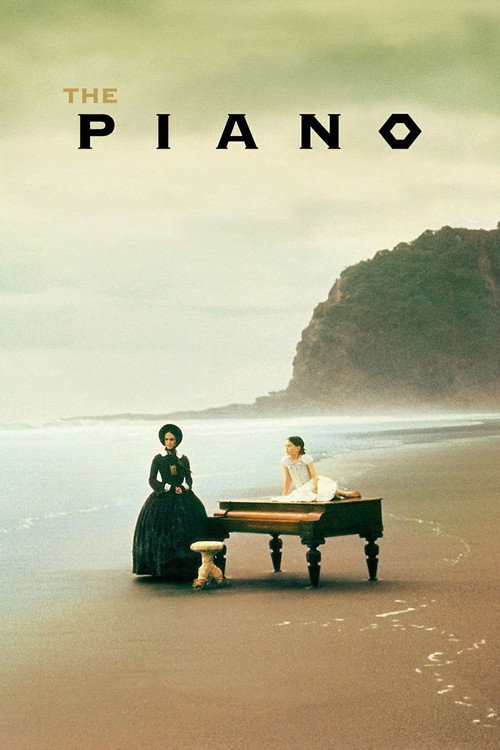
The Piano1993
Both use a central female figure as a canvas for male projection and need. Ray is clinical about it; Campion is visceral. Together they show the same trap from inside and outside.
Jane Campion's film about a mute woman forced into a colonial marriage where her body and art become tools of transaction. Visually stunning, thematically fierce about desire and ownership. A woman turned into an object, but one who fights back.
But Violent and sexually explicit. Some sequences are genuinely disturbing. Campion doesn't look away from what happens to women, which means neither can you.
More like this (6)
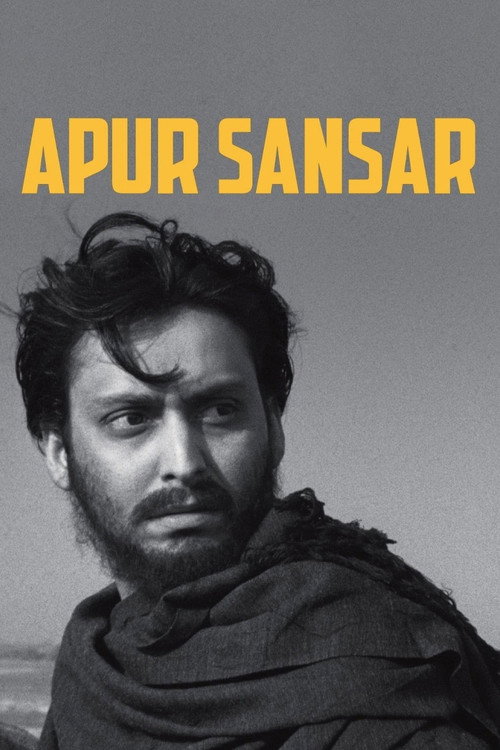
The World of Apu1959
The final part of Ray's trilogy. A young man navigates love, fatherhood and loss with a tenderness that's almost unbearable. It's where Ray proves cinema can hold grace and sorrow in the same frame.
But Deeply melancholic. The third film in a sequence, so starting here leaves context behind. Some find the ending almost too quiet to bear.
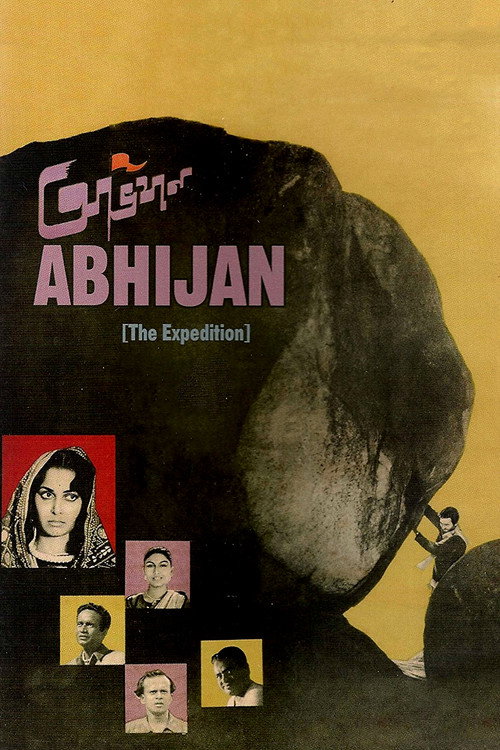
The Expedition1962
Ray working in a different register—a taxi driver's life, morality and ambition in Calcutta. It shows his range: he can do Tagore and he can do the street, with equal insight.
But Less formally daring than his other work. It's closer to conventional narrative, which some feel diminishes his distinctive vision.
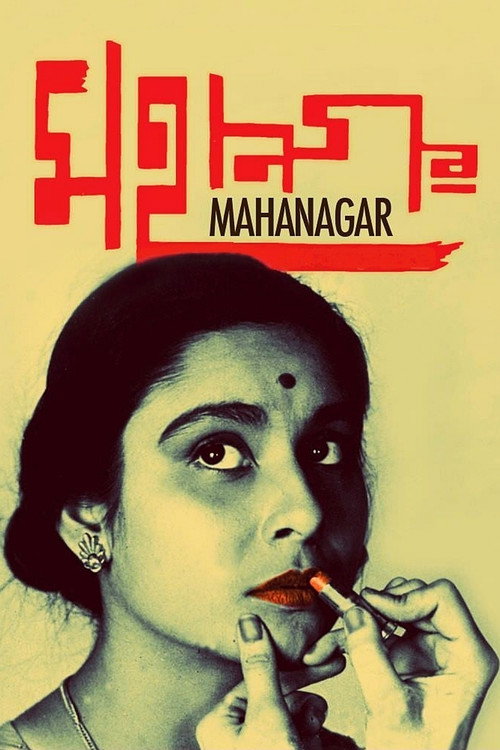
The Big City1963
A woman joins the workforce and discovers independence, agency, selfhood. Ray's most overtly political film about gender and economics. It's alive with the possibility of change.
But Less introspective than Devi. The social commentary can feel direct where you might prefer suggestion and ambiguity.
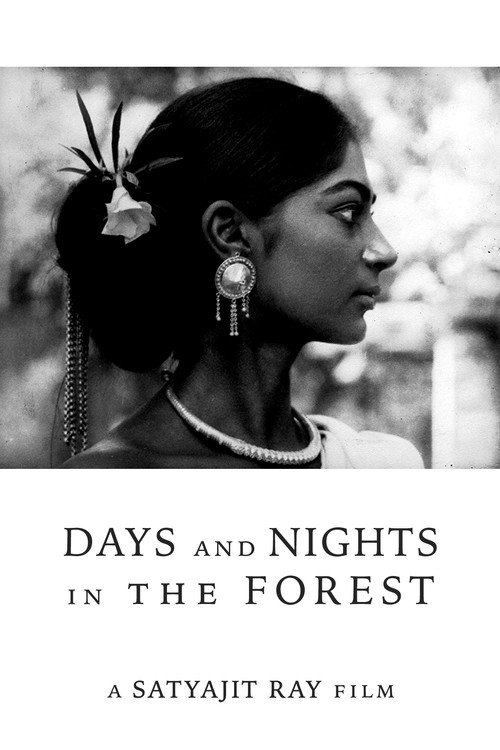
Days and Nights in the Forest1970
Four men on holiday in the forest encounter village life and their own nature. Ray's study of masculine entitlement and the violence casual power can do. Funny and very dark.
But A sprawling ensemble piece that takes time to settle. Some sequences feel digressive if you're looking for a tighter narrative.
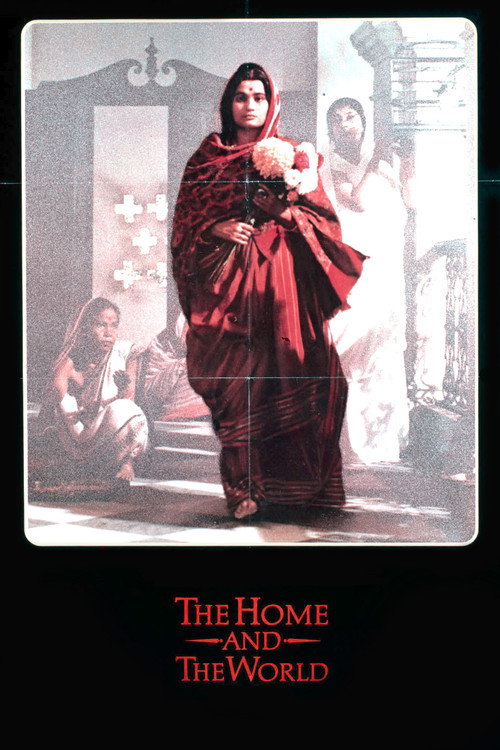
The Home and the World1985
Ray's final masterpiece. A marriage is torn apart by nationalist fervor and personal desire during India's independence struggle. It's magnificent: color, music, moral complexity at its peak.
But His last film, made after a stroke. The pacing reflects his physical state—it's patient where you might want urgency. Some feel it's slow to its detriment.
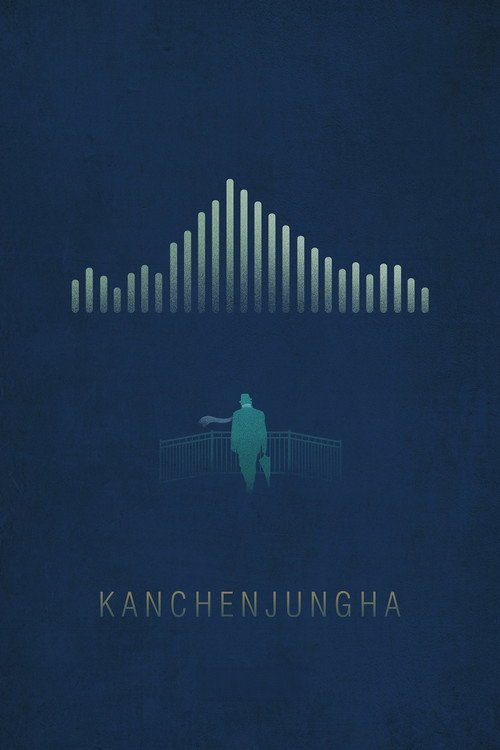
Kanchenjungha1962
A family ascends a mountain and their relationships shift in unexpected ways. Formally inventive, exploring how space and landscape shape human behavior. Ray at his most experimental.
But Deliberately fragmented and non-linear. If you want clear narrative momentum, this will frustrate rather than reward.
People
Cast
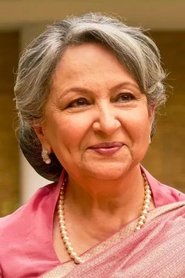 Sharmila TagoreDoyamoyee
 Soumitra ChatterjeeUmaprasad
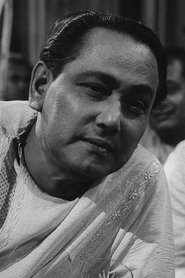 Chhabi BiswasKalikinkar Roy
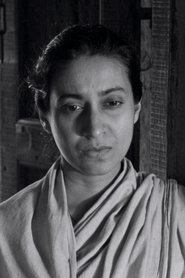 Karuna BanerjeeHarasundari
- Purnendu MukherjeeTaraprasad
- Arpan ChowdhuryKhoka
 Anil ChatterjeeBhudeb
- Mohammed IsrailNibaran
- Kali SarkarProfessor Sarkar
- Khagesh ChakravartiKaviraj
- Shanta DeviSarala
Directing
- Nityananda DattaAssistant Director
- Satyajit RayDirector
Writing
- Ramprasad SenLyricist
- Prabhat Kumar MukhopadhyayNovel
- Satyajit RayScreenplay
Production
- Amiyanath MukherjiCo-Producer
- Satyajit RayProducer
- Anil ChoudhuryProduction Manager
Recommended by
A Suitable Girl, Heat and Dust, Balika Badhu, Samskara, The Cloud-Capped Star, Insaan Jaag Utha, Jait Re Jait, Chandidas, Seven Steps, Aag, A Soft Note on a Sharp Scale