
Film
Heat and Dust
- Drama
- Slow-burning
Heat and Dust" braids two stories across decades: a woman in 1980s India investigating her scandalous grand-aunt's affair with an Indian prince in the 1920s. It's a slow-burn meditation on desire, belonging, and the choices that define us, told through luminous cinematography and layered emotional archaeology. For those patient with subtlety.
Should you watch it?
Watch it if you like slow, sensory period dramas that set an earlier romance beside a present-day inquiry, letting the heat, the silences and the landscape do as much work as the dialogue.
Skip it if you want brisk plotting and a tidy narrative line, because it drifts at a languid pace and leaves much of its history deliberately vague.
What it asks of you: Settle in for over two hours of unhurried scenes, with long gaps between events and a pace that rewards patience more than attention.
Not sure? Find tonight's pick in a minute.
If you liked this
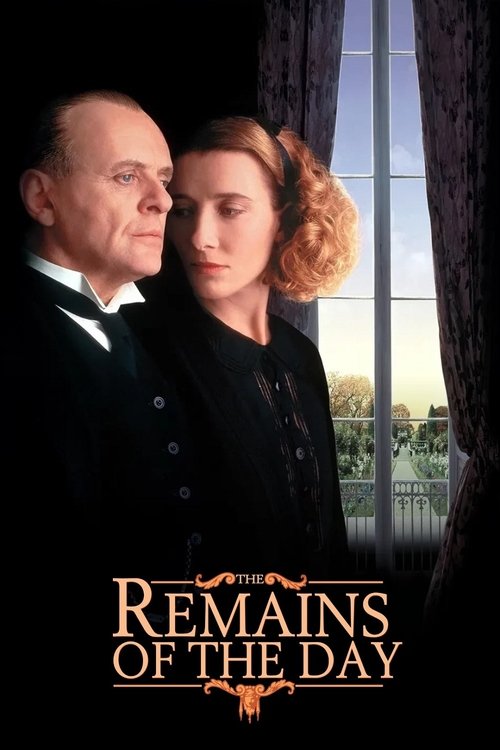
The Remains of the Day1993
Merchant-Ivory's masterpiece of restrained passion and historical reckoning. An aging butler confronts decades of unspoken love and complicity, much like Anne grappling with Olivia's choices. Devastatingly elegant.
But The emotional core hides beneath impeccable manners and whispered dialogue. If you need catharsis spelled out, you'll find the pacing glacial.
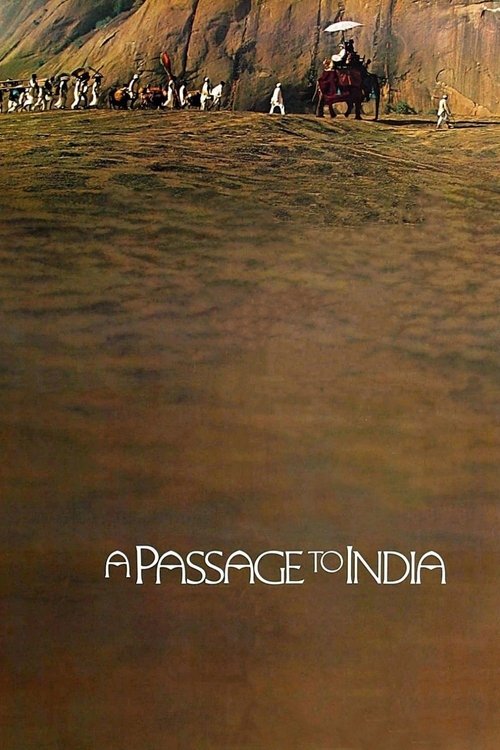
A Passage to India1984
Another Lean epic about English lives unraveling in India, with the same richness of cross-cultural collision and intimate betrayal. The resonance between the two films deepens watching them in sequence.
But David Lean's sweep can feel operatic where Heat and Dust prefers whispers. Some find the scope overwhelming rather than transportive.
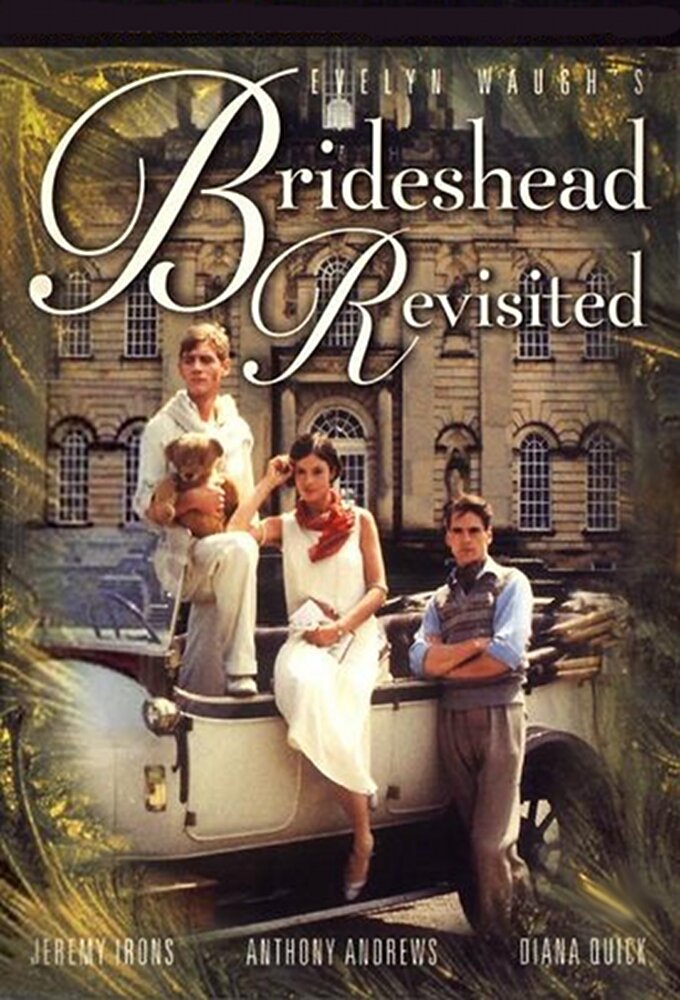
Brideshead Revisited1981
Granada's sumptuous miniseries about class, faith, and the ghosts of the past haunting the present. Like Heat and Dust, it braids past and present, asking what we inherit and what we choose.
But Nearly eleven hours long and heavily British in its melancholy. The pacing assumes you have nowhere else to be.
Not sure tonight? Get a pick in a minute, starting from Heat and Dust
The wildcard
Something you would not have found on your own.
Devi1960
Both follow women whose lives are shaped by men's fantasies about them—Devi through a husband's religious devotion, Heat and Dust through an empire's sexual mythology. Ray's film is the moral reckoning Heat and Dust's earlier generation never quite achieves.
Satyajit Ray's devastating portrait of a woman trapped between her husband's obsession and her own self. A Bengali masterpiece about power, desire, and the price of being idealized. Shot in luminous black-and-white that rivals Jewel's colour cinematography in intensity.
But In Bengali with subtitles, shot in 1960 and uncompromising in its refusal of sentiment. The pacing asks you to sit with discomfort rather than propel you through narrative.

More like this (8)
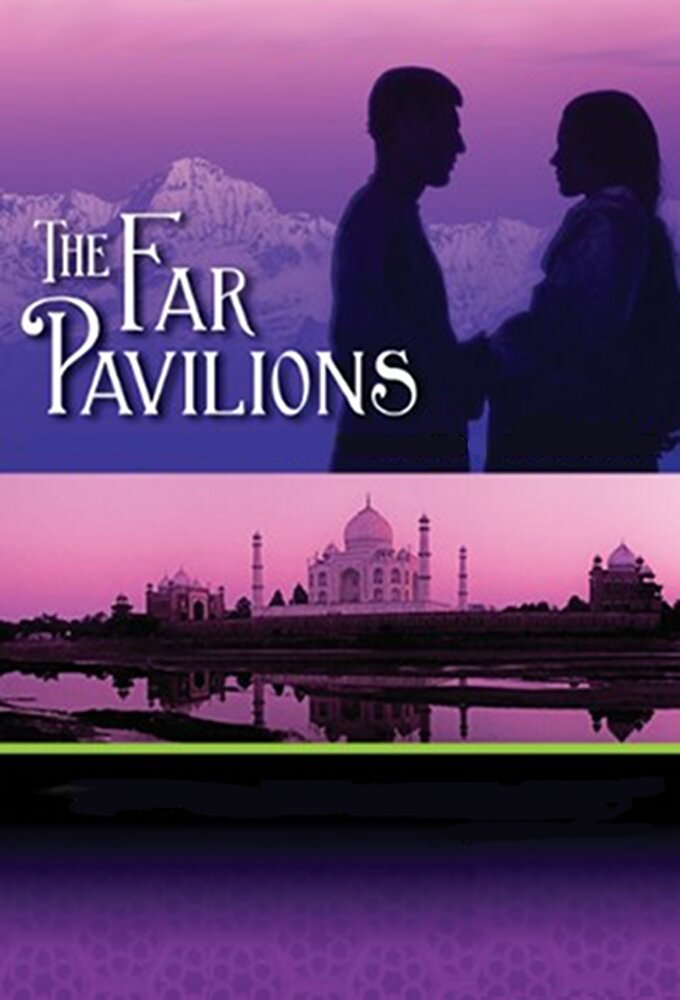
The Far Pavilions1984
A sweeping romance set during the British Raj, bursting with adventure and doomed passion across cultures. If you loved Heat and Dust's imperial setting but want more plot momentum.
But Considerably more conventional and soap-opera-adjacent. The psychological subtlety Heat and Dust achieves gets traded for spectacle.
The Merchant of Venice1980
Sheila Hancock's adaptation probes ambiguity and desire in a compressed form. Brief where Heat and Dust sprawls, but animated by the same intelligence about what people want versus what they dare claim.
But A play adapted to screen, not a film at heart. If you need cinematic language rather than theatrical presence, this won't move you.

The Night of the Iguana1964
Tennessee Williams' steamy drama set in Mexico, exploring desire and redemption. Like Heat and Dust, it treats sensuality and shame with mature gravity rather than prurience.
But The sexual frankness of the era reads as quaint now. If you need your tensions to be contemporary, the film's assumptions about morality will feel dated.

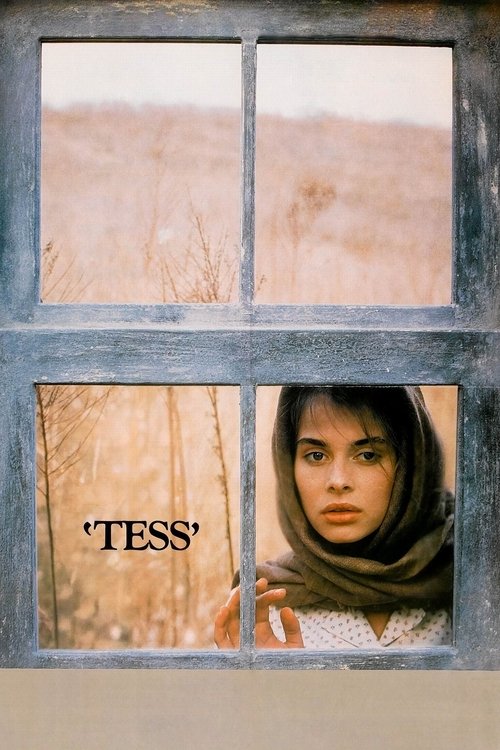
Tess1979
Polanski's tragic study of a woman destroyed by male appetite and circumstance. Both films understand how individual desire crashes against social machinery, leaving scars across generations.
But Relentlessly bleak and quite long. If you need emotional release or a sense of earned growth, this will leave you haunted but hollow.
The Ballad of Little Jo1993
A quiet, strange film about a woman who passes as a man in the American West. Shares Heat and Dust's fascination with how identity is performed and what freedom costs when you step outside prescribed roles.
But Deliberately understated and austere. The sparse narrative means it asks more from you than it gives.

Immortal Beloved1994
A braided narrative about Beethoven's identity and passion, constructed like a mystery unfolding in reverse. Both films layer past and present to investigate what we can know of other people's desire.
But Deliberately plays with unreliability and ambiguity. If you need clear answers about who did what and why, the ending will frustrate you.

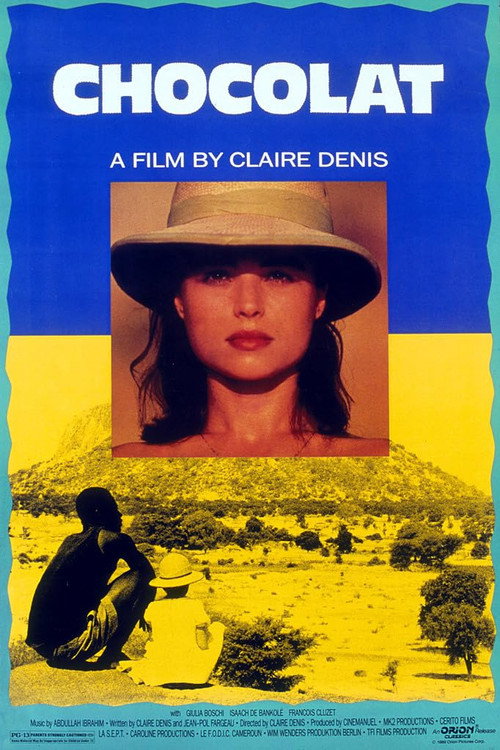
Chocolat1988
Both explore female desire as transgression in constrained societies, but Chocolat locates liberation where Heat and Dust finds only beautiful ruin. They're inverse arguments about whether breaking free is possible or just beautiful in memory.
A sensual, witty French film about a woman and her daughter arriving in a repressive village and disrupting everything. It has Heat and Dust's fascination with women claiming appetite and belonging in hostile spaces, but trades melancholy for warmth and resistance.
But Deliberately lighter and more forgiving than Heat and Dust's moral complexity. If you're seeking tragedy, this film's optimism will feel like a betrayal.
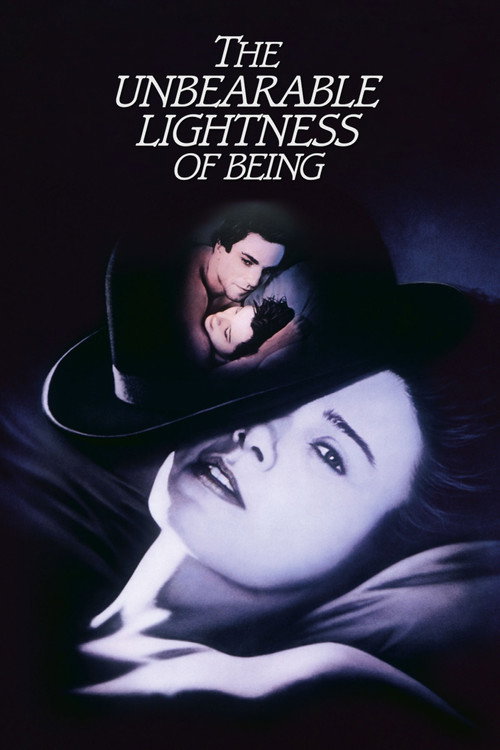
The Unbearable Lightness of Being1988
Both are structured as investigations into whether a single choice—Anne's grand-aunt's affair, Tomáš's infidelity—ripples across a lifetime. Both films are equally fascinated by how we revise history through what we remember.
Kundera's novel made flesh: a gorgeously shot meditation on love, commitment, and the choices that remake us. It mirrors Heat and Dust's structure of layering timelines and asking what we owe to passion versus duty, rendered as sensual European cinema.
But Intellectually dense and occasionally ponderous about philosophy. If you prefer emotion to ideas, the film's debates about meaning will feel precious rather than urgent.
People
Cast
 Julie ChristieAnne
 Greta ScacchiOlivia Rivers
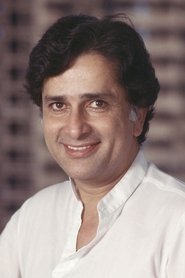 Shashi KapoorThe Nawab
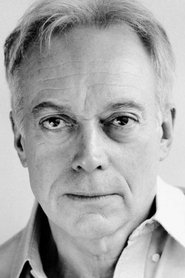 Nickolas GraceHarry Hamilton-Paul
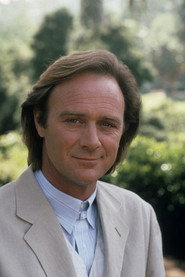 Christopher CazenoveDouglas Rivers
 Zakir HussainInder Lal, Anne's landlord
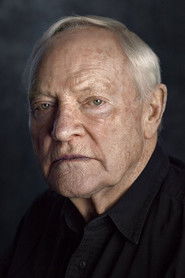 Julian GloverCrawford
 Susan FleetwoodMrs. Crawford
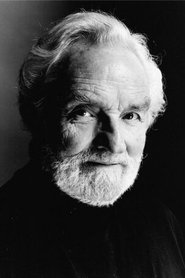 Patrick GodfreyDr Saunders
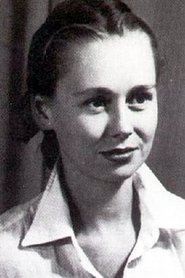 Jennifer KendalMrs. Saunders

 Madhur JaffreyBegum Mussarat Jahan
Directing
- Kevan BarkerAssistant Director
- Jane BuckContinuity
- James IvoryDirector
- David NicholsSecond Assistant Director
Writing
- Ruth Prawer JhabvalaNovel
- Ruth Prawer JhabvalaWriter
Production
- Connie KaisermanAssociate Producer
- Rita MangatAssociate Producer
- Susie FiggisCasting
- Deepak NayarLocation Manager
- Ismail MerchantProducer
- J. RathoreProduction Accountant
- Shama HabibullahProduction Coordinator
- Peter ManleyProduction Manager
- Rambali MishraProduction Runner
- Jean WalterProduction Secretary
Recommended by
A Passage to India, Indochine, Indian Summers, Bombay Talkie, Shakespeare-Wallah, The Bengali Night, Bhowani Junction