
Film
The Unbearable Lightness of Being
Philip Kaufman's adaptation of Kundera's novel is a long, unhurried meditation on desire and history, following a womanising surgeon, the wife he can't be faithful to, and the mistress who understands him better than either. It's sensuous, talky, and unafraid of ideas — sex as philosophy, politics as intimacy. Best suited to viewers who like their romance slow, morally messy, and shadowed by tanks.
If you liked this
The English Patient1996
Another sprawling, adulterous romance crushed by history, told with the same appetite for bodies and betrayal against a backdrop of catastrophe. Gorgeous, mournful, and just as convinced that desire and disaster are the same weather system.
But Nearly three hours of hushed anguish; the fractured timeline can feel like work rather than pleasure.

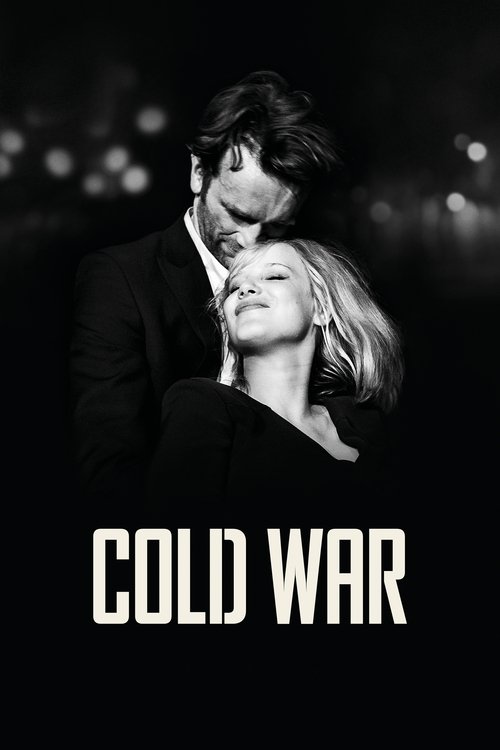
Cold War2018
Polish lovers pulled apart and reunited across Soviet-era borders, shot in stark black and white with the same sense that politics and passion are inseparable. Spare where Kaufman is lush, but cut from identical cloth.
But Cool, elliptical, and unsentimental — it withholds the emotional release some viewers will be craving.
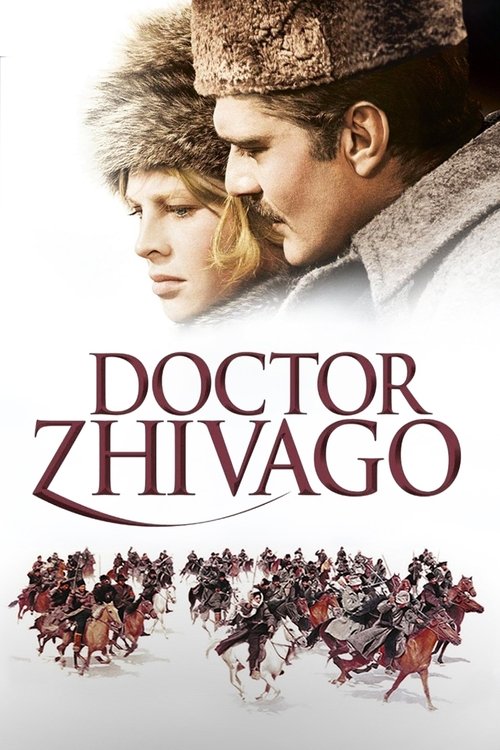
Doctor Zhivago1965
The granddaddy of the doomed-romance-meets-revolution genre: sweeping, gorgeous, and just as invested in the idea that love is no match for tanks and ideology. Same scale of heartbreak, older tailoring.
But More classical melodrama than psychological nuance; some of its politics and gender dynamics feel dated now.
The wildcard
Something you would not have found on your own.
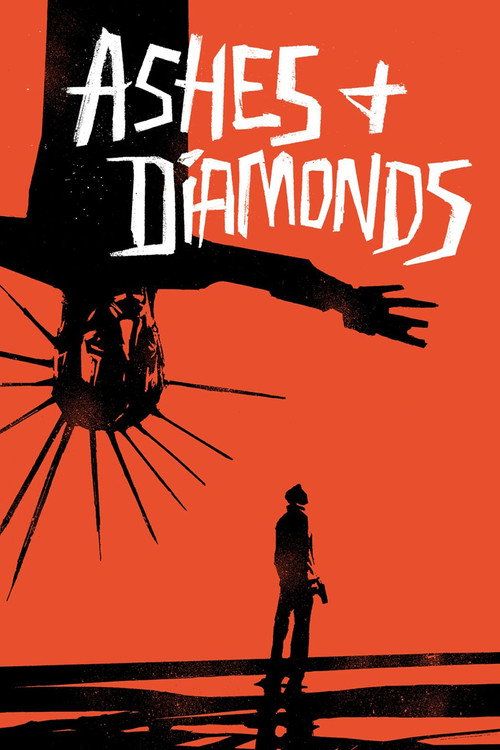
Ashes and Diamonds1958
Same Eastern Bloc terrain and the same figure — a charming, self-destructive man unable to choose between ideology and love — filmed while the wound was still fresh, not remembered decades later.
A young Polish assassin spends one long night torn between a girl he's just met and an assignment he no longer believes in, as the old order collapses around him. It's the same doomed romantic caught between conviction and desire, thirty years earlier and in the rubble of an actual war.
But Black-and-white 1950s Polish cinema with a different pace and grammar; it demands patience with silence and symbolism.
More like this (8)
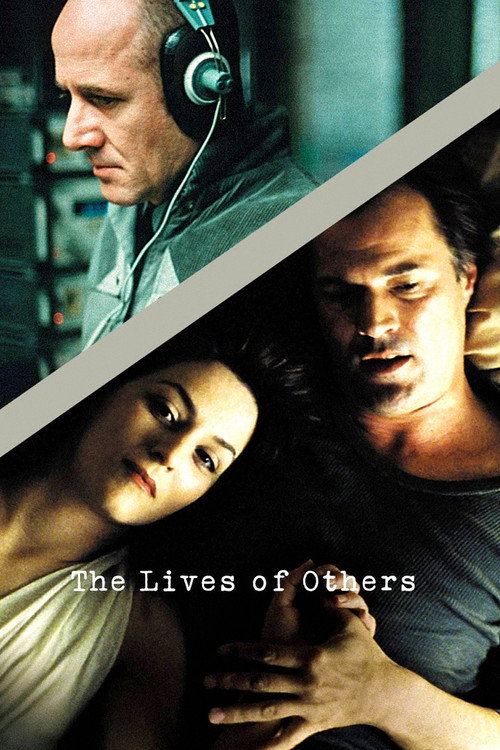
The Lives of Others2006
Swaps Prague for East Berlin and surgery for surveillance, but the moral rot of living under an authoritarian state, and what it does to intimacy, is the same wound examined from a different angle.
But Less erotic, more thriller-adjacent — it trades bedroom philosophy for bureaucratic dread and slow-burn suspense.
Damage1992no page yet
Juliette Binoche again, this time as the object of an obsession that destroys everything around it — same reckless erotic charge, stripped of politics and left purely, coldly personal.
But Colder and narrower in scope; without the historical backdrop it can feel emotionally airless.
Sophie's Choice1982
A love story disfigured by history and impossible choices, anchored by a performance as devastating as anything here. Same conviction that the personal and the historical can't be separated.
But Far darker and heavier — this is wartime atrocity, not seduction, and it doesn't let you off easily.

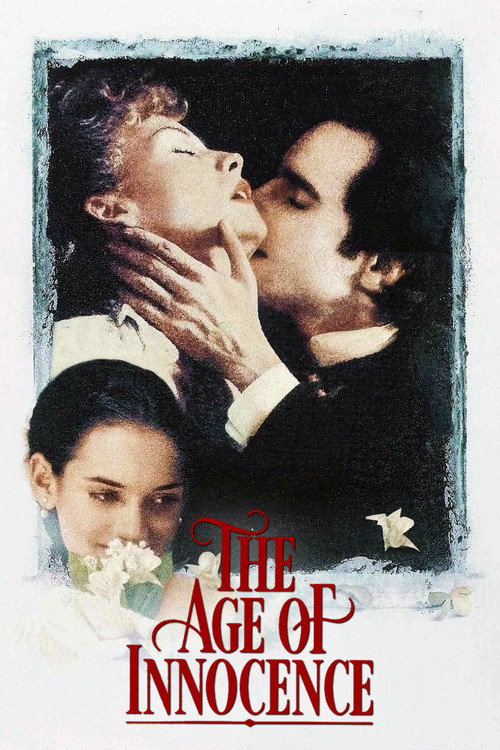
The Age of Innocence1993
Scorsese turns his usual violence inward, into repression and longing, in a story about desire strangled by social convention rather than politics. The same interest in what people owe each other versus what they want.
But Mannered and slow-burning; the violence here is entirely emotional, which some will find too polite.
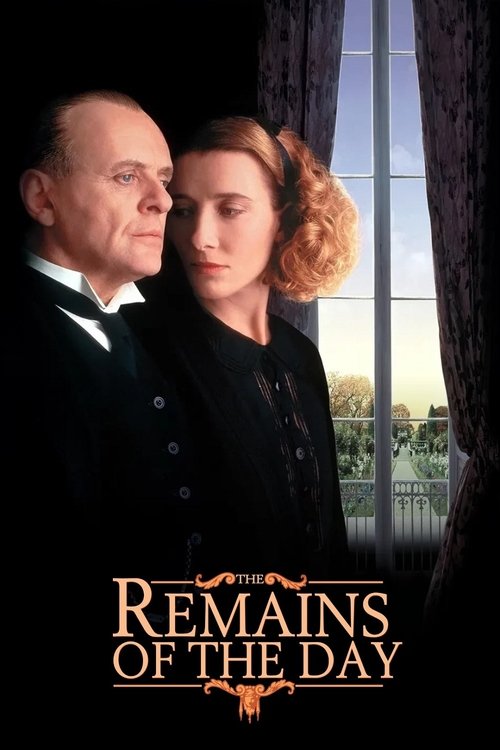
The Remains of the Day1993
A quieter, more repressed cousin — love sacrificed to duty rather than indulged, but the same ache of watching someone choose principle over happiness and regret it for decades.
But Extremely restrained; if you came for sensuality, this one keeps everything firmly buttoned up.
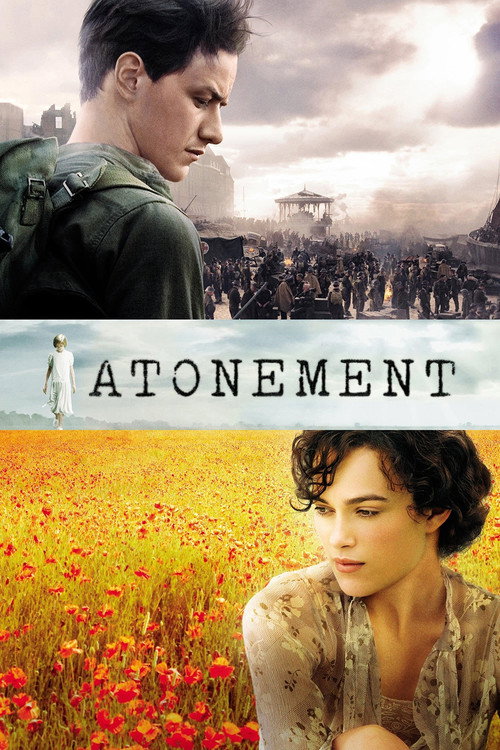
Atonement2007
Doomed lovers, a catastrophic historical backdrop, and a tragic sense that timing and circumstance matter more than feeling. Lush, literary, and unembarrassed about its own heartbreak.
But Leans more melodramatic and less philosophical; the tragedy is plottier, less about ideas than incident.
Dekalog1989no page yet
Made in the same country, the same decade, under the same collapsing communist order, asking identical moral questions about desire and duty — just broken into shards instead of one continuous romance.
Kieślowski's ten one-hour films, each loosely built around a commandment, ask the same questions this film does — what do we owe fidelity, freedom, and each other under a system that grinds both down — but as small, devastating parables instead of one sweeping story.
But Ten hours of Polish television, slow and philosophical by design; there's no single through-line to hook onto.
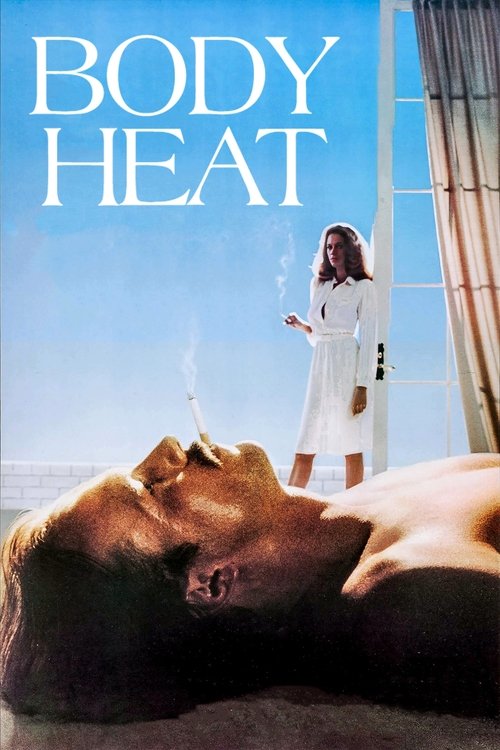
Body Heat1981
Strip away the Prague Spring and Kundera's essays and you're left with this: desire as a force that destroys, played completely straight as genre pulp instead of literary tragedy.
All the same physics — a man undone by appetite, a woman who understands her own power better than he understands his — but rewired as steamy, pulpy neo-noir with zero interest in history or ideas, just heat and consequence.
But Deliberately trashy and plot-driven; if you wanted philosophy with your infidelity, this offers none.
People
Cast
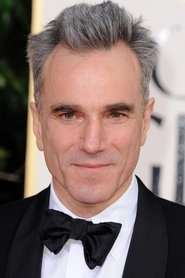 Daniel Day-LewisTomas
 Juliette BinocheTereza
 Lena OlinSabina
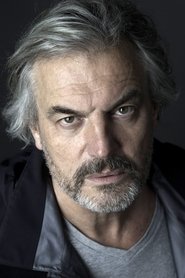 Derek de LintFranz
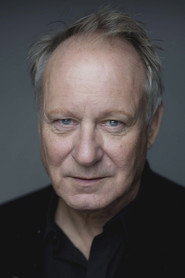 Stellan SkarsgårdThe Engineer
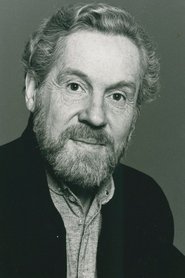 Erland JosephsonThe Ambassador
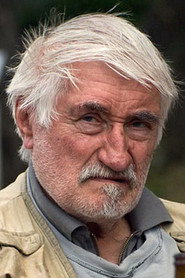 Pavel LandovskýPavel
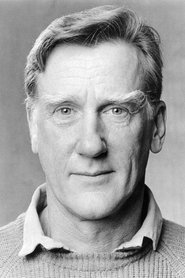 Donald MoffatChief Surgeon
 Daniel OlbrychskiInterior Ministry Official
 Tomasz BorkowyJiri
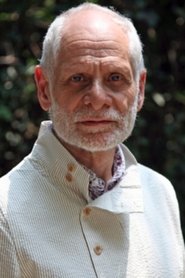 Bruce MyersCzech Editor
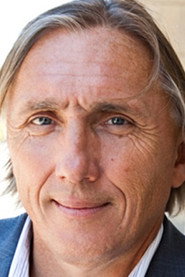 Pavel SlabýPavel's Nephew
Directing
- Philip KaufmanDirector
- Charles PaviotFirst Assistant Director
- Robert KechichianSecond Assistant Director
- Simon BrookThird Assistant Director
Writing
- Milan KunderaNovel
- Jean-Claude CarrièreScreenplay
- Philip KaufmanScreenplay
Production
- Paul ZaentzAssociate Producer
- Bertil OhlssonExecutive Producer
- Saul ZaentzProducer
- Daniel SzusterProduction Manager
- Frank SimeoneUnit Production Manager