
Film
The Russia House
A Lisbon-based publisher drawn into Cold War espionage falls for a Soviet woman caught between her country and the West. Lean, measured, and built on genuine romantic tension rather than action heroics. For viewers who prize atmosphere and moral ambiguity over plot momentum, and who trust a film to find meaning in restraint.
Should you watch it?
Watch it if you enjoy Cold War espionage told through talk, doubt and wary personal loyalty, with a romance that complicates the work and a hero more bookish than heroic.
Skip it if the pace is leisurely across 118 minutes, and if you want tight plotting and steady action, the talk-heavy approach may frustrate you.
What it asks of you: Its shape is a slow, two-hour unfolding of long conversations and shifting loyalties, with a quiet darkness that rewards attention more than it rushes to explain itself.
Not sure? Find tonight's pick in a minute.
If you liked this
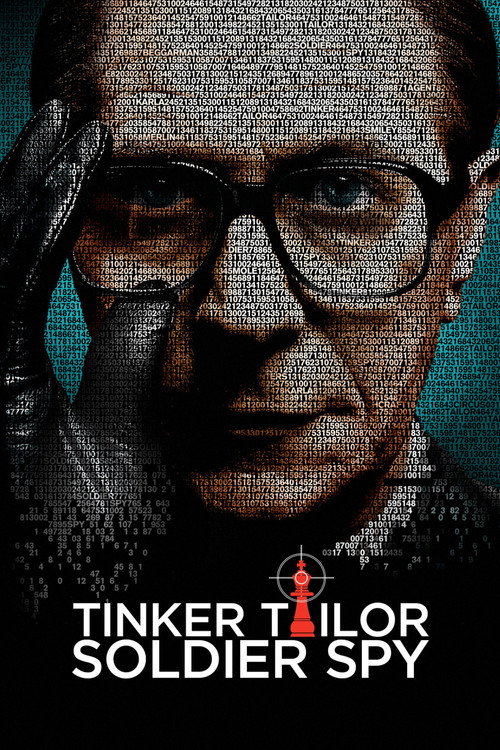
Tinker Tailor Soldier Spy2011
Gary Oldman's Le Carré adaptation shares the same intelligence-world weariness and visual poetry. Espionage as a chess game played by tired, compromised people in shadowed rooms.
But Deliberately paced to the point of opacity. If you need plot clarity and forward momentum, this will feel glacial.
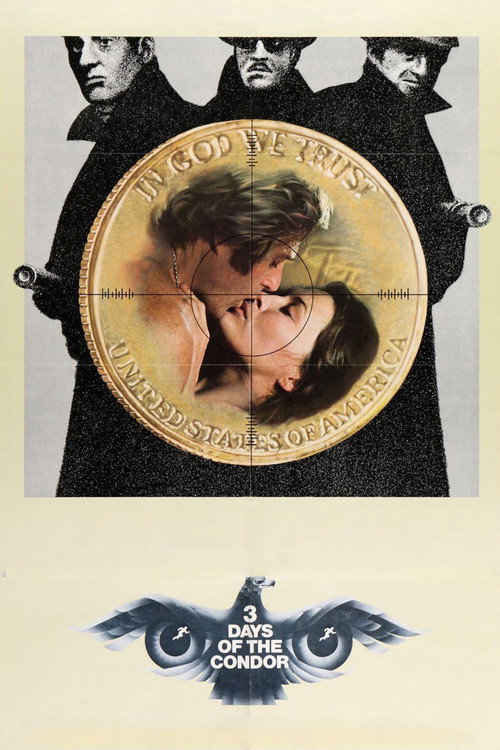
Three Days of the Condor1975
Robert Redford as an analyst sucked into real danger from his desk job. The same anatomy of doubt: who to trust, what's real, whether escape is possible.
But Seventies thriller pacing feels measured now. The romance subplot is underdeveloped by modern standards.
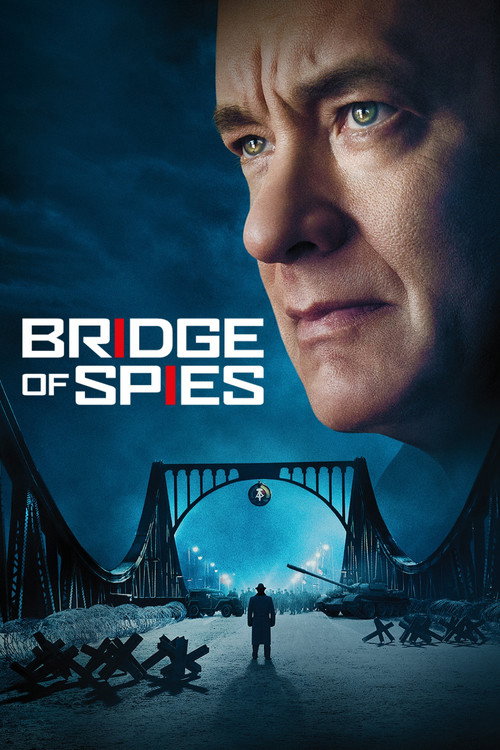
Bridge of Spies2015
Spielberg and Hanks in Cold War territory, built on negotiation and moral reckoning rather than combat. A film about standing still and holding your nerve.
But Consciously old-fashioned. Some find its earnestness heavy-handed rather than moving.
Not sure tonight? Get a pick in a minute, starting from The Russia House
The wildcard
Something you would not have found on your own.
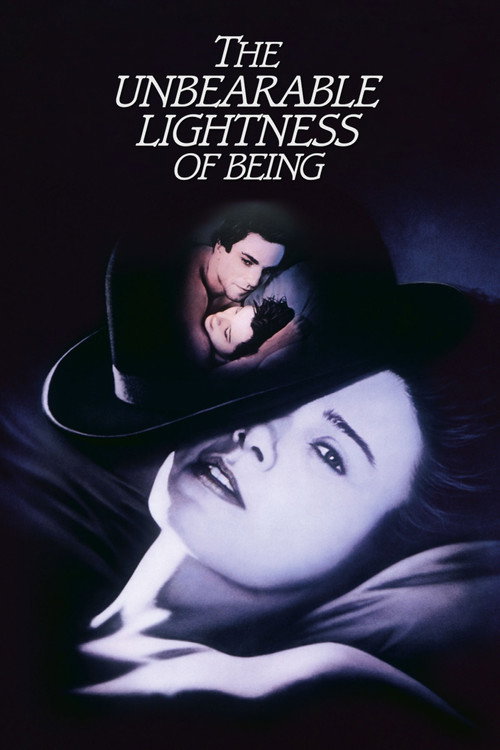
The Unbearable Lightness of Being1988
Both films about intelligent people caught in the machinery of history, choosing between politics and love, discovering the choice was never real.
Daniel Day-Lewis and Juliette Binoche in Kundera. Published the same year, carries the same meditation on love and history crushing the individual. East European, politically weighted, gorgeously shot, built on philosophical argument rather than plot.
But Deliberately non-narrative. Asks you to sit with ideas rather than follow action. Some find philosophy on screen pretentious.
More like this (8)
The Lives of Others2006
East German surveillance state from the inside. Quiet, devastating study of how systems corrupt and how love cracks ideology. Connery's restraint would recognize itself here.
But Subtitled. Some moments of emotional manipulation in the final act feel manufactured.

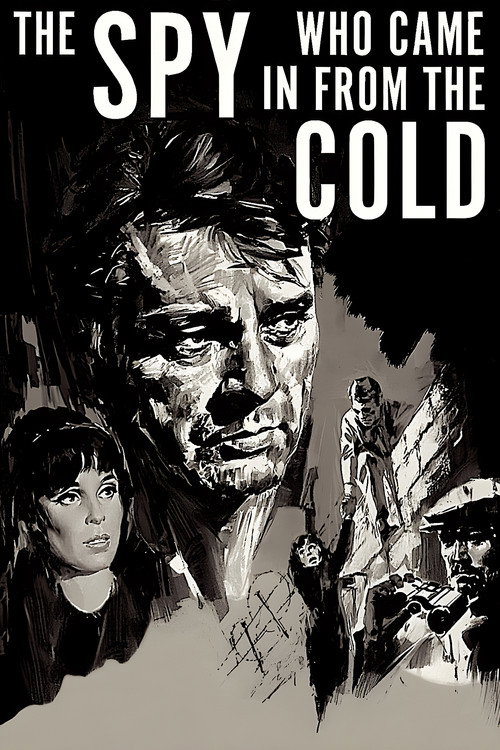
The Spy Who Came In from the Cold1965
Le Carré again, but earlier and bleaker. Richard Burton as a burned-out agent learning that betrayal is the job's only constant. The spiritual ancestor of everything here.
But Black-and-white and blunt. No glamour, no reassurance. Some see it as punishingly grim.
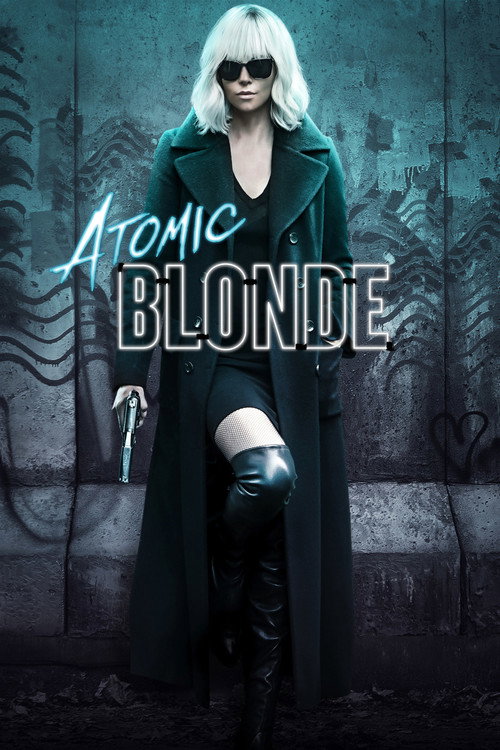
Atomic Blonde2017
Charlize Theron as an MI6 agent in Cold War Berlin with a partner she can't trust. Gorgeous and tense, with real chemistry and genuine stakes beneath the action.
But Flips the formula toward style and physicality. If you want talk over movement, this isn't it.
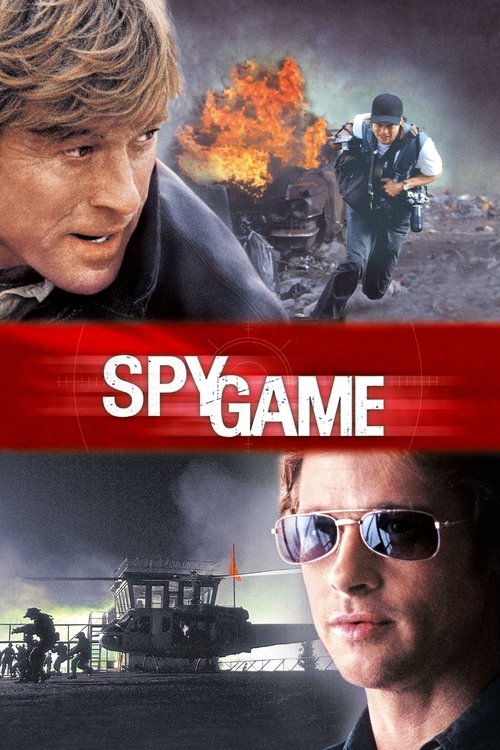
Spy Game2001
Robert Redford and Brad Pitt in a CIA romance that mirrors *The Russia House*'s structure: older operative mentoring younger, tangled loyalties, the woman caught between them.
But Glossier and more mainstream than its inspiration. Some prefer their espionage less polished.
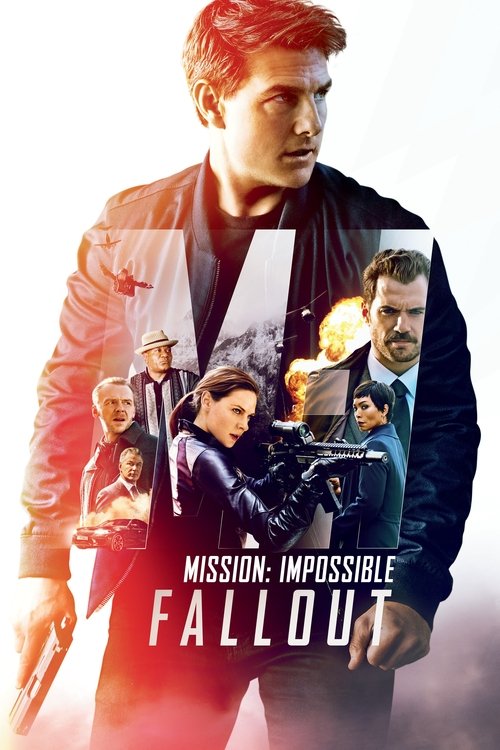
Mission: Impossible - Fallout2018
Tom Cruise, but at its core a meditation on trust and betrayal in the intelligence world. The stunts serve an emotional arc about whether loyalty means anything anymore.
But Blockbuster scale feels at odds with the film's quieter themes. The action can overwhelm the character work.
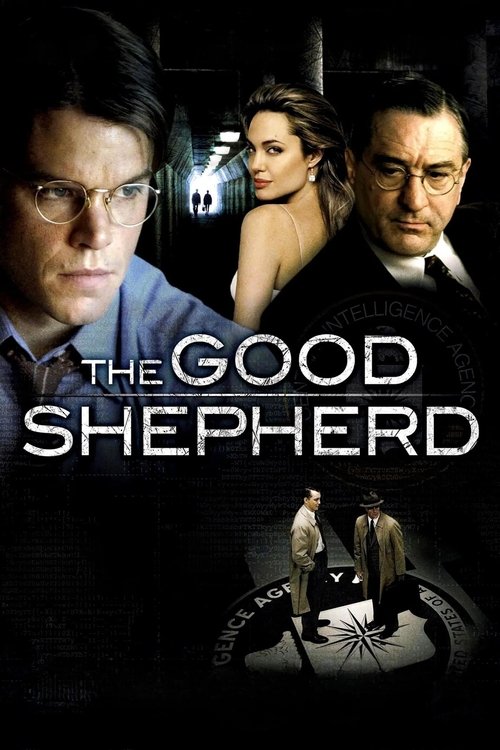
The Good Shepherd2006
Robert De Niro directing and starring in a three-hour CIA origin story. Dense, intricate, built on the idea that spying corrodes the capacity to love.
But Genuinely difficult to follow. Deliberately scattered in time. Some find it more impressive than involving.
Stalker1979
Both about Soviet life, both skeptical of ideology, both trust silence and landscape to do the work plot usually does.
Tarkovsky's three-hour Soviet masterpiece about a man hired to guide others into a mysterious zone. Like *Russia House*, it's a slow study of trust and meaning in a vast, incomprehensible system. Hypnotic.
But Science fiction by way of philosophy. Almost no conventional plot. Some watch it and feel it as a chore rather than an experience.

The Third Man1949
Both Le Carré (Greene's heir) works: both about idealistic men discovering that the Cold War makes friendship and truth impossible, both end in necessary loss.
Postwar Vienna, espionage, moral compromises, a woman at the centre of rival claims. Carol Reed's masterpiece about a world divided and a man learning that loyalty and love are luxuries the times won't allow. Graham Greene wrote it—the spiritual ancestor of *The Russia House*.
But 1949 film noir in black and white. The zither score is unforgettable or unbearable depending on your patience for stylization.

People
Cast
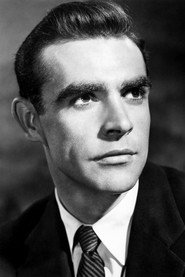 Sean ConneryBartholomew 'Barley' Scott Blair
 Michelle PfeifferKatya Orlova
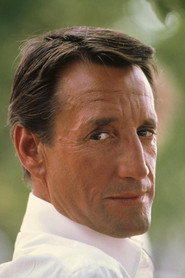 Roy ScheiderRussell
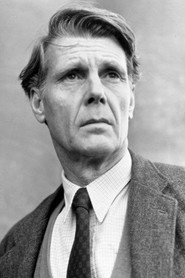 James FoxNed
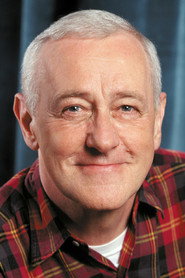 John MahoneyBrady
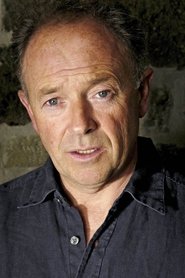 Michael KitchenClive
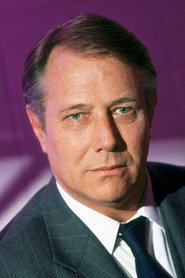 J.T. WalshColonel Quinn
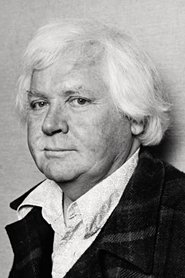 Ken RussellWalter
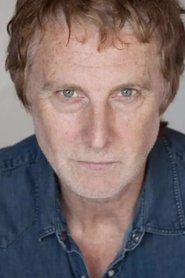 David ThrelfallWicklow
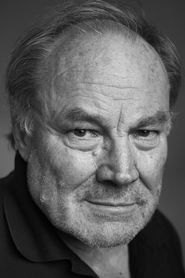
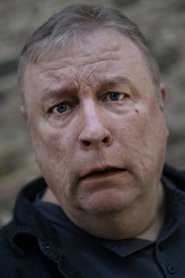 Mac McDonaldBob
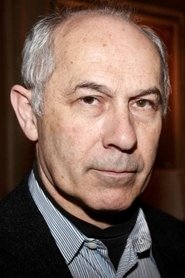 Nicholas WoodesonNiki Landau
Directing
- Michael StevensonAssistant Director
- Fred SchepisiDirector
- Adam SomnerThird Assistant Director
Writing
- John le CarréNovel
- Tom StoppardScreenplay
Production
- Fred SchepisiProducer
- Leonid VereshchaginProducer
- Nikita MikhalkovProducer
- Paul MaslanskyProducer