
Film
The Good Shepherd
A sweeping, nearly three-hour examination of how ambition and duty corrode a man from the inside. Matt Damon plays an OSS officer whose rise through Cold War intelligence work costs him everything that made him worth saving. Robert De Niro directs with operatic precision—it's stately, morally serious, and deeply uncomfortable in the best way. For viewers who loved Tinker Tailor Soldier Spy's moral decay but want it set in American history.
Should you watch it?
Watch it if you like slow, cold-eyed espionage stories where the tension lives in what people won't say across a dinner table, and you're happy to watch a man's quiet compromises pile up.
Skip it if you want brisk set pieces or a clear sense of the plot's destination; at nearly three hours it moves deliberately, and its restraint can feel like a long wait.
What it asks of you: Roughly two and a half hours of patient, shadowy attention, with long stretches of talk and waiting, and a bleak, unshowy mood that rewards close listening rather than easy entertainment.
Not sure? Find tonight's pick in a minute.
If you liked this
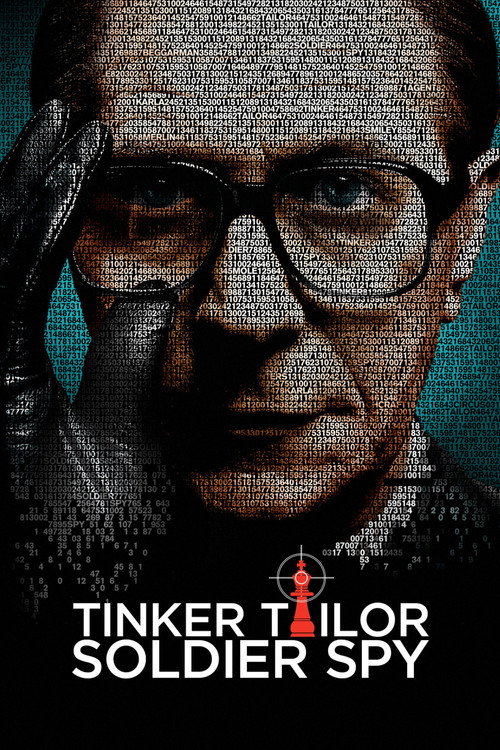
Tinker Tailor Soldier Spy2011
A spy story about the slow, crushing weight of duty and deception. Like The Good Shepherd, it's glacially paced but hypnotic, with a lead actor (Gary Oldman) conveying volumes through silence. Both are about men who sacrificed their souls for their country and got nothing back.
But It moves deliberately, with long stretches of conversation and chess-like maneuvering. If you want plot momentum, you'll find it exhausting.
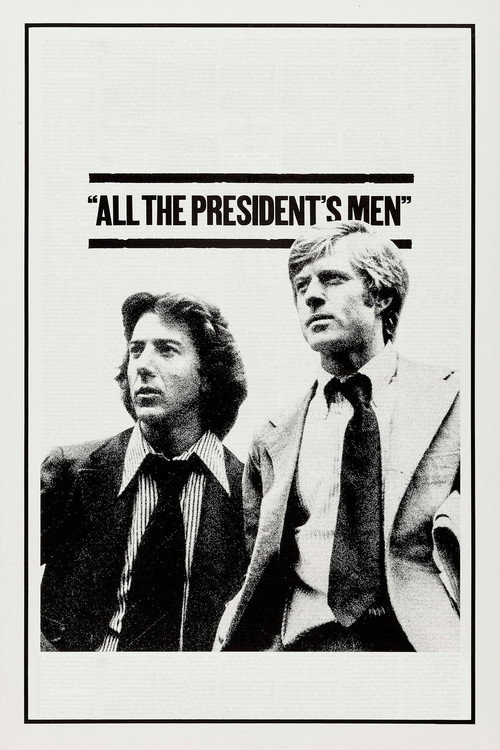
All the President's Men1976
Procedural brilliance about uncovering institutional corruption. Like The Good Shepherd, it's fascinated by how organizations protect themselves and how individuals get consumed by their work. The paranoia and moral weight are very similar, even if the century is different.
But It's a journalism story, not a spy thriller, so the stakes feel more bureaucratic than dramatic for some viewers.
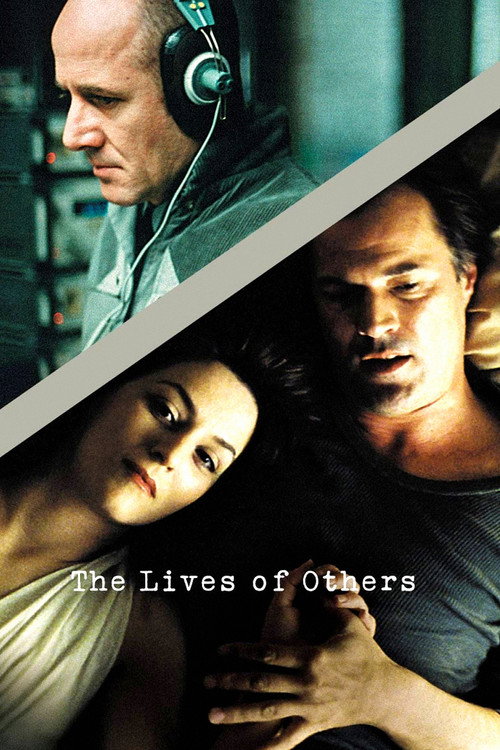
The Lives of Others2006
A Stasi officer's slow moral awakening set against East German surveillance. Shares The Good Shepherd's interest in how loyalty to the state hollows out your humanity. Both films believe you can trace a man's corruption in small gestures and silences.
But It's subtitled, and the coldness of the cinematography can feel bleak rather than compelling if you're not in the mood.
Not sure tonight? Get a pick in a minute, starting from The Good Shepherd
The wildcard
Something you would not have found on your own.
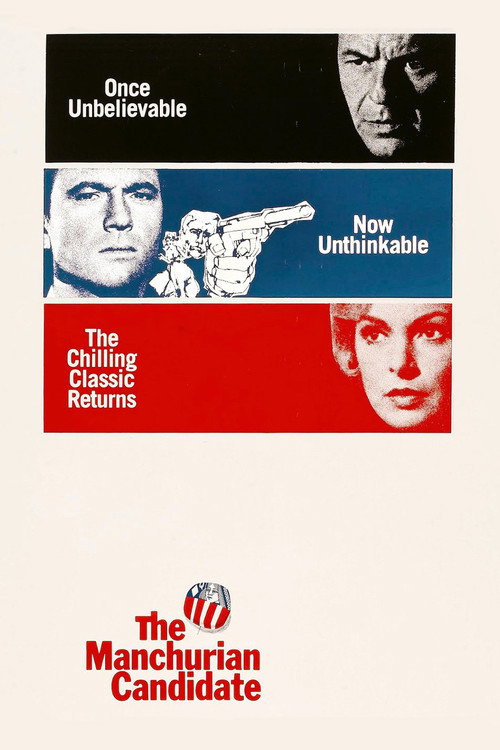
The Manchurian Candidate1962
Both are rigorous examinations of how America's cold war machinery corrupts the men inside it, but where The Good Shepherd treats it as Greek tragedy, Manchurian Candidate sees it as absurdist horror—same skeleton, completely different attitude.
A paranoiac Cold War thriller that predates The Good Shepherd by decades and basically invented the American paranoia film. But it's also a dark comedy—Frankenheimer and Condon understood that the only sane response to institutional evil is gallows humor. Both films believe America's institutions are corrupt, but this one doesn't pretend it's tragic; it's grotesque and funny.
But The tonal shifts will jar you if you're expecting consistent seriousness. It moves fast and expects you to keep up with its satire.
More like this (8)
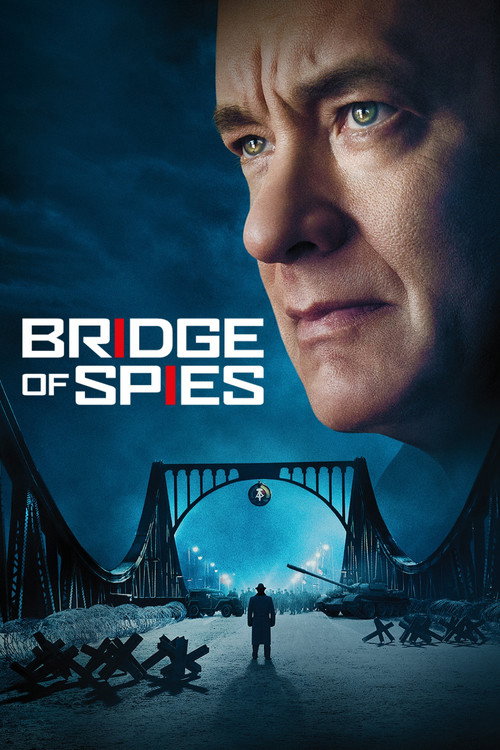
Bridge of Spies2015
Spielberg and Hanks exploring the Cold War espionage game with restrained emotional intelligence. Like The Good Shepherd, it's interested in how honor functions in a world of moral compromise. Both films are elegant and deeply sad without hammering the point.
But Spielberg's restraint can feel distant to some viewers. It's a quiet film about big themes, which won't satisfy people looking for urgency.
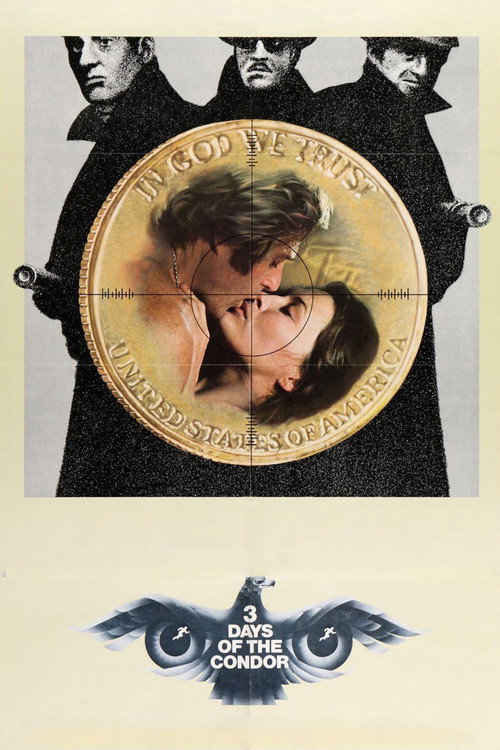
Three Days of the Condor1975
A CIA analyst on the run discovers that his employers see him as disposable. This film, like The Good Shepherd, is paranoid and bitter about American intelligence—how it chews up idealists and spits them out. Both have that '70s moral exhaustion.
But The plot mechanics are more conventional. If you're drawn to The Good Shepherd's sprawling, decades-spanning structure, this will feel more like a thriller than a tragedy.
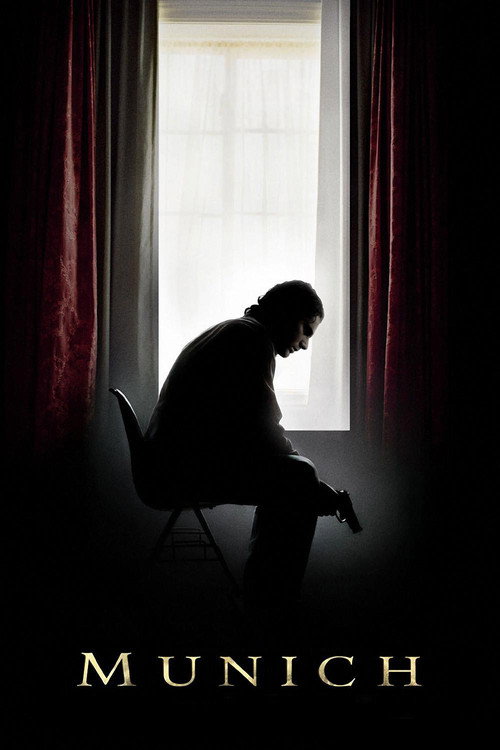
Munich2005
Spielberg's unflinching look at an Israeli assassination team slowly losing their moral bearings. It's a cousin of The Good Shepherd—both ask whether serving your country's will, no matter how justified, destroys the part of you that's actually worth serving.
But It's politically divisive and exhaustingly bleak. Some viewers will feel the moral questions overshadow the story itself.
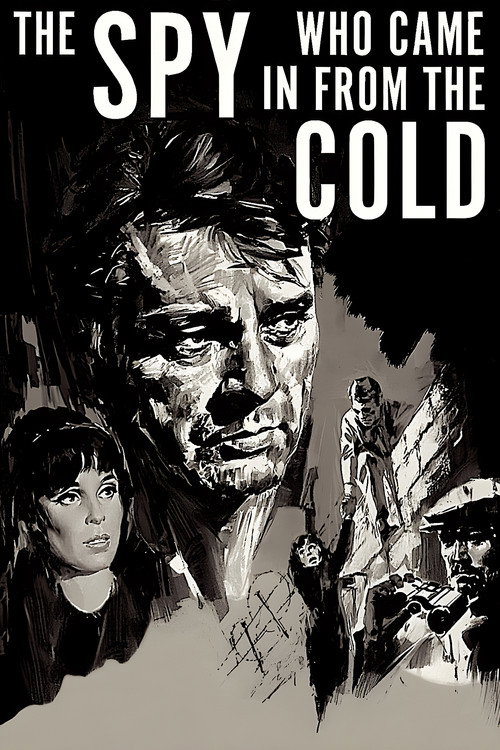
The Spy Who Came In from the Cold1965
A burned-out Cold War operative caught between two governments. Like The Good Shepherd, it's about the human cost of intelligence work—how the job doesn't reward loyalty, it just takes everything and leaves you hollowed out.
But It's a product of the '60s in pacing and style. If you need sharp cinematography or modern editing rhythms to stay engaged, this will feel slow.
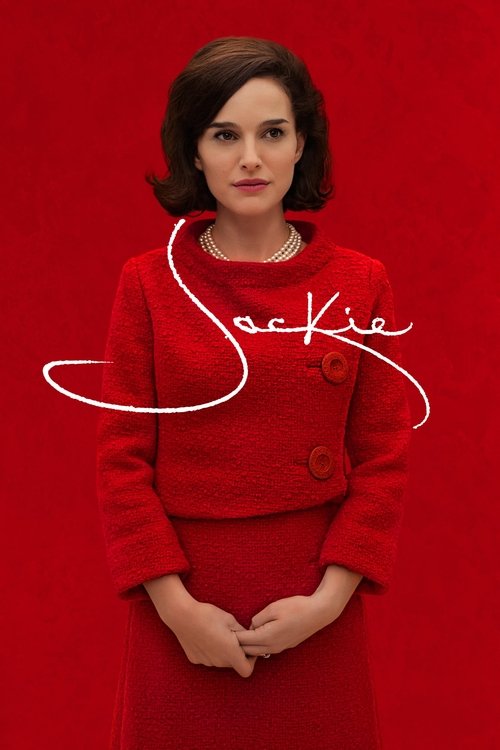
Jackie2016
Larrain's film about Jackie Kennedy processes grief and the suffocation of duty through a similar register to The Good Shepherd—composed, elegant, and devastating. Both are interested in how public service ruins private life, and both trust the audience to feel the tragedy without explanation.
But It's a portrait rather than a plot. If you watch movies for story momentum, this introspective approach will frustrate you.
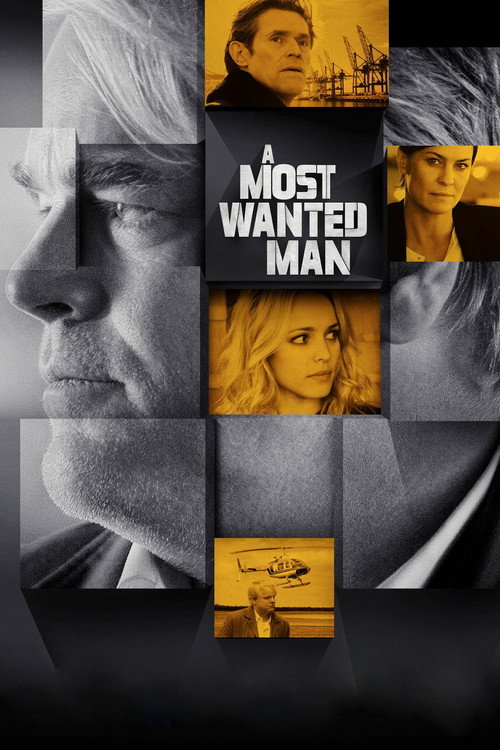
A Most Wanted Man2014
An aging spy handler navigates post-9/11 moral compromise. Like The Good Shepherd, it's interested in how institutions corrupt individuals, and how loyalty becomes a trap. Both films are melancholy examinations of men who served and lost everything.
But Philip Seymour Hoffman's last film—it's quiet and introspective rather than suspenseful, which can feel slow if you're expecting a spy procedural.
Come and See1985
Both films are obsessed with how institutions (military, intelligence) transform idealistic young men into damaged instruments. But while The Good Shepherd is elegant and controlled, Come and See is raw, experimental, and visceral—they're asking the same question with completely different registers.
A Soviet film following a young partisan's descent into moral and psychological devastation during WWII. It shares The Good Shepherd's interest in how war and duty hollow out a human being, but it does it in 142 minutes of almost unbearable intensity. Elem Klimov creates something that feels like watching a soul being erased in real time.
But It's absolutely punishing. Graphic violence, unrelenting bleakness, and a commitment to showing suffering in detail. This is not entertainment; it's a trauma document.

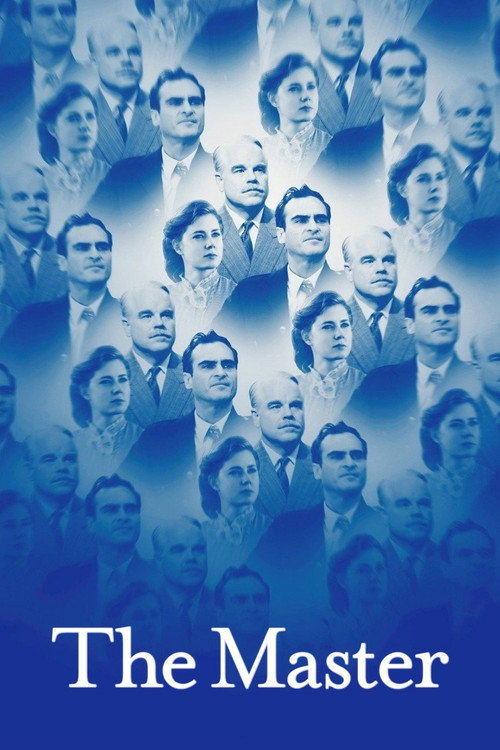
The Master2012
Both films are about men destroyed by loyalty to something larger than themselves. Where The Good Shepherd spans decades and institutions, The Master compresses the same damage into a claustrophobic two-character relationship—same soul-death, vastly different scale.
Paul Thomas Anderson's character study of a damaged man caught between a charismatic father figure and his own fractured humanity. Joaquin Phoenix's performance is pure dissolution—it's what happens when you've given yourself completely to an institution and it collapses. The moral and spiritual devastation echoes The Good Shepherd, but this is intimate chamber work instead of an epic.
But It's deliberately ambiguous and slow-paced, with dialogue that often feels like the characters are talking past each other. If you need clarity and forward momentum, it will infuriate you.
People
Cast
 Matt DamonEdward Bell Wilson
 Angelina JolieMargaret Ann Russell
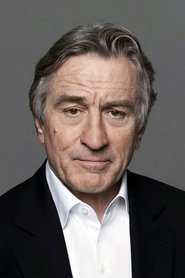 Robert De NiroBill Sullivan
 Alec BaldwinSam Murach
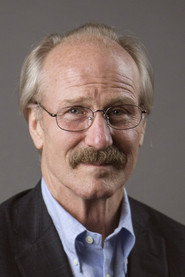 William HurtPhilip Allen
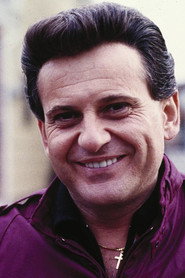 Joe PesciJoseph Palmi
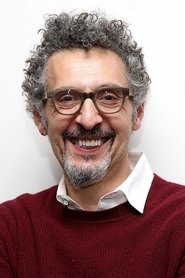 John TurturroRaymond Brocco
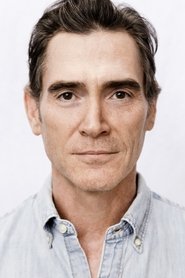 Billy CrudupArchibald Cummings
 Tammy BlanchardLaura
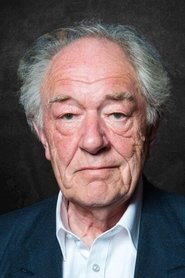 Michael GambonDr. Fredericks
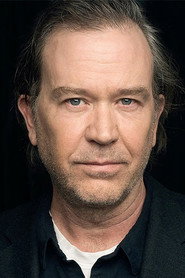 Timothy HuttonThomas Wilson
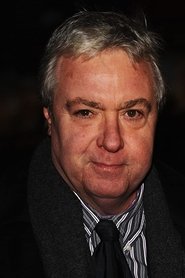 John SessionsValentin Mironov #1/Yuri Modin
Directing
- Robert De NiroDirector
- H.H. CooperFirst Assistant Director
- Francisco OrtizSecond Assistant Director
Writing
- Eric RothWriter
Production
- Alena GaretovskayaCasting
- Amanda MackeyCasting
- Cathy Sandrich GelfondCasting
- Sig De MiguelCasting
- Chris BrighamExecutive Producer
- David RobinsonExecutive Producer
- Francis Ford CoppolaExecutive Producer
- Guy McElwaineExecutive Producer
- Howard KaplanExecutive Producer
- James G. RobinsonProducer
- Jane RosenthalProducer
- Lorena ReyesProducer
- Robert De NiroProducer
- Andy FraserProduction Executive
Recommended by
Che: Part One, Smiley's People, The Interpreter, The Tailor of Panama, Our Kind of Traitor, Cypher, Breach, Farewell, The November Man, The Catcher Was a Spy, The Spy Gone North, The Ghost Writer, Five Graves to Cairo, The Manchurian Candidate, Wittgenstein, The Russia House, Wild Horse Nine, The Double