
Film
Che: Part One
Steven Soderbergh's ambitious two-part chronicle of Che Guevara's rise during the Cuban Revolution. Methodical, unglamorous, shot in grainy colour that feels like period documentary. It's a film about ideology and logistics as much as charisma—demanding but rewarding if you're willing to sit with complexity and moral ambiguity.
If you liked this
The Battle of Algiers1966
Gillo Pontecorvo's masterpiece about anti-colonial insurgency. Shot like a newsreel, structurally audacious, and it asks the same questions Soderbergh does: what does revolution cost, and who pays?
But Black and white, deliberately dry pacing, no heroes—just people making terrible choices under pressure.

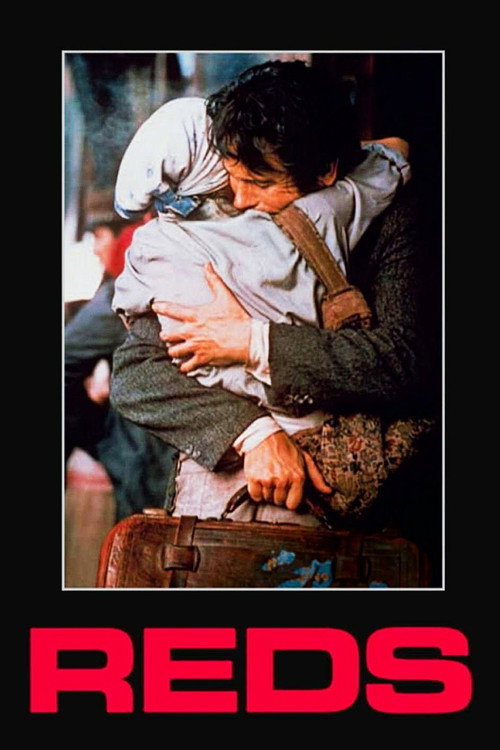
Reds1981
Warren Beatty's three-hour epic about American communists caught in the Russian Revolution. Romantically ambitious, visually sumptuous, and genuinely interested in the gap between ideology and lived experience.
But The length is real. It moves like a novel, not a thriller, and some of the historical detail feels dated in how it's presented.
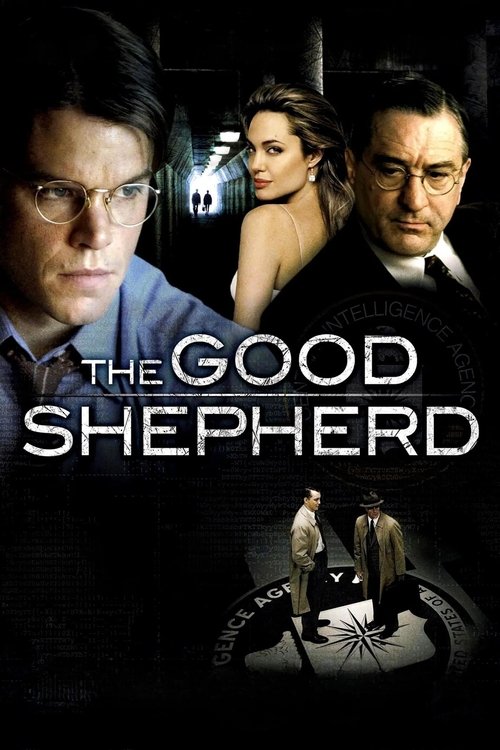
The Good Shepherd2006
Robert De Niro's meditation on American espionage and the cost of ideological certainty. Formal, intricate, built around moral failure. Shares Soderbergh's interest in systems over spectacle.
But Deliberately cold and fractured in its storytelling. Won't give you the satisfaction of understanding anyone's full motivation.
Not sure tonight? Get a pick in a minute, starting from Che: Part One
The wildcard
Something you would not have found on your own.
La Haine1995
Both chart the moment ideology crystallizes in a person or group; both refuse to judge as much as they refuse to sentimentalize; both understand that revolution isn't grand, it's intimate and terrible.
Mathieu Kassovitz's furious black-and-white portrait of marginalized youth in Paris suburbs. Not about Che or revolution in any historical sense, but it's about radicalization, class fury, and how ideology grows in the cracks of inequality. Shot with documentary rawness but mounted as tragedy.
But Graphic violence and language. Also genuinely angry in a way that doesn't resolve—it's a statement, not a story with a third act.

More like this (8)
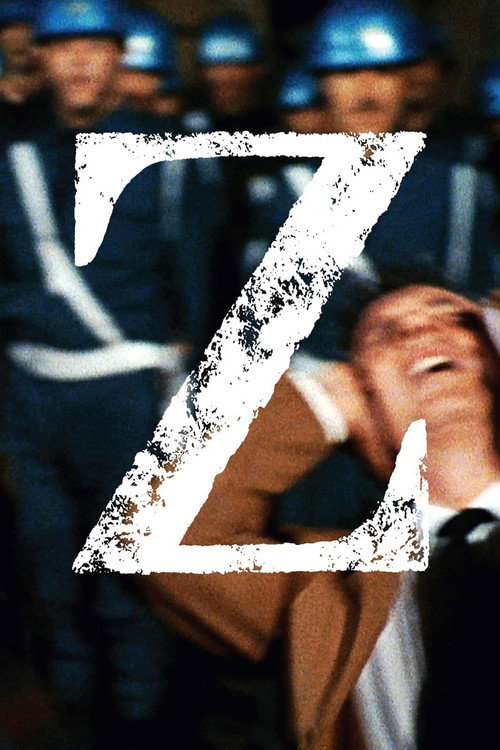
Z1969
Costa-Gavras on political assassination and cover-up in a fascist state. Taut, angry, thrillingly edited. Shows how cinema can document injustice without flinching.
But Didactic in places. The politics are not ambiguous, and if you want moral complexity, this isn't it.
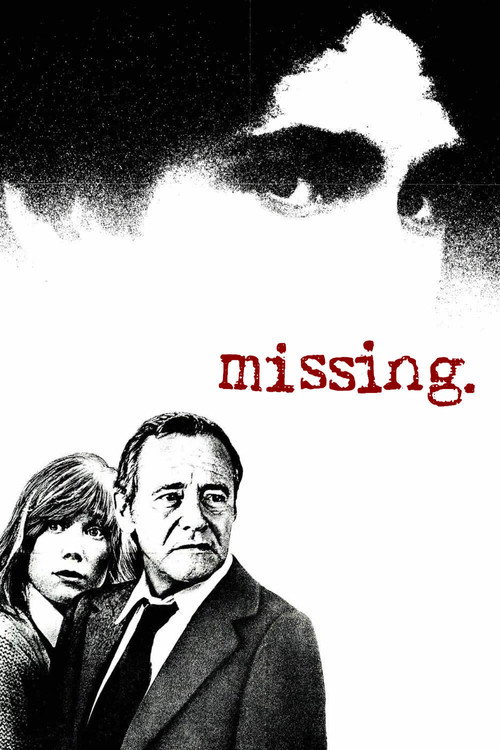
Missing1982
Costa-Gavras again, this time on the Chilean coup and American complicity. Jack Lemmon gives perhaps his greatest performance. A document of how revolutions and counter-revolutions destroy ordinary people.
But Brutally depressing and increasingly claustrophobic. The ending offers no comfort, only clarity.
A Prophet2009
Jacques Audiard's portrait of radicalization and power in a prison system. Not about revolution, but about how ideology breeds in closed spaces and changes you irrevocably. Formally brilliant.
But French, subtitled, and morally bleak. The protagonist is never sympathetic, only understandable.

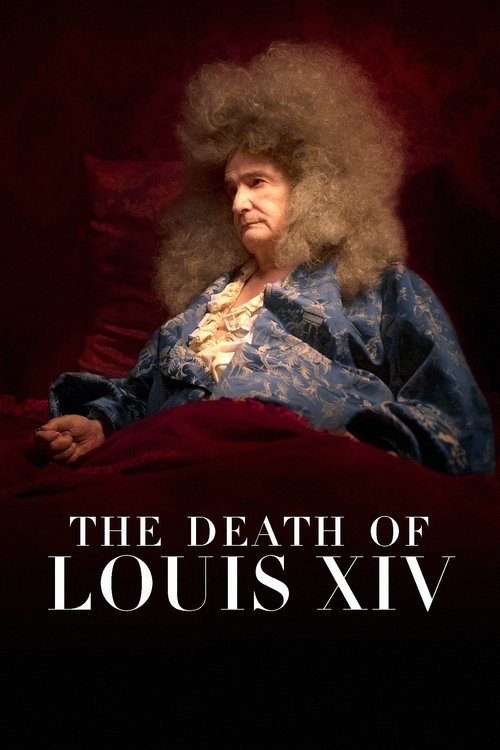
The Death of Louis XIV2016
Albert Serra's avant-garde meditation on power and decay. Totally different register—slow, painterly, almost abstract. Proves that historical cinema doesn't need plot to be profound.
But This is experimental film. If you want conventional narrative, you're in the wrong room. It's also very, very slow.
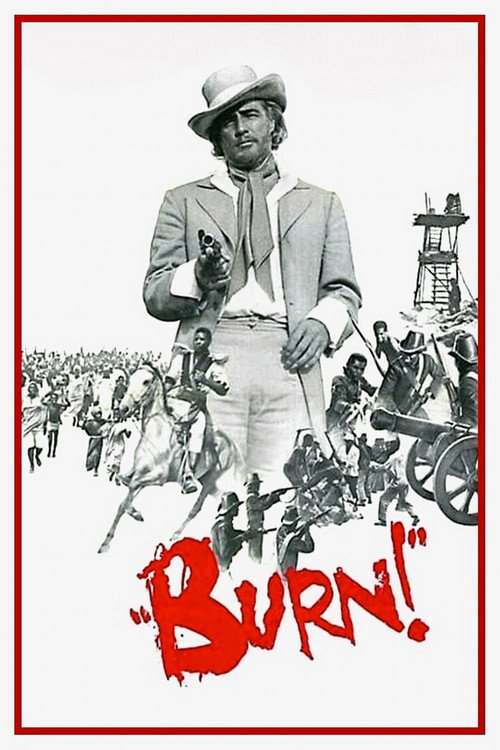
Burn!1969
Gillo Pontecorvo again, with Marlon Brando, on imperialism and revolution in a Caribbean sugar colony. Angry, complex, visually striking, and deeply committed to showing how colonialism manufactures its own opposition.
But The pacing is deliberate to the point of stateliness. Brando is brilliant but gives nothing away, which some find glacial.
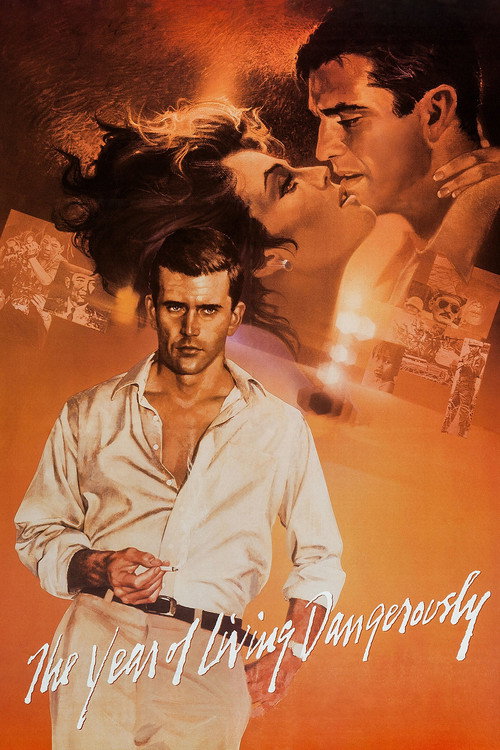
The Year of Living Dangerously1982
Peter Weir on revolution and journalism in 1960s Indonesia. Romantic and political at once, gorgeously shot, with Mel Gibson young and genuinely good. A thinking person's political thriller.
But Sentimentalizes its female lead and glosses over some political complexity for the sake of the love story.
Come and See1985
Both are cold-eyed about revolutionary ideology and its human cost; both refuse to make their young protagonists sympathetic or weak; both understand that witnessing atrocity is the real subject.
Elem Klimov's Soviet masterpiece: a teenager becomes a partisan in WWII Belarus. Not a war film—a descent into moral numbness. If Che: Part One asks how revolution is made, this asks what it does to the people inside it. Unflinching, hallucinatory, the most important film about idealism and violence ever made.
But This is one of the most disturbing films ever made. Children die. Not metaphorically. If that's beyond your limit, don't.

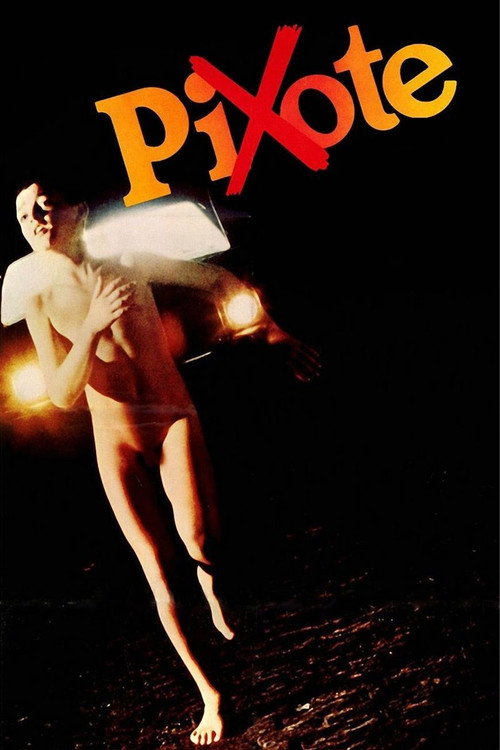
Pixote1980
Both see their protagonists as shaped by systemic failure more than personal choice; both refuse victimhood narratives; both understand that poverty and injustice produce their own logic.
Héctor Babenco's Brazilian documentary-style drama following a street child through crime and survival. Not about politics, but about how the absence of justice creates its own savage economy. Fernando Ramos da Silva is a revelation. Shot in gritty colour that feels lived-in.
But Bleak and chaotic. No arc, no lesson, just circumstance. And Ramos da Silva's real-life death makes it haunting in ways film shouldn't be.
People
Cast
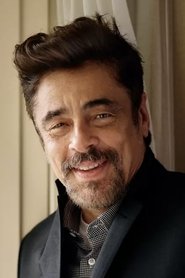 Benicio del ToroErnesto Che Guevara
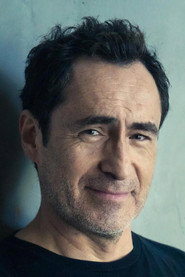 Demián BichirFidel Castro
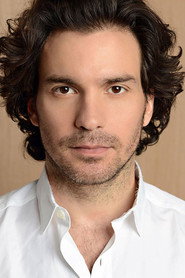 Santiago CabreraCamilo Cienfuegos
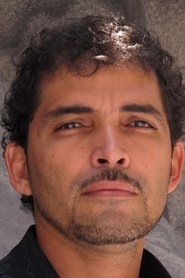 Vladimir CruzRamiro Valdés Menéndez
 Alfredo de QuesadaIsrael Pardo
 Jsu GarciaJorge Sotus
 Kahlil MéndezLeonardo Tamayo Núñez
 Elvira MínguezCelia Sánchez
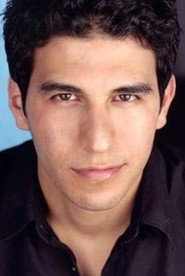 Andres MunarJoel Iglesias Leyva
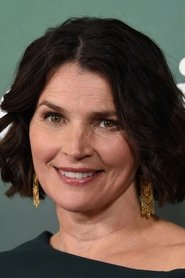 Julia OrmondLisa Howard
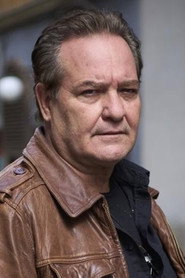 Jorge PerugorríaVilo (Juan Vitalo Acuña)
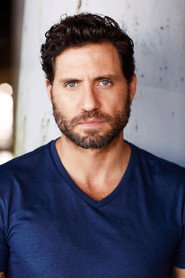 Edgar RamírezCiro Redondo García
Directing
- Steven SoderberghDirector
- Gregory JacobsFirst Assistant Director
- Joseph P. ReidyFirst Assistant Director
- Coraly SantalizScript Supervisor
- David M. BernsteinSecond Assistant Director
- Jody SpilkomanSecond Assistant Director
- Yvette GurzaSecond Assistant Director
Writing
- Che GuevaraAuthor
- Peter BuchmanScreenplay
Production
- Ed ArenasCasting
- Eva LeiraCasting
- J.C. CantuCasting
- Mary VernieuCasting
- Rodrigo BellottCasting
- J.C. CantuCasting Associate
- Ricardo PadulaCasting Associate
- Rodrigo UrbanoCasting Associate
- Carla HoolCasting Director
- Patricia AlonsoCasting Director
- Álvaro AugustínExecutive Producer
- Álvaro LongoriaExecutive Producer
- Belén AtienzaExecutive Producer
- Brahim ChiouaExecutive Producer
- Frederic W. BrostExecutive Producer
- Gregory JacobsExecutive Producer
- Philip ElwayExecutive Producer
- Vincent MaravalExecutive Producer
- Francisco VeyroExtras Casting
- Jorge GuerreroExtras Casting
- Jason HinkelFirst Assistant Accountant
- Anna RothLine Producer
- Celia D. CostasLine Producer
- Cristina ZumárragaLine Producer
- Fernando UriegasLocation Manager
- Sofia TiradoLocation Manager
- Larry BlakePost Producer
- Benicio del ToroProducer
- Laura BickfordProducer
- Pilar BenitoProducer
- Silvana PaternostroProducer
- Gemma RawsthorneProduction Accountant
- Alejandro LaviadaProduction Assistant
- Michelle Malley CamposProduction Assistant
- Eric M. VegaProduction Coordinator
- Karla BukantzProduction Coordinator
- Anna RothProduction Manager
- Celia D. CostasProduction Manager
- Cristina ZumárragaProduction Manager
- Elena ManriqueProduction Manager
- Robin Le ChanuProduction Manager
- Carlos 'Búho' TamesProduction Supervisor
- Toni NovellaProduction Supervisor
- Martin MarquetPublicist
- Zack StoffResearch Assistant
- Ignacio BarsottelliResearcher
- Nacha ZurinagaTravel Coordinator