
Film
The Death of Louis XIV
- Drama
- Very dark
- Slow-burning
Albert Serra's austere study of Louis XIV's final days is less drama than ritual observance. Shot in long takes with minimal score, it watches a king diminish—fever, pain, the machinery of power grinding on around a failing body. Deliberately paced, almost meditative. For patient viewers drawn to mortality, ceremony, and cinema as endurance.
Should you watch it?
Watch it if you love slow, painterly films where a single room becomes a whole world and a great actor does almost nothing for long stretches, finding the dry humour and dignity in bodily indignity.
Skip it if you need plot or momentum to stay engaged; with its hushed pace and repetitive court rituals, the long stillness can feel like a test of patience rather than a story.
What it asks of you: Settle in for just under two hours of unhurried observation, where long takes hold on faces and rooms and you must supply the emotion yourself.
Not sure? Find tonight's pick in a minute.
If you liked this
A Prophet2009
Hanéké's prison drama shares Serra's commitment to uncut time and the weight of ritual. Long scenes let you absorb the atmosphere rather than being told what to feel. Performance emerges from silence.
But Bleak and slow. The narrative is deliberately minimal, and if you need plot momentum or conventional drama, this will frustrate you.

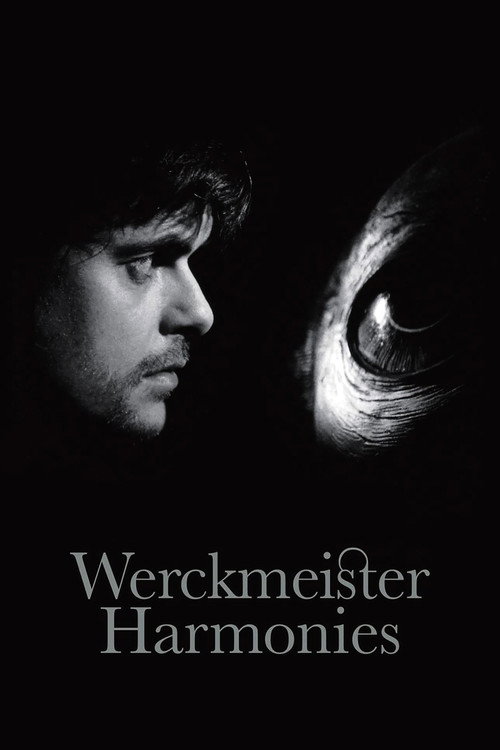
Werckmeister Harmonies2001
Béla Tarr's Hungarian masterpiece about stasis and spiritual exhaustion. Like Serra, Tarr uses duration as a tool—scenes breathe. Both films are about watching time pass and what that reveals.
But Three and a half hours of monochrome, with long sequences of people simply existing. The pace will test you; conventional satisfaction is not on offer.
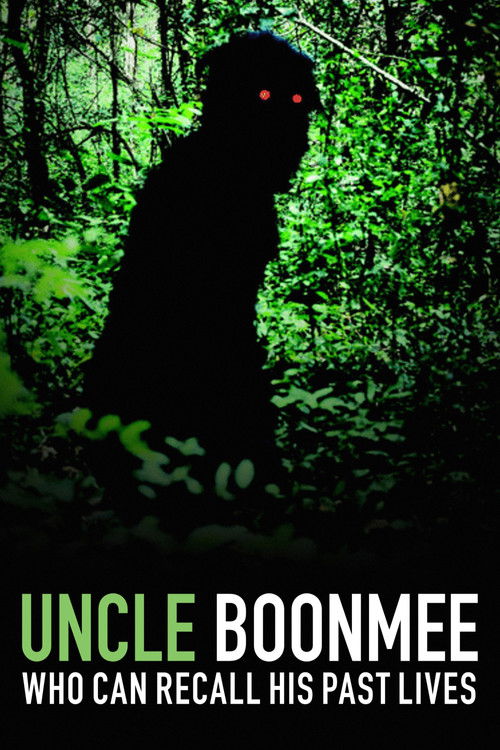
Uncle Boonmee Who Can Recall His Past Lives2010
Apichatpong's meditation on memory and mortality unfolds at Serra's speed. Ghosts drift into frame. Death is present but not dramatic. Both films treat time and space as subjects, not just containers for plot.
But Genuinely demanding. It requires surrender rather than engagement. Long static shots of rain, conversation, light. Demands patience most viewers don't bring to cinema.
Not sure tonight? Get a pick in a minute, starting from The Death of Louis XIV
The wildcard
Something you would not have found on your own.
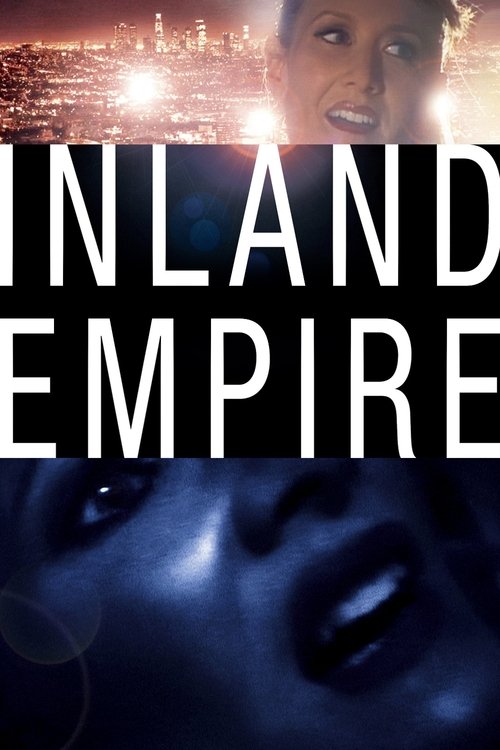
Inland Empire2006
Both filmmakers use extreme length and formal severity as philosophical weapons, not as self-indulgence.
Lynch's three-hour odyssey through Hollywood's nightmare is maximalist where Serra is minimal, but both are formal experiments about duration and cinema's power to exhaust and transform consciousness. Both demand endurance as active viewing.
But Aggressively difficult. Shot partly on video, partly digital. Incoherent to many. Laura Dern's performance is raw to the point of pain. Not enjoyable in any conventional sense.
More like this (7)
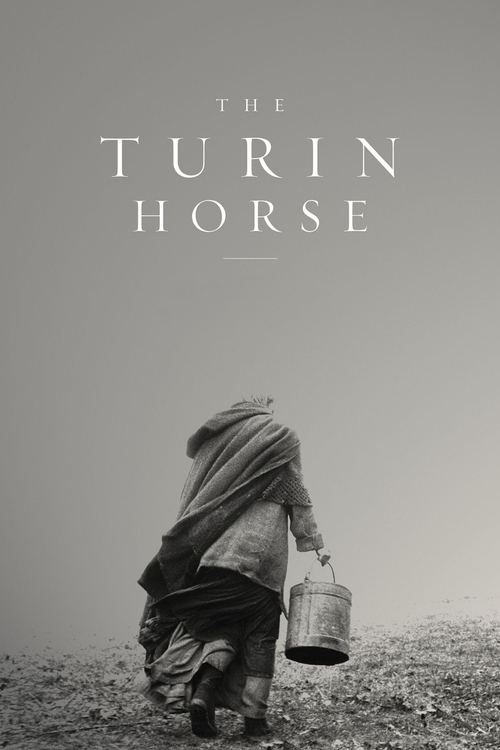
The Turin Horse2011
Tarr's final film, a lament for a dying world shot in black and white. Ritualistic, cyclical, filmed with stark beauty. Like Serra, it's interested in repetition and exhaustion as philosophical subjects.
But Apocalyptic and pessimistic. Hypnotic but grueling. If you're seeking uplift or conventional narrative, this is the opposite direction entirely.
A Ghost Story2017
Lowery's meditation on time, death, and haunting unfolds in long, quiet sequences. A sheet-covered ghost watches the world change. Like Serra, it trusts silence and duration to convey emotional weight.
But Deceptively strange and very slow. Some find it precious; others find it tedious. The famous pie-eating scene divides audiences sharply.

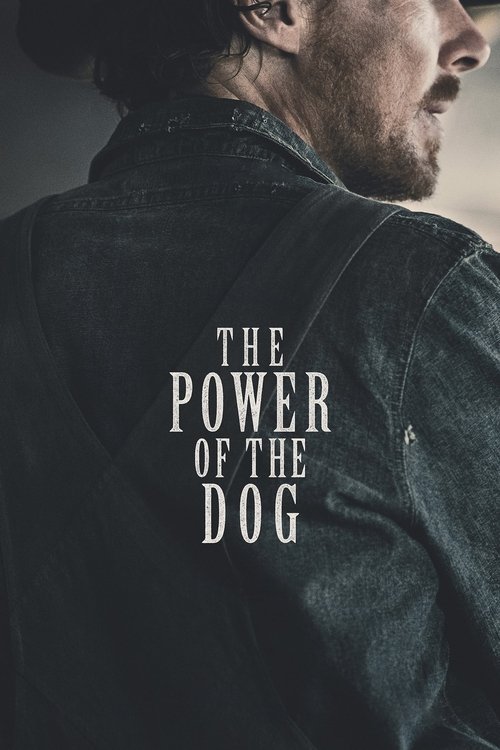
The Power of the Dog2021
Jane Campion's Western moves at Serra's deliberate pace. Landscape and ritual matter as much as dialogue. Beneath ceremony, violence and desire simmer. Patient filmmaking for patient viewers.
But Long and wintry. Psychological rather than action-driven. If you want a conventional Western, this will feel glacial and oblique.
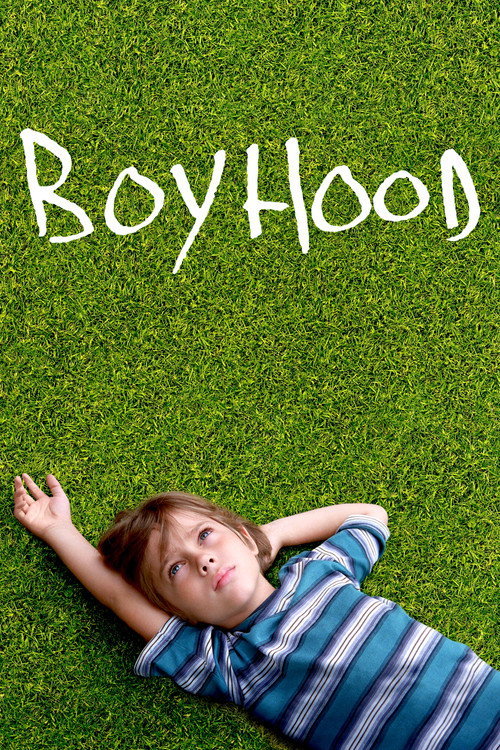
Boyhood2014
Linklater's twelve-year chronicle of a life shares Serra's interest in time as a subject. Both films ask what cinema can do with duration that no other medium can.
But Over three hours and deliberately episodic. Some see it as radical; others find it formless and indulgent.
The Last Temptation of Christ1988
Scorsese's controversial Christ film is verbose where Serra is silent, but both fixate on a man dying. Scorsese wrestles with theology and suffering; the intensity earns its length.
But Blasphemous to many. Wildly uneven in tone. Nearly three hours of Dafoe's internal struggle can feel exhausting rather than moving.
Synecdoche, New York2008
Kaufman's fever dream about art, death, and representation spirals through scales both cosmic and intimate. Dense with ideas. A meditation on mortality wrapped in theatrical baroque.
But Deliberately confusing and increasingly abstract. Some find it brilliant; many find it impenetrable or self-indulgent. The structure frustrates as much as it fascinates.

The Night of the Hunter1955
Both prize formal beauty and ceremony over realism; both understand that cinema is artifice and that artifice can tell truth.
Charles Laughton's only film is a German Expressionist nightmare in 1950s America. Grotesque, beautiful, morally alive. It's how American cinema could have gone—baroque, shadow-drunk, unapologetic about artifice. Serra descends from this lineage.
But Very stylized and theatrical in a way that reads as dated. Some find it hammy; the story is relatively simple and the visual excess can overshadow character.

People
Cast
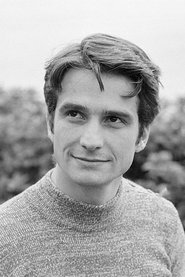 Jean-Pierre LéaudLouis XIV
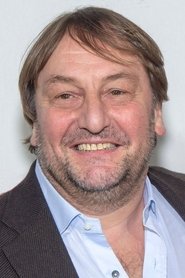 Patrick d'AssumçaoFagon, le médecin
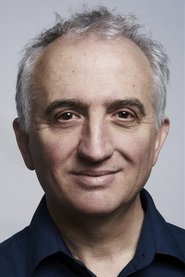 Marc SusiniBlouin, le valet de chambre
- Bernard BelinMareschal, le chirurgien
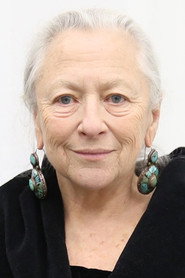 Irène SilvagniMadame de Maintenon
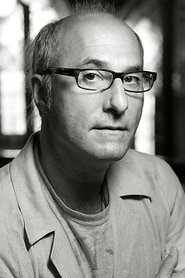 Vicenç AltaióLe Brun
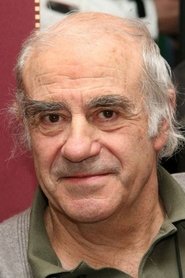 Jacques HenricPère Le Tellier
- Alain LajoinieLe Pelletier
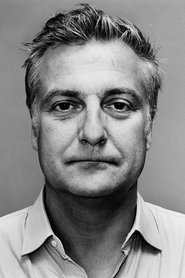 Olivier CadiotMédecin 1
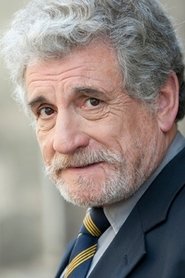 Philippe CrespeauMédecin 2
- Alain ReynaudMédecin 3
- Richard PlanoMédecin 4
Directing
- Albert SerraDirector
Writing
- Albert SerraScreenplay
- Thierry LounasScreenplay
Production
- Claire BonnefoyExecutive Producer
- Montse TriolaExecutive Producer
- Albert SerraProducer
- Claire BonnefoyProducer
- Joaquim SapinhoProducer
- Montse TriolaProducer
- Thierry LounasProducer
Recommended by
The Undertaking, Repo Men, Vanity Fair, Che: Part One, Watermelon Man, El Conde, You Don't Know Jack, A Dark Song, Vanity Fair, The Sacrifice, G.I. Jane, The Borgias, Millhouse, The Dresser, Special, Peterloo, The Doctor, Downhill Racer, The Taking of Power by Louis XIV, Lourdes, Eisenstein in Guanajuato, River, Racontez-moi des salades, The Eyes of Orson Welles, Sugar Cane Alley, Brazilian Western, Zama, The Fire Within, The Chamber, The Immortals, Clayface, The Great Happiness Space: Tale of an Osaka Love Thief, Crime and Punishment, La bola negra, Pontius Pilate, Capital in the Twenty-First Century, Another Round, Pasolini, Russian Ark, About Endlessness, The Mongoose, A.C.A.B. - All Cops Are Bastards, Nathalie Granger, Man Push Cart, Caniba, Code Unknown, Strength and Honour, Quills, The Caiman, Lightning Over Water, Mishima: A Life in Four Chapters, The Holy Innocents, Making 'The Mahabharata', Virumaandi, Bathory: Countess of Blood, National Theatre Live: All's Well That Ends Well, Vigo, The Patriot, L.627, The Royal Hunt of the Sun, The Marquise of O, The Show of Shows: 100 Years of Vaudeville, Circuses and Carnivals, White Material, The Trials of Oscar Wilde, Regarding Susan Sontag, Distant, The Wolf at the Door, Henry VIII and His Six Wives, The Promised Land, Saraband for Dead Lovers, Pacifiction, Story of My Death, Don Carlos, Colossal Youth, Les Misérables, 1612: Chronicles of the Dark Time, Marguerite, Before the Law, Silver City, A Good Man in Africa, Wonderland, London Orbital, Come Back, Africa, Time Out, I'm a Stranger Here Myself, At the Edge of Darkness (Song of the Earth Part 1), A Lullaby to the Sorrowful Mystery, It's Only the End of the World