
Film
The Marquise of O
Rohmer's luminous adaptation of Kleist's novella about a Marquise navigating scandal, honour and an impossible pregnancy in 18th-century Germany. Glacially paced and visually austere, it's a film that trusts you to sit with confusion and moral ambiguity. For patient viewers who prize precision and restraint over plot momentum.
If you liked this
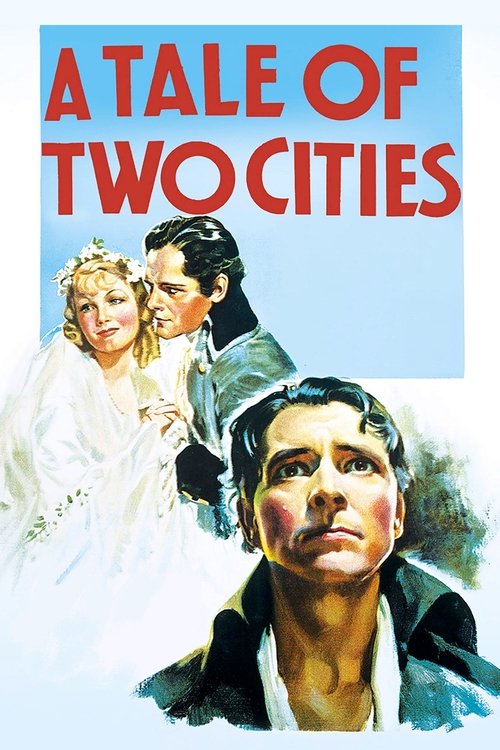
A Tale of Two Cities1935
David Lean's command of period detail and emotional restraint mirrors Rohmer's approach. Both films treat historical upheaval as the backdrop for intimate moral struggles, with elegant formality that never feels stiff.
But At 128 minutes and with a somewhat dated approach to romance, it can feel more like viewing a museum piece than experiencing contemporary drama.
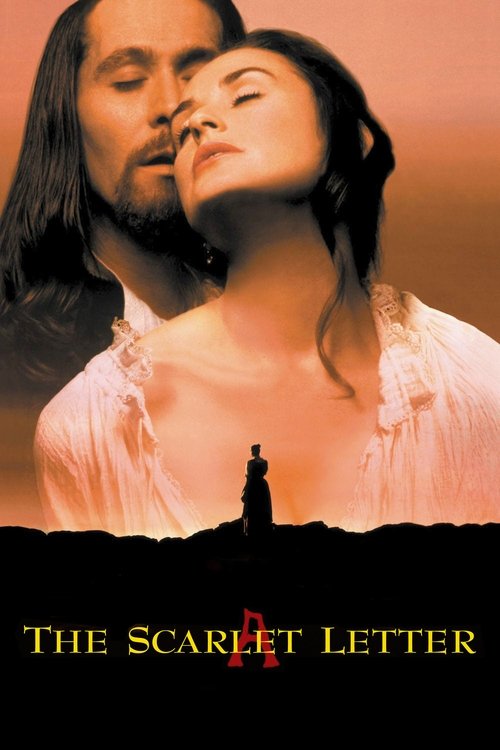
The Scarlet Letter1995
Like Kleist's source material, this wrestles with impossible social situations and female reputation. Demi Moore's Hester Prynne faces society's judgment with dignity, and the film shares Rohmer's interest in constraint as a form of power.
But The 90s aesthetic and melodramatic tone are far removed from Rohmer's cool precision, which may jar if you're seeking his particular textures.
Dangerous Liaisons1988
Both films dissect 18th-century society through intricate dialogue and the performance of social roles. The Marquise's careful navigation of honour mirrors how these characters weaponise propriety and conversation.
But Dangerous Liaisons is far more overtly cynical and propulsive. If you want Rohmer's glacial calm and spiritual undertow, this will feel like watching a thriller.

Not sure tonight? Get a pick in a minute, starting from The Marquise of O
The wildcard
Something you would not have found on your own.
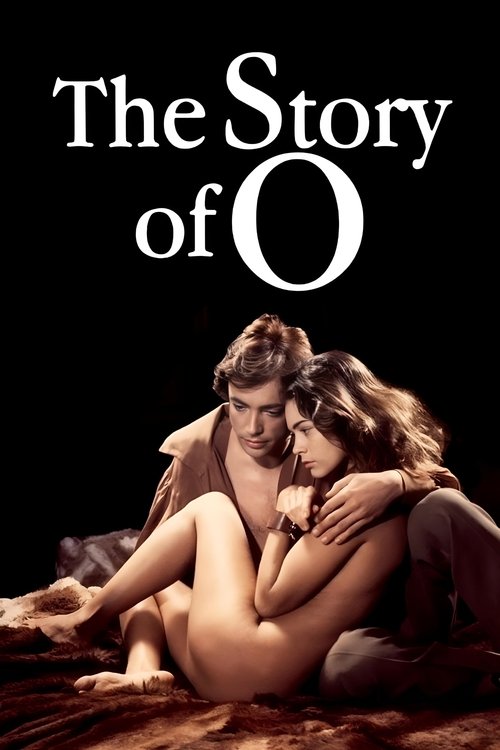
The Story of O1975
Both examine how women find agency within institutional constraints that ostensibly deny it.
Pauline Chalamet's portrait of religious conviction as unknowable desire, constraint as permission. Like the Marquise, it anatomises how women navigate systems that claim to protect them. The connection: both examine whether the patriarchal structure can contain or reshape female will.
But It's erotic and visceral where Rohmer is austere. Some find it exploitative rather than revelatory; the bodily intensity will feel like the inverse of Rohmer's intellectual restraint.
More like this (7)
M. Butterfly1993
Both explore how desire and deception can unravel a carefully maintained self, with long, tense conversations replacing action. Each finds profound strangeness in the gap between what we think we know and what is true.
But M. Butterfly is more overtly theatrical and emotionally volatile. The Marquise's restraint is its power; this film wears its passion on its sleeve.

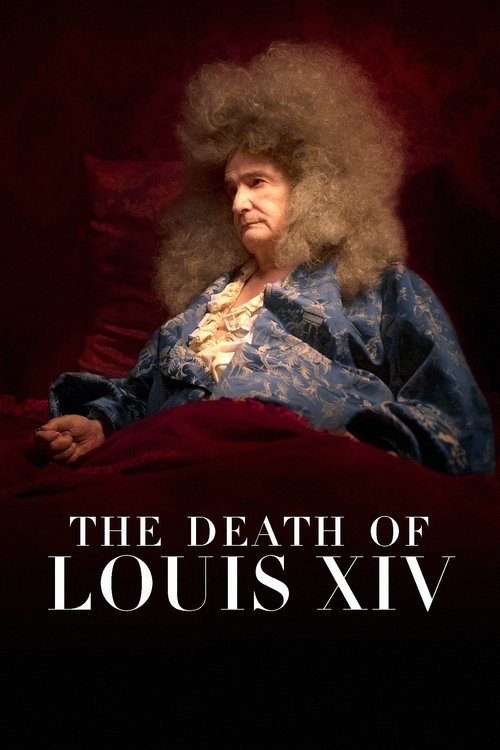
The Death of Louis XIV2016
Luc Bondy's meditation on decay and protocol shares Rohmer's fascination with how language and custom structure experience. Both films find drama in stillness and observation rather than plot.
But It's even slower and more austere than The Marquise of O. If you found that film testing, this will feel punishing rather than clarifying.
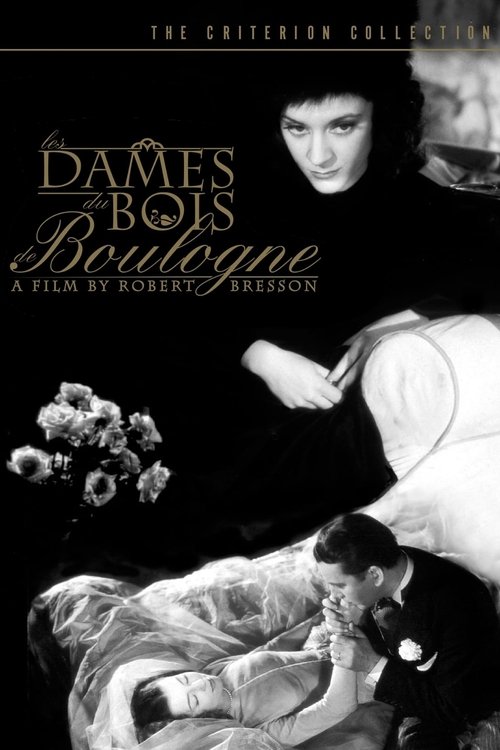
Les Dames du bois de Boulogne1945
Bresson's spare, dialogue-driven study of betrayal and social manoeuver shares Rohmer's faith in restraint. Both films treat conversation as action and find moral complexity in rigid formal structures.
But Bresson's Jansenist austerity goes even further toward the abstract. The emotional rewards are real but require unusual patience and submission to his method.
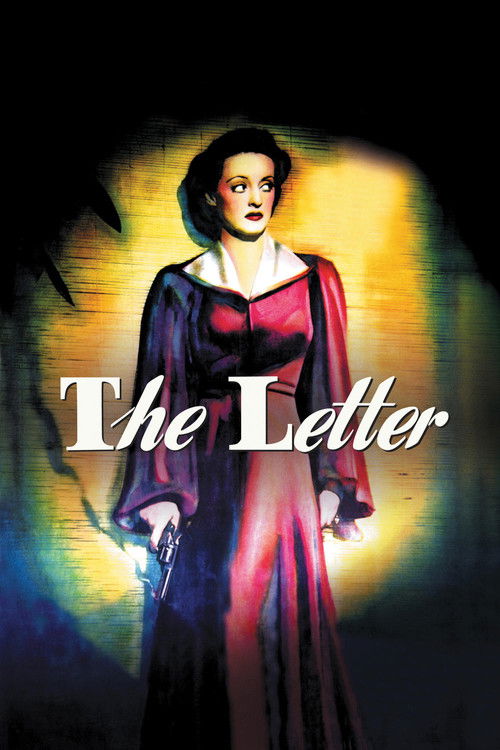
The Letter1940
Wyler's Bette Davis vehicle examines how a woman maintains a lie under social pressure, with a fascination for the gap between appearance and truth. Both films centre on female agency constrained by circumstance and custom.
But This is melodrama with genuine passion. If you prize Rohmer's cool observation over emotional intensity, the register will feel wrong.
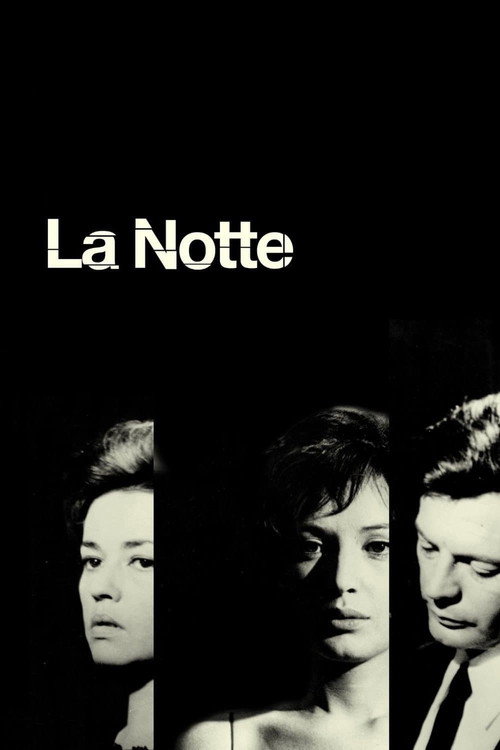
La Notte1961
Antonioni's faith in ellipsis and his refusal to explain characters' inner lives mirrors Rohmer's approach. Both films trust the viewer to interpret gestures and silences as meaning.
But Even more minimalist and plotless than The Marquise of O. You'll be watching for mood and implication rather than narrative satisfaction.
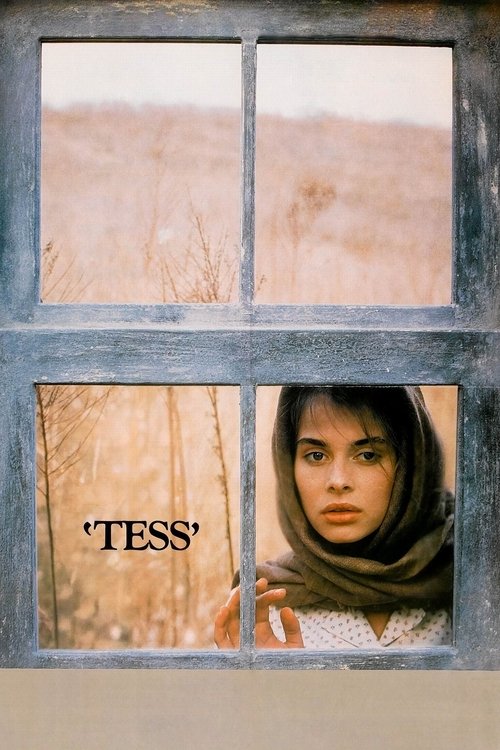
Tess1979
Polanski's adaptation of Hardy concerns a woman trapped by circumstance and the judgment of others, with a visual formality that recalls period cinema at its most elegant. Both films find tragedy in the collision between individual desire and social law.
But Tess is considerably more moving and less cerebral. If what drew you to the Marquise was its cool distance, this film's emotional intensity may feel indulgent.
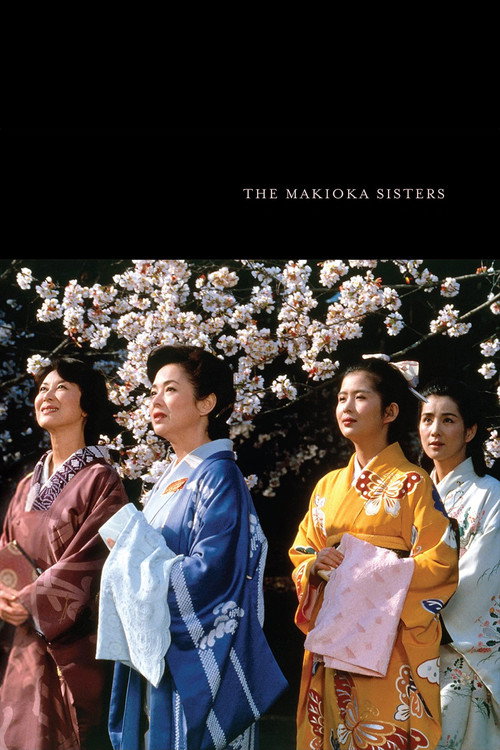
The Makioka Sisters1983
Both films trust that fidelity to social ritual and emotional restraint can reveal more than cathartic expression.
Ichikawa's adaptation of Tanizaki follows four sisters navigating duty, desire, and social expectation in pre-war Japan. Like Rohmer, it finds profound drama in the collision between individual will and ritual obligation. Its pacing and visual grace create the same sense that small gestures contain worlds.
But It's three and a half hours in a register that may feel distant even if you admired the Marquise. Some will find the cultural specificity requires more entry work than it's worth.
People
Cast
 Edith CleverDie Marquise
 Bruno GanzDer Graf
 Edda SeippelDie Mutter, Die Obristin
- Peter LührDer Vater, Der Obrist
 Otto SanderBrother, Forstmeister
 Eduard LinkersDoctor
 Ruth DrexelMidwife
- Bernhard FreyLeopardo
- Erich SchachingerDer General
 Volker PrechtelDer Pfarrer
- Franz PikolaDer Bürger
- Theo de MaalDer Bürger
Directing
- Éric RohmerDirector
Writing
- Heinrich von KleistNovel
- Éric RohmerScreenplay
Production
- Barbet SchroederProducer
- Klaus HellwigProducer