
Film
The Scarlet Letter
Other titles called The Scarlet Letter: the 1927 film, the 1934 film, the 1979 series (PBS).
This 1995 Demi Moore vehicle reimagines Hawthorne's classic as a passionate historical drama. It trades the novel's psychological torment for lush romance and action, set against Puritan rigidity and colonial violence. Uneven but earnest, it's for viewers who want costume drama with genuine stakes and aren't precious about fidelity to source material.
Should you watch it?
Watch it if you like slow-burning period melodrama where guilt and public shame sit in every glance, and you don't mind a stiff, stagey script if the performances carry it.
Skip it if you want brisk pacing or a light touch, since this is long, earnest and heavy with moral anguish from its first scene to its last.
What it asks of you: Two hours and fifteen minutes of measured, somber storytelling that rewards patience more than it rewards attention to plot.
Not sure? Find tonight's pick in a minute.
If you liked this
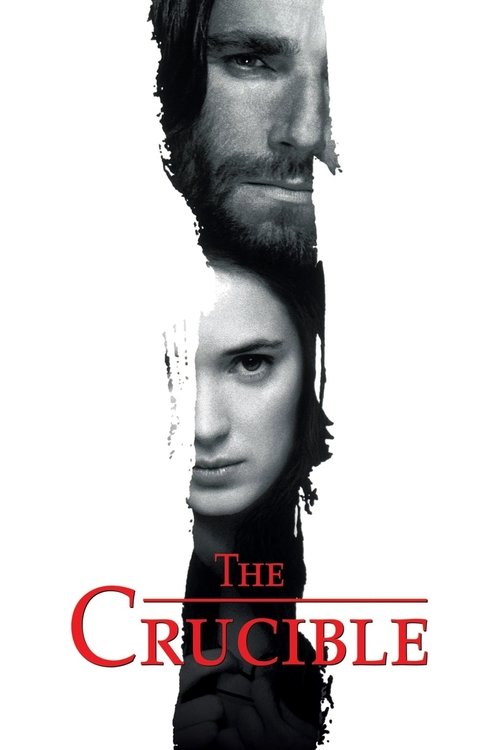
The Crucible1996
Arthur Miller's witch-trial play adapted into cinema—another story about hysteria, hidden sin, and communities turned vicious by fear. Daniel Day-Lewis is quietly devastating as a man destroyed by accusation.
But It's slower and more claustrophobic than The Scarlet Letter, with less action and more psychological weight. Some find the pacing relentless.
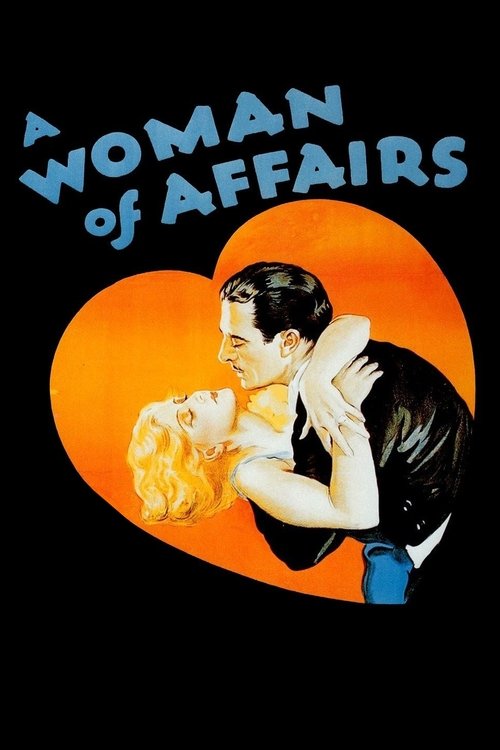
A Woman of Affairs1928
Silent-era Greta Garbo as a woman scandalised and exiled for her sexuality. It has that same restless energy—a society's judgement pressing down, a woman refusing to break under it, gorgeous cinematography as rebellion.
But It's ninety years old and asks patience with silent film's particular rhythms. The melodrama can feel baroque to modern eyes.
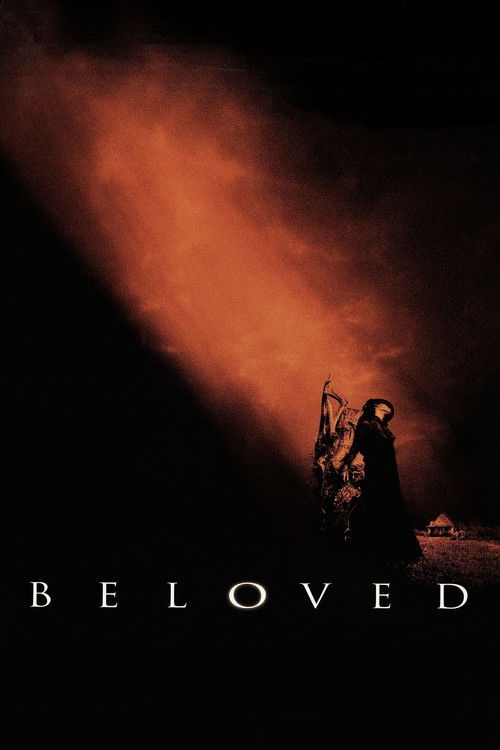
Beloved1998
Toni Morrison's novel brought to film with Oprah Winfrey and Danny Glover. Like The Scarlet Letter, it's about a woman bearing unbearable shame and the community that either condemns or reclaims her. Haunting and furious.
But It's dense and refuses to simplify its characters' trauma. The supernatural elements won't appeal to everyone, and the pacing is deliberately slow.
Not sure tonight? Get a pick in a minute, starting from The Scarlet Letter
The wildcard
Something you would not have found on your own.
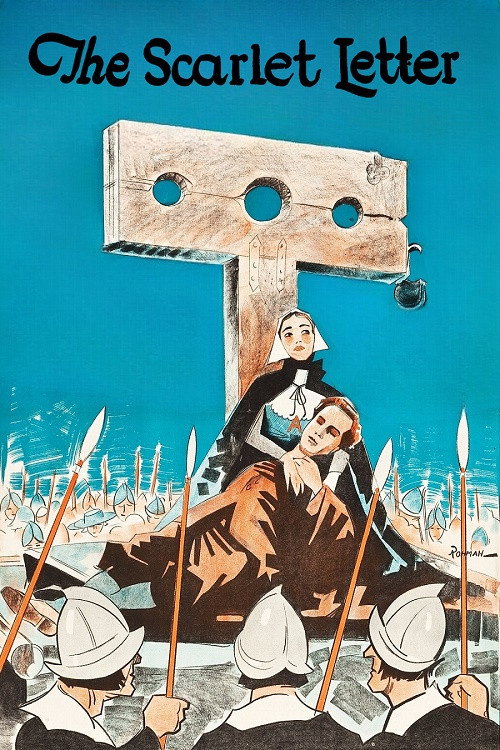
The Scarlet Letter1927
Same source, opposite approach: where the 1995 film adds action and passion, the 1926 version turns inward, finding in Hawthorne's text a chamber piece about conscience and loneliness. Both arrive at Hester as a complete person.
Lillian Gish in the silent film of the novel itself—made seventy years before this one. It's astonishingly tender and psychologically acute, finding in Hester a woman of real interiority. The restraint is devastating.
But It's silent cinema, which requires a different kind of attention. The pacing will feel glacial to those raised on modern editing. Some find Gish's performance too ethereal.
More like this (8)
The Night of the Hunter1955
A masterpiece of moral corruption disguised as thriller—Robert Mitchum as a predatory preacher, children in danger, small-town hypocrisy laid bare. The visual language is operatic and unforgettable.
But It's a black-and-white horror-thriller from 1955, so the style is austere and nightmarish rather than lush. Some find it difficult to sit with.

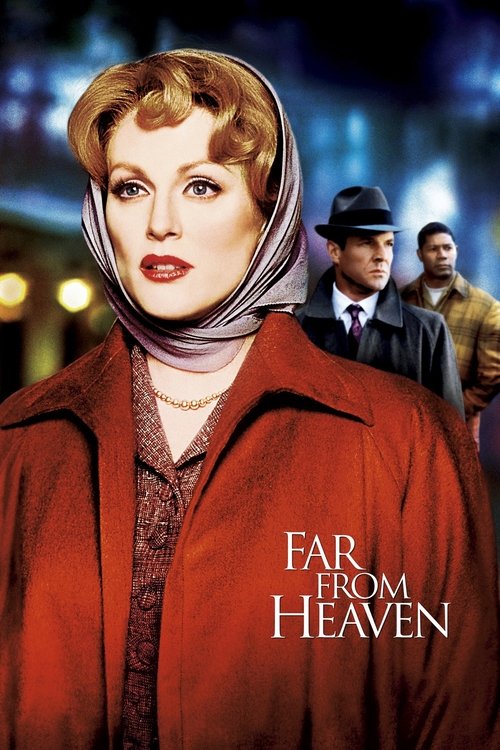
Far from Heaven2002
Todd Haynes's Technicolor elegy about a woman undone when her husband's secret life surfaces. It's about marriage, conformity, and the price of respectability—similar moral architecture to The Scarlet Letter but in 1950s Connecticut.
But It's deliberately artificial in its colour and emotion, which some experience as distancing. The pace is measured and melancholic.
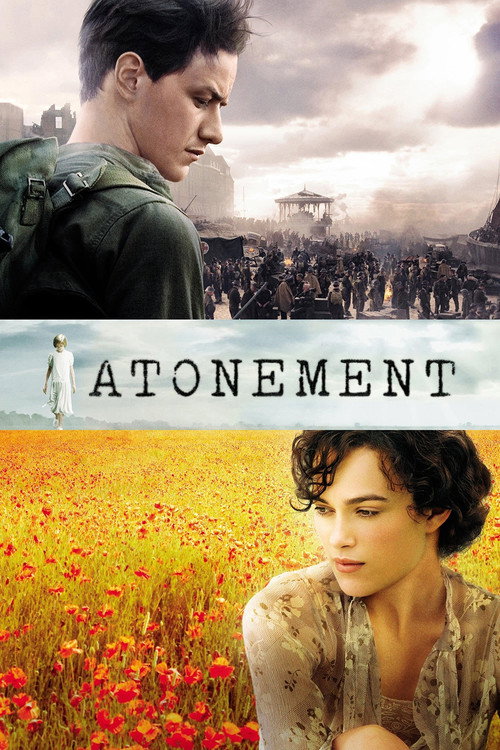
Atonement2007
A false accusation tears a family apart. Keira Knightley and James McAvoy as lovers destroyed by a lie—a meditation on shame, consequence, and whether redemption is possible. Visually gorgeous and emotionally devastating.
But The emotional heaviness doesn't let up, and the final revelation will wound. It's not a film that rewards you for watching.
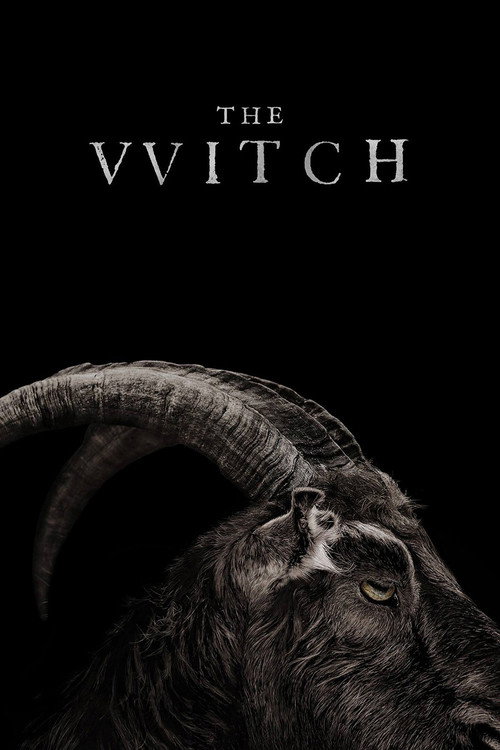
The Witch2016
Puritan New England, paranoia, and genuine terror. Anya Taylor-Joy in a slow-burn nightmare about a family fractured by accusation and fear. The atmosphere is suffocating and the dialogue is period-authentic to the point of strangeness.
But It's genuinely unsettling and very slow. The ending divides viewers sharply, and the religious imagery will alienate some.
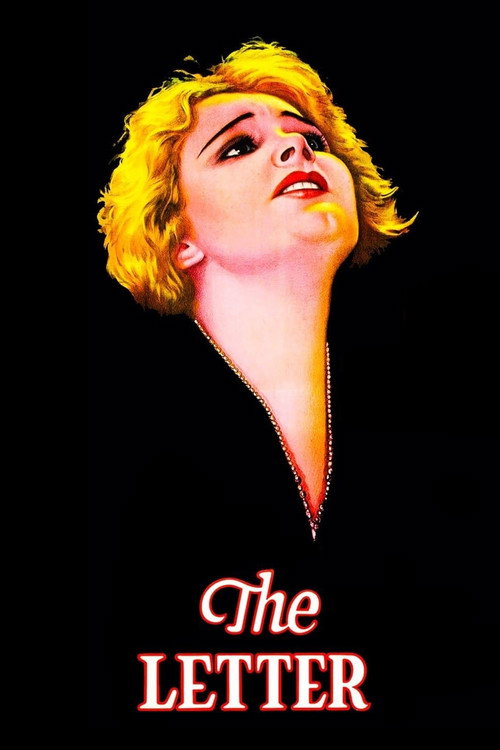
The Letter1929
A woman kills her lover and lies about it—but the real drama is her unravelling as a letter surfaces. Bette Davis gives a masterclass in performance. It's about the mask we wear and what it costs to maintain it.
But It's a pre-Code thriller that can feel stagey, and the print quality varies. Some find the pacing dated.
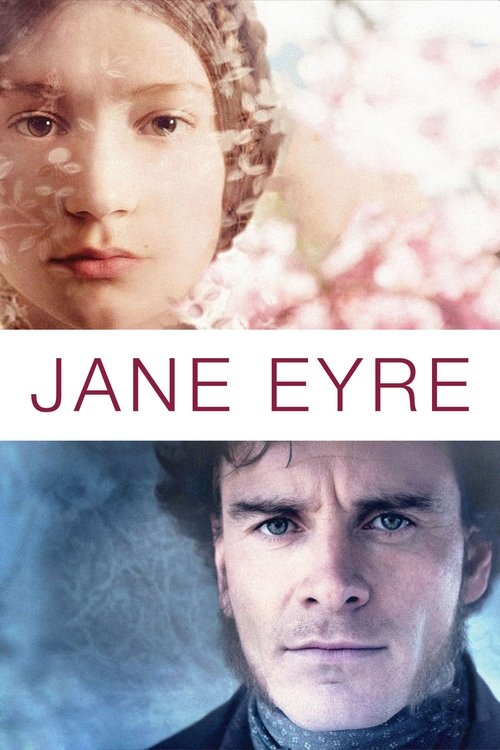
Jane Eyre2011
Mia Wasikowska as a woman who refuses to be diminished by circumstance or romance. It has The Scarlet Letter's sense of a woman standing against the world, with a Gothic visual style and real passion underneath the propriety.
But It's a period drama with a slow burn and an unconventional structure. Viewers expecting narrative clarity might find it elusive.
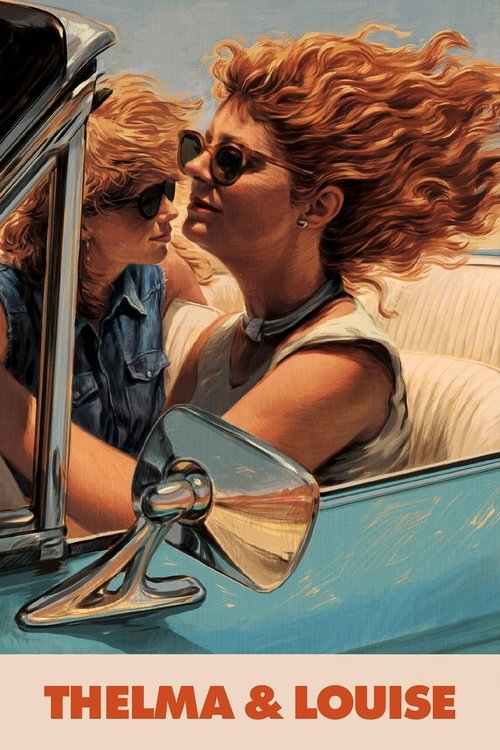
Thelma & Louise1991
Both ask: what happens when a woman refuses to perform shame? Both answer with transgression and exile, but one does it in Puritan Boston and the other at a Grand Canyon overlook. The architecture is the same; the century is not.
Two women betrayed by the men around them and society's expectations, who choose freedom over acceptance. It's Scarlet Letter energy—refusal, transgression, solidarity—but in a Cadillac across the desert. Ridley Scott's filmmaking is lean and electric.
But It's a road movie, not a period drama. The violence is sudden and not lingered on. The ending is deliberately unsentimental in ways some find punitive.
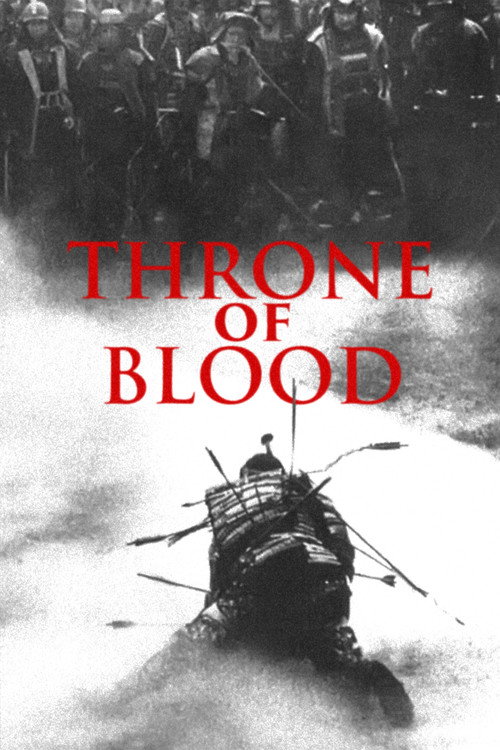
Throne of Blood1957
Both are about communities structured by rigid morality and the people crushed by that rigidity. Both have a protagonist whose sin is known to everyone but one, eating them alive from the inside. Both find in transgression something more human than virtue. The disguise is complete; the DNA is identical.
Kurosawa's Macbeth transplanted to feudal Japan. It's about ambition, guilt, and the way a society can turn on those it has elevated—the Dimmesdale problem (hidden sin eating you alive) told through samurai honour and forest atmospherics. Hypnotic and strange.
But It's in Japanese, it's a Shakespearean adaptation, it's from 1957, and it looks nothing like The Scarlet Letter. The stylisation is extreme and the ending is unflinching. None of this appeals to everyone.
People
Cast
 Demi MooreHester Prynne
 Gary OldmanRev. Arthur Dimmesdale
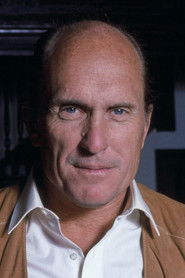 Robert DuvallRoger Chillingworth
 Lisa AndohMituba
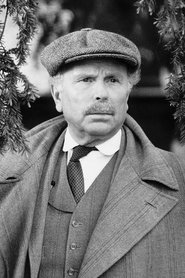 Edward HardwickeGov. John Bellingham
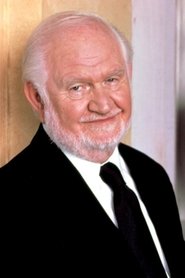 Robert ProskyHorace Stonehall
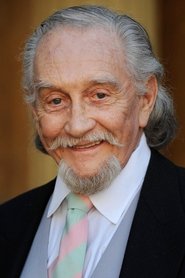 Roy DotriceRev. Thomas Cheever
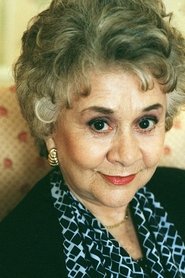 Joan PlowrightHarriet Hibbons
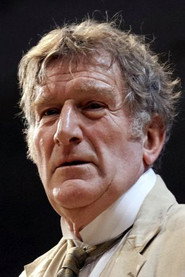 Malcolm StorryMaj. Dunsmuir
- James BeardenGoodman Mortimer
 Larissa LaskinGoody Mortimer
 Amy WrightGoody Gotwick
Directing
- Roland JofféDirector
- Dennis MaguireFirst Assistant Director
- John GallagherSecond Assistant Director
- Lars P. WintherSecond Assistant Director
- Buddy Joe HookerSecond Unit Director
Writing
- Nathaniel HawthorneNovel
- Douglas Day StewartScreenplay
Production
- Elisabeth LeustigCasting
- Robert F. ColesberryCo-Producer
- Dodi FayedExecutive Producer
- Tova LaiterExecutive Producer
- Andrew G. VajnaProducer
- Roland JofféProducer
Recommended by
The Crucible, Tess, The Song of Bernadette, Kinsey, Madame Bovary, Johnny Tremain, Anna Karenina, Tess of the D'Urbervilles, Winter Song, Camille 2000, I, the Worst of All, Moll Flanders, Effi Briest, The Concubine, The Devil's Playground, Friendly Persuasion, The Marquise of O, Lady J, Mayerling, Daisy Kenyon, 16 and Pregnant, Little Women, The Other Side of Midnight, Dialogues des Carmélites, Priest