
Film
I, the Worst of All
A 1990 Argentine film about Juana Inés de la Cruz, the 17th-century Mexican nun who became a celebrated intellectual and writer despite—and because of—the constraints of colonial life and Church authority. Visually sumptuous, historically textured, and anchored by Assumpta Serna's luminous performance. For anyone drawn to stories of brilliant women who carved space for themselves in impossible circumstances.
Should you watch it?
Watch it if you are drawn to period dramas about a woman's mind pressing against the walls built around it, told with patience, elegant images and a dry eye for the hypocrisy of church and court.
Skip it if you want brisk plotting or a clear arc, since this is talky, gently paced and happy to linger on conversation and courtly ritual rather than on events.
What it asks of you: Settle in for a little over an hour and forty minutes of slow, sober scenes where the pleasures come from dialogue and glances rather than action.
Not sure? Find tonight's pick in a minute.
If you liked this
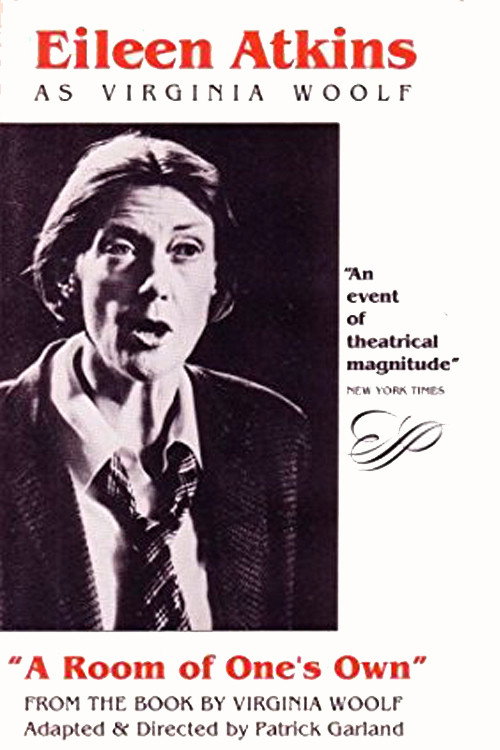
A Room of One's Own1991
Adapted from Virginia Woolf's essay, this BBC production examines the material and creative conditions women need to thrive. Like Juana Inés, it's concerned with how women claim intellectual authority against systemic resistance.
But Essayistic rather than dramatic. If you want plot momentum and conflict, this meditative piece will feel slow.
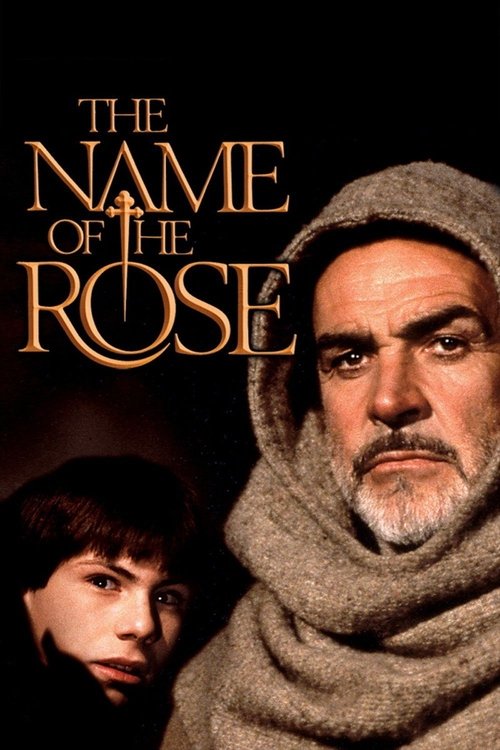
The Name of the Rose1986
Umberto Eco's mystery set in a medieval monastery where intellect, power, and forbidden knowledge collide. Both films are fascinated by how institutions control thought and what happens when curious minds resist that control.
But Nearly three hours long, densely plotted, and requires patience with theological and philosophical discussion. It can feel more intellectual exercise than human story.
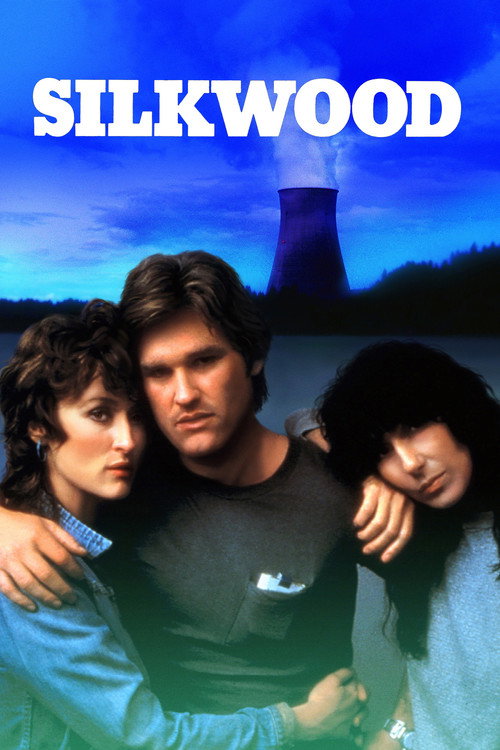
Silkwood1983
Meryl Streep as a woman fighting institutional indifference and corruption. Like Juana Inés, it's about a woman's courage against powerful forces that want her silence and compliance.
But Based on real events that end badly. It's angry and grinding rather than beautiful, which some find depleting rather than cathartic.
Not sure tonight? Get a pick in a minute, starting from I, the Worst of All
The wildcard
Something you would not have found on your own.
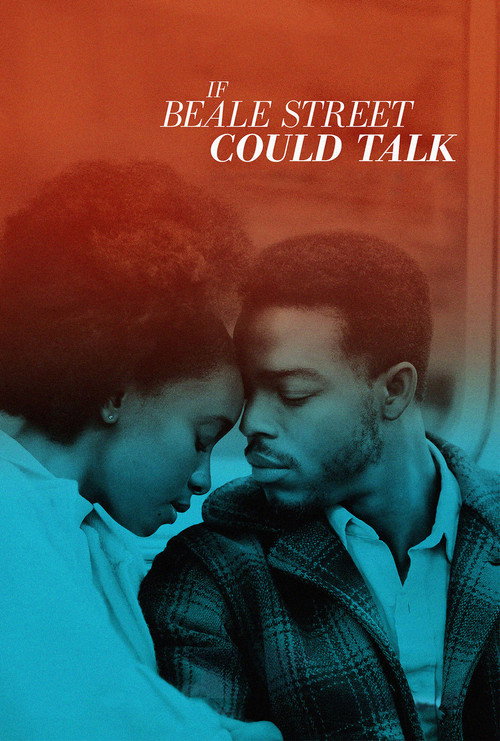
If Beale Street Could Talk2018
Both films locate female power not in triumph but in the steady refusal to be diminished. Both argue that dignity and intellectual integrity are forms of resistance.
Barry Jenkins's film about a Black woman fighting a corrupt system to save her imprisoned fiancé. Like Juana Inés, it centers female intelligence and dignity as acts of resistance, but it does so through a completely different register—contemporary, sensual, urgently political.
But Deliberately paced and poetic in a way some experience as slow. The violence of the system is felt rather than shown, which can read as abstract to viewers wanting clearer antagonists.
More like this (8)
Dangerous Liaisons1988
A period piece about power, desire, and the ways women use intellect and seduction as weapons in a world that denies them real authority. The visual richness matches this film's aesthetic.
But Cynical about human nature. If you want characters to grow or transcend their circumstances, this will feel morally exhausting.

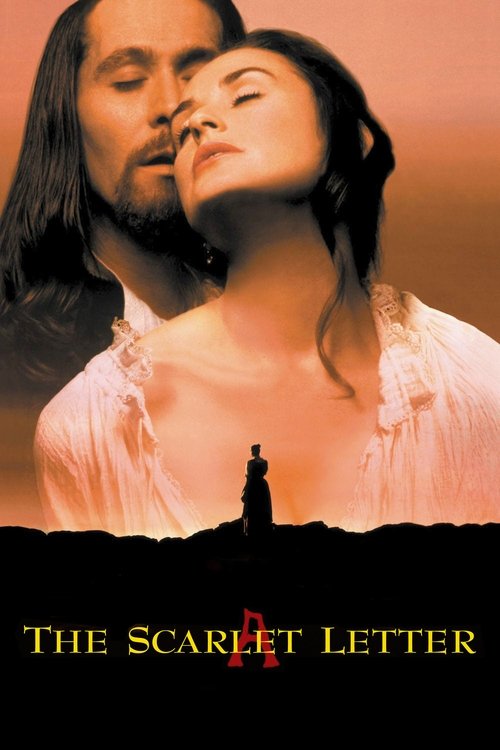
The Scarlet Letter1995
Demi Moore in a loose adaptation of Hawthorne about a woman punished by Puritan society for transgression. Both explore how institutions weaponize shame against women who defy expectations.
But The 1995 version is a romantic action film more than a faithful adaptation. Purists find it reductive; others find it ridiculous.
Possession1981
Andrzej Żuławski's fractured, hallucinatory film about two intellectuals (Isabelle Adjani, Sam Neill) whose marriage implodes while they're obsessed with separate creative passions. A film about how genius and love can be incompatible.
But Deliberately chaotic and unsettling. The visual language is abrasive, and it refuses conventional narrative satisfaction. Many find it bewildering or actively unpleasant.

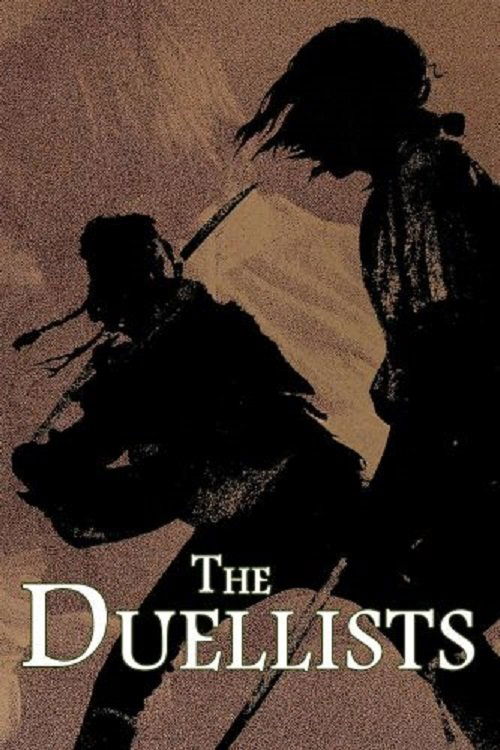
The Duellists1977
Ridley Scott's visually exquisite film about two soldiers locked in a point of principle across decades. Like this film, it's meditative on obsession, honor, and the cost of conviction.
But Very slow. There's minimal plot beyond the central conflict, and some viewers find the repetition tedious rather than hypnotic.
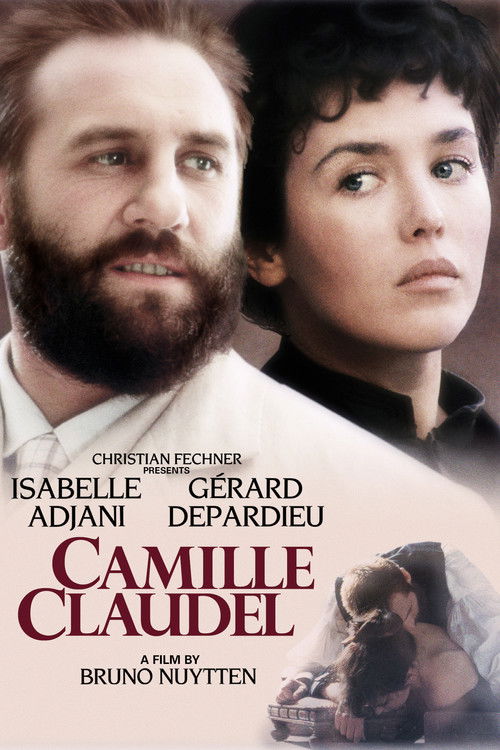
Camille Claudel1988
Isabelle Adjani as the sculptor trapped between her genius and the men—especially Rodin—who overshadow her. A parallel story of female brilliance crushed by male authority and institutional betrayal.
But Grim and claustrophobic. It ends in institutionalization, and there's little uplift or triumph to offset the tragedy.
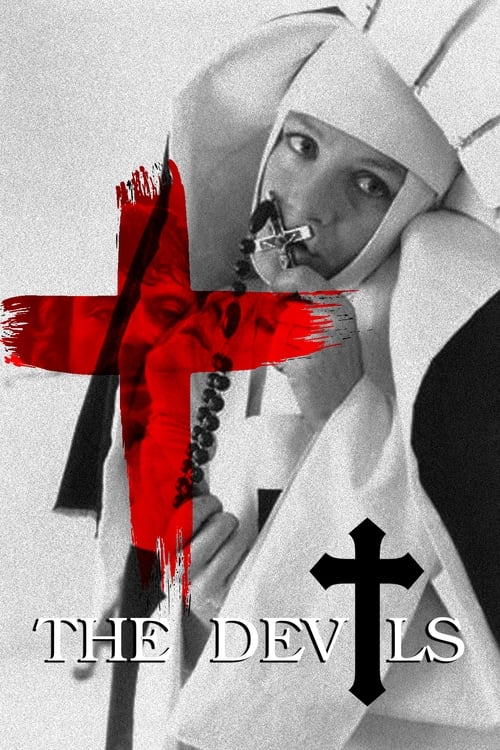
The Devils1971
Ken Russell's baroque nightmare about religious hysteria, sexual repression, and institutional corruption in a 17th-century French convent. Shares this film's fascination with power dynamics inside the Church.
But Deliberately obscene and shocking. Russell uses graphic imagery as provocation, and many find it exploitative or simply too much. Not a comfortable watch.
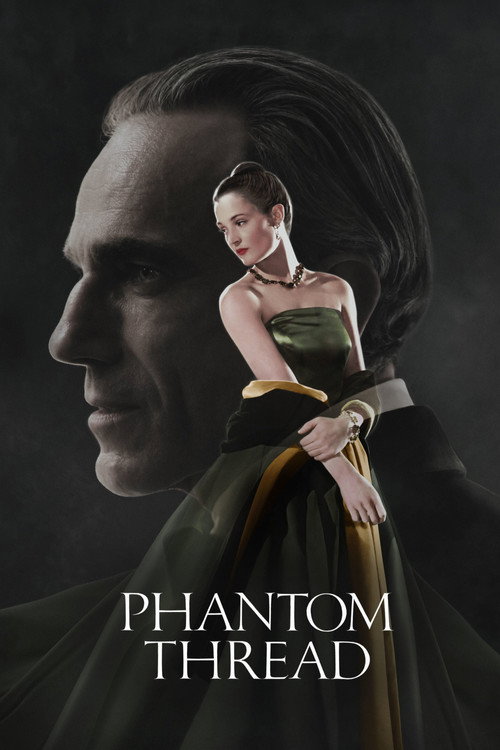
Phantom Thread2017
Both are fascinated by how a brilliant person maintains their autonomy within a constrained relationship—romantic in Anderson's case, institutional in Serna's. Both explore power as something more subtle than victory or defeat.
Paul Thomas Anderson's film about a brilliant dressmaker and his muse in 1950s London. It's structured like a waltz of power between two people who need and resent each other in equal measure—a completely different story that shares Juana Inés's interest in how genius, control, and intimacy tangle.
But Glacial pacing. If you need clear plot progression or emotional catharsis, this will feel like watching someone else's obsession rather than being moved by it.
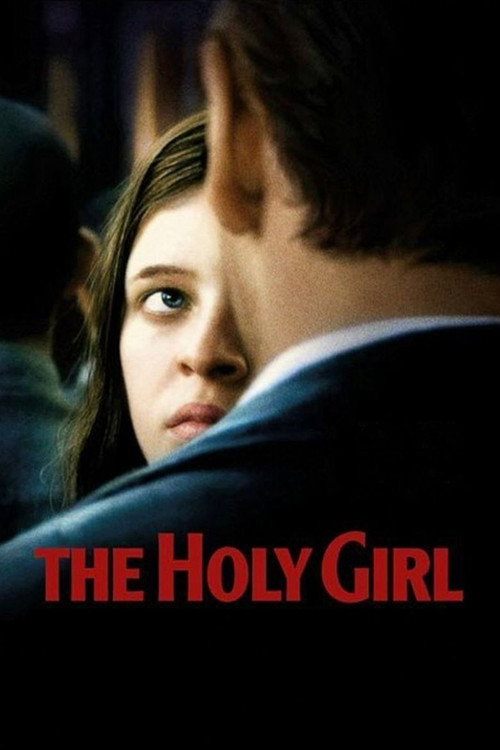
The Holy Girl2004
Both films are Argentine productions (or co-productions) interested in how religion shapes female consciousness. Both use visual beauty to complicate rather than sentimentalize their subject. Both trust the audience to sit with discomfort.
Lucrezia Martel's Argentine film about a teenage girl's confusion and awakening during a religious congress in a provincial city. It's a portrait of female consciousness in a Catholic context, shot with unnerving precision and ambiguity. Subtle, strange, and deeply intelligent.
But Nothing happens in a conventional sense. It's impressionistic and refuses to explain itself. Many viewers find it obscure or simply boring; it demands patience and tolerance for uncertainty.
People
Cast
 Assumpta SernaJuana Inés de la Cruz
 Dominique SandaLa Virreina
 Héctor AlterioEl Virrey
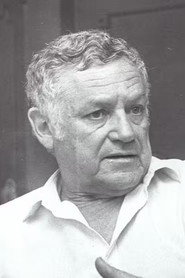 Lautaro MurúaArzobispo
 Alberto SegadoPadre Miranda
- Franklin CaicedoSanta Cruz
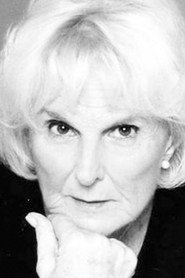 Graciela AraujoHermana Ursula
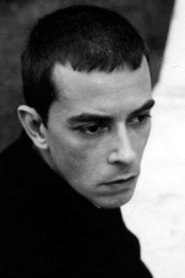 Hugo SotoAmante en flashback del palacio

 Lidia CatalanoMadre de Juana
 Gerardo RomanoSigüenza
Directing
- Marcelo RembadoAssistant Director
- Corina ContiAssistant Director Trainee
- María Luisa BembergDirector
- Alejandro MaciFirst Assistant Director
- Lelia GonzalezFirst Assistant Director
- Rodolfo ArzeFirst Assistant Director
Writing
- Octavio PazNovel
- Antonio LarretaWriter
- María Luisa BembergWriter
Production
- Gilbert MarouaniExecutive Producer
- Lita StanticProducer
- Fabio PalleroProduction Assistant
- Marta PargaProduction Manager
- Miriam BendjuiaProduction Manager
- Barbara SampietroProduction Trainee
- Marily PugnoProduction Trainee