
Film
Camille Claudel
Camille Claudel traces a brilliant sculptor's collision with genius, ambition, and a man who could not choose between art and her. Isabelle Adjani is volcanic—luminous one moment, shattering the next—in this nearly three-hour immersion in obsession, talent, and the cost of being a woman artist in 1880s Paris. A film that moves like marble being shaped.
Should you watch it?
Watch it if you love biographical portraits of obsessive artists, where the craft itself, the clay and the studio light, matters as much as the romance, and you don't mind watching a single mind wear itself down slowly.
Skip it if you want a brisk, plot-driven story, since this is nearly three hours of mostly sustained emotional intensity with little relief and a pace that lingers on every glance.
What it asks of you: Settle in for close to three hours of unhurried scenes, long silences and tense domestic rooms, with the intensity building steadily rather than arriving in set-piece bursts.
Not sure? Find tonight's pick in a minute.
If you liked this
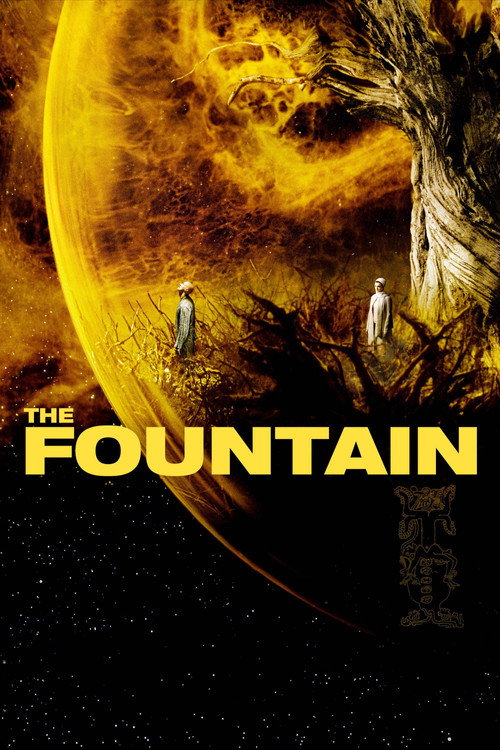
The Fountain2006
Darren Aronofsky's three-timeline meditation on obsessive love and the impossibility of possession. Visually stunning, emotionally overwhelming, and just as interested in how passion can swallow you whole as Claudel is.
But The structure can feel pretentious. It demands patience and rewards emotional surrender rather than plot momentum.
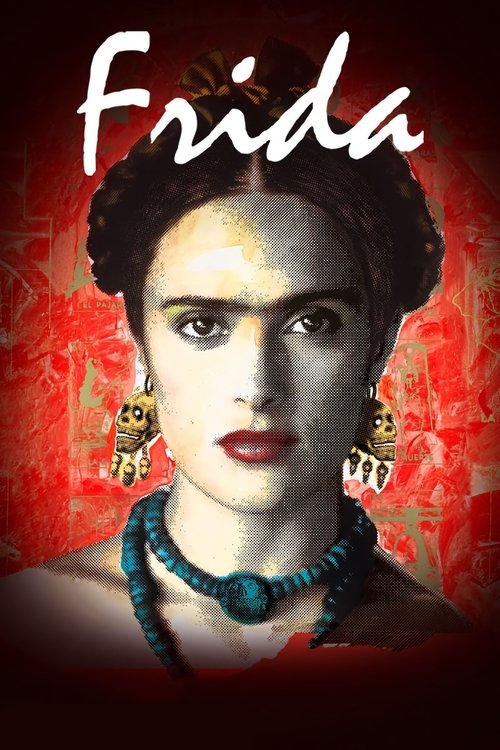
Frida2002
Julie Taymor captures another fiercely talented woman artist grappling with pain, infidelity, and the question of whether her work or her love matters more. Vibrant where Claudel is austere, but the core struggle is identical.
But Taymor's visual maximalism is the opposite of restraint. Some find it overwhelming rather than illuminating.
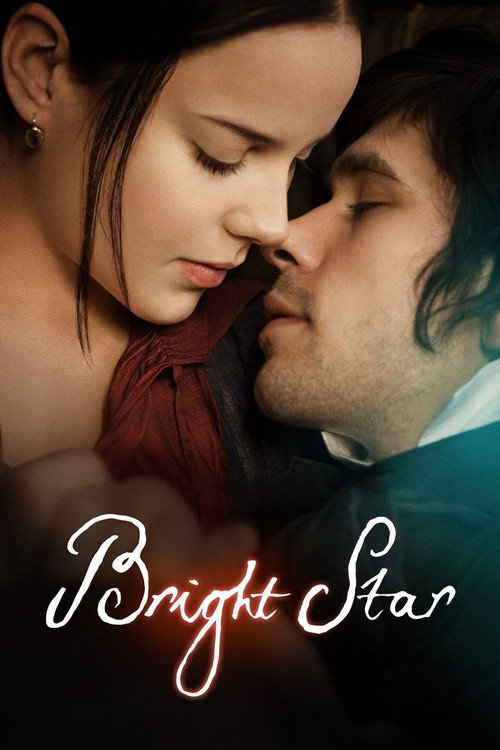
Bright Star2009
Jane Campion's whisper-quiet film about Fanny Brawne and Keats explores similar territory—a woman loving an artist, the vulnerability of creation, the way passion can destroy as easily as it inspires.
But It's delicate to the point of being glacial. If you need narrative momentum, this will feel like watching paint dry.
Not sure tonight? Get a pick in a minute, starting from Camille Claudel
The wildcard
Something you would not have found on your own.
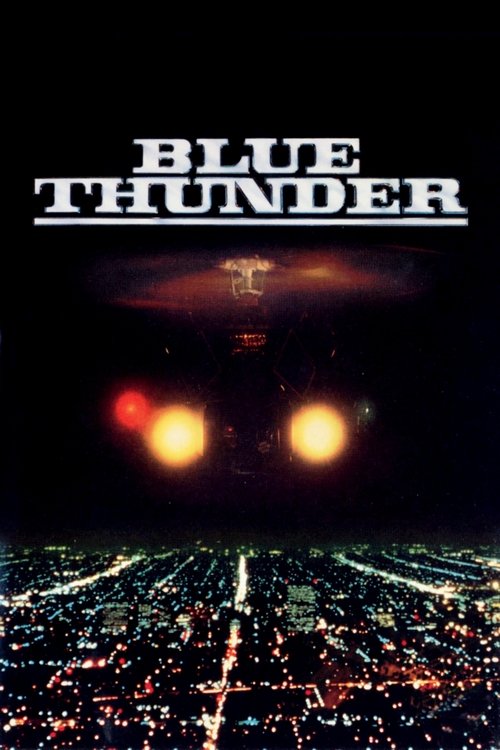
Blue Thunder1983
Both films use duration, repetition, and physical endurance as their language. Claudel is about watching genius break itself; Blue watches a body break itself, and asks what remains after.
Derek Jarman's final film is literally a blue screen for 79 minutes while he describes dying of AIDS. It's about presence and absence, creation and erasure, the body failing while the mind remains.
But It requires you to sit with nothing but colour and voice. That's either profound or unwatchable depending on what you bring to it.
More like this (7)
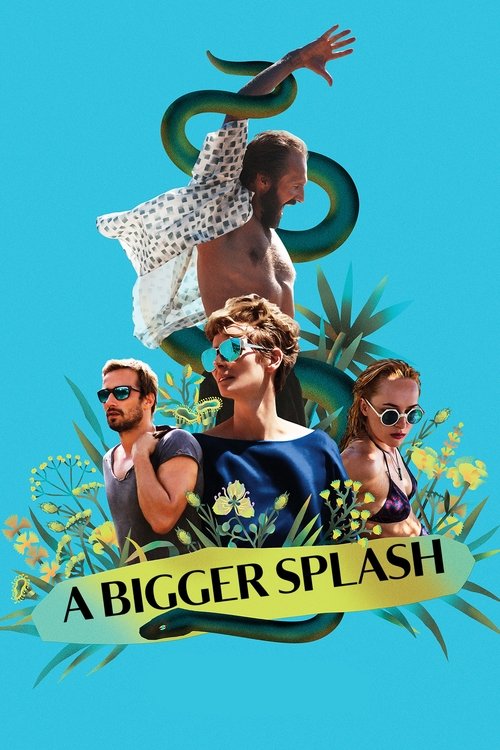
A Bigger Splash2015
Luca Guadagnino's film examines obsession, desire, and the eruption of violence when someone refuses to be cast aside. Ralph Fiennes is a force of nature—charming, manipulative, impossible to resist.
But It's visually gorgeous but morally murky. The sexual politics can feel uncomfortable, which is partly the point but not everyone's evening.
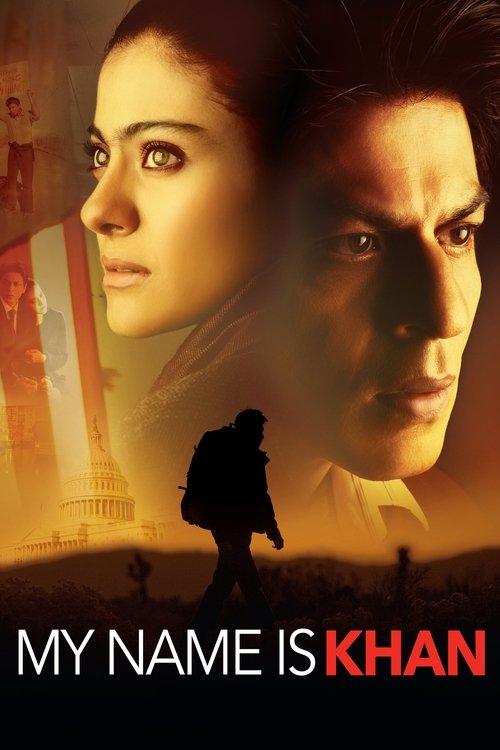
My Name Is Khan2010
A sweeping biographical drama about an artist's life and a powerful performance at its centre. Shah Rukh Khan carries the film with the kind of intensity Adjani brings to Rodin's studio.
But Bollywood conventions sit uneasily with the serious subject matter. The emotional manipulation is deliberate and obvious.
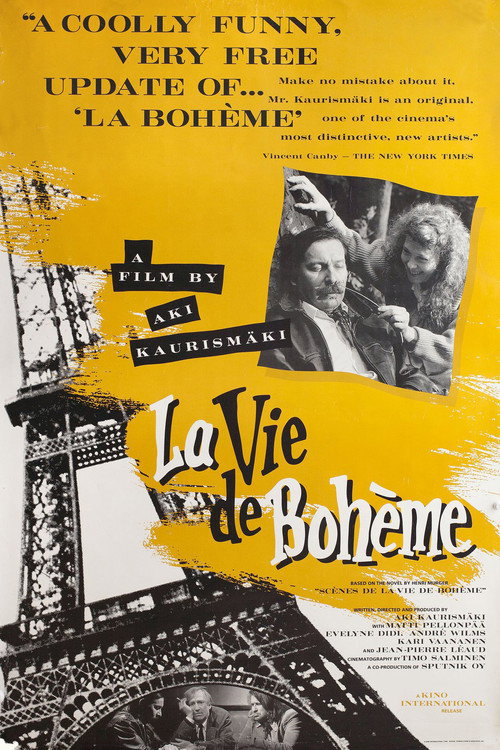
La Vie de Bohème1992
Aki Kaurismäki's deadpan take on artists struggling in Paris—poverty, passion, and the slow erosion of hope. A gentler film, but it gets at something true about artistic life that Claudel also understands.
But It's almost without affect. Kaurismäki's style—flat, quiet, almost comedic—repels as many as it attracts.
Possession1981
Andrzej Żuławski's baroque descent into marital breakdown. Isabelle Adjani (again) in a performance so unhinged it makes Camille look measured. Pure emotional chaos rendered as cinema.
But It's genuinely grotesque and often incomprehensible. The ambition exceeds clarity; if you need a film to make sense, this will frustrate you.

Under the Skin2014
Jonathan Glazer's film uses long takes and silence the way Claudel uses marble—to suggest something vast underneath. It's about presence, attraction, and the unknowability of another person.
But Nothing happens in any conventional sense. It's closer to visual poetry than narrative, which means it can feel pretentious or empty depending on your mood.

Synecdoche, New York2008
Both are about the cost of trying to make something perfect, of being unable to separate the work from the person making it. Both suggest that obsession and madness are separated by millimetres.
Charlie Kaufman's dizzying film about a theatre director constructing an impossibly large replica of New York inside a warehouse. It's about the obsession to capture something true, the inability to let go, art consuming the artist.
But It's structurally bewildering and emotionally exhausting. Many people find it self-indulgent rather than revelatory.

The Leopard1963
Both are historical dramas of exactly the same length (175 minutes) that move in the opposite direction to their characters' intentions. Visconti captures the slow erosion of a life; Claudel captures its rapid, violent collapse. Both suggest that beauty and tragedy are often the same thing observed from different angles.
Visconti's three-hour epic about an aristocrat watching his world collapse. It's stately, gorgeously composed, and fundamentally about powerlessness—the inability to hold onto beauty or status or the person you were.
But It moves at the pace of a funeral procession. Some find it magnificent; others find it glacially boring and overstuffed with detail.

People
Cast
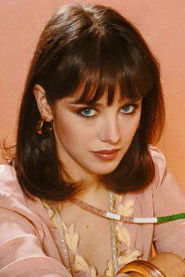 Isabelle AdjaniCamille Claudel
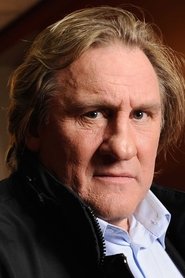 Gérard DepardieuAuguste Rodin
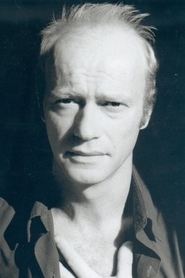 Laurent GrévillPaul Claudel
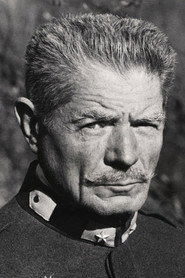 Alain CunyLouis-Prosper Claudel
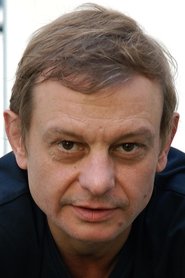 Roch LeiboviciP'tit Louis
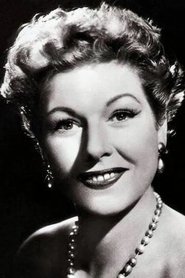 Madeleine RobinsonLouise-Athanaise Claudel
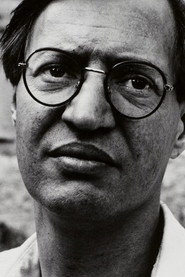 Philippe ClévenotEugène Blot
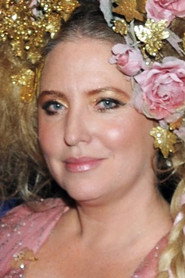 Katrine BoormanJessie Lipscomb
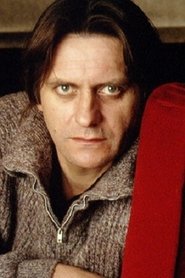 Maxime LerouxClaude Debussy
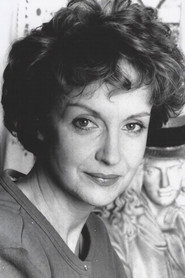 Danièle LebrunRose Beuret
 Jean-Pierre SentierLimet
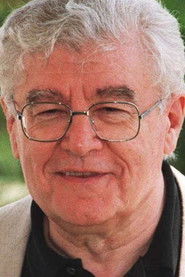 Roger PlanchonMorhardt
Directing
- Bruno NuyttenDirector
Writing
- Reine-Marie ParisNovel
- Bruno NuyttenScreenplay
- Marilyn GoldinScreenplay
Production
- Shula SiegfriedCasting
- Christian FechnerProducer
- Isabelle AdjaniProducer
Recommended by
Séraphine, Antonieta, Passion, I, the Worst of All, Lucia di Lammermoor, Entre Nous