
Film
Entre Nous
A tender, urgent film about two women whose friendship becomes the most alive thing in their lives. Set across a decade of post-war France, it watches Lena and Madeleine meet as mothers, recognize something in each other, and fall into a bond so consuming it threatens their marriages. Quietly radical about desire, loneliness, and where women find themselves when the world offers them so little room.
If you liked this
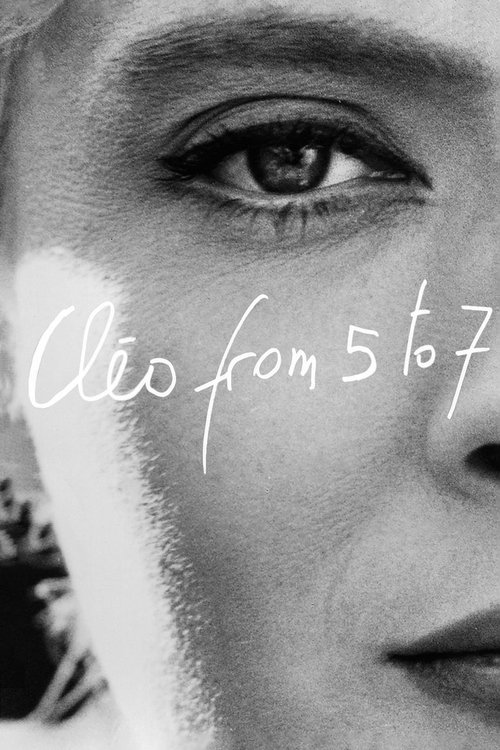
Cléo from 5 to 71962
A woman spends ninety minutes waiting for test results, moving through Paris, watching her life refract through glances and conversations. Like Entre Nous, it's intimate and alert to the textures of female consciousness—how much emotional weather can happen in stillness.
But Deliberately paced and conversational; if you need plot momentum or external incident, this will feel airless and slight.
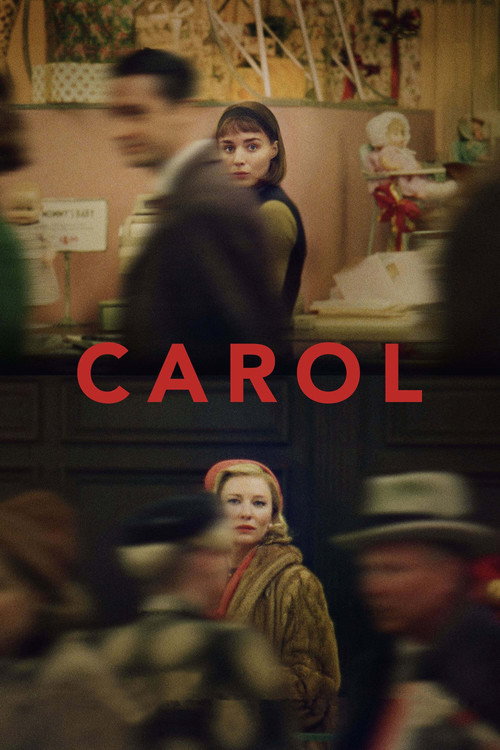
Carol2015
Two women recognize themselves in each other across a fractured, repressive era. It has the same trembling intensity—the way desire and companionship become acts of survival and self-discovery under pressure.
But The 1950s Americana aesthetic might feel safer or more palatable than the moral messiness Entre Nous refuses to resolve.
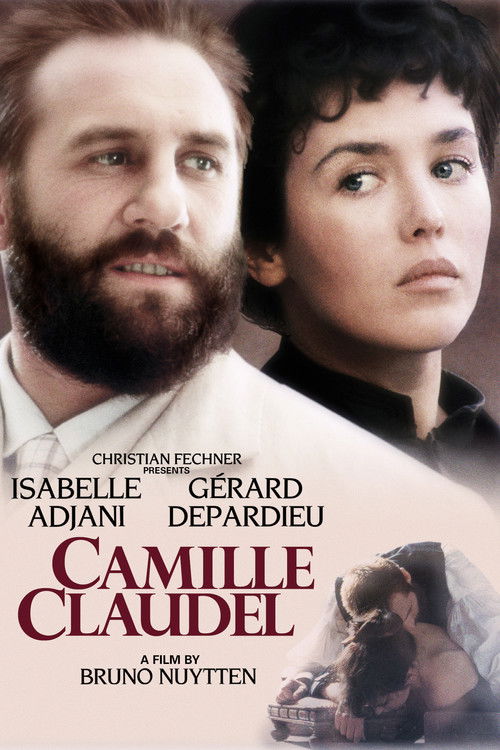
Camille Claudel1988
Isabelle Huppert again, in another portrait of a brilliant woman whose gifts find no proper outlet. It has the same sense of thwarted intensity and the damage wrought by a world too narrow for its subject.
But Heavier and more explicitly tragic; less interested in the texture of companionship and more in individual artistic suffering.
Not sure tonight? Get a pick in a minute, starting from Entre Nous
The wildcard
Something you would not have found on your own.
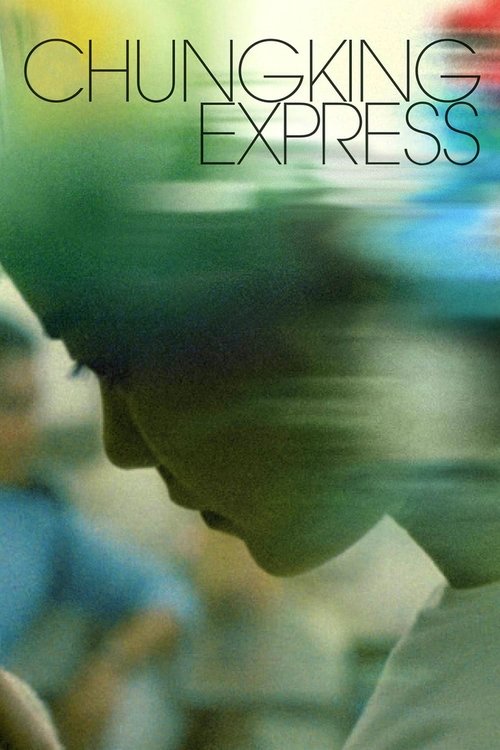
Chungking Express1994
Both films suggest that the interior life of connection—what two people mean to each other—matters more than external plot or moral resolution.
Wong Kar-wai again, but here—a film about two people who almost meet, built entirely from mood and visual poetry rather than plot. The connection: both films understand that the intensity of a relationship can be more real than its circumstances, and both trust the audience to feel what's unsaid.
But Fragmented narrative structure, heavy stylization, and a tone that drifts between whimsy and melancholy; it's asking you to swim in emotion rather than follow a story.
More like this (6)
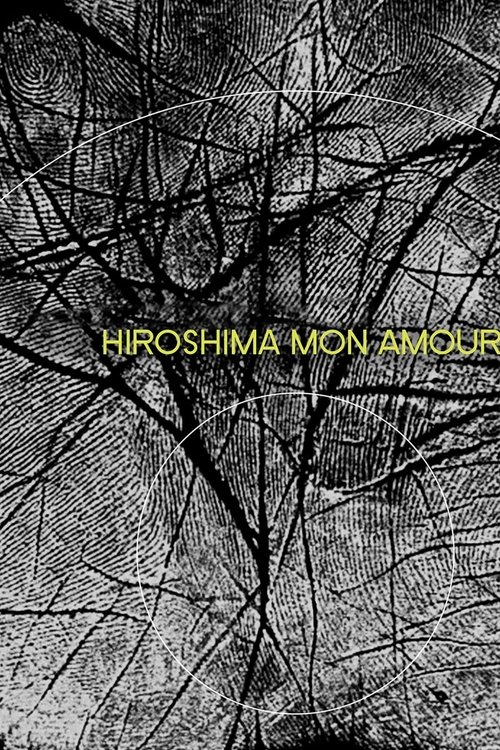
Hiroshima Mon Amour1959
A film about connection forged in the shadow of war and loss, structured around memory and what two people can know of each other. Formally bold in ways that match the emotional boldness of Entre Nous.
But Experimental narrative structure and philosophical density; it asks you to work harder than conventional storytelling.
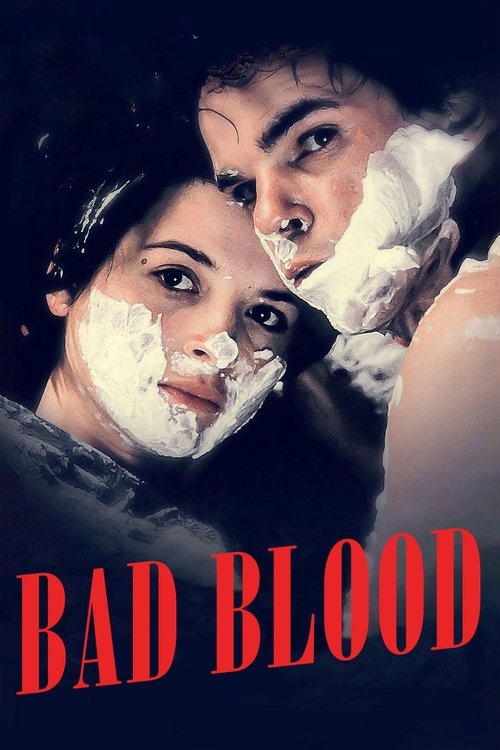
Mauvais Sang1986
Leos Carax's fever dream of a film about desire, betrayal, and the weight of the past. Different in almost every way, but shares Entre Nous's sense that emotion is the realest thing in the frame.
But Wildly stylized and sometimes incoherent; if you want realism or clarity, this will feel deliberately obscure.
In the Mood for Love2000
Wong Kar-wai films two people who almost connect, across a compressed, exquisite space. The visual lushness and restraint—how much longing can live in a glance—mirrors Entre Nous's emotional precision.
But A film about non-events and the poetry of absence; plot-driven viewers will find it mannered and slow.

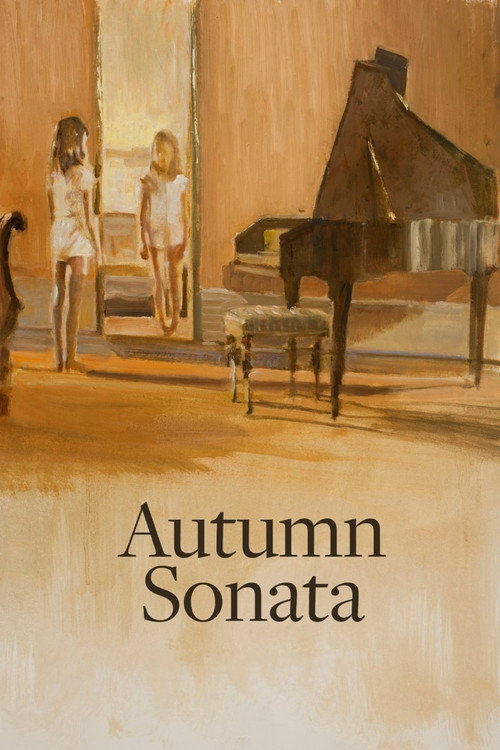
Autumn Sonata1978
Bergman's study of two women (mother and daughter) and the terrible knowledge they carry of each other. Probing and unflinching about intimacy and resentment in a way that resonates with Entre Nous's moral clarity.
But Emotionally grueling; it doesn't offer comfort or catharsis, only truth, and some people won't want that from an evening.
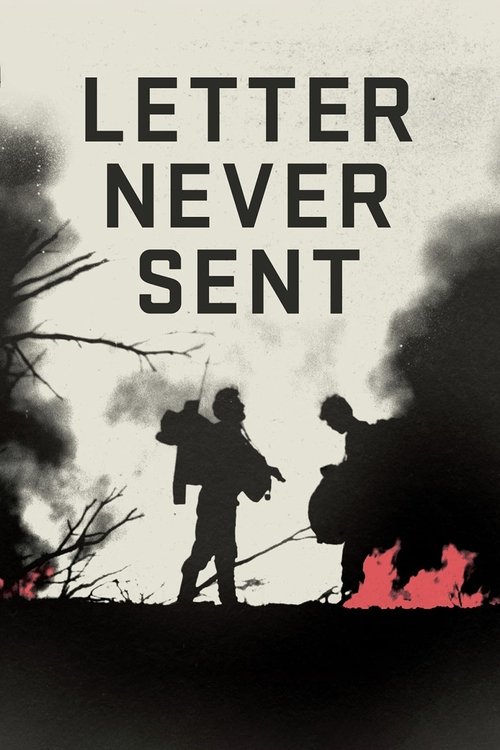
Letter Never Sent1960
Both films make landscape (and circumstance) inseparable from emotion, and both suggest that connection forged under pressure becomes the most vital thing available to their characters.
Mikhail Kalatozov's extraordinary Soviet film about four geologists on an expedition, structured around absence and the things people cannot say. A radically different genre and setting, but the same engine: how intimacy and longing survive under constraints.
But A black-and-white Russian epic from the Cold War; it's formally demanding and emotionally austere in ways that may feel remote.
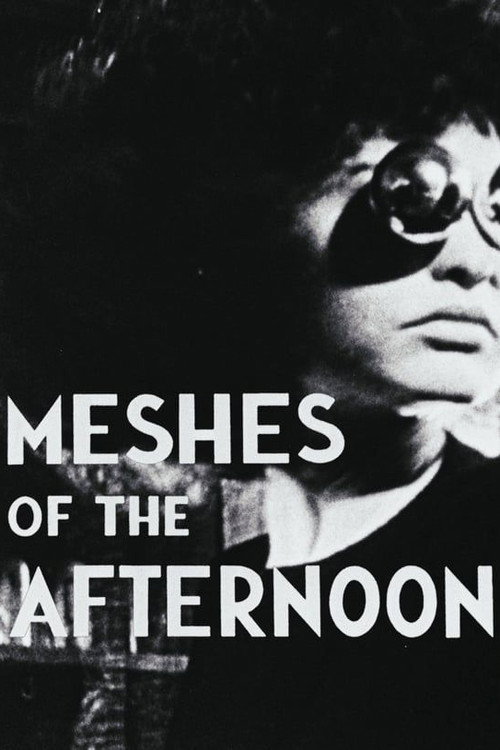
Meshes of the Afternoon1943
Both works understand that the most important things in a life happen internally and often invisibly—and both insist that cinema can and should capture that.
Maya Deren's fourteen-minute experimental masterpiece about a woman's interior world, shot in her own apartment. Completely unlike Entre Nous in form, but shares its sense that the life of feeling matters more than external event, and that cinema can capture consciousness itself.
But An avant-garde film from 1943; barely narrative, purely visual, and aggressively uninterested in plot or conventional sense-making.
People
Cast
 Miou-MiouMadeleine
 Isabelle HuppertLena Weber
 Guy MarchandMichel Korski
 Jean-Pierre BacriCosta Segara
 Robin RenucciRaymond
 Patrick BauchauCarlier
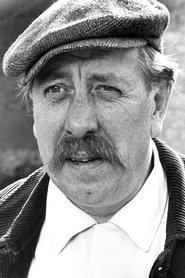 Jacques AlricMr. Vernier
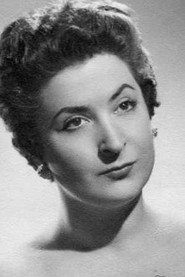 Jacqueline DoyenMme Vernier
- Saga BlanchardSophie
 Christine PascalSarah
- Jacques BlalLionel Feldman
Directing
- Fabienne BichetAssistant Director
- Hubert EngammareAssistant Director
- Marie FernándezAssistant Director
- Ofer LelouchAssistant Director
- Periclès ProkopiadisAssistant Director
- Diane KurysDirector
- Emmanuel GustFirst Assistant Director
Writing
- Alain Le HenryWriter
- Diane KurysWriter
Production
- Ariel ZeitounProducer