
Film
Mauvais Sang
Leos Carax's fever dream of a heist film, all neon dread and operatic movement. Two aging criminals and a young drifter scheme to steal a vaccine from a laboratory, but the film cares less about the plot than the texture of desire, desperation, and the way bodies move through space. Hypnotic and strange.
Should you watch it?
Watch it if you are drawn to films where style itself carries the emotion, where neon-lit Paris, a restless camera and a wounded romance outrun the plot and leave you dazzled.
Skip it if you want a tidy, plot-driven heist, since the caper here is loose, mournful and happy to drift into long, dreamy detours instead.
What it asks of you: Its running time is just under two hours, and it moves in long, painterly stretches broken by sudden jolts, so settle in and let its mood build.
Not sure? Find tonight's pick in a minute.
If you liked this
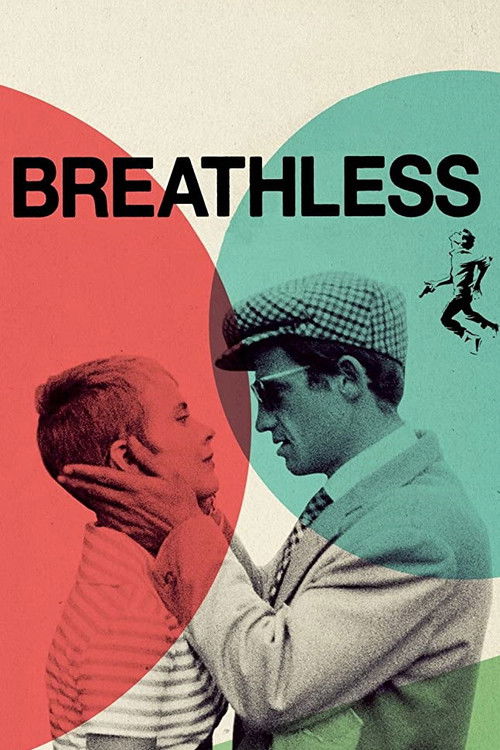
Breathless1960
Godard's original bout of anarchic romance and crime—the DNA of modern heist cinema, filtered through rock and roll. If you loved Carax's visual chaos, this is where he learned it.
But The narrative dissolves halfway through. Some find it more interested in style than coherence, which is fair.
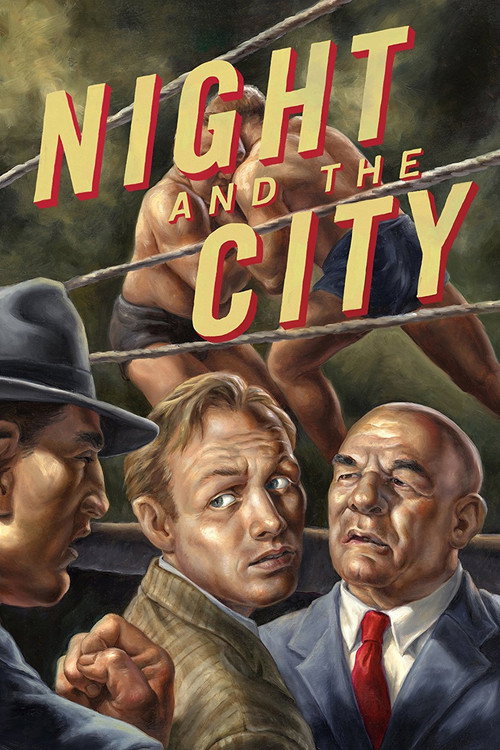
Night and the City1950
Dassin's London nightmare: criminals and con men in labyrinthine streets, all baroque shadows and existential dread. The same sense that the whole city is closing in on you.
But Black and white, slow-burn, and the plot is secondary to mood. Not everyone enjoys drowning in atmosphere.
The Killing1956
Kubrick's racetrack heist told in fractured time, where chaos blooms from every small mistake. Sharp, cruel, and visually inventive in ways that clearly influenced Carax.
But The narrative structure takes work to follow. It rewards attention but doesn't make that easy.

Not sure tonight? Get a pick in a minute, starting from Mauvais Sang
The wildcard
Something you would not have found on your own.
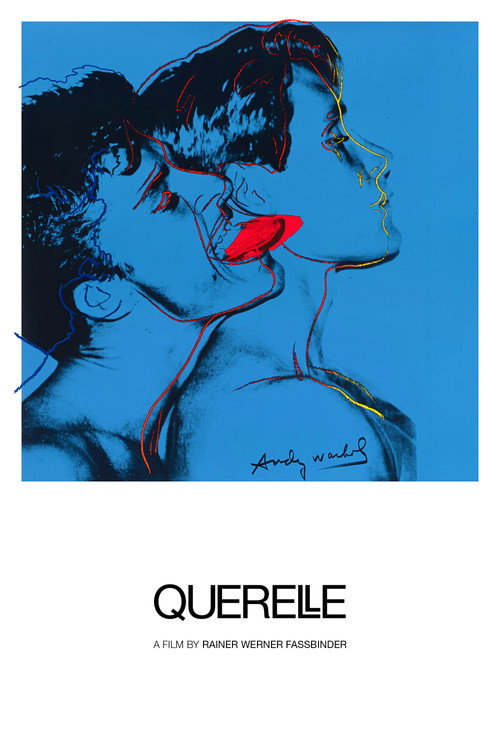
Querelle1982
Both films use crime as a frame for exploring desire and the beauty of bodies in motion. Both embrace artifice completely—the plot is just an excuse for style, and that's the whole point.
Fassbinder's last film: a baroque, stagy, deliberately artificial adaptation of Genet set in a port town. Male desire as crime, theatricality as truth. Jarman-esque in its embrace of artifice and transgression.
But Deliberately mannered to the point of camp. The color palette is garish, the acting stylized. Some will find it self-indulgent rather than visionary.
More like this (8)
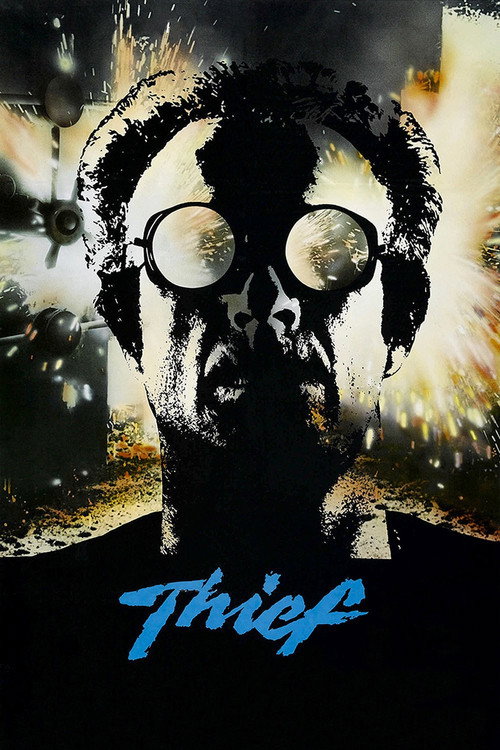
Thief1981
Michael Mann's neon-lit portrait of a safecracker's isolation. The same blue-grey aesthetic, the same sense of a man trapped by circumstance and his own nature.
But Heavy on technical detail and repetition—some find it methodical to the point of numbness.
Drugstore Cowboy1989
Van Sant catches the same generation adrift, petty criminals without conviction or hope, coasting on momentum. Beautiful in its hopelessness, made just three years later.
But Dreamy pacing that some read as slow. The characters aren't particularly likeable, and the film doesn't try to make them so.

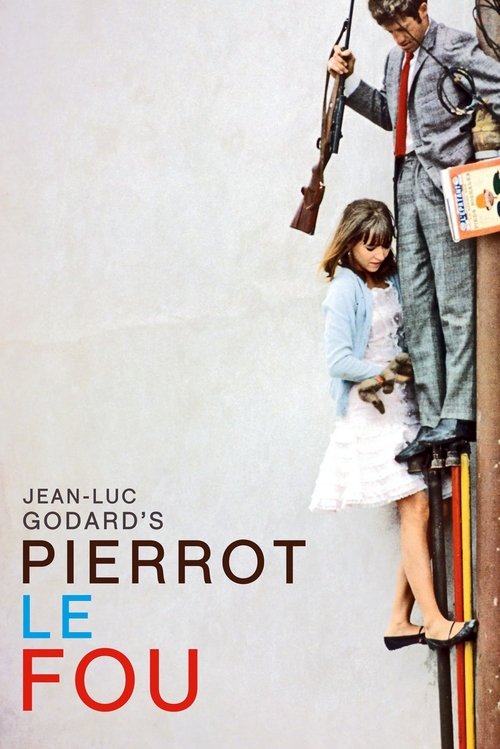
Pierrot le Fou1965
Godard's color-soaked lovers-on-the-run film. Chaotic, brilliant, tragic. Another ancestor of everything Carax tries to do with romantic crime and visual intoxication.
But Deeply interested in Godard's own digressions. Follows logic only Godard understands, which is thrilling and maddening by turns.
Possession1981
Andrzej Żuławski's deranged Berlin-set breakup film—hysteria and violence and bodies in motion, shot with operatic excess. If Carax's visual language speaks to you, this is a sibling.
But Genuinely unsettling and deliberately incoherent. The tentacle creature is ridiculous and disturbing in equal measure.

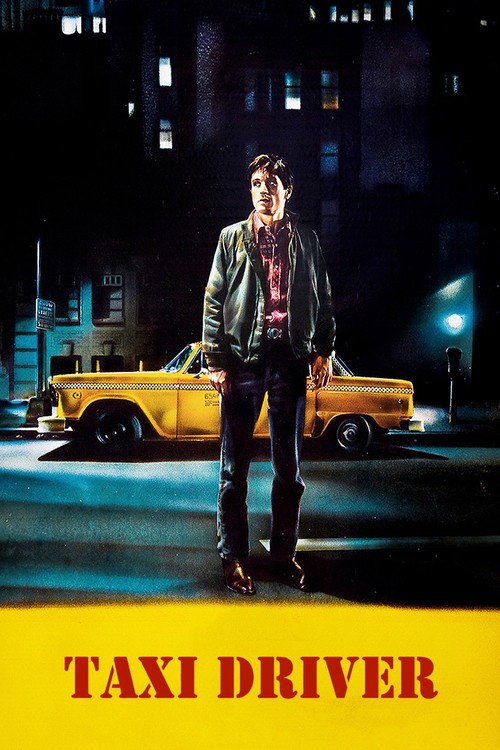
Taxi Driver1976
Scorsese's insomniac portrait of urban isolation and simmering violence. Not a heist film, but the same sense of a man falling through a city that doesn't want him.
But Bleak and slow-moving. Travis Bickle's self-pity can wear on you, and the film doesn't judge it harshly enough for some.
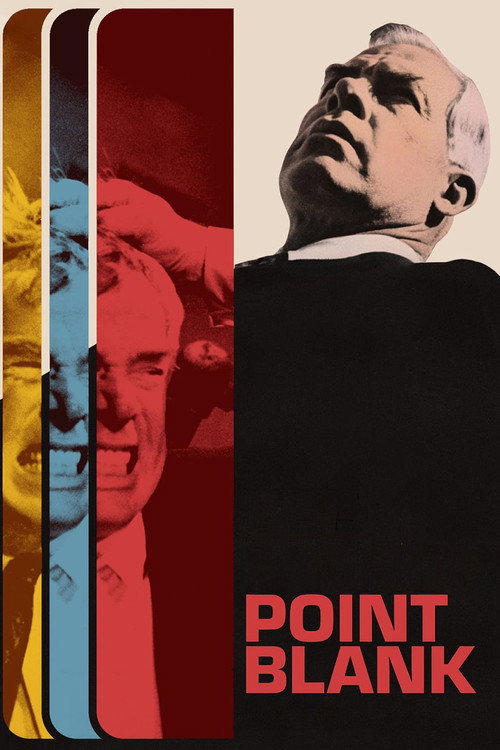
Point Blank1967
Boorman's geometric, abstracted revenge thriller—crime as shape and shadow rather than narrative. Influential on Carax's sense that style and substance are the same thing.
But More interested in visual pattern than plot or character. If you need story momentum, this film won't give it.
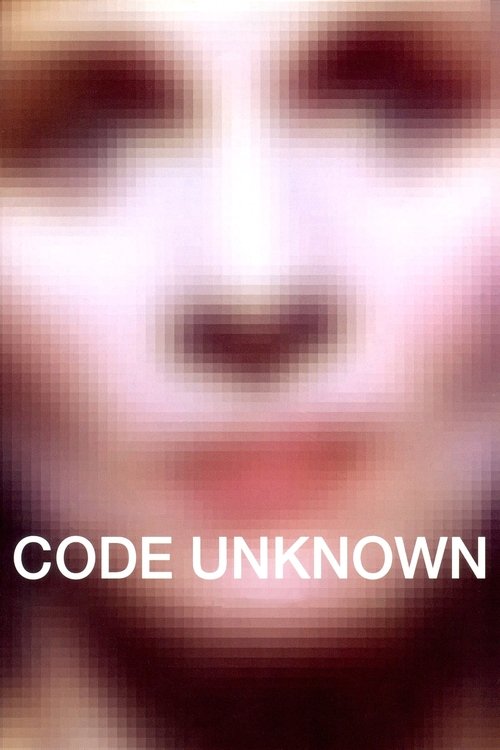
Code Unknown2000
Both are about young drifters in cities, about the hidden currents beneath ordinary interactions. Haneke's approach is colder and more systematic than Carax's fever dream, but the question is the same: how do we touch each other without destroying?
Michael Haneke's Paris—sequences that begin and end without explanation, strangers intersecting, the way class and language create violence beneath the surface. Juliette Binoche again, older, watching the world fracture.
But Aggressively fragmented and withholding. Haneke wants you uncomfortable and uncertain. Many find it punitive rather than rewarding.
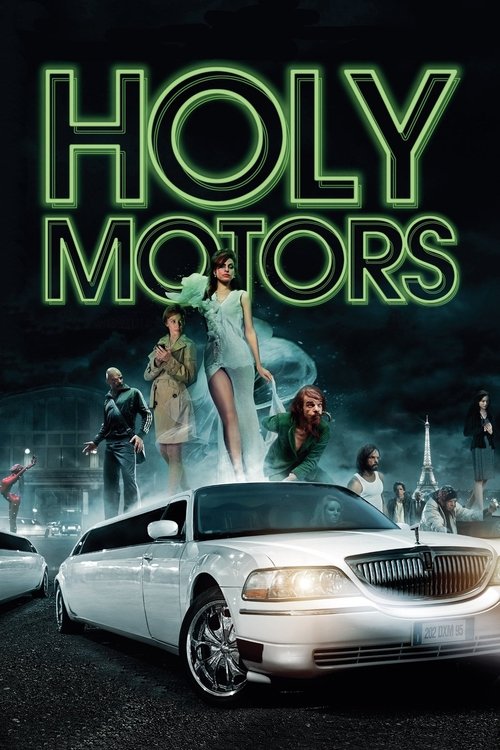
Holy Motors2012
Same director, same lead actor, same sense that the city itself is alive and hungry. If Mauvais Sang showed you what Carax was reaching for, this is where he finally arrived—and it's stranger than you can imagine.
Leos Carax himself, twenty-six years later: Denis Lavant in a limousine moving between lives and bodies and identities, Paris at night, the city as a stage for metamorphosis. A return and a reframing.
But Deliberately incomprehensible and three hours long. It rewards obsession, but you have to be willing to surrender to it completely.
People
Cast
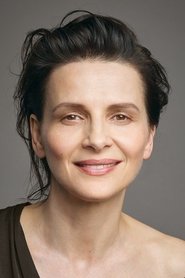 Juliette BinocheAnna
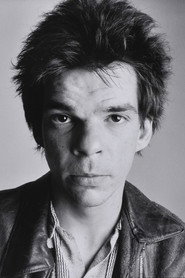 Denis LavantAlex
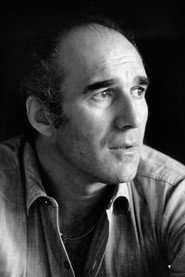 Michel PiccoliMarc
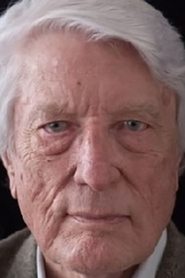 Hans MeyerHans
 Julie DelpyLise
- Carroll BrooksThe American
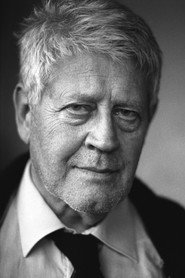 Hugo PrattBoris
 Mireille PerrierYoung Mother
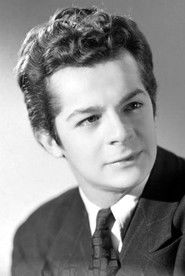 Serge ReggianiCharlie
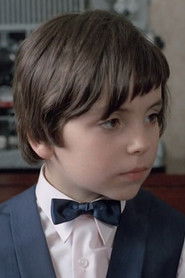 Jérôme ZuccaThomas
Directing
- Ariel SctrickAssistant Director
- Christian FaureAssistant Director
- Zazie CarcedoAssistant Director
- Leos CaraxDirector
Writing
- Leos CaraxWriter
Production
- Hélène BernardinCasting
- Denis ChateauExecutive Producer
- Philippe DiazExecutive Producer
- Alain DahanProducer