
Film
Breathless
Godard's 1960 debut turns a pulpy little crime story into a jolt of pure cinematic freedom: jump cuts, handheld camera, a hero who talks straight to the lens and worships Bogart from a movie poster. It's restless, funny, cool and cruel all at once - less about plot than about the thrill of watching the rules of filmmaking break in real time.
If you liked this
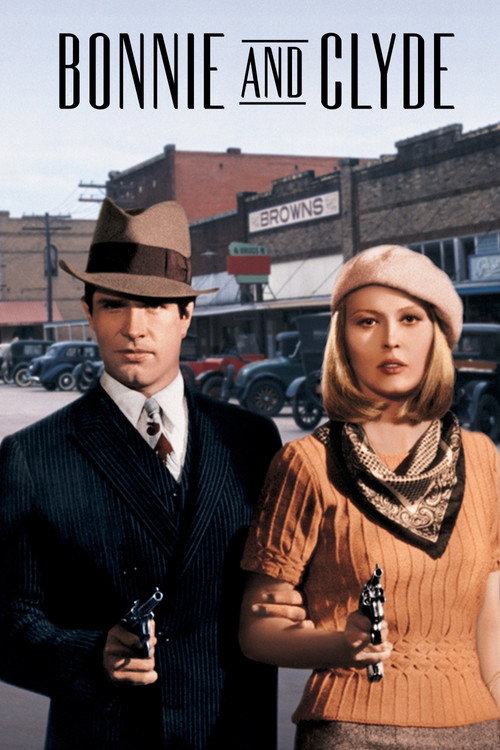
Bonnie and Clyde1967
America's answer to Godard's cool killers-in-love: same restless charisma and tragic momentum, but with gunfire, open highways and a media-age self-awareness of its own.
But The violence is more graphic and mythologising than Godard's detached cool, leaning into spectacle rather than irony.
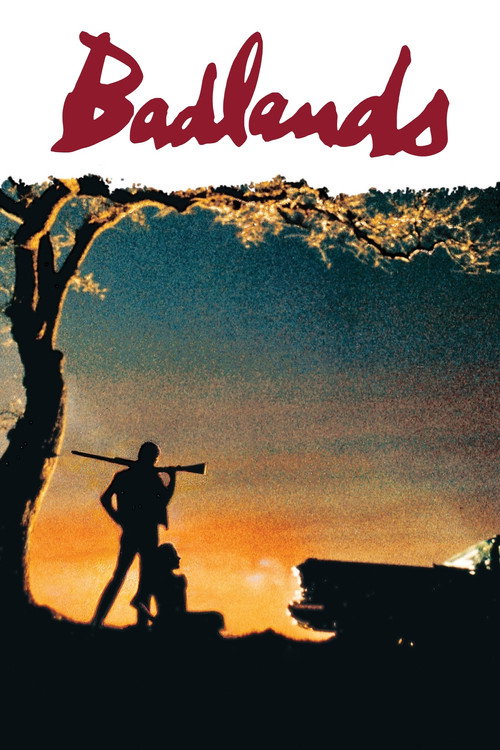
Badlands1973
Malick's debut turns young lovers on a killing spree into something dreamy and elegiac, echoing Poiccard's drifting nihilism but slowed to a hush.
But Its poetic voiceover and languid pacing are almost the opposite of Breathless's jittery, caffeinated energy.
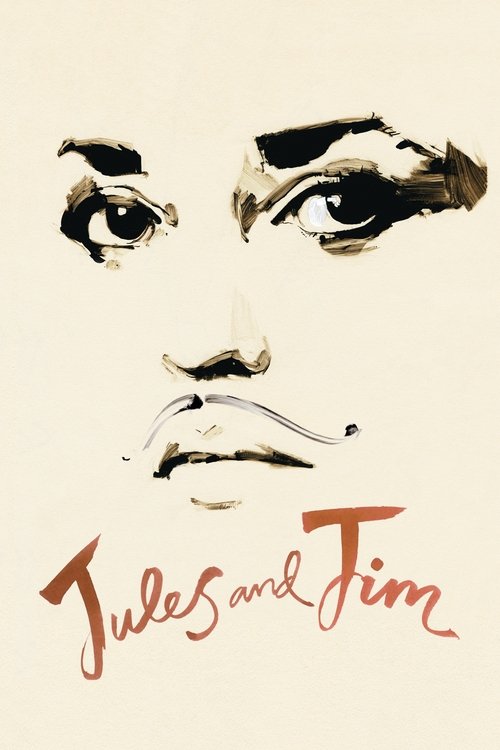
Jules and Jim1962
Truffaut's New Wave companion piece follows a love triangle with the same freewheeling, in-the-moment filmmaking that made Breathless feel so alive and unrehearsed.
But It's gentler and more melancholic overall, without the crime-thriller pulse driving Godard's film.
The wildcard
Something you would not have found on your own.
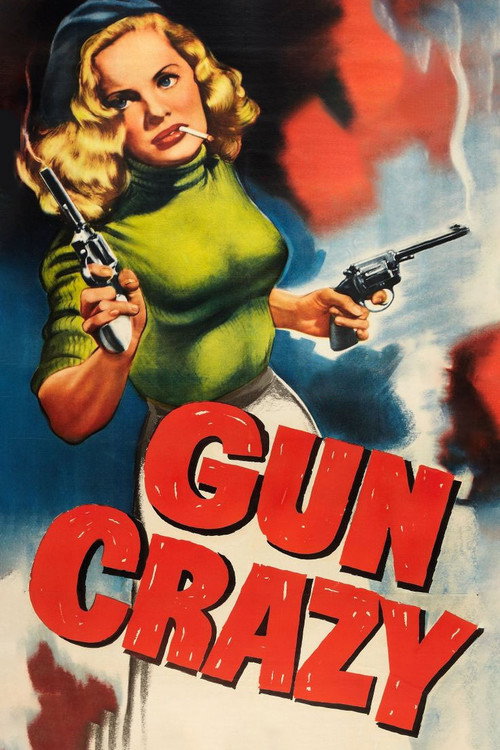
Gun Crazy1950
Godard adored this pulpy programmer and borrowed its plot bones and reckless lovers-on-the-run engine almost directly for Breathless's story.
A decade before Godard, this cheap American B-movie about a couple who fall for each other and for guns invented the doomed-crime-spree romance with raw, unpolished ferocity.
But The moralising 1950s crime-doesn't-pay ending and stiff dialogue date it in ways Breathless never feels dated.
More like this (8)
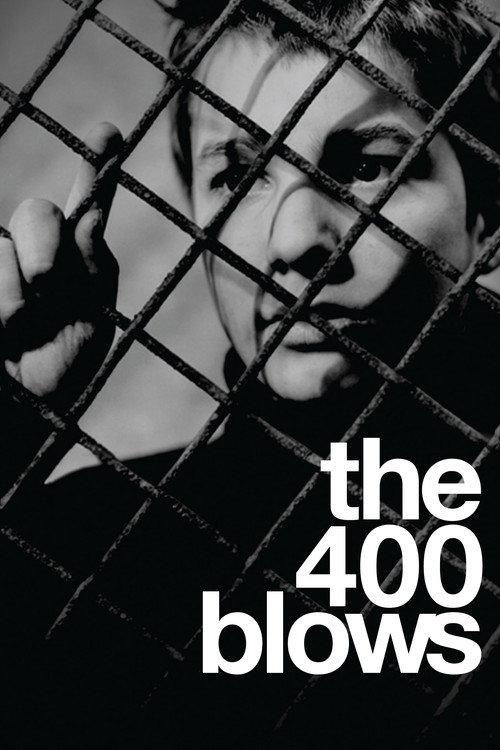
The 400 Blows1959
One of the films that helped launch the New Wave alongside Breathless, following a wayward Parisian kid with the same handheld, unglamorous intimacy.
But It's a coming-of-age story rather than a crime picture, so the stakes are quieter and the tone more tender.
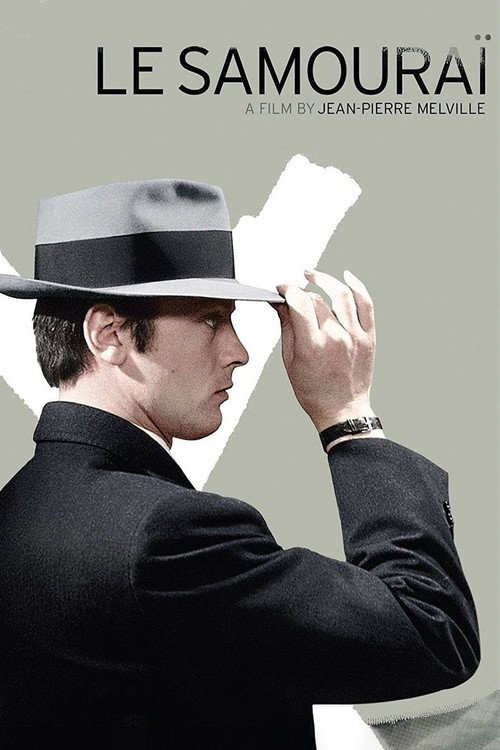
Le Samouraï1967
Melville distills the cool-criminal mystique into something more controlled and stylish - trench coat instead of trilby, silence instead of Michel's constant chatter.
But It trades Godard's chaotic jump cuts for a slow, minimalist precision that some viewers find cold.
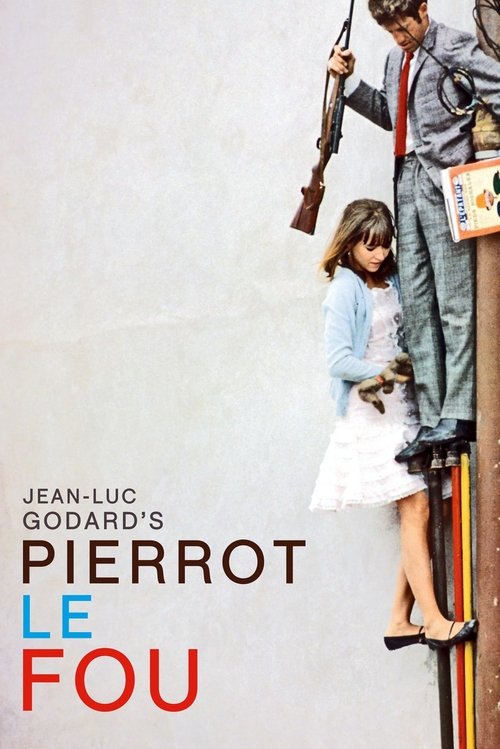
Pierrot le Fou1965
Godard and Belmondo reunite for a wilder, more anarchic lovers-on-the-run story, splashed with garish colour and even stranger digressions.
But It's more fragmented and self-indulgent, testing patience even for people who loved Breathless.
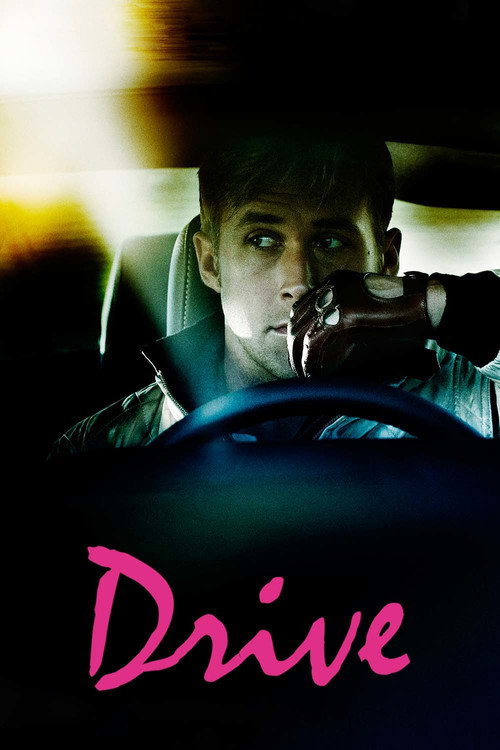
Drive2011
A neon-lit modern descendant - a near-silent driver falls for a woman he can't have, wrapped in the same outlaw-romantic cool as Poiccard.
But It swaps New Wave spontaneity for meticulous, synth-scored style, a very different rhythm from Godard's rough edges.
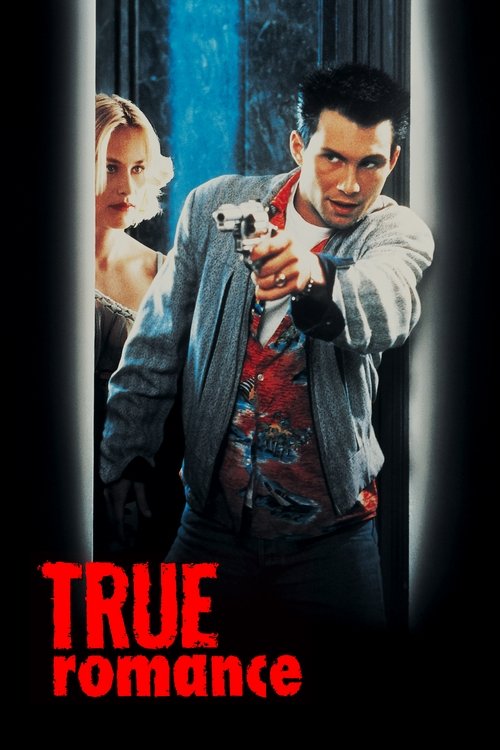
True Romance1993
Tarantino's script turns the doomed-couple-on-the-run formula into pulpy, blood-soaked Americana, unashamedly besotted with movies the way Michel is.
But It's louder, gorier and far less interested in ambiguity than Godard's detached, jittery cool.
Contempt1963no page yet
Godard again, this time turning his restless camera on a marriage collapsing amid movie-making itself - fascinating to see where his art went next.
But It's slower and more talky, a meditation on cinema and money rather than a chase.
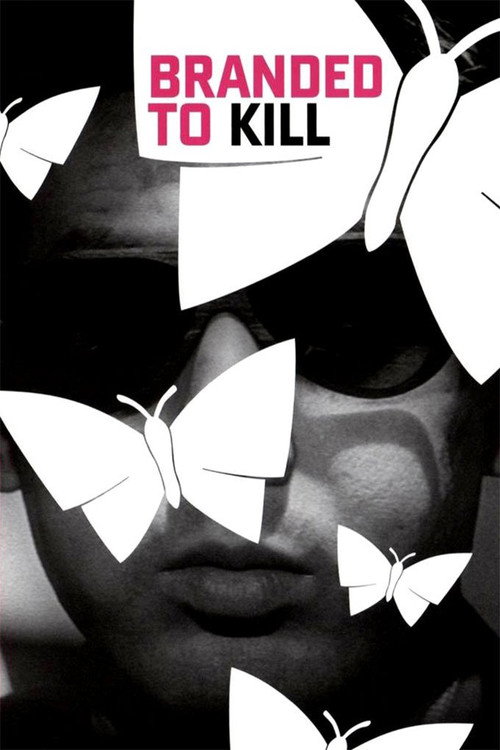
Branded to Kill1967
Suzuki worked in the same rule-breaking spirit as Godard, using disjointed editing and genre logic to make the criminal antihero's cool something to question rather than simply admire.
A gonzo Japanese yakuza film that takes the New Wave's jump cuts and anti-narrative swagger into pulpy gangster territory - stranger, funnier, more violent, still gorgeous.
But The plot is deliberately incoherent and surreal in ways that can feel like style without a destination.
Bottle Rocket1996no page yet
Both films are about men who learned how to be criminals from cinema itself - Poiccard imitates Bogart, Anthony imitates crime movies - one plays it as tragedy, the other as gentle farce.
Wes Anderson's shaggy comedy about a hapless would-be criminal performing "outlaw" straight out of the movies gives you Michel's self-mythologising without the body count.
But It's a deadpan comedy with modest stakes, missing the existential dread and doomed romance that make Breathless linger.
People
Cast
 Jean-Paul BelmondoMichel Poiccard / László Kovács
 Jean SebergPatricia Franchini
 Daniel BoulangerPolice Inspector Vital
 Henri-Jacques HuetAntonio Berrutti
 Roger HaninCarl Zubart
 Van DoudeAmerican Journalist, Patricia's Friend
 Claude MansardClaudius Mansard
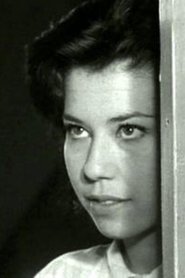 Liliane DreyfusLiliane / Minouche
- Michel FabrePolice Inspector #2
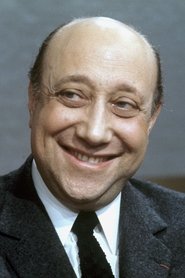 Jean-Pierre MelvilleParvulesco the Writer
 Jean-Luc GodardThe Snitch
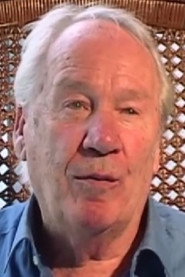 Richard BalducciTolmatchoff
Directing
- Pierre RissientAssistant Director
- Jean-Luc GodardDirector
- Suzon FayeScript Supervisor
Writing
- Claude ChabrolOriginal Story
- François TruffautOriginal Story
- Jean-Luc GodardScreenplay
- Claude ChabrolStory
- François TruffautStory
Production
- Georges de BeauregardProducer
Recommended by
Bob le Flambeur, The 400 Blows, Cléo from 5 to 7, Stolen Kisses, The End of the F***ing World, They Live by Night, Pierrot le Fou, Chungking Express, Jules and Jim, Pandora's Box