
Film
Number Two
- Drama
- Strange
- Slow-burning
Godard's radical essay-film shot on video in a cramped apartment, mixing domestic crisis with technical experimentation. A marriage fractures across split screens while the director questions cinema itself. Formally audacious and deliberately alienating—for viewers who want cinema to challenge them, not comfort them.
Should you watch it?
Watch it if you already love Godard's essay-film habit of stopping to argue with his own images, and want domestic life picked apart through video, text and sound rather than told as a story.
Skip it if the constant switching between two screens, grainy video and dense talk wears thin fast, and a continuous story will frustrate you.
What it asks of you: Expect a brisk 88 minutes of split attention, tracking two monitors, a director talking over his own footage, and a flat domestic drift rather than being carried along.
Not sure? Find tonight's pick in a minute.
If you liked this
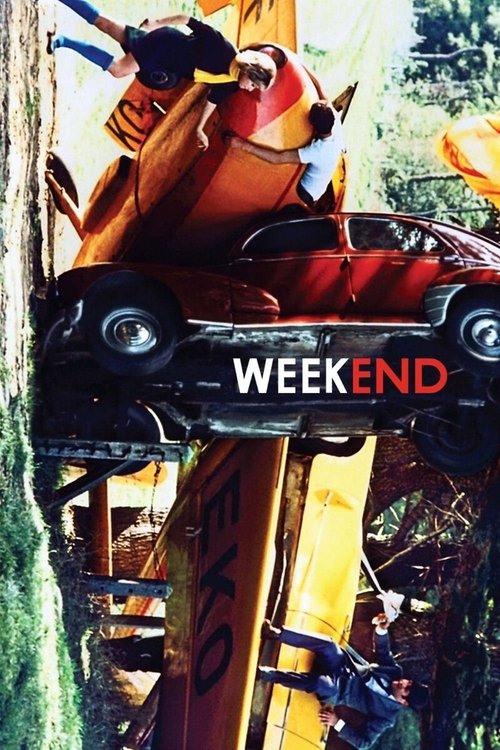
Weekend1967
Godard at his most corrosive, dismantling bourgeois life and cinema conventions simultaneously. A car crash becomes apocalypse. Essential for understanding his trajectory toward Number Two's video experiments.
But It's aggressively political and hostile to the viewer. Long, demanding, and the violence is real enough to disturb.
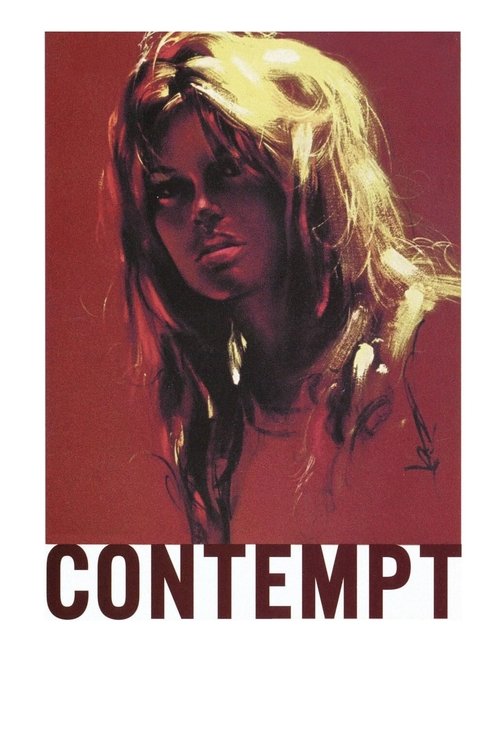
Contempt1963
A marriage collapses while a director makes a film—a perfect companion piece. Gorgeously shot, more accessible than Godard usually gets, but asking the same questions about desire and cinema.
But The plot can feel thin if you're not engaged by meta-filmmaking. Some find it cold.
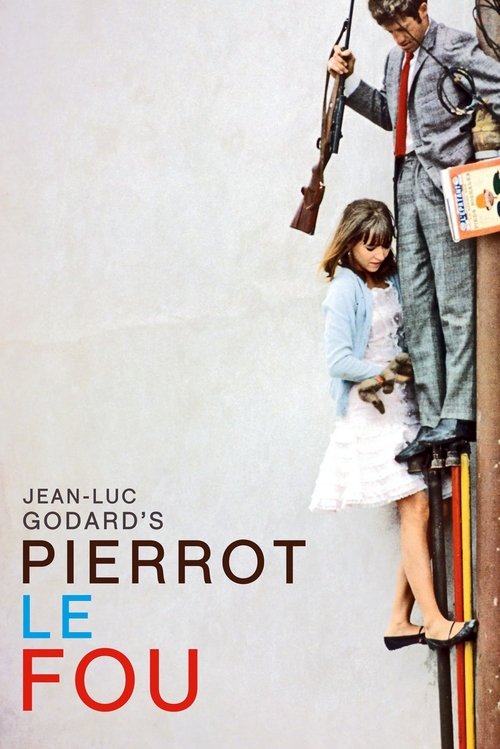
Pierrot le Fou1965
Jean-Luc Godard's most visually dazzling work—a couple fleeing life, painted in primary colors and fractured narrative. Anarchic, sexy, genuinely funny beneath the formal games.
But The constant tonal shifts and refusal of plot coherence will frustrate if you want a story. Can feel scattered.
Not sure tonight? Get a pick in a minute, starting from Number Two
The wildcard
Something you would not have found on your own.
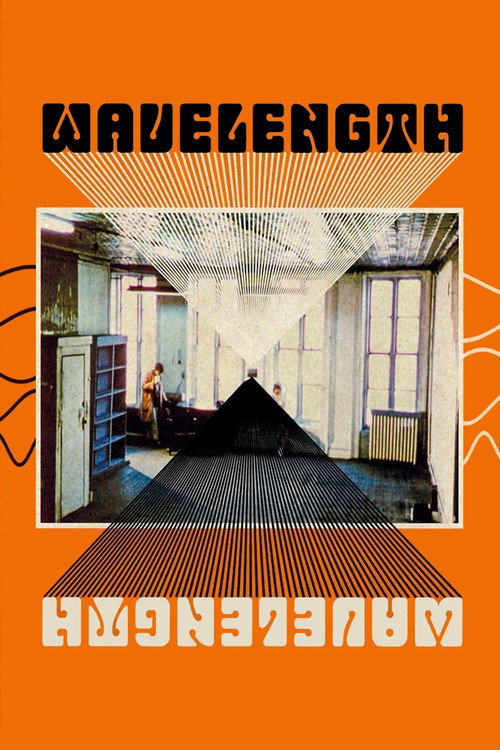
Wavelength1967
Both films use medium-as-message: video or fixed camera becomes the subject rather than the servant. Formal investigation replaces narrative.
Michael Snow's 45-minute fixed-camera zoom across a loft wall—a film about perception, time, and the camera itself. Like Number Two, it treats video/film as a primary subject, not a tool. Hypnotic and genuinely radical.
But Almost nothing happens. It's a perceptual endurance test that can feel like punishment. Requires surrendering to very slow cinema.
More like this (6)
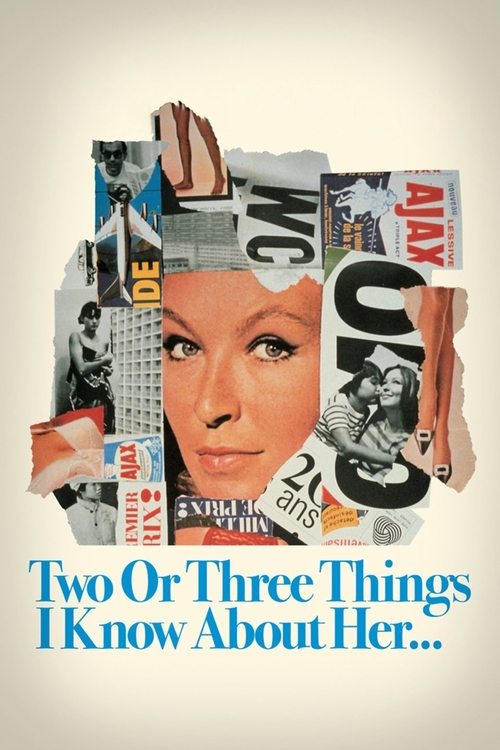
2 or 3 Things I Know About Her1967
A housewife's day becomes a meditation on Paris, consumerism, and cinema. Video-like intimacy. Quieter than Godard's explosion films, but just as intellectually restless.
But Plotless and essayistic. The philosophical digressions can feel like interruptions if you want drama.
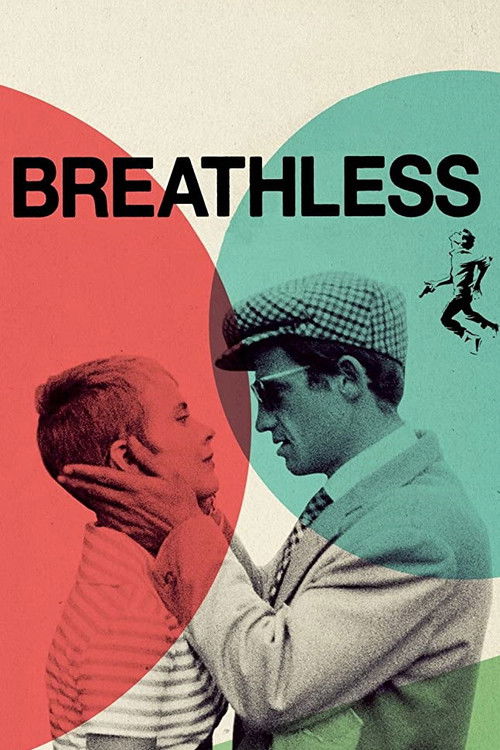
Breathless1960
Godard's breakthrough—a young criminal and his girlfriend in Paris. Jump cuts, broken narrative, and real feeling. A good entry point before his later abstractions.
But The jump cuts were revolutionary then but feel less shocking now. Some find the youth culture posturing dated.
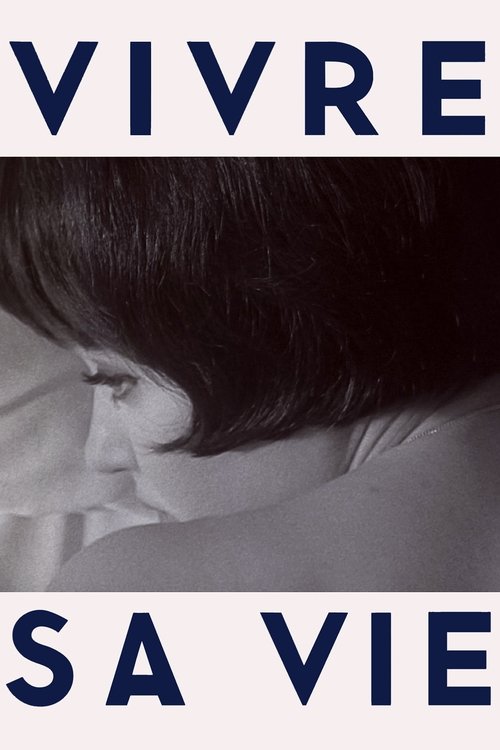
Vivre Sa Vie1962
Anna Karina in twelve chapters about a woman becoming a prostitute. Achingly beautiful and deceptively moving. Godard at his most human before the ideological turn.
But It's static and chapter-based, which distances you from the character. The pacing is deliberately slow.
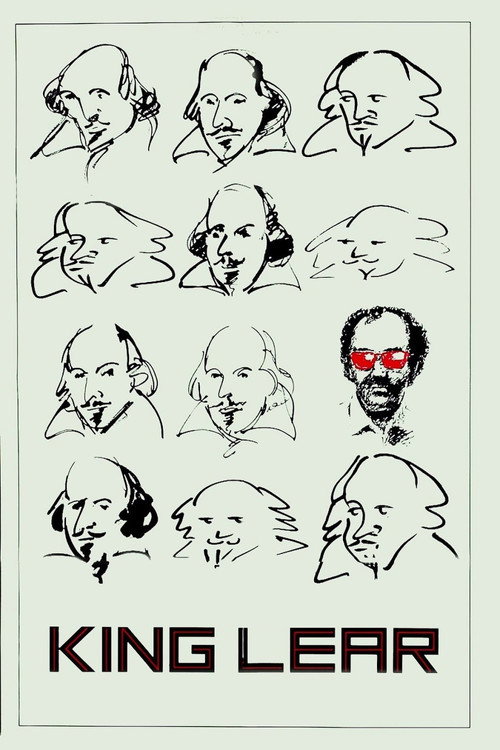
King Lear1988
Godard's video adaptation of Shakespeare, shot in a bunker with distorted images and fragmented sound. Bizarre, experimental, proof he never stopped inventing.
But It barely resembles King Lear. The video degradation is intentional but nearly unwatchable at times.
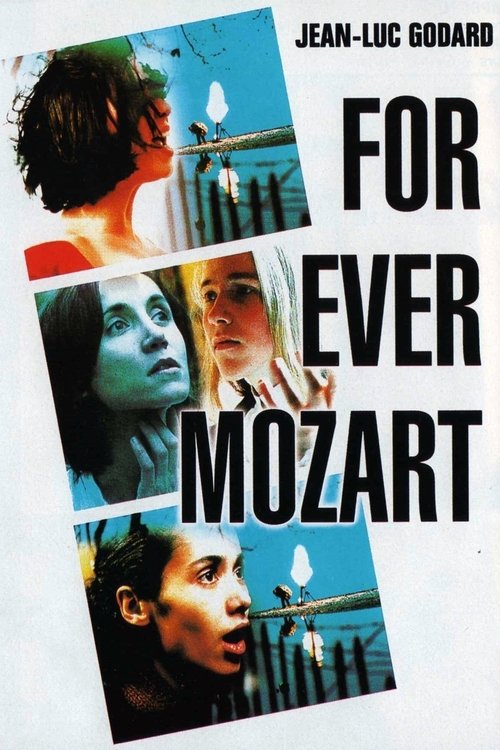
For Ever Mozart1996
A late work about film production, identity, and European culture in the post-Cold War moment. Video and 35mm mixed, digressive, searching. Spare and philosophical.
But Slow, fragmented, and difficult. Requires patience with Godard's later minimalism and cryptic references.
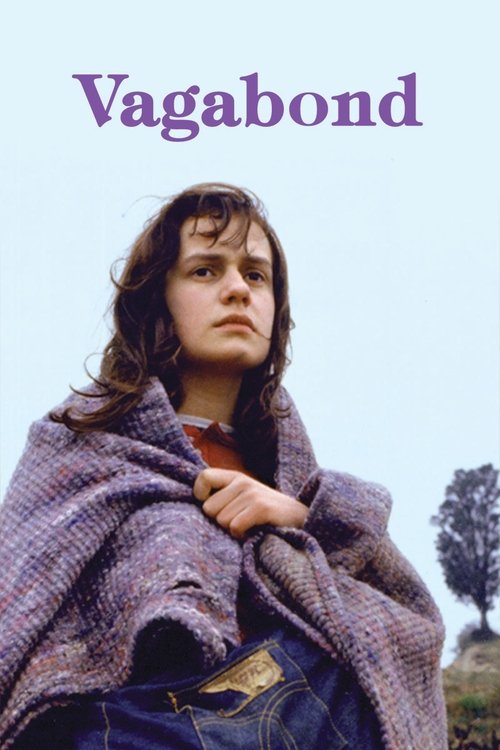
Vagabond1985
Both films capture working-class/marginal life with documentary precision but fictional structure. They refuse easy identification, demanding you sit with discomfort.
Agnès Varda's film about a drifting woman, told through interviews and observation. Socially conscious, moving without sentimentality. Vastly more humane than Godard, but sharing his interest in lives lived in the margins.
But The protagonist is deliberately difficult and unsympathetic. Some find Varda's approach cold, though it's more compassionate than it first appears.
People
Cast
- Sandrine BattistellaSandrine / Wife
 Pierre OudreyPierre / Husband
 Alexandre RignaultGrandfather
- Rachel StefanopoliGrandmother
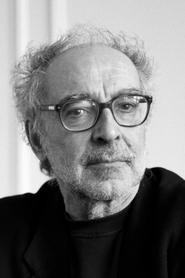 Jean-Luc GodardSelf (uncredited)
Directing
- Jean-Luc GodardDirector
Writing
- Anne-Marie MiévilleWriter
- Jean-Luc GodardWriter
Production
- Gérard BeytoutCo-Producer
- Georges de BeauregardProducer
- Jean-Pierre RassamProducer
- Marcel MossottiProduction Manager