
Film
Breaking and Entering
- Social drama
- Romantic drama
- Slow-burning
Anthony Minghella's quietly ambitious drama about desire and displacement in contemporary London. A landscape architect's affair with a Bosnian refugee becomes a lens for examining guilt, class, belonging, and the invisible walls we build around ourselves. Deliberately paced, shot in muted greys and greens, it's for viewers who prize emotional authenticity over plot momentum.
If you liked this
In the Mood for Love2000
Wong Kar-wai's masterpiece about two neighbours discovering their spouses are having an affair. It's achingly beautiful, gorgeously composed, and explores longing through colour, costume, and careful distance—a film that understands restraint as passion.
But Deliberately slow and repetitive in structure. If you need plot to propel you, the circular melancholy will feel like treading water rather than swimming.

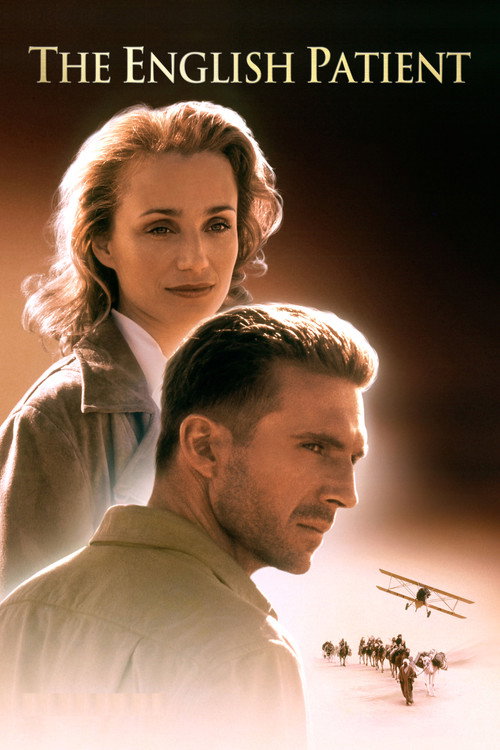
The English Patient1996
Minghella's own earlier epic about identity, loss, and the stories we tell ourselves across cultures and continents. Sumptuous cinematography and an interlocking narrative that rewards attention—romance as something darker and more complex than happiness.
But The film is long and its emotional registers can feel overwrought. Some find it indulgent rather than moving, and the framing device takes patience to accept.
Under the Skin2014
Jonathan Glazel's hypnotic meditation on alienation and invisibility in contemporary Britain. Like Breaking and Entering, it captures the strangeness of everyday urban life and the gulf between those who belong and those who don't, though through a radically different formal language.
But Elliptical, unsettling, and fundamentally strange. If you prefer clarity and closure, this will frustrate you intensely.

Not sure tonight? Get a pick in a minute, starting from Breaking and Entering
The wildcard
Something you would not have found on your own.
Number Two1975
Both are formally restrained dramas about desire and displacement occurring in cramped domestic and urban spaces, but where Minghella internalizes his critique, Godard externalizes it—making the form itself discomforting.
Godard's radical, almost unwatchable essay-film about a family in a Paris apartment, filmed through video screens and split frames. It's about desire, language, class friction, and the violence of domestic life—but told through fragmented form rather than narrative. If you felt the tension beneath Breaking and Entering's surface, this is that tension exploded outward.
But Genuinely forbidding. Barely a conventional film at all—you're watching Godard think in images, not a story unfold. Most people will find it baffling or aggressive.

More like this (8)
Cold Mountain2003
Anthony Minghella again, exploring how war and longing reshape people across distance. Nicole Kidman and Jude Law (reunited here) navigate moral complexity and impossible choices with real nuance. Beautiful and melancholic without being sentimental.
But Three hours long and emotionally exhausting. The American Civil War setting may feel distant compared to Breaking and Entering's contemporary London.

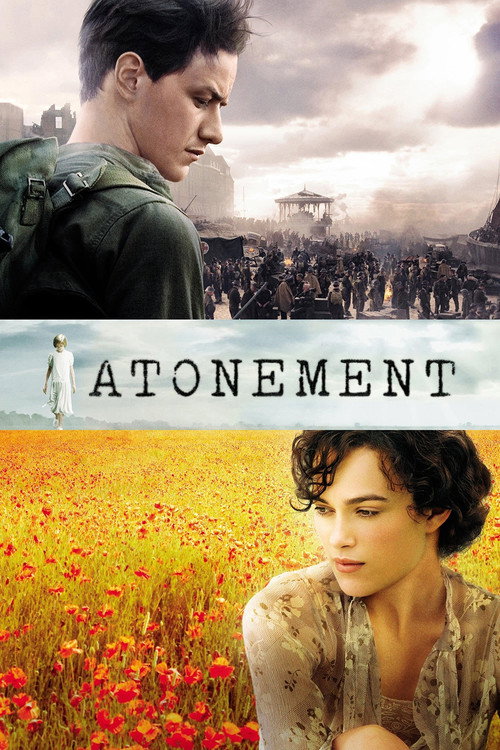
Atonement2007
Joe Wright's formally dazzling drama about guilt, desire, and the stories we construct to justify ourselves. Like Minghella's film, it's preoccupied with how private lives intersect with larger forces—class, war, fate—and what we owe each other.
But The final act's revelation may feel manipulative to some. The self-conscious aesthetics can overshadow emotional stakes if you're not receptive to the style.
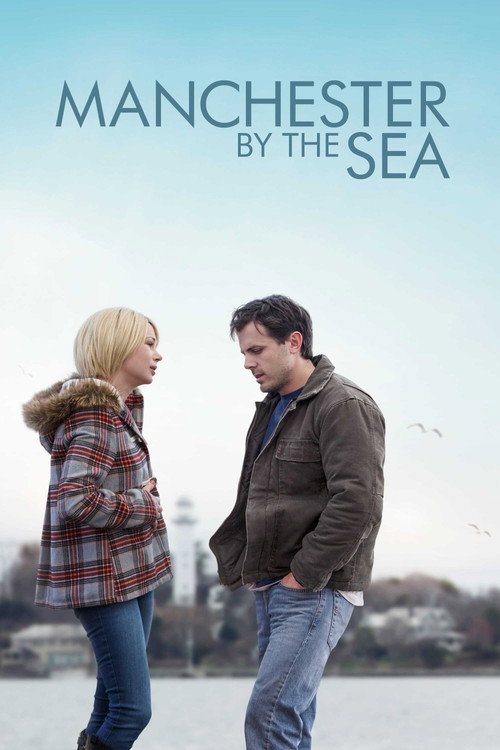
Manchester by the Sea2016
Kenneth Lonergan's quietly devastating portrait of a man unable to escape grief and responsibility. It shares Breaking and Entering's interest in people failing each other despite good intentions, rendered through intimate, naturalistic acting and urban settings.
But Relentlessly downbeat and sparse on plot. If you're watching for comfort or resolution, this won't provide either.
The Lives of Others2006
Florian Henckel von Donnersmarck's thriller about surveillance, conscience, and the gap between public duty and private morality. Made in the same year as Breaking and Entering, it similarly examines how we betray ourselves and others through inaction.
But A Cold War-era East Berlin setting creates emotional distance. The espionage plot may feel more conventional than Breaking and Entering's intimate focus.

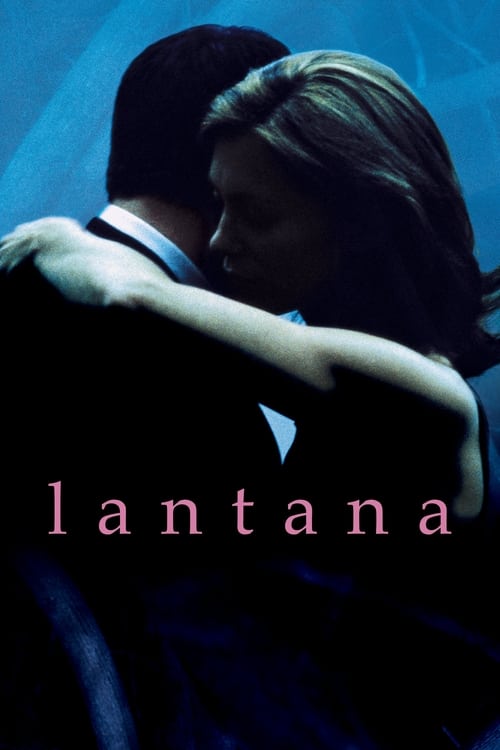
Lantana2001
Ray Lawrence's interlocking Australian drama about relationships fractured by secrets, infidelity, and unspoken damage. Ensemble cast, overlapping narratives, genuine moral complexity—what happens when the people we love become strangers to us.
But Multiple storylines can feel scattered, and the mystery-thriller element doesn't always integrate smoothly with the character study.
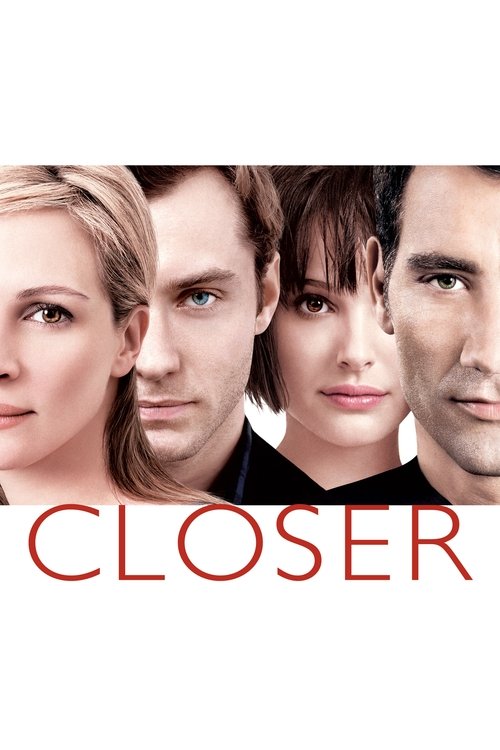
Closer2004
Mike Nichols' adaptation of Patrick Marber's play about two couples and the damage wrought by desire and deception. Sharp, clever, and genuinely about how little we know the people closest to us—with Jude Law bringing a particular vulnerability to infidelity.
But Often feels stagey rather than cinematic. The dialogue prioritizes wit and revelation over naturalism, which distances some viewers.
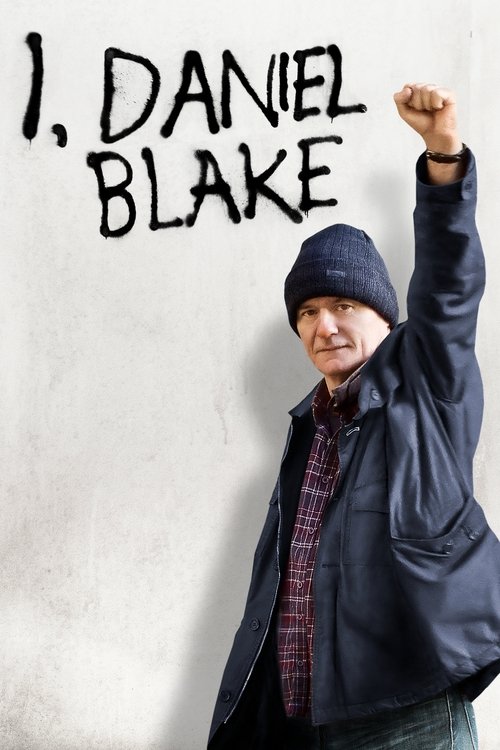
I, Daniel Blake2016
Both films are set in contemporary Britain and preoccupied with the invisible walls between classes, the comfortable and the displaced. Breaking and Entering asks what we owe people we desire; I, Daniel Blake asks what we owe people we've chosen to ignore.
Ken Loach's documentary-realist film about poverty and bureaucratic cruelty in contemporary Britain. Like Breaking and Entering, it's set in a world of invisible social divisions and the ways systems fail people. But instead of an architect's guilt, it's about dignity stripped away by indifference. Angry, human, necessary.
But Didactic and emotionally manipulative by design. Loach doesn't trust subtlety, and if you resist the film's politics, you'll feel lectured to rather than moved.
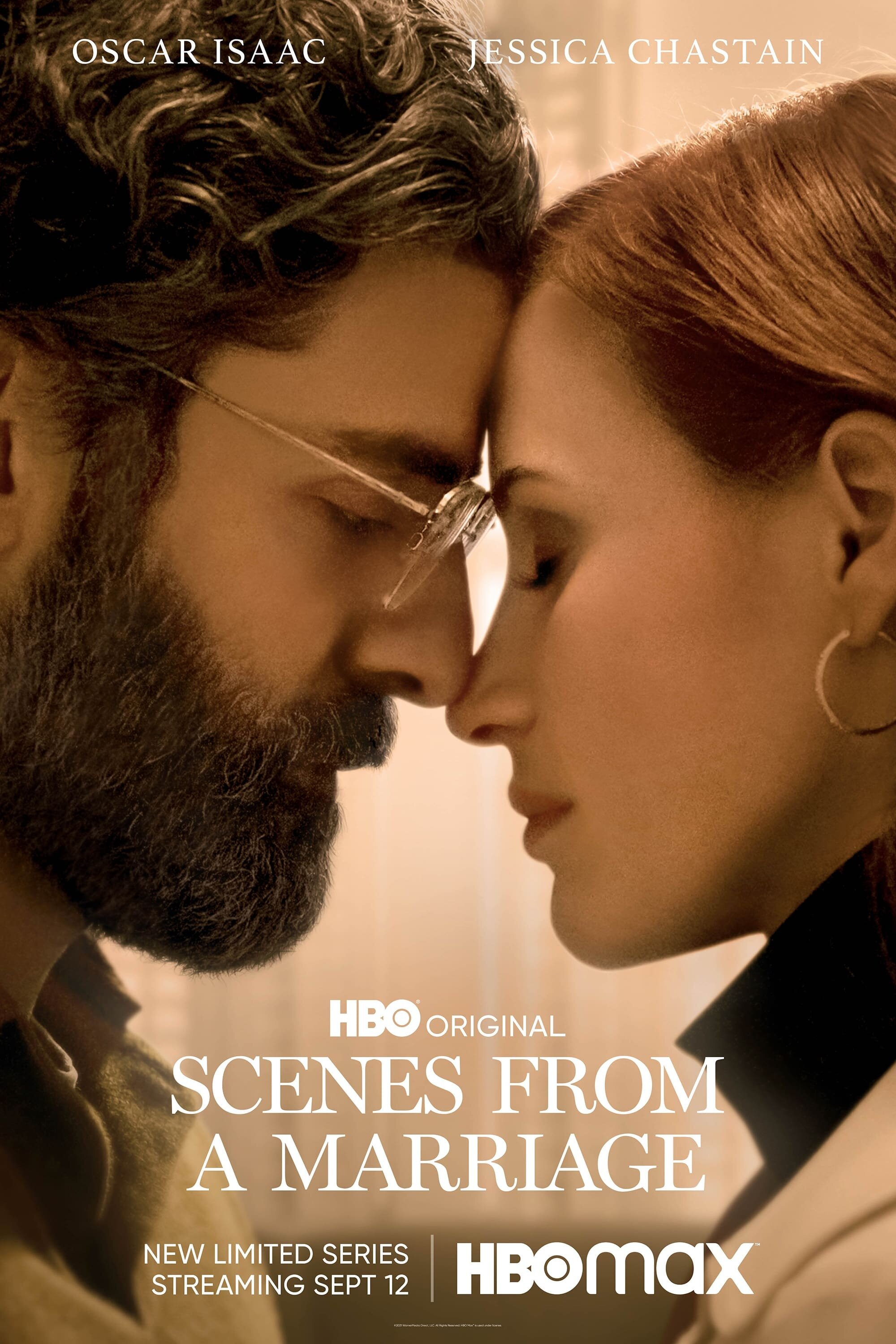
Scenes from a Marriage2021
Both works are about adults in intimate relationships trying and failing to bridge unbridgeable gaps. But where Minghella spreads guilt across class and war and circumstance, Bergman locates it in the mutual betrayal that marriage itself seems to enable.
Bergman's relentless six-episode dissection of a marriage—how it begins, deteriorates, and ends. Each episode is a conversation that feels documentary in its honesty. If you want to understand the emotional architecture beneath Breaking and Entering, this is the blueprint: two people failing each other through love, cowardice, desire, and circumstance.
But Primarily shot in apartment interiors. Bergman's unblinking Swedish pessimism offers no catharsis or comfort, and watching it feels like work rather than pleasure.
People
Cast
 Jude LawWill Francis
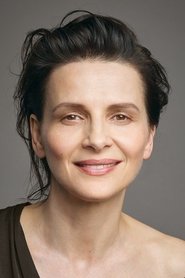 Juliette BinocheAmira
 Vera FarmigaOana
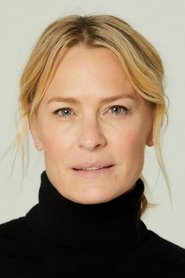 Robin WrightLiv
 Martin FreemanSandy
 Rafi GavronMiro
 Poppy RogersBea
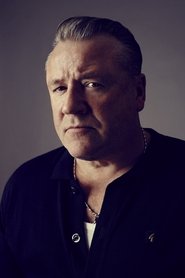 Ray WinstoneBruno Fella
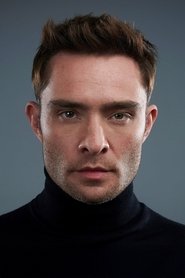 Ed WestwickZoran
 Anna ChancellorKate
 Lisa KayPC Primus
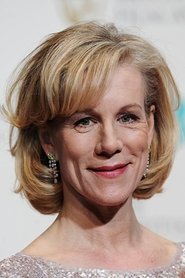 Juliet StevensonRosemary
Directing
- Anthony MinghellaDirector
- Jo BeckettScript Supervisor
Writing
- Anthony MinghellaScreenplay
Production
- D-TeflonAssociate Producer
- Steve E. AndrewsAssociate Producer
- Gaby KesterCasting
- Michelle GuishCasting
- Bob WeinsteinExecutive Producer
- Colin VainesExecutive Producer
- Harvey WeinsteinExecutive Producer
- Anita OverlandLine Producer
- Anthony MinghellaProducer
- Sydney PollackProducer
- Tim BricknellProducer
- David GreenbaumProduction Executive