
Film
Closer
Four beautiful, articulate people take turns wounding each other with total precision. Mike Nichols directs Patrick Marber's own stage play as a chamber piece of desire and cruelty, where every scene is basically a duel fought with words instead of weapons. It's cold, quotable, and devastating — a film for anyone who thinks the worst thing you can do to someone is tell them the truth.
If you liked this
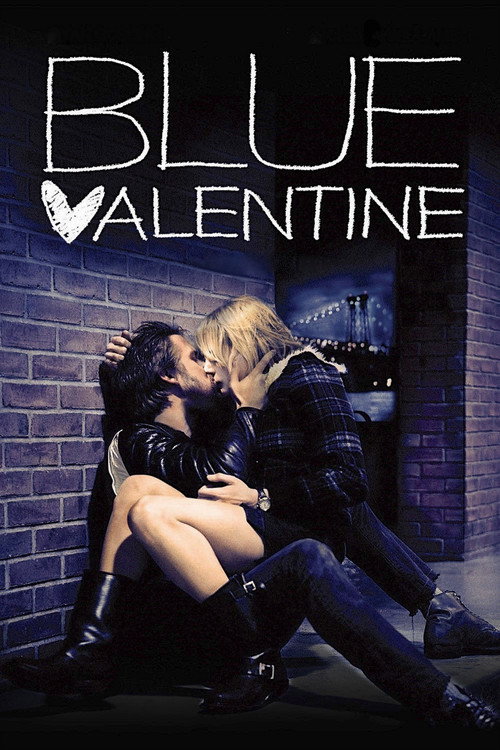
Blue Valentine2010
Ryan Gosling and Michelle Williams chart a relationship's beginning and end simultaneously, and the collision between hope and collapse hits with the same unsentimental force as Closer's dialogue.
But The nonlinear structure and raw improvisational feel make it emotionally exhausting rather than stylish.
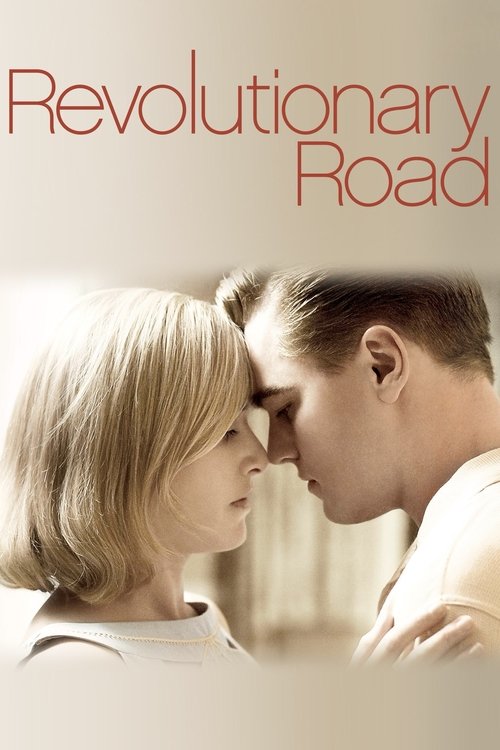
Revolutionary Road2008
DiCaprio and Winslet reunite as a couple suffocating inside suburban ambition and mutual contempt, delivering the kind of precisely aimed marital cruelty Closer specializes in.
But It's bleaker and more didactic about 1950s conformity, with less of Closer's dark wit to leaven the misery.
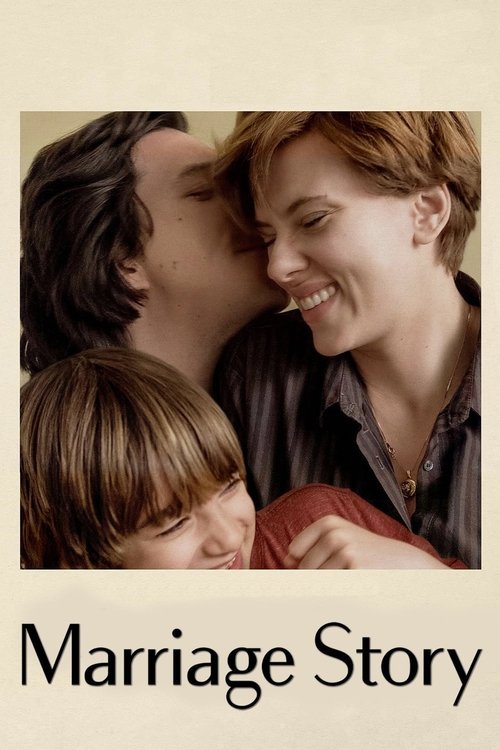
Marriage Story2019
A divorce drama with two extraordinary, wrenching argument scenes that prove people who once loved each other can find exactly the right words to do maximum damage.
But It's warmer and more empathetic toward both parties than Closer ever bothers to be.
The wildcard
Something you would not have found on your own.
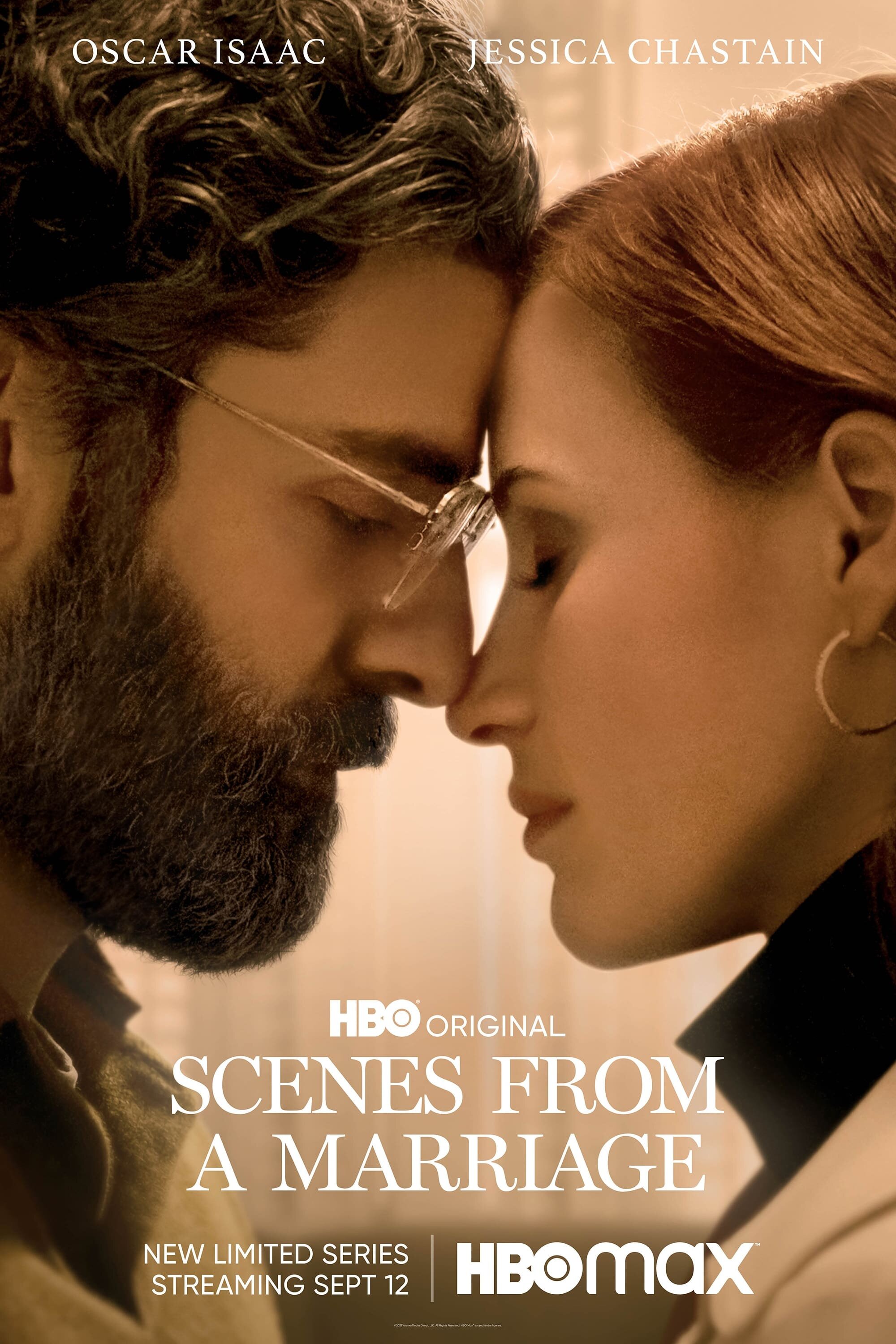
Scenes from a Marriage2021
Same anatomy-of-a-relationship structure and interest in verbal cruelty as intimacy, but stretched into long-form TV decades before Closer's stage-to-screen version compressed it.
Bergman's Swedish miniseries invented the genre of two people talking a marriage to death, scene by scene, with a patience and psychological precision Closer compresses into single savage lines.
But It's six hours of Swedish television from 1973 — slow, subtitled, and utterly unglamorous by comparison.
More like this (8)
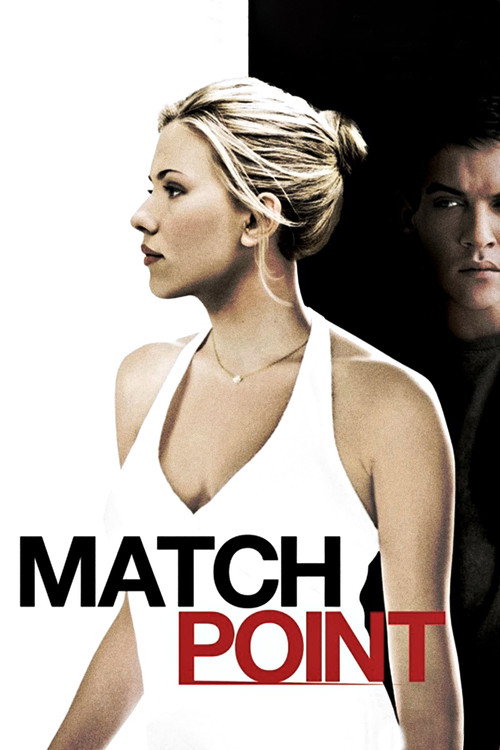
Match Point2005
Woody Allen's cool, moneyed London thriller shares Closer's interest in desire as a kind of class warfare, plus a genuinely icy sense of consequence.
But The thriller mechanics eventually take over from the character study, which some will find a cop-out.
Betrayal1983no page yet
Pinter's own screenplay, told backwards, strips an affair down to its coldest bones — clipped, elliptical dialogue doing the same surgical work Marber's does.
But It's stagier and more restrained; the violence here is all implication, never outburst.
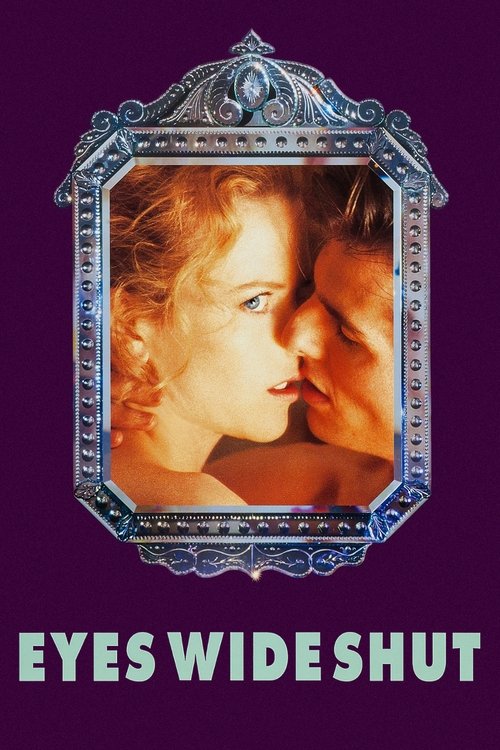
Eyes Wide Shut1999
Kubrick's fever dream about jealousy and fidelity shares Closer's fascination with sex as power and confession as weapon, dressed in gorgeous, unsettling artifice.
But It's slower, stranger, and more interested in dread than in the sharp emotional cuts Closer delivers.
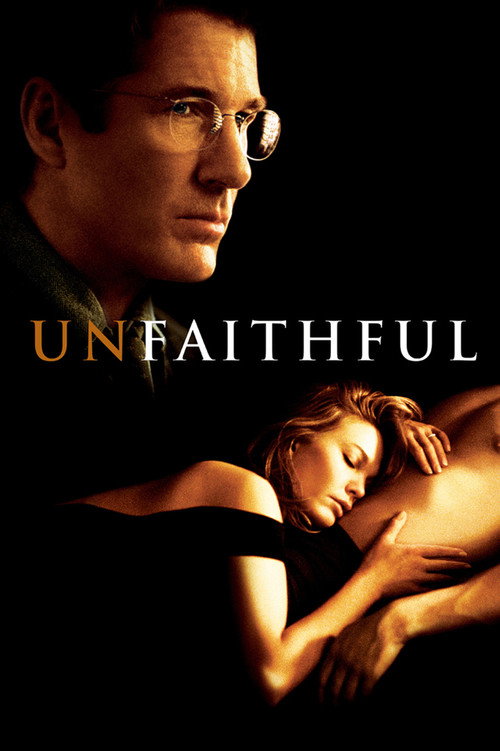
Unfaithful2002
Diane Lane's affair spirals into something genuinely dangerous, with the same sense that desire, once acted on, rewrites every relationship around it.
But It leans further into melodrama and thriller beats than Closer's dry, theatrical dialogue ever does.
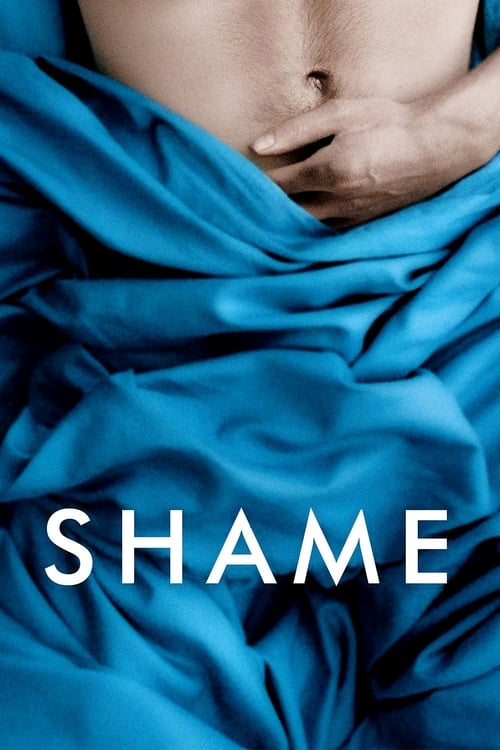
Shame2011
Fassbender's sex addict prowls a glossy, alienating London that could be Closer's aquarium and strip club extended into a whole life, with the same chilly beauty.
But There's almost no dialogue duelling here — it's a mood piece, much quieter and more interior.
Vicky Cristina Barcelona2008no page yet
Woody Allen's tangle of overlapping desires plays some of the same games with who wants whom and why, in sunnier, more forgiving light.
But It's genuinely lighter and more romantic — nobody here is trying to destroy anybody.
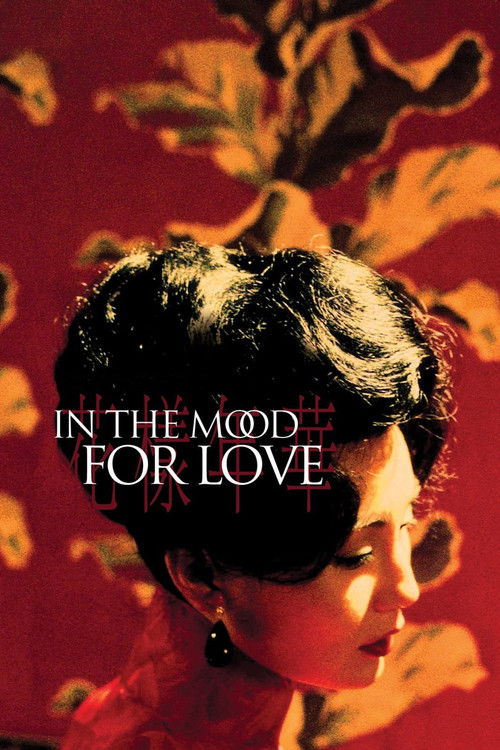
In the Mood for Love2000
Same engine — desire, infidelity, timing that never quite works — run through the opposite register: gorgeous, wordless yearning instead of Closer's cold, articulate viciousness.
Wong Kar-wai's Hong Kong classic is built on the same triangle of desire and betrayal as Closer, but nobody raises their voice — every want is expressed through silence, glances, and rain.
But If you came for Closer's cruelty and verbal knife-fights, this offers almost the opposite: aching restraint instead of confrontation.
Carnal Knowledge1971no page yet
Direct creative lineage — the same director returning, thirty years later, to the exact same battlefield of male entitlement and female survival, with a far blunter, angrier instrument.
Mike Nichols' own earlier dissection of men, women, and the lies they tell about desire is rawer, meaner, and funnier than Closer, a dry run for the same obsessions decades before.
But It's more overtly satirical and dated in its gender politics, closer to black comedy than Closer's polished tragedy.
People
Cast
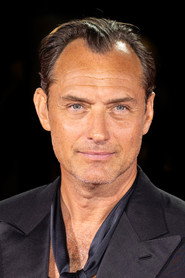 Jude LawDan
 Natalie PortmanAlice
 Julia RobertsAnna
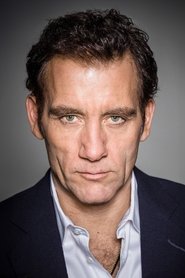 Clive OwenLarry
 Colin StintonCustoms Officer
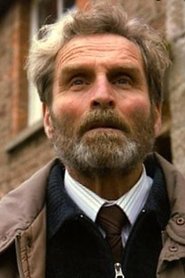 Nick HobbsTaxi Driver
- Steve BenhamCar Driver (uncredited)
 Elizabeth BowerChatty Exhibition Guest (uncredited)
- Daniel DresnerCoughing Man (uncredited)
- Rrenford Junior FaganBus Passenger (uncredited)
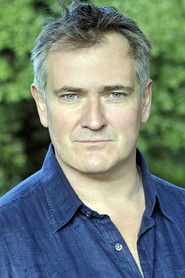 Antony GabrielLuke (uncredited)
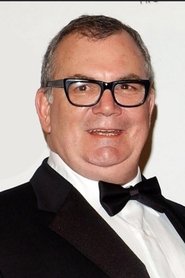 Michael HaleySmoking Man (uncredited)
Directing
- Michael HaleyAssistant Director
- Mike NicholsDirector
- Mary BaileyScript Supervisor
Writing
- Patrick MarberScreenplay
- Patrick MarberTheatre Play
Production
- Deb DyerAccountant
- Sondra JamesADR Voice Casting
- Paul A. LevinAssociate Producer
- Duncan ReidCo-Executive Producer
- Paula JalfonCo-Executive Producer
- Michael HaleyCo-Producer
- Celia D. CostasExecutive Producer
- Robert FoxExecutive Producer
- Scott RudinExecutive Producer
- Cary BrokawProducer
- John CalleyProducer
- Mike NicholsProducer
- Antoine DouaihyUnit Production Manager
- Rachel NealeUnit Production Manager
Recommended by
Who's Afraid of Virginia Woolf?, Dangerous Liaisons, La Ronde, Husbands and Wives, Unfaithful, Eyes Wide Shut, Scenes from a Marriage