
Film
Carnal Knowledge
Mike Nichols's 1971 drama follows two men through decades of sexual conquest and emotional evasion, from college to middle age. It's unflinching about male desire and its costs, mixing dark comedy with genuine discomfort. For anyone interested in how cinema captured the sexual revolution's messy reality—and what it revealed about men's inner lives.
Should you watch it?
Watch it if you like talky, unsparing comedies that dissect male vanity and romantic self-deception with a cold eye and sharp dialogue, and you don't need anyone on screen to be likable.
Skip it if you want warmth or romance on screen, since its sour take on relationships leaves little room for affection and its characters are hard to root for.
What it asks of you: A brisk ninety-eight minutes, but most of them are conversation: long dialogue-driven scenes, a deliberate pace, and a cynical tone you need to sit with patiently.
Not sure? Find tonight's pick in a minute.
If you liked this
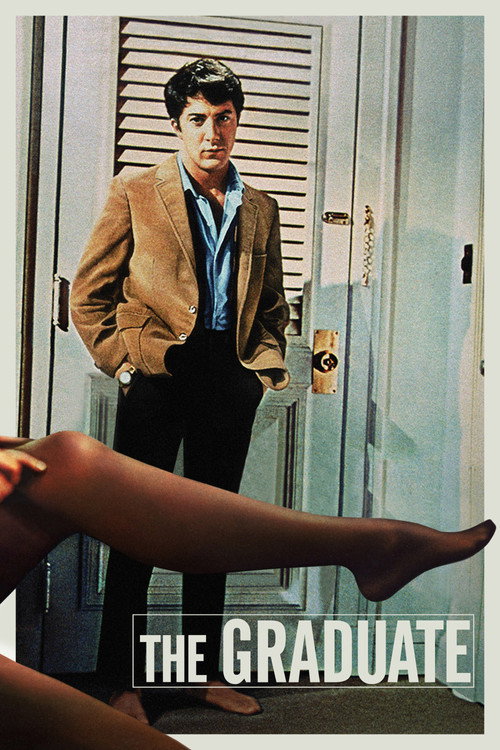
The Graduate1967
Nichols's earlier masterpiece about sexual anxiety and social expectation. Dustin Hoffman's uncertainty mirrors the unease that drives Carnal Knowledge, and Benjamin's seduction mirrors Jonathan's, only to show what happens when the thrill wears off.
But A generation has mythologized it. The famous scenes feel familiar even if you haven't seen it, which can flatten the experience.
American Beauty1999
Another portrait of male desire corroding from the inside, another film unafraid to show its protagonist's ugliness. Both trace how fantasy diverges from reality, and what men lose in that gap.
But Some of its provocations now read as deliberate and calculated. It wants you to feel uncomfortable in ways that can feel manipulative.

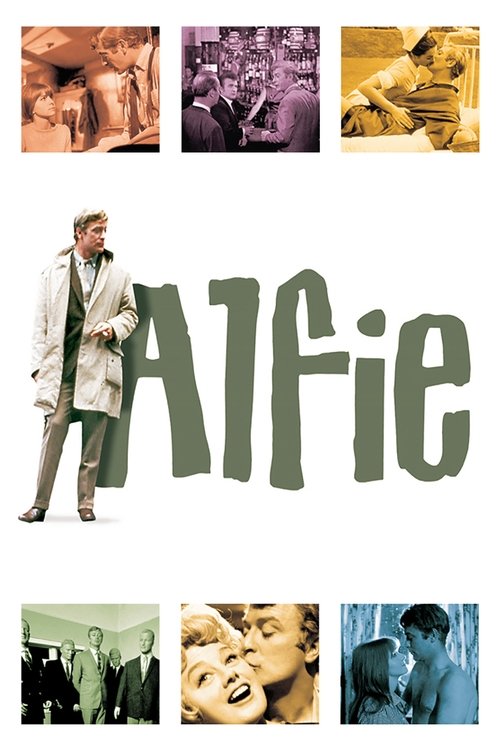
Alfie1966
Michael Caine's charming womanizer is Carnal Knowledge's closest cousin—a man aware of his own shallowness and utterly unable to change. The moral weight underneath the banter is nearly identical.
But The 1960s setting and Caine's cockney charm can make it feel lighter than it is, which obscures what it's actually saying.
Not sure tonight? Get a pick in a minute, starting from Carnal Knowledge
The wildcard
Something you would not have found on your own.
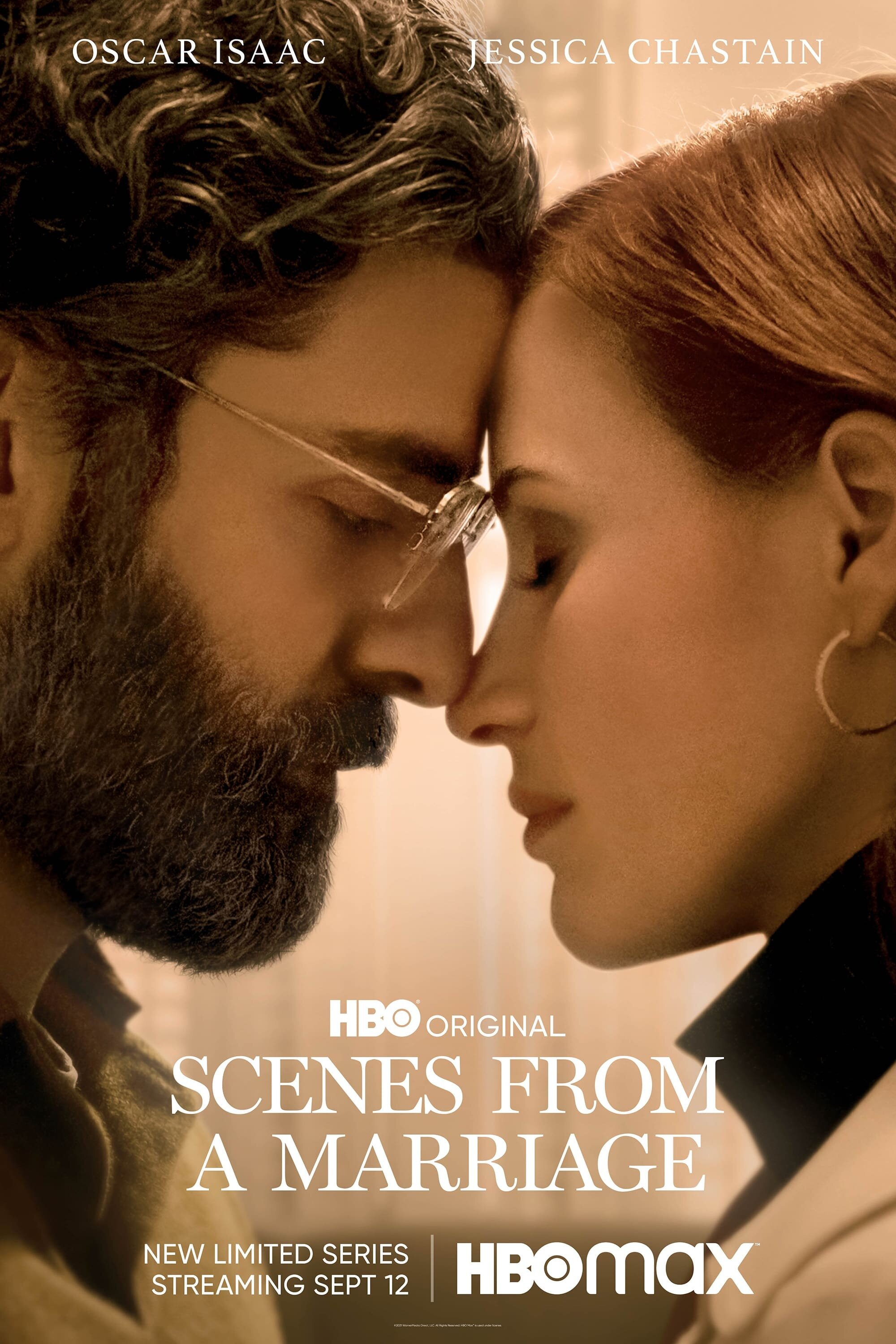
Scenes from a Marriage2021
Both films use the sexual relationship as a laboratory for what people actually want from each other, refusing to sentimentalize. Bergman just stays longer in the room.
Bergman's six-hour dissection of a relationship's architecture—desire, tenderness, cruelty, the small betrayals that corrode intimacy. It goes where Carnal Knowledge only glances: into the married life after seduction dies. Raw and hypnotic.
But It's almost entirely dialogue and faces. No plot rescue you; no music swells. If you need external momentum, it will feel static.
More like this (8)
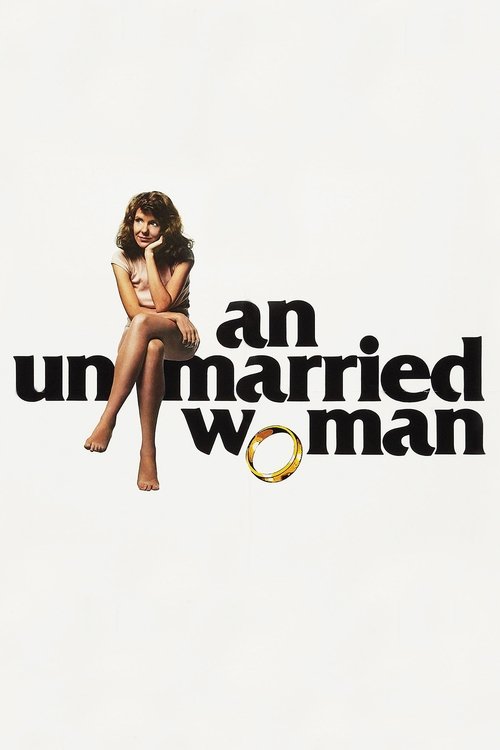
An Unmarried Woman1978
Paul Mazursky's response to the sexual revolution, told from a woman's perspective. Jill Clayburgh's discovery of desire and autonomy is the flip side of Jonathan and Sandy's arrested development.
But It's gentler and more hopeful than Carnal Knowledge, which some might find less provocative or interesting.
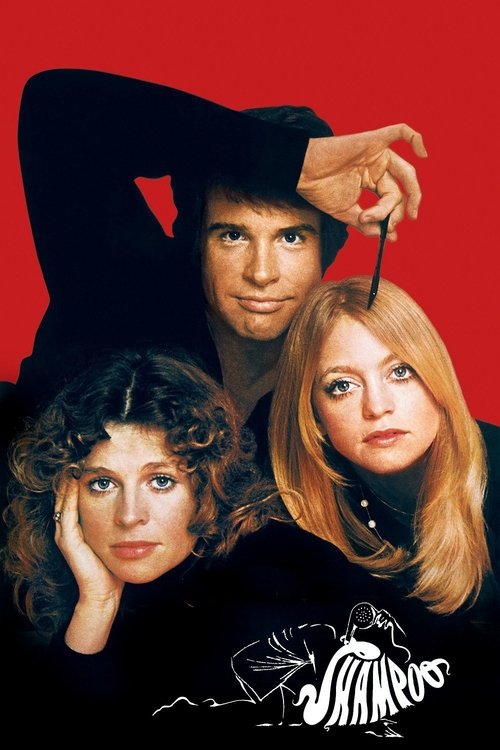
Shampoo1975
Warren Beatty as a hairdresser sleepwalking through seductions in 1970s L.A., chasing status and sex while everything meaningful slips away. The same theme, refracted through a different male type and a more satirical lens.
But The satire can overshadow the character study; it's easier to laugh at these men than to see yourself in them.
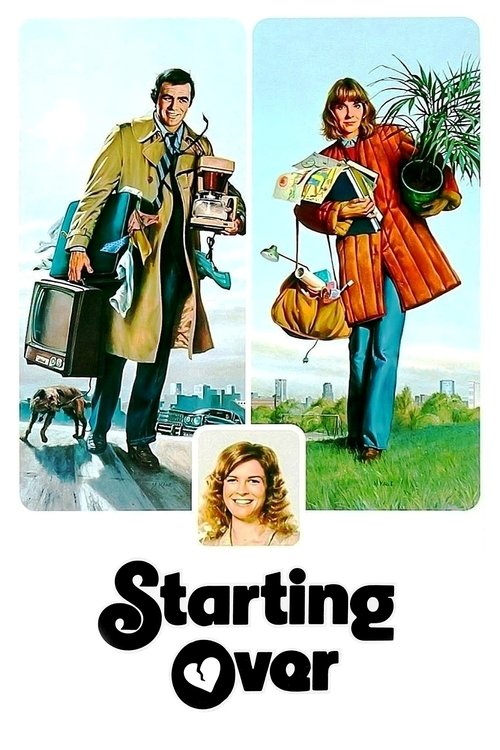
Starting Over1979
Burt Reynolds after divorce, learning to be intimate rather than acquisitive. It takes Carnal Knowledge's pessimism and asks: what if men actually changed? The answer is complicated and moving.
But It's warmer and more romantic than you might want; some will find it sentimental after the colder truth of Nichols's film.
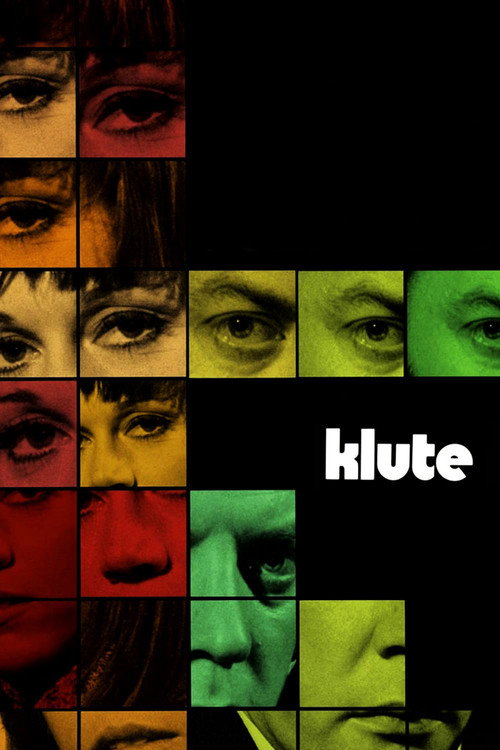
Klute1971
Released the same year, another Seventies reexamination of desire, seduction, and what people really want from each other. Jane Fonda's pragmatism cuts through Donald Sutherland's detective work in ways that echo Carnal Knowledge's moral ambiguity.
But It's a thriller first and a character study second; some scenes prioritize plot over the complexity you're after.
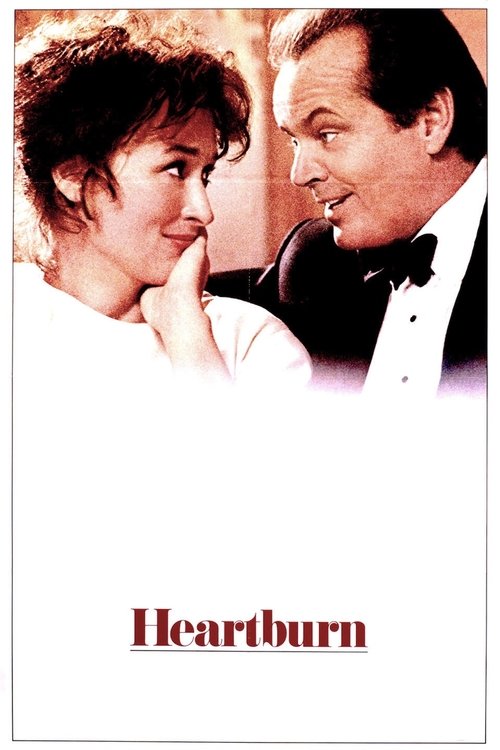
Heartburn1986
Nichols directing again, this time about infidelity from the betrayed partner's side. Meryl Streep's rage and confusion mirror the emotional aftermath that Carnal Knowledge only hints at, showing what the men's choices cost everyone.
But Some will find it too specifically a woman's revenge fantasy; the balance between comedy and pain doesn't work for everyone.
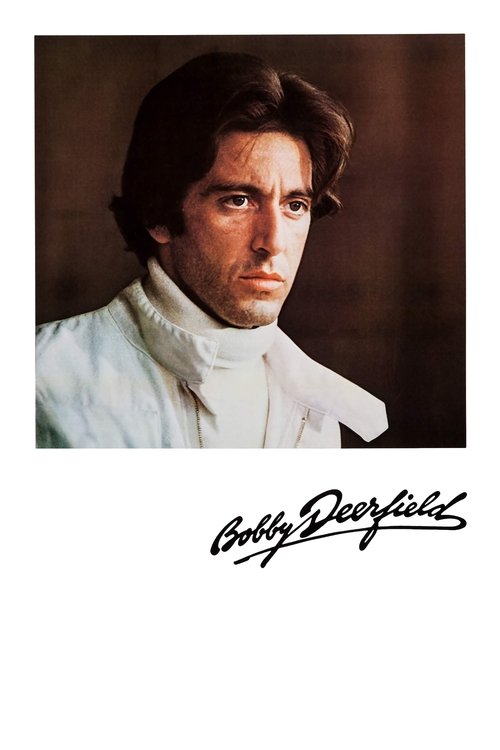
Bobby Deerfield1977
Al Pacino as a racing driver learning to feel, opposite Marthe Keller's dying woman. It's Carnal Knowledge's spiritual opposite: a man learning that sex without connection is a form of death.
But Sydney Pollack's direction can feel remote; the philosophical weight sometimes overwhelms the human specificity you need.
L'Avventura1960
Both are about the gap between what people say they want and what they actually pursue. Carnal Knowledge is American pragmatism; L'Avventura is metaphysical drift. Same wound, different language.
Antonioni's masterpiece about desire and disconnection, where a woman vanishes and two lovers use the search as an occasion for seduction. Surface and void, wandering and wanting. It's Carnal Knowledge from the opposite end of the telescope—cooler, more European, more formally radical.
But It's slow, wordless stretches punctuated by conversation. The pacing is deliberate; impatience will kill it for you.

Contempt1963
Both use the sexual relationship to explore ego and evasion. Godard is interested in the gap between cinema and life; Nichols in the gap between fantasy and person. Both gaps are about the same failure of empathy.
Godard's film about a marriage collapsing while they adapt Homer for cinema. Brigitte Bardot and Michel Piccoli navigate resentment, sexual withdrawal, and the impossibility of real communication. More formally playful than Carnal Knowledge but no less brutal.
But It's a film essay disguised as a marriage drama. If you want plot over Godard's digression and philosophy, you'll be frustrated.

People
Cast
 Jack NicholsonJonathan
 Candice BergenSusan
 Art GarfunkelSandy
 Ann-MargretBobbie
 Rita MorenoLouise
 Cynthia O'NealCindy
 Carol KaneJennifer
 Sheri JacksonMama
Directing
- Tim ZinnemannAssistant Director
- Mike NicholsDirector
- Meta RebnerScript Supervisor
Writing
- Jules FeifferWriter
Production
- Clive ReedAssociate Producer
- Joseph E. LevineExecutive Producer
- Mike NicholsProducer
- Joe L. CramerProduction Manager
- Gordon ArnellPublicist
Recommended by
The Graduate, Happiness, Closer, Five Easy Pieces, Diary of a Mad Housewife, Your Friends & Neighbors, Bob & Carol & Ted & Alice, Made For Each Other, Sunday Bloody Sunday, The Sterile Cuckoo, Play It as It Lays, The Harrad Experiment, You're a Big Boy Now, The Marriage of a Young Stockbroker, The Student Nurses, Lifeguard, The Magic Garden of Stanley Sweetheart, Portnoy's Complaint, Class, The Other Side of Midnight, My Lover, My Son