
Film
You're a Big Boy Now
A scrappy 1966 coming-of-age comedy where a sheltered library clerk stumbles into Manhattan adulthood—messy apartments, confusing romance, bewildering parents. It's Coppola's exuberant directorial debut: playful, sometimes theatrical, full of visual gags and genuine sweetness. For anyone who remembers the specific sting of young romantic foolishness.
Should you watch it?
Watch it if you love farce that treats a young man's sexual panic and parental smothering as wildly inventive comedy, with a restless, camera-happy visual style that feels like a sixties dream of New York.
Skip it if you want a tidy, linear plot; this one drifts through episodes, wanders into long set-pieces, and its frantic energy can feel more exhausting than funny for a stretch.
What it asks of you: Ninety-seven minutes of sharp, scattered chaos that rewards close attention to visual gags and loose, overlapping sequences rather than a steady narrative line to follow.
Not sure? Find tonight's pick in a minute.
If you liked this
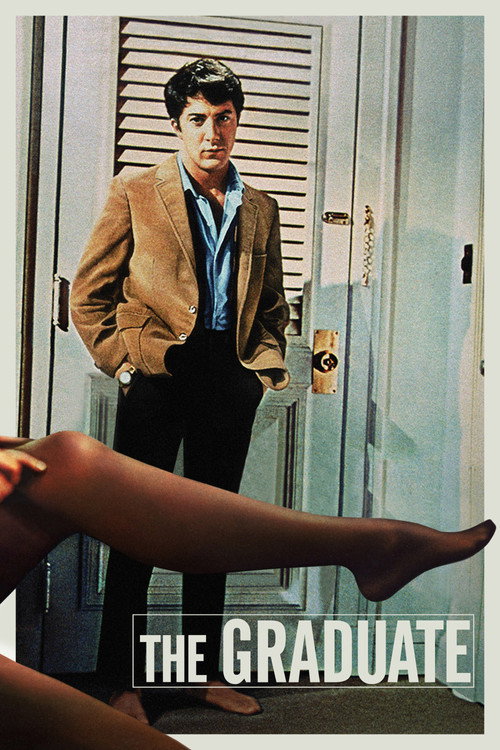
The Graduate1967
Benjamin's drift into adulthood feels similarly confused and painful, caught between worlds. Dustin Hoffman captures that same disoriented vulnerability, though his story spirals darker and more iconic.
But It's become so famous it risks feeling stale. The satire of suburban plastic conformity, while sharp, sits heavy compared to this film's lighter touch.
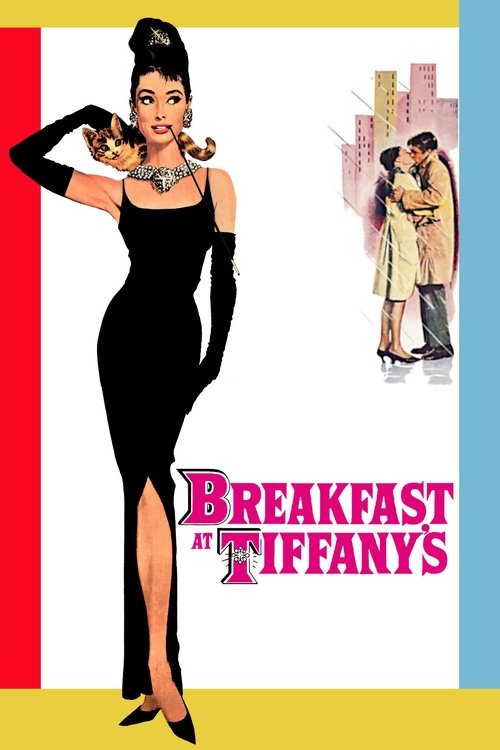
Breakfast at Tiffany's1961
Holly Golightly's Manhattan glitters with the same romantic possibility and urban chaos. Audrey Hepburn's performance is effortless grace, and it captures that intoxicating pull of the city on dreamers.
But It's a different breed of romantic comedy—more polished, more melancholy. The tone is cooler than Bernard's fumbling warmth.
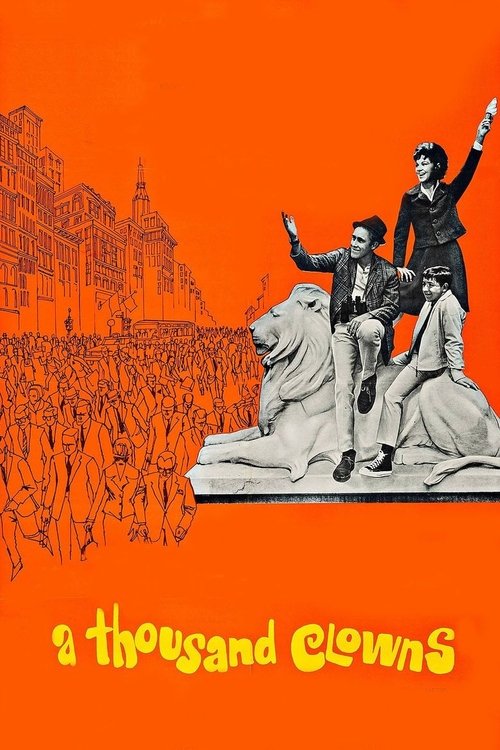
A Thousand Clowns1965
Jason Robards is a charming mess navigating love and responsibility. It shares the same scrappy New York energy and genuine heart beneath the comedy—how do you grow up without losing yourself?
But Less visually inventive. It's grounded, theatrical, and sometimes the emotion gets ahead of the laughs.
Not sure tonight? Get a pick in a minute, starting from You're a Big Boy Now
The wildcard
Something you would not have found on your own.
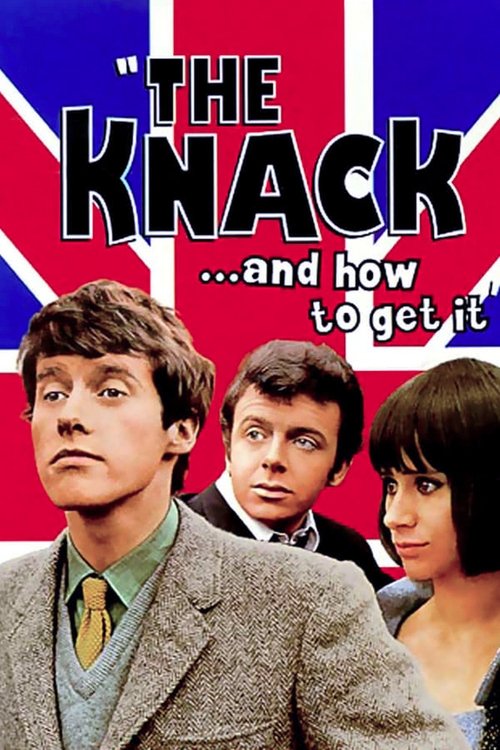
The Knack... and How to Get It1965
Both are mid-1960s debut comedies about young men's sexual confusion, told with exuberant visual invention and a willingness to let form overwhelm narrative.
Richard Lester directed this surreal London comedy about young men and sex with the same playful visual chaos—freeze-frames, breaking the fourth wall, anarchic energy. It's about fumbling toward adulthood through romance, but filtered through absolute madness.
But The humor is so experimental it can feel alienating. The plot dissolves into pure style; if you need story clarity, this will frustrate you.
More like this (8)
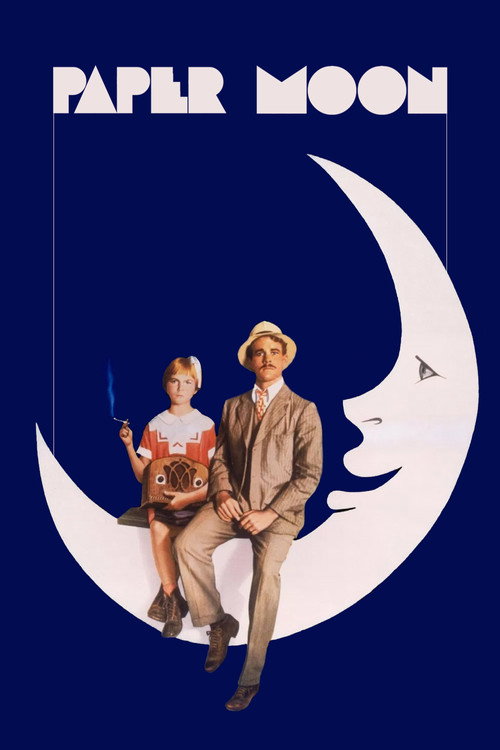
Paper Moon1973
Same era sensibility about messy parenthood and learning to fend for yourself. Ryan O'Neal and Tatum's con-artist journey has real tenderness under the schemes, and it's beautifully shot in black and white.
But Depression-era setting means it's quieter and sadder. Less urban chaos, more open road and long cons.
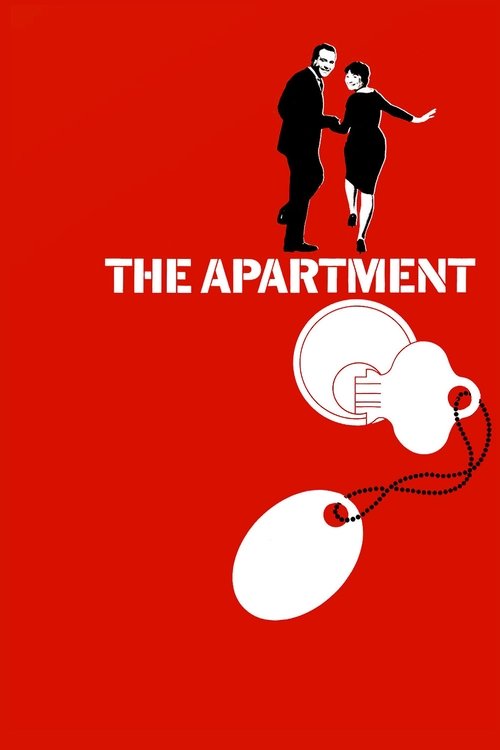
The Apartment1960
Jack Lemmon's everyman learns hard truths about ambition, romance, and decency in the city. Like Bernard, he's pushed around by circumstance but finds his footing through kindness and honesty.
But It's more grown-up and cynical about corporate life. The comedy is drier; the heartbreak feels weightier.
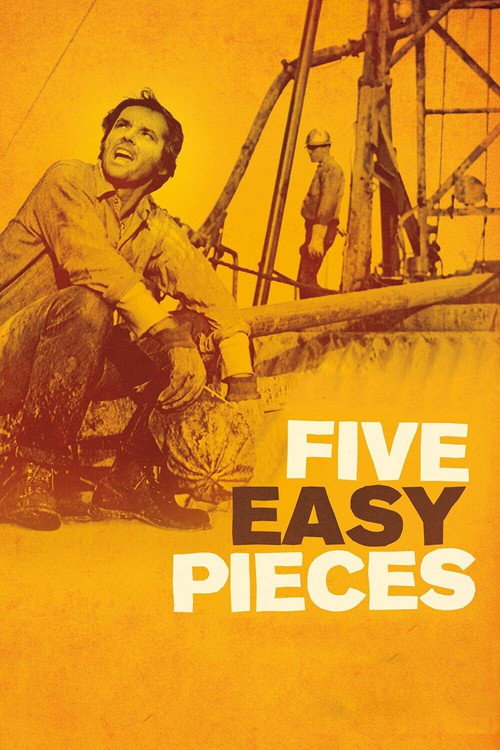
Five Easy Pieces1970
Jack Nicholson as a drifter navigating family, desire, and his own restlessness. It has that same thread of a young man caught between worlds, trying to figure out who he actually is.
But Much darker and more sexually fraught. The comedy is bleak; there's little warmth or lightness to balance the alienation.
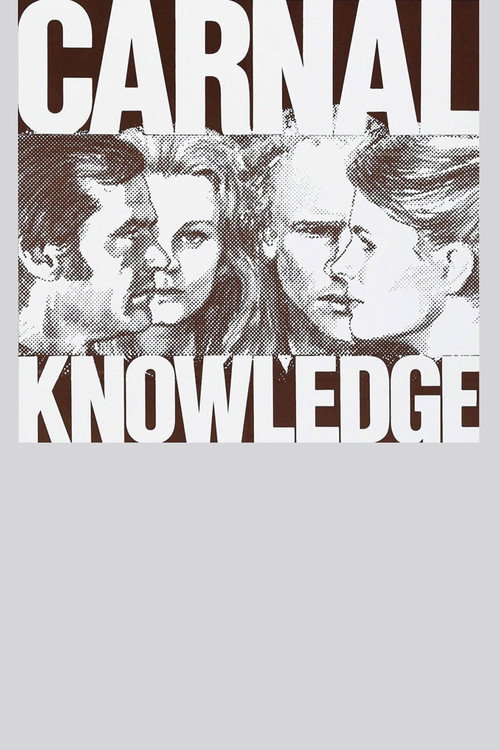
Carnal Knowledge1971
Jack Nicholson and Art Garfunkel trace the failures of love and sex across decades. It's a frank, unflinching look at how romantic naïveté curdles into something harder.
But It's a bitter pill—genuinely unpleasant by design. No sweetness or redemption, just the slow erosion of hope.
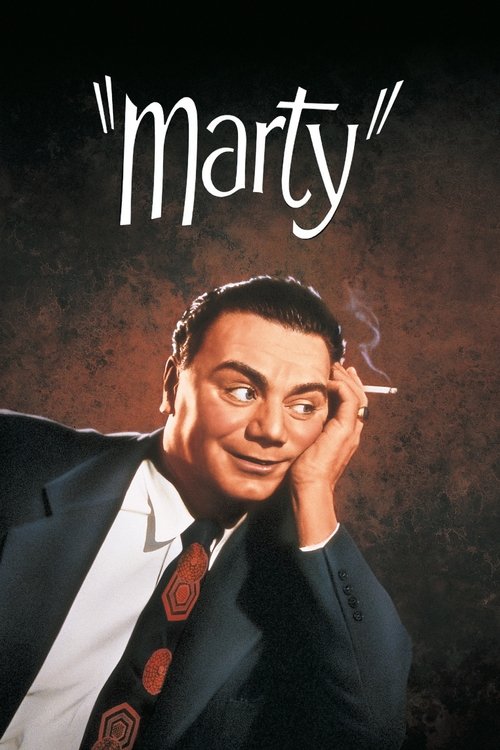
Marty1955
Ernest Borgnine as a butcher who finds unexpected love. It's tender and unglamorous, about how regular people stumble toward connection despite doubt and family pressure.
But It's in black and white and moves slowly. The emotional stakes are quieter; there's less comedy and visual exuberance.
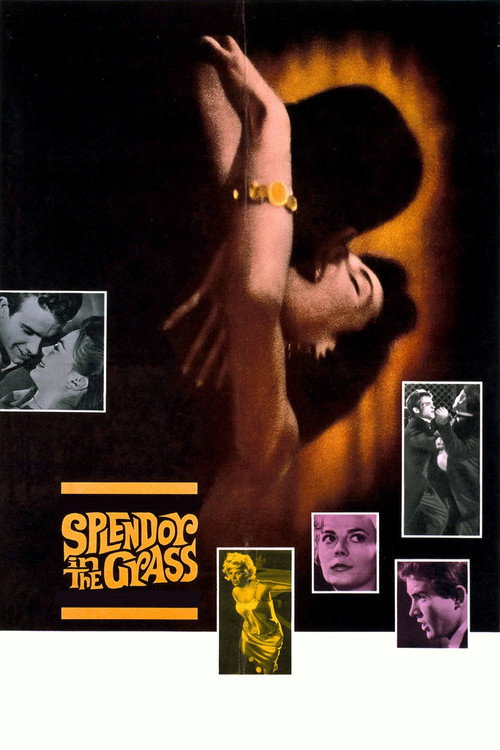
Splendor in the Grass1961
Warren Beatty and Natalie Wood's doomed teenage romance captures the intensity and blindness of first love. It's melodramatic but sincere about desire and the damage it can do.
But It's heavy. The tone veers toward tragedy; there's little humor and the romance ends badly.
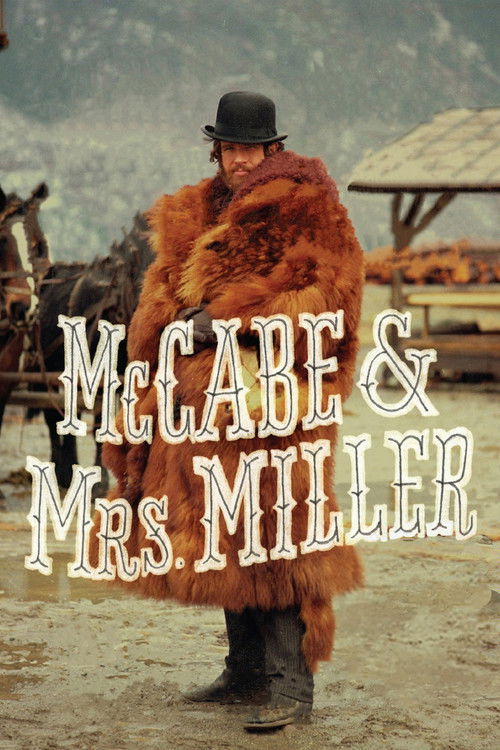
McCabe & Mrs. Miller1971
Both interrogate how young men actually grow up: through failure, kindness, and the discovery that the world doesn't revolve around your desires. Both are warm about human confusion.
Robert Altman's revisionist Western strips away romance entirely—Warren Beatty as a drifter fumbling into adulthood and partnership in a muddy frontier town. It's about learning to survive, not conquering the world. The texture is grimy and beautiful; the comedy sneaks up on you.
But It's deliberately anti-mythic and unglamorous. The Western conventions you might expect are deliberately undermined; it takes patience.
Moonlight2016
Both follow a young man's education in love and desire. Both find beauty in vulnerability and moments of unexpected kindness. Both suggest that becoming an adult means learning to receive tenderness, not just chase glamour.
Barry Jenkins' three-part meditation on a boy becoming a man in Miami—intimate, sensual, achingly quiet. It traces what Bernard learns quickly; Chiron learns it across a lifetime. The growth is internal, invisible, real.
But It's the opposite of exuberant—almost wordless, visual and emotional rather than verbal. Some will find the slowness alienating.

People
Cast
 Elizabeth HartmanBarbara Darling
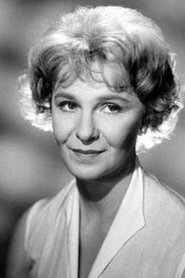 Geraldine PageMargery Chanticleer
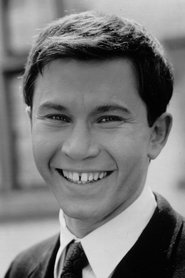 Peter KastnerBernard Chanticleer
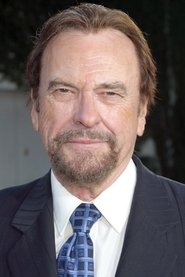 Rip TornI.H. Chanticleer
 Michael DunnRichard Mudd
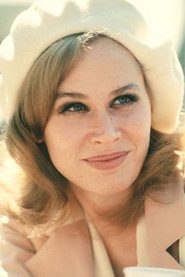 Karen BlackAmy Partlett
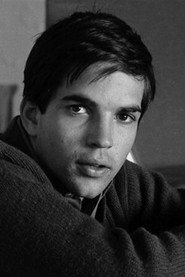 Tony BillRaef del Grado
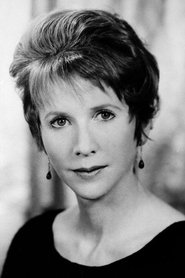 Julie HarrisMiss Nora Thing
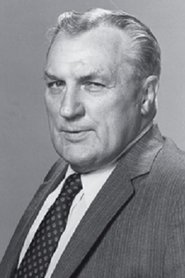 Dolph SweetPatrolman Francis Graf
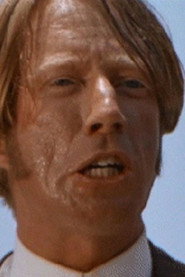 Michael O'SullivanKurt Dougherty
- Ronald ColbyBarbara's Stage Play Crew
- Rufus HarleyBarbara's Stage Play Crew
Directing
- Larry SturhahnAssistant Director
- Francis Ford CoppolaDirector
- B.J. BjorkmanScript Supervisor
Writing
- David BenedictusNovel
- Francis Ford CoppolaWriter
Production
- Bernie StylesCasting
- Phil FeldmanProducer
- David GoldenProduction Manager