
Film
Paper Moon
Shot in silvery black-and-white years after color had won, Peter Bogdanovich's Depression-era caper is deceptively small: a two-hander between a smooth-talking swindler and the sharp-tongued girl who may or may not be his daughter. Funny, briefly heartbreaking, and never sentimental about the era or the people scraping through it — a tender con job of a movie, built on real chemistry between the O'Neals.
If you liked this
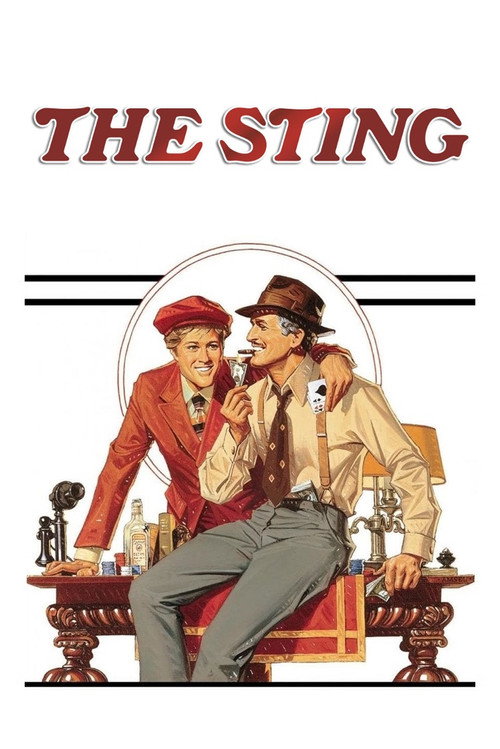
The Sting1973
Same year, same Depression-tinted America, same pleasure in watching people con each other with real style. Newman and Redford's elaborate hustle is glossier than Moses Pray's small-time grifting, but the affection for the con is identical.
But It's a much bigger, slicker production — you trade the intimacy of Paper Moon's two-hander for a sprawling ensemble heist.
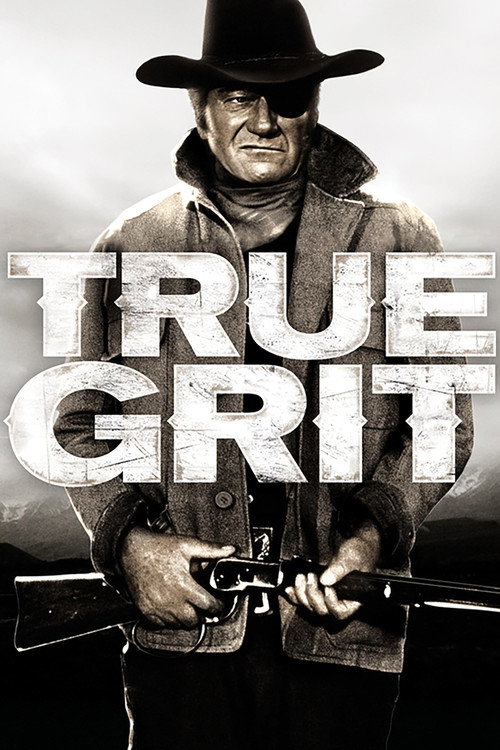
True Grit1969
A gruff, reluctant adult and a girl far tougher than her age suggests, trekking through a hostile American landscape. Swap con games for gunfights and you've got the same odd-couple backbone.
But It's a straight Western with real violence and grief, not a comedy — the tone runs much harder-edged throughout.
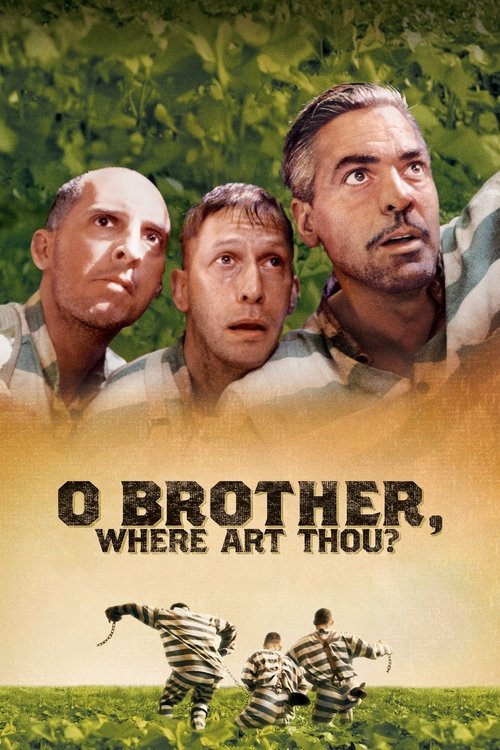
O Brother, Where Art Thou?2000
The Coens' Depression-era road movie shares the dust, the desperation, and the sly comic rhythm of small-time schemers talking their way out of trouble across the rural South.
But It's looser and more episodic, with musical interludes and mythic detours that Paper Moon's tight two-hander never bothers with.
The wildcard
Something you would not have found on your own.
Little Miss Marker1934no page yet
This is the prototype: a hardened gambler saddled with a young girl left as collateral on a bet, and the softening that follows. Paper Moon's whole shape — cynical adult, canny kid, begrudging tenderness — was already here four decades earlier.
Shirley Temple at her sharpest, paired with a career gambler who has no business raising anyone, in a Runyon-esque comedy that invented the beat Paper Moon later perfected.
But It's a creaky 1934 production with the stagey acting and abrupt tonal shifts of the era — patience required.
More like this (8)
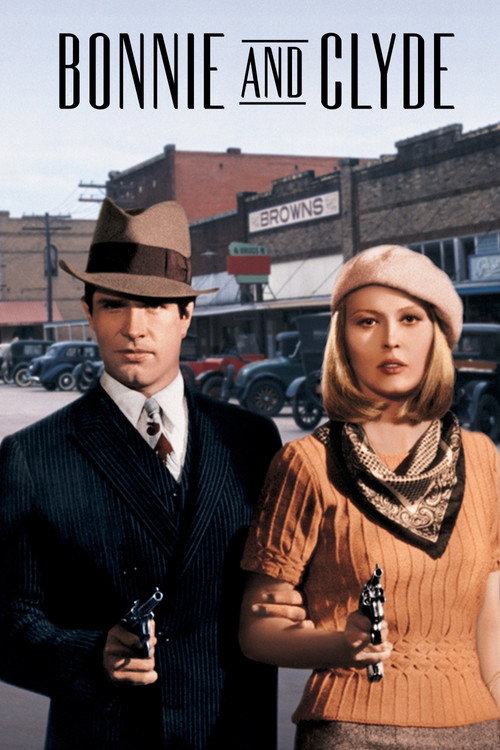
Bonnie and Clyde1967
Another Depression-era duo living off other people's money and each other's company, though this one trades charm for bullets. Same dust, same desperation, a much darker ending.
But It's a genuine crime tragedy, not a comedy — the violence is real and the ending offers no mercy.
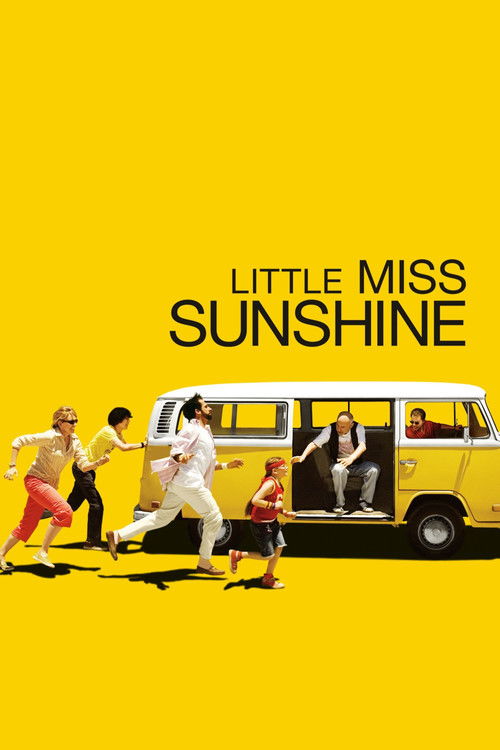
Little Miss Sunshine2006
A cramped car, a dysfunctional makeshift family, and a road trip that keeps threatening to fall apart — the comic warmth between mismatched people is a close cousin to Addie and Moses.
But It's an ensemble film with a much bigger, noisier cast — you lose the quiet two-person focus.
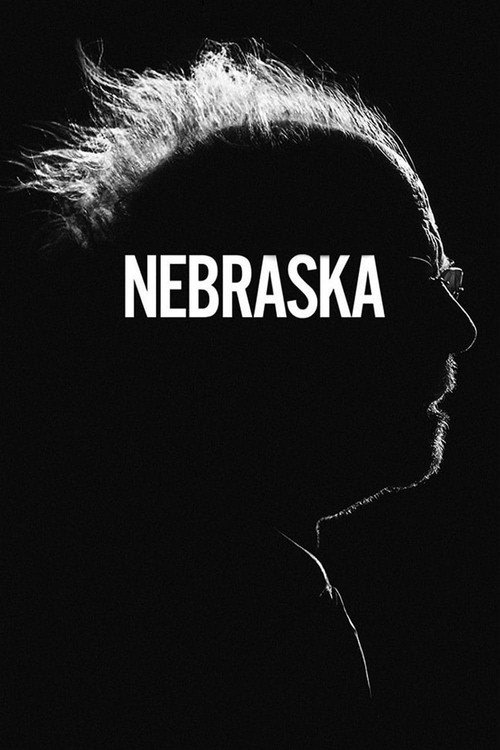
Nebraska2013
Alexander Payne's black-and-white road trip pairs a stubborn old man with an exasperated son, mining the same vein of deadpan comedy and unexpected tenderness across a fading American landscape.
But It's slower and more melancholic, with far less plot momentum than Paper Moon's brisk con-job structure.
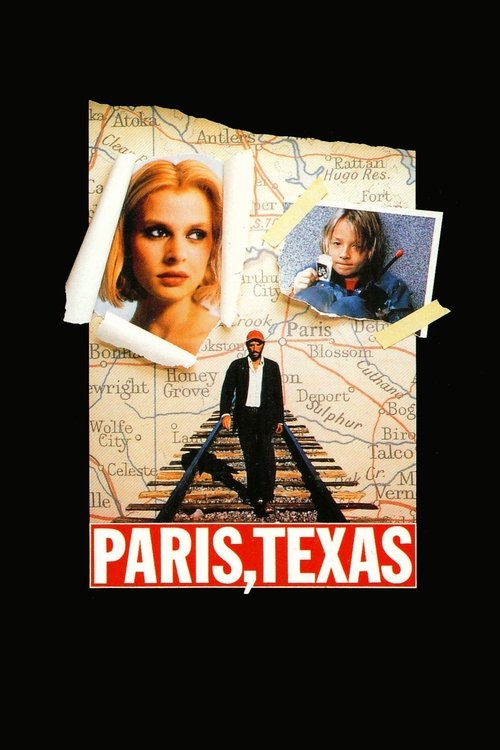
Paris, Texas1984
A parent who may not deserve the child in his care, an American landscape shot with real affection, and a bond that has to be earned rather than assumed — much slower, much sadder.
But It's a meditative, nearly wordless drama for long stretches — nothing like Paper Moon's rapid comic patter.
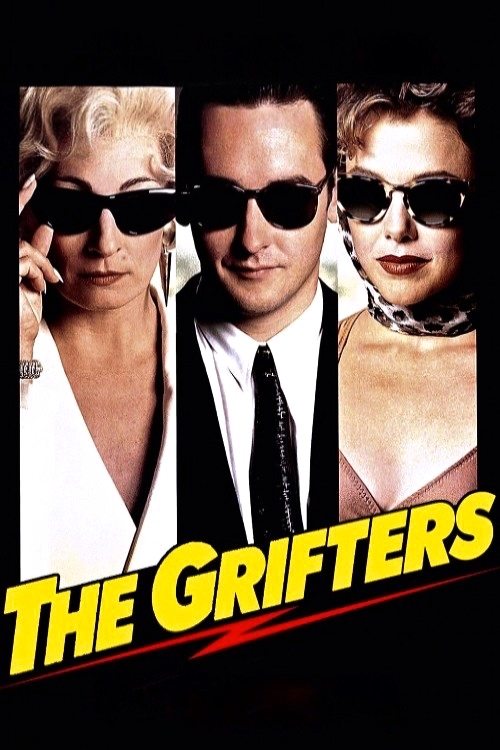
The Grifters1990
The darker cousin of Moses Pray: a look at what con artistry does to families once nobody's playing it for laughs. Same world, considerably crueler stakes.
But It's a genuinely bleak noir about people using each other badly — none of Paper Moon's warmth survives the trip.
Catch Me If You Can2002
A charming young con man running scams across America with real style — the closest mainstream cousin to Moses Pray's talent for talking his way into anyone's wallet.
But It's glossier and more romantic about its criminal, with a bigger-budget sheen Paper Moon never wanted.

Kikujiro1999no page yet
Take Moses and Addie's arrangement, move it to modern Japan, and hand it to Takeshi Kitano: a foul-mouthed ex-yakuza forced to escort a lonely boy across the country. Same reluctant-guardian engine, wildly different cultural register and rhythm.
Kitano's deadpan comic timing curdles into real sadness by the end — a summer road trip that earns its tenderness the hard way, without ever admitting it's trying to.
But It's slower and stranger than Western road comedies, with long wordless stretches and a structure that resists easy sentiment.
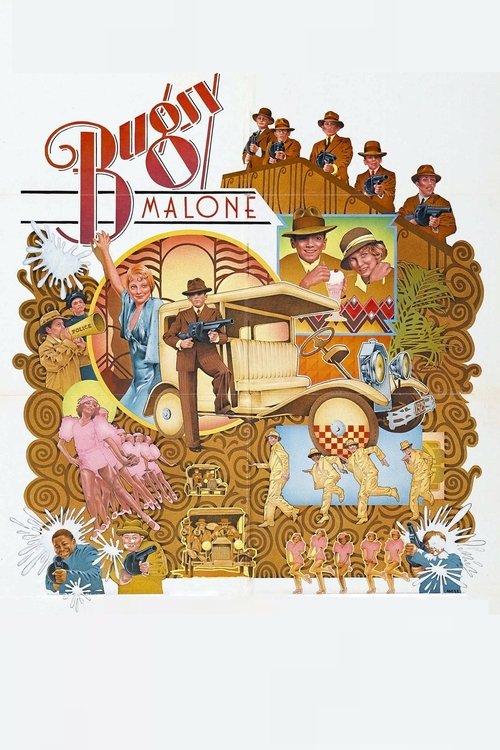
Bugsy Malone1976
Same Prohibition-era American underworld Paper Moon mines for pathos, restaged entirely with child actors, splurge guns instead of bullets, musical numbers instead of grift. A gleeful, deliberate flip of the register — camp instead of melancholy.
A genuinely strange, joyful oddity: gangster tropes performed entirely by children in a full-blown musical, played dead straight. It shouldn't work and somehow does.
But It's aggressively silly and dated in ways some viewers find charming and others find grating — a real tonal gear change.
People
Cast
 Tatum O'NealAddie Loggins
 Ryan O'NealMoses Pray
 Madeline KahnTrixie Delight
 John HillermanDeputy Hardin / Jess Hardin
 Jessie Lee FultonMiss Ollie
 Noble WillinghamMr. Robertson
 Randy QuaidLeroy
 P.J. JohnsonImogene
 James N. HarrellThe Minister
 Burton GilliamFloyd
 Hugh Gillin2nd Deputy
- Desmond DhoogeCotton Candy Man
Directing
- Ray Gosnell Jr.Assistant Director
- Gary DaiglerAssistant Director Trainee
- Peter BogdanovichDirector
- Karen Hale WookeyScript Supervisor
- Jerry BallewSecond Assistant Director
Writing
- Joe David BrownNovel
- Alvin SargentScreenplay
Production
- Frank MarshallAssociate Producer
- Gary ChasonCasting Director
- Peter BogdanovichProducer
- Ralph M. LeoProduction Accountant
- Selma BrownProduction Secretary
Recommended by
The Mandalorian, Catch Me If You Can, The Music Man, Mob Psycho 100, The Last of Us, The Sting, The Kid, Léon: The Professional, True Grit, Moonrise Kingdom, The Journey of Natty Gann, The Illusionist, Elmer Gantry, The Florida Project, The Last Picture Show, Bugsy Malone, Little Miss Sunshine, Mrs. Doubtfire, Shoplifters, O Brother, Where Art Thou?, Despicable Me, Ida, News of the World, They Live by Night, Central Station