
Film
The Last Picture Show
Peter Bogdanovich's black-and-white elegy for a Texas town watches its last teenagers grow up as the local picture show, and the world that supported it, quietly closes. Funny, cruel, and unbearably tender by turns, it's less about plot than atmosphere — dust, boredom, sex, and the slow realisation that nothing here is going to last. For anyone who loves American melancholy done with real craft, not just nostalgia.
If you liked this
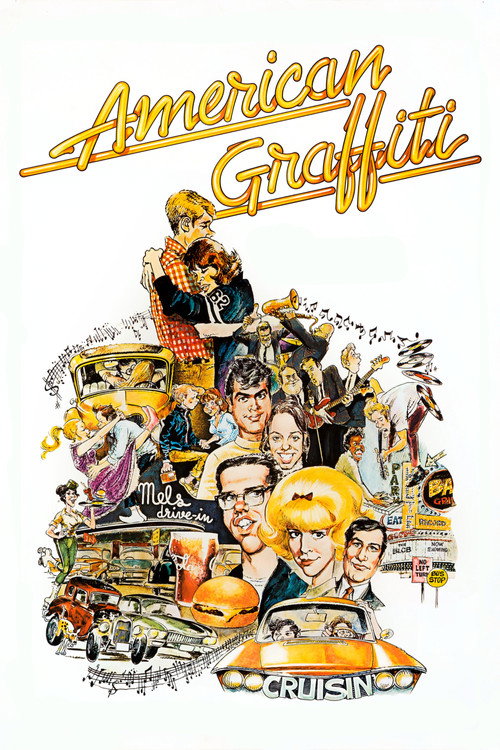
American Graffiti1973
George Lucas's own valentine to a vanishing small-town adolescence, cruising strip and all — funnier, faster, but aching with the same knowledge that this particular night, this particular town, is already becoming the past.
But It's warmer and slicker than Bogdanovich's film, with none of the same sting — more nostalgia, less reckoning.
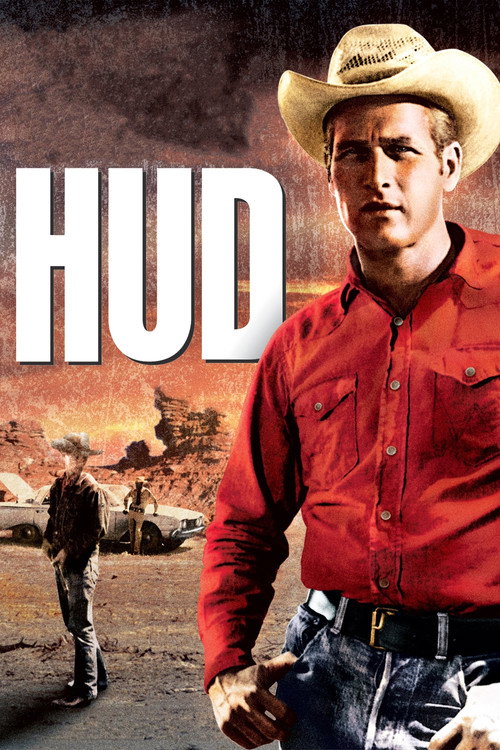
Hud1963
The same dusty Texas, the same McMurtry-adjacent moral rot, years earlier — Paul Newman as a charming bastard who makes you understand exactly why nobody in this town can leave or forgive him.
But Glossier black-and-white studio polish and a starrier lead make it feel less lived-in, more classical Western melodrama.
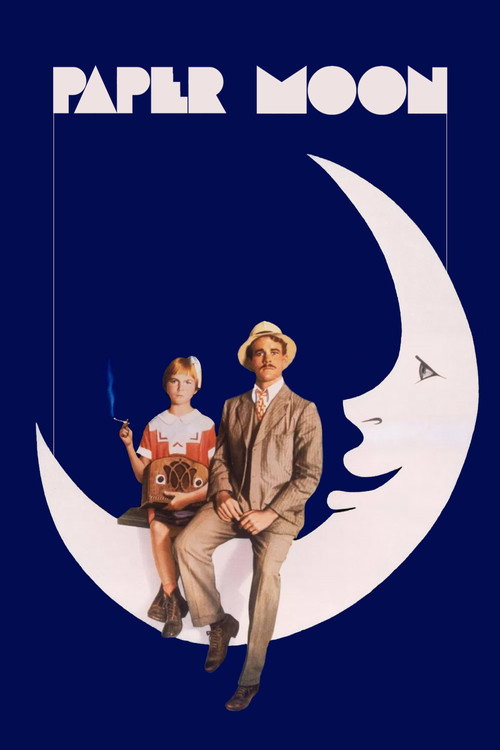
Paper Moon1973
Bogdanovich again, dust-bowl black-and-white again, but lighter on its feet — a con-man and a girl who might be his daughter, drifting through a Depression-era landscape just as empty and beautiful.
But It's a road movie with jokes, not a town-bound elegy — charm instead of grief.
The wildcard
Something you would not have found on your own.
Cinema Paradiso1988
Both are elegies for a small town's last picture show as the symbol of a vanishing communal world — one plays it bleak and dry, the other plays it as a tearful love letter.
An Italian boy's love affair with his village's one cinema, and the day it finally closes — the mirror image of Bogdanovich's story, told with tears and warmth instead of dust and irony.
But Openly sentimental and swelling with Morricone's score — if you found the American film's coldness bracing, this will feel almost too soft.

More like this (8)
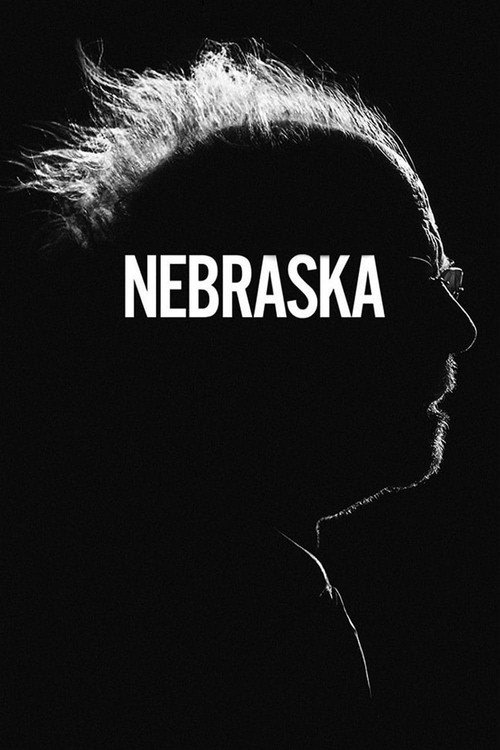
Nebraska2013
Alexander Payne shoots modern small-town America in black and white too, and finds the same dead-end porches, the same men who never left, the same quiet comedy in failure.
But Deadpan and drier — more shrugging humour than heartbreak, and set decades later with none of the period ache.
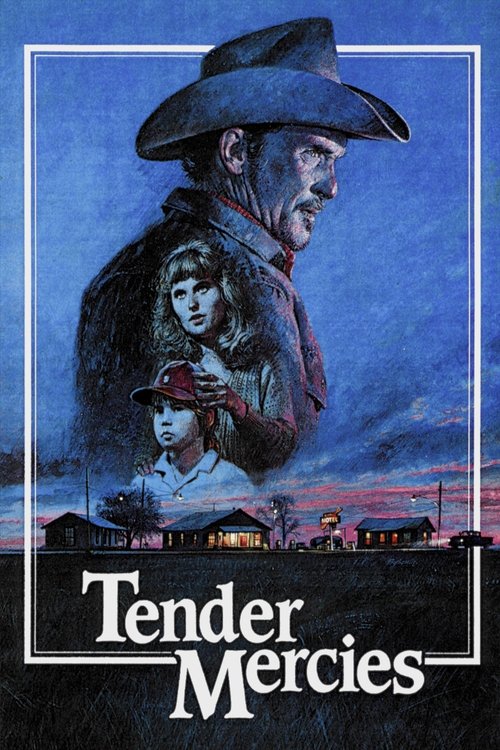
Tender Mercies1983
Robert Duvall, a washed-up country singer, a flat Texas motel — the same unglamorous plainness, the same sense that redemption here is small and hard-won rather than dramatic.
But Gentler and more hopeful; it wants you to believe people can actually get better, which this isn't really about.
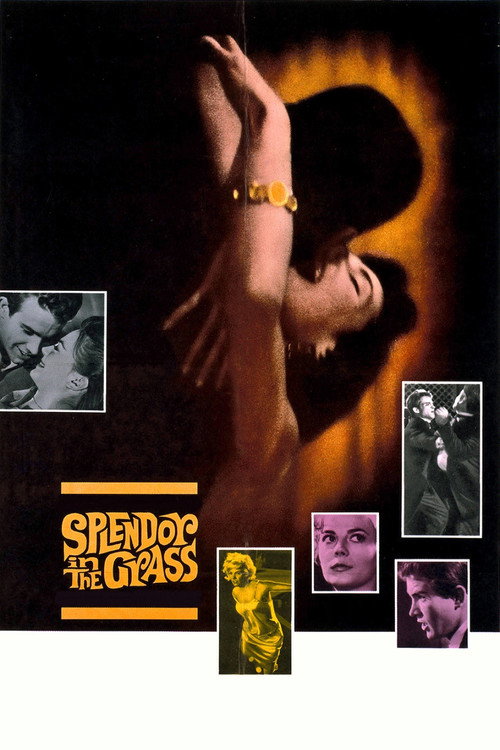
Splendor in the Grass1961
Natalie Wood and Warren Beatty, young desire crushed flat by a small town's rules — the same collision of sex, repression, and a place too small to hold anyone's future.
But More overtly melodramatic and moralising, with a Kansas prairie earnestness instead of Texas irony.
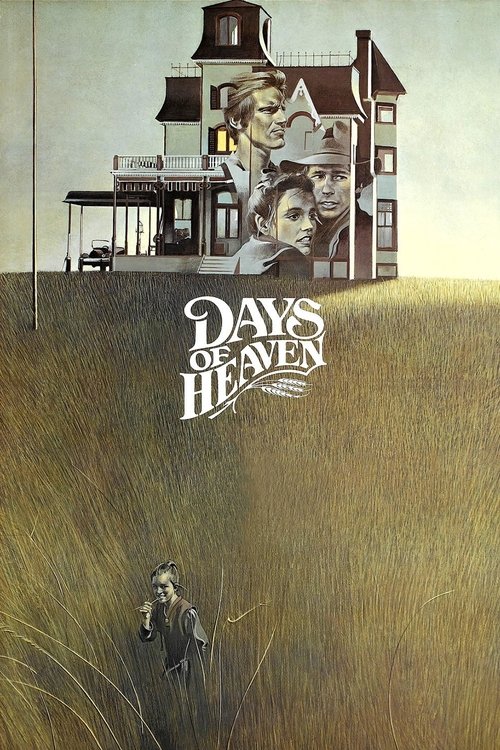
Days of Heaven1978
Terrence Malick's Texas panhandle is gorgeous rather than grim, but it shares that same feeling of vast, indifferent land swallowing small human lives whole.
But Almost wordless and painterly — if you want story and dialogue over mood and light, this will frustrate you.
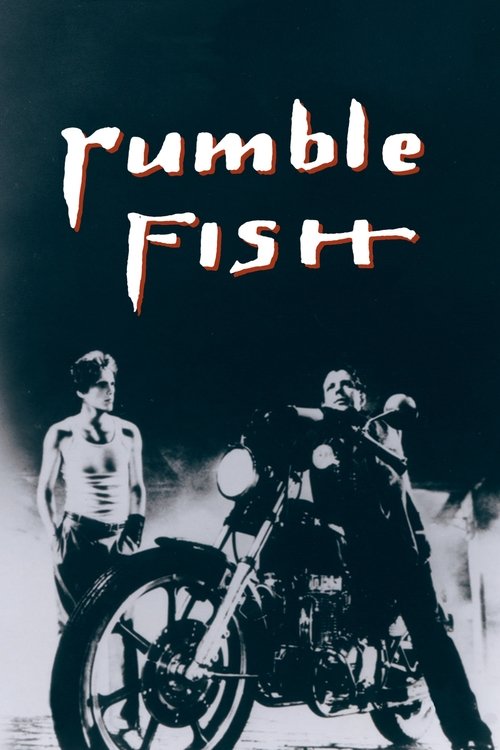
Rumble Fish1983
Coppola's black-and-white teenage wasteland, all switchblades and doomed older brothers, has the same sense of boys performing manhood in a town with nothing left for them.
But Stylised and dreamlike where Bogdanovich is plain — closer to a fever than a memory.
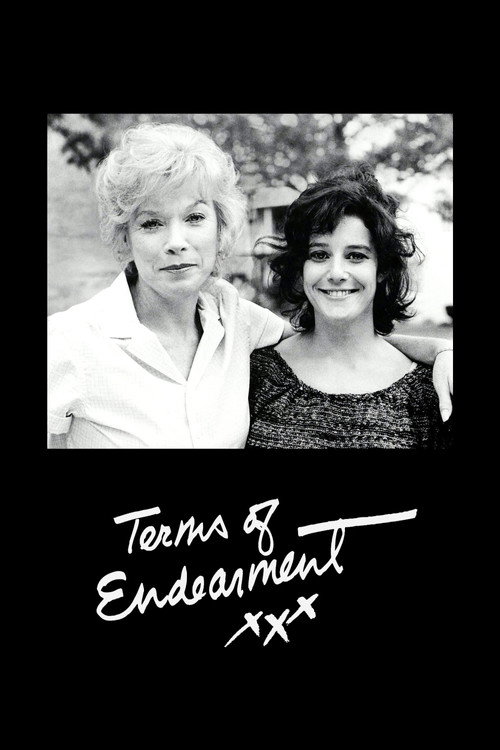
Terms of Endearment1983
Another McMurtry story, decades on, trading the dying town for a Houston mother-daughter relationship — same bruising honesty about ordinary lives, wrapped in more conventional Hollywood shape.
But It's a tearjerker with movie-star gloss; the rawness of the earlier film gets smoothed considerably.
Lonesome Dove
Same author, same unromantic vision of Texas manhood and mortality, just blown up from one dying town to an entire vanishing frontier.
Larry McMurtry wrote both, and this epic Western miniseries takes the same unsentimental eye for Texas men and their failures and stretches it across a whole cattle drive and a whole life.
But It's six hours long, made for television, and trades intimate melancholy for sprawling adventure — a totally different appetite.
Kings Row1942no page yet
It's an ancestor: the same everybody's-business-is-everybody's-business small-town drama, done as glossy 1940s melodrama instead of stripped-down New Hollywood realism.
A Hollywood studio melodrama from decades earlier about the secrets, cruelties and quiet desperations of one small American town — the genre Bogdanovich was quietly rewriting without the gloss.
But Old-fashioned in every way — swelling orchestral score, moral certainties, and a studio sheen a million miles from 1971's naturalism.
People
Cast
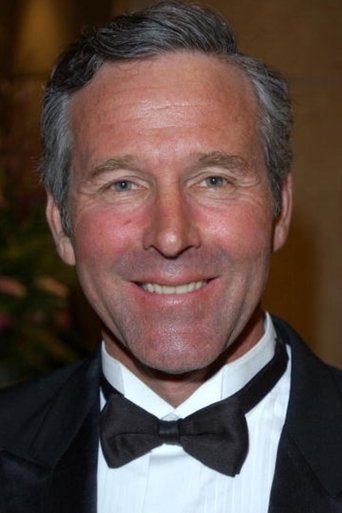 Timothy BottomsSonny Crawford
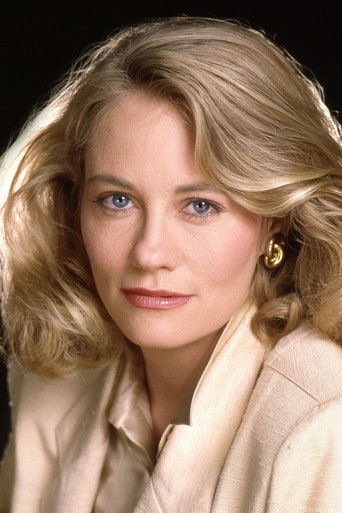 Cybill ShepherdJacy Farrow
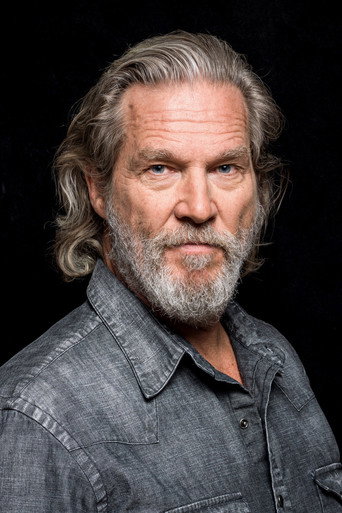 Jeff BridgesDuane Jackson
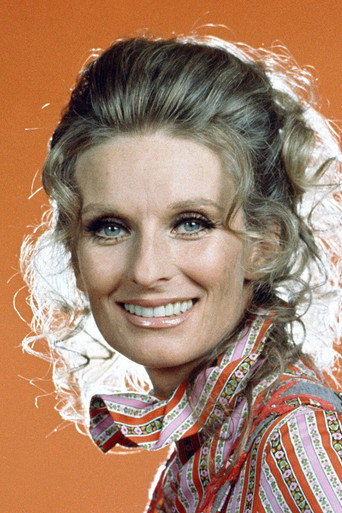 Cloris LeachmanRuth Popper
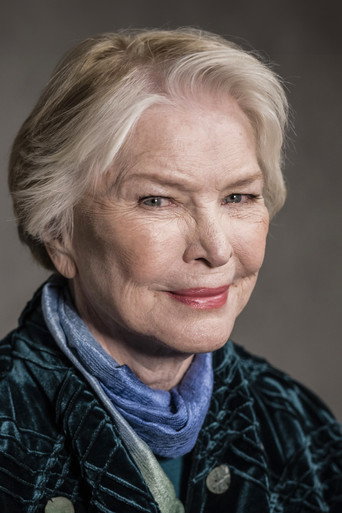 Ellen BurstynLois Farrow
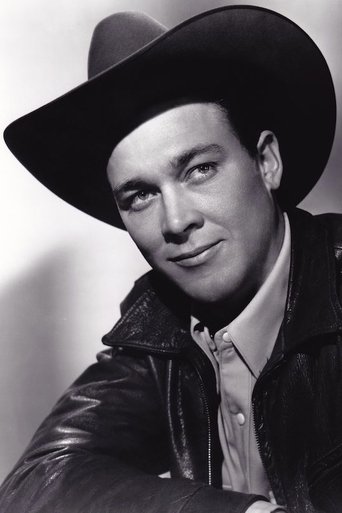 Ben JohnsonSam the Lion
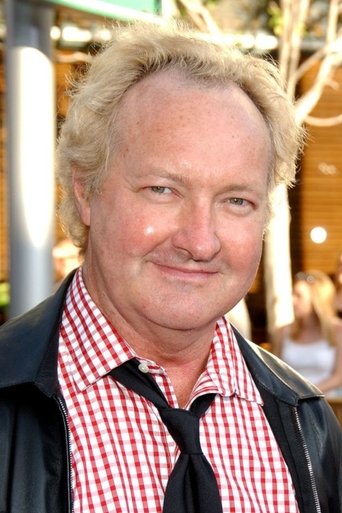 Randy QuaidLester Marlow
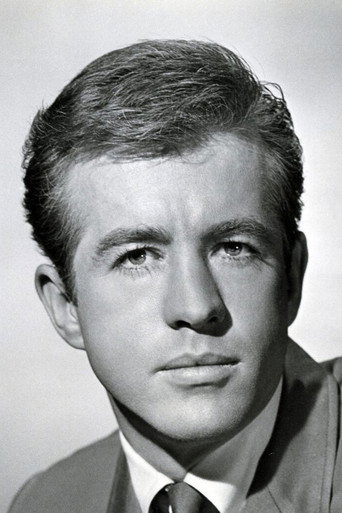 Clu GulagerAbilene
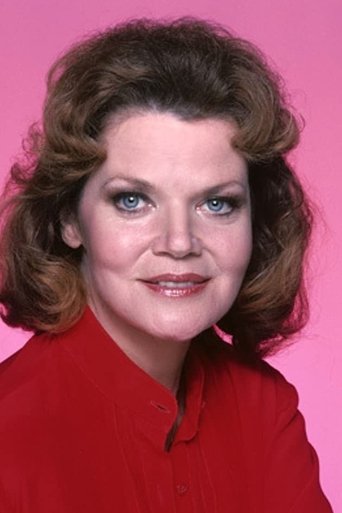 Eileen BrennanGenevieve
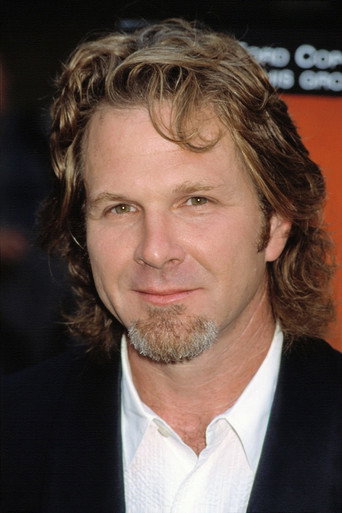 Sam BottomsBilly
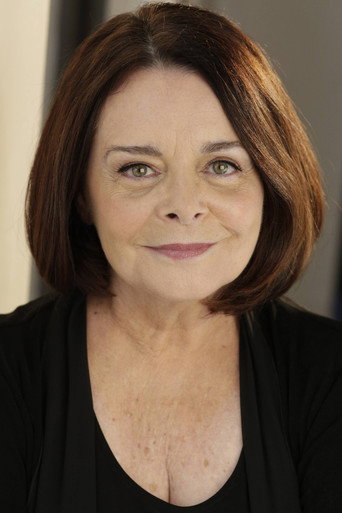 Sharon UllrickCharlene Duggs
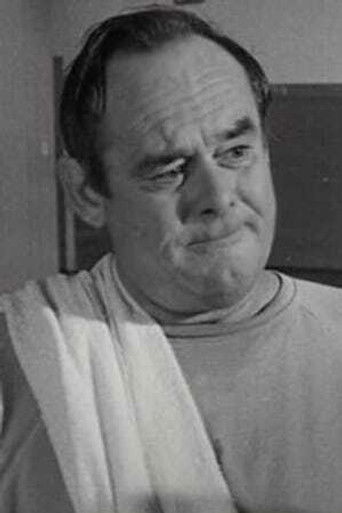 Bill ThurmanCoach Popper
Directing
- Robert RubinAssistant Director
- Peter BogdanovichDirector
- Marshall SchlomScript Supervisor
- William A. MorrisonSecond Assistant Director
Writing
- Larry McMurtryNovel
- Larry McMurtryScreenplay
- Peter BogdanovichScreenplay
Production
- Harold SchneiderAssociate Producer
- Ross BrownCasting
- Bert SchneiderExecutive Producer
- Frank MarshallLocation Manager
- Bob RafelsonProducer
- Stephen J. FriedmanProducer
- Mae WoodsProduction Assistant
- Marilyn La SalandraProduction Coordinator
- Elly MitchellProduction Secretary
- Don GuestUnit Production Manager
Recommended by
Easy Rider, Friday Night Lights, American Graffiti, Hud, You Can Count on Me, Fast Times at Ridgemont High, Splendor in the Grass