
Film
American Graffiti
George Lucas's snapshot of small-town California on the last night before adulthood swallows everyone whole. Cruising the strip, radio dial fixed to Wolfman Jack, four friends drift toward futures they can't quite picture. It's plotless in the best way—music and neon standing in for narrative, nostalgia thick as fog. Funny, wistful, built for anyone who's ever driven in circles putting off the inevitable.
If you liked this
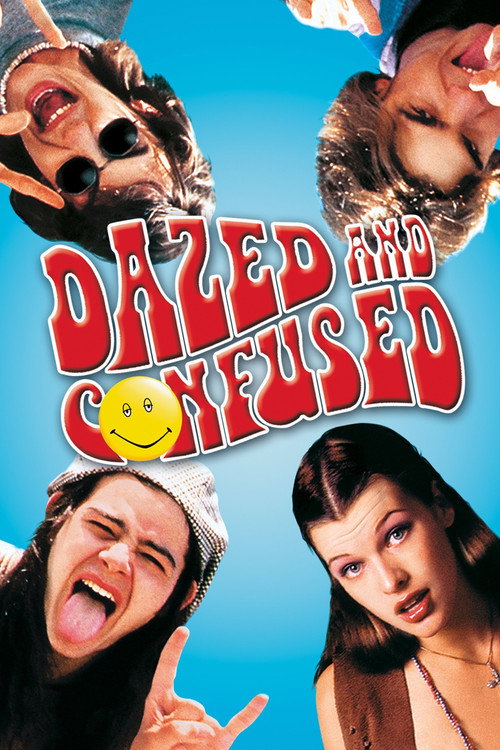
Dazed and Confused1993
Richard Linklater's own last-night-before-everything-changes odyssey, swapping Lucas's fifties nostalgia for seventies haze but keeping the same wandering, music-drenched structure, aimless cruising, and a cast stuffed with soon-to-be-famous faces.
But If you found American Graffiti's aimlessness charming, more aimlessness might test your patience—the plot is even thinner here.
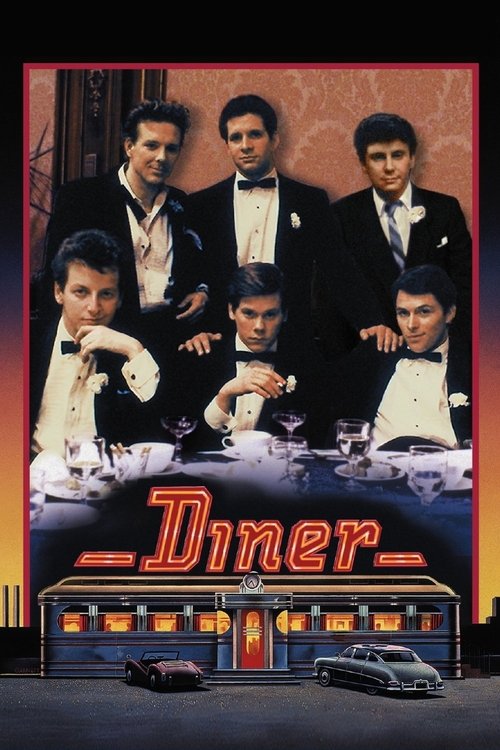
Diner1982
Barry Levinson's Baltimore boys talk endlessly in a diner booth instead of cruising the strip, but the same tender, funny ache of friendships about to scatter runs right through it.
But Slower and talkier, with much less music and far more dialogue about football trivia and cold feet.
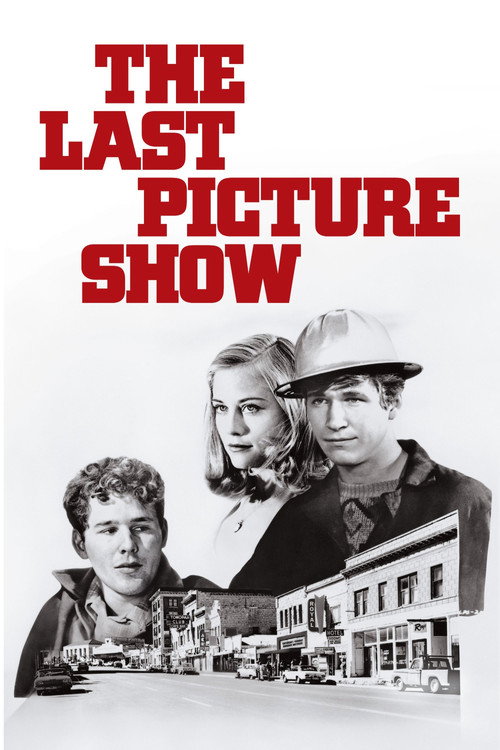
The Last Picture Show1971
Peter Bogdanovich's black-and-white elegy for a dying Texas town shares Graffiti's sense of a whole way of life closing behind its teenagers as they leave, but leans harder into melancholy.
But Far bleaker and sadder—there's little of the warmth or comedy that keeps American Graffiti buoyant.
The wildcard
Something you would not have found on your own.
I Vitelloni1953no page yet
Lucas has cited this Fellini film directly as inspiration—both follow a loose group of young men in a small town on the cusp of leaving childhood behind, structured around wandering nights rather than plot.
Fellini's tender, funny early film about aimless young men in a small Italian seaside town restless for something bigger—the direct ancestor of Graffiti's structure, mood, and even some of its jokes.
But Subtitled, black-and-white, and made twenty years before its American descendant—expect a slower rhythm and no radio DJ tying it together.
More like this (8)
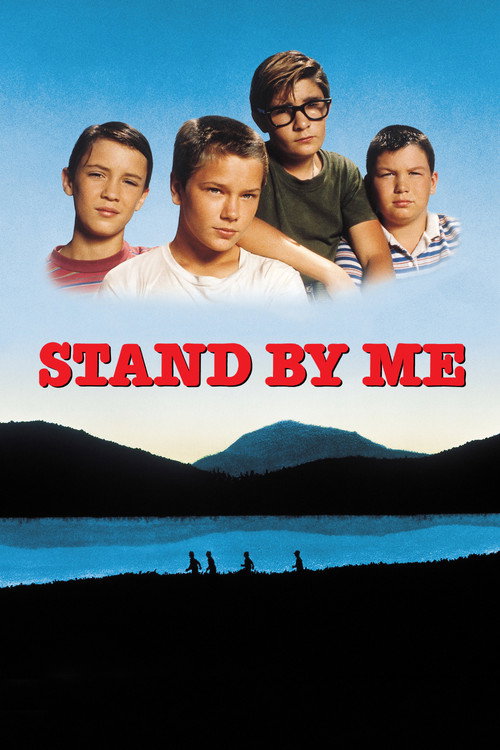
Stand by Me1986
A different decade and a younger crew, but the same wistful voiceover looking back at one pivotal walk through the woods before childhood friendships start drifting apart for good.
But The kids are younger and the stakes darker—this is coming-of-age with a body at the center of it.
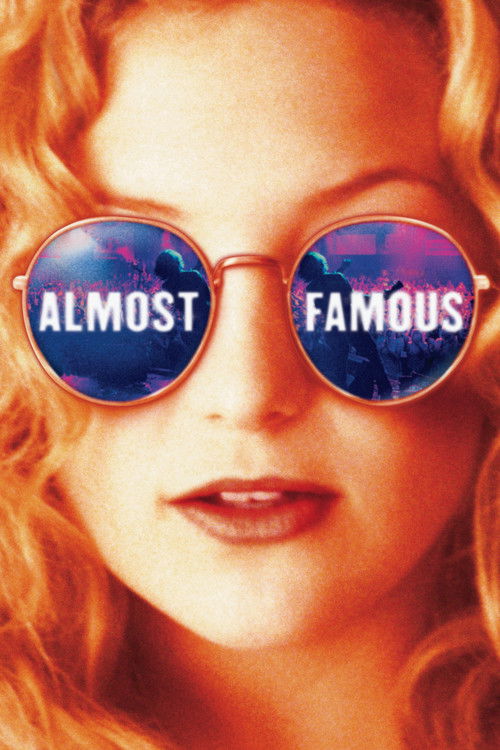
Almost Famous2000
Cameron Crowe's own memory-piece runs on the same fuel—music as time machine, a specific radio-soaked era rendered with total tenderness, and young people figuring out who they're about to become.
But It's a rock tour, not a single night—longer, more sprawling, and considerably more sentimental in its final stretch.
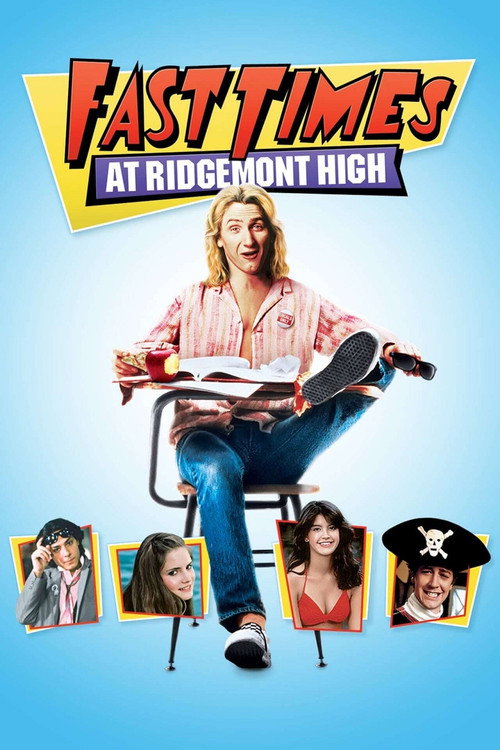
Fast Times at Ridgemont High1982
Same California sun, same ensemble of teenagers figuring out sex, jobs and identity, but traded cruising for mall culture and turned the comedy several notches broader and raunchier.
But Broader and cruder than Graffiti's gentle wistfulness—this is a comedy first, nostalgia piece second.
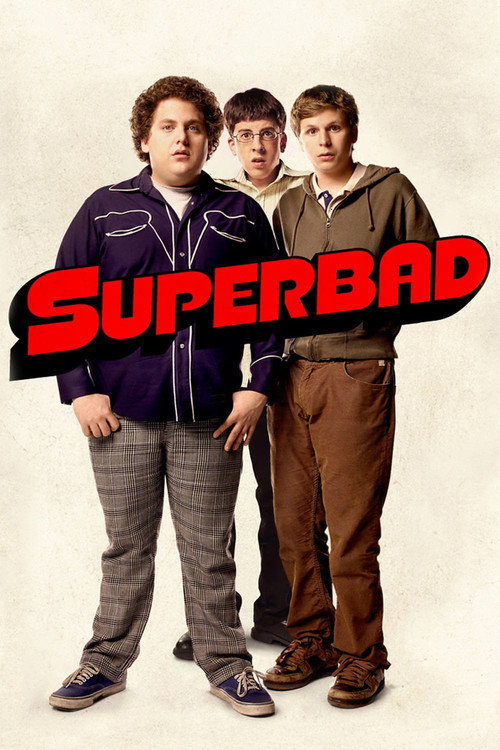
Superbad2007
Strip the cars and swap the AM radio for filthy dialogue, and you've got the modern update: one enormous last night before graduation splits two lifelong friends apart.
But Vulgar where Graffiti is wistful—expect gross-out comedy and raunch instead of gentle melancholy and slow-burn nostalgia.
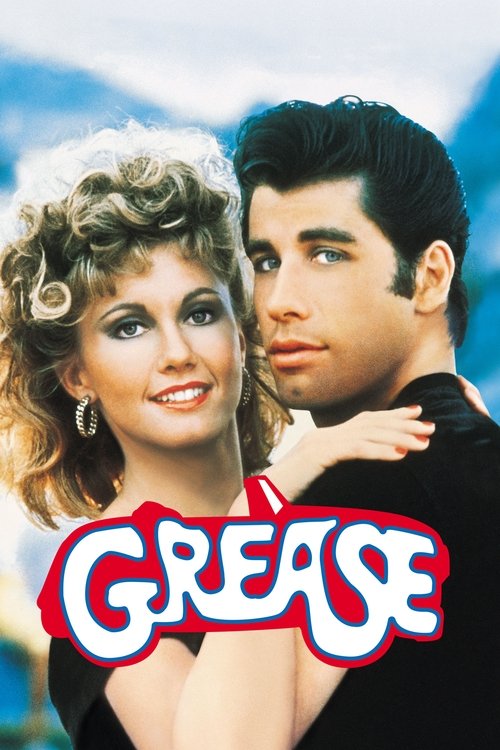
Grease1978
Same late-fifties car culture and drive-in romance, but turned into a full-blown musical—if you loved the soundtrack of Graffiti, here's a film built entirely around singing about it.
But It's a musical through and through—if bursting into song breaks the spell for you, this won't work.
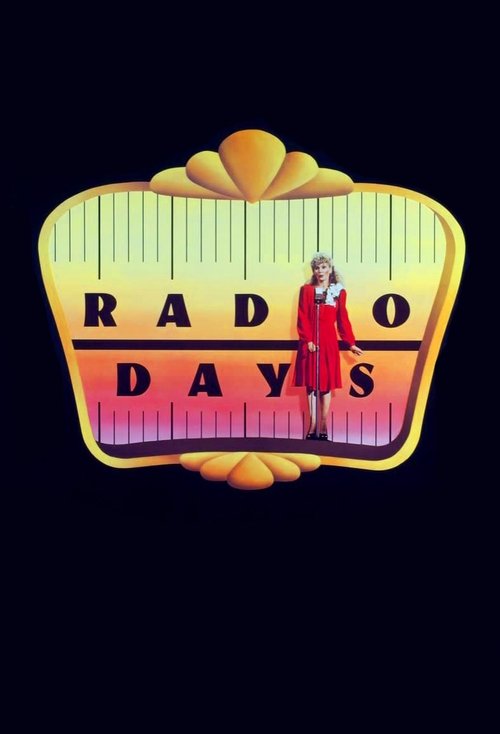
Radio Days1987
Woody Allen's own nostalgic patchwork of a vanished era, narrated fondly and stitched together by the radio broadcasts that scored everyone's memories—an obvious cousin to Graffiti's Wolfman Jack device.
But Less about teenagers and cruising, more about a whole extended family—a gentler, more scattered kind of nostalgia.
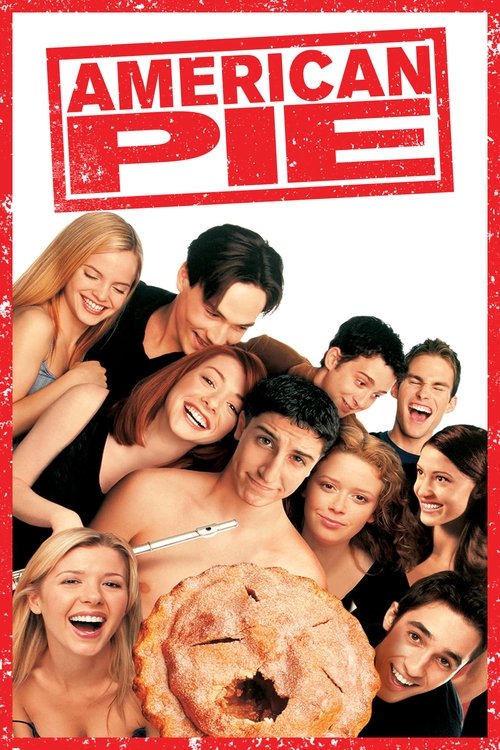
American Pie1999
Same premise stripped of nostalgia's soft focus—a handful of friends racing against one final countdown before graduation scatters them—but rebuilt as gross-out sex comedy instead of wistful drama.
The same 'one last night before everything changes' engine, rebuilt as a raunchy, quotable sex comedy—proof the structure works whether it's wistful or shamelessly filthy.
But Crude, horny, and utterly unsentimental—if Graffiti's charm was its gentleness, this is the opposite extreme.
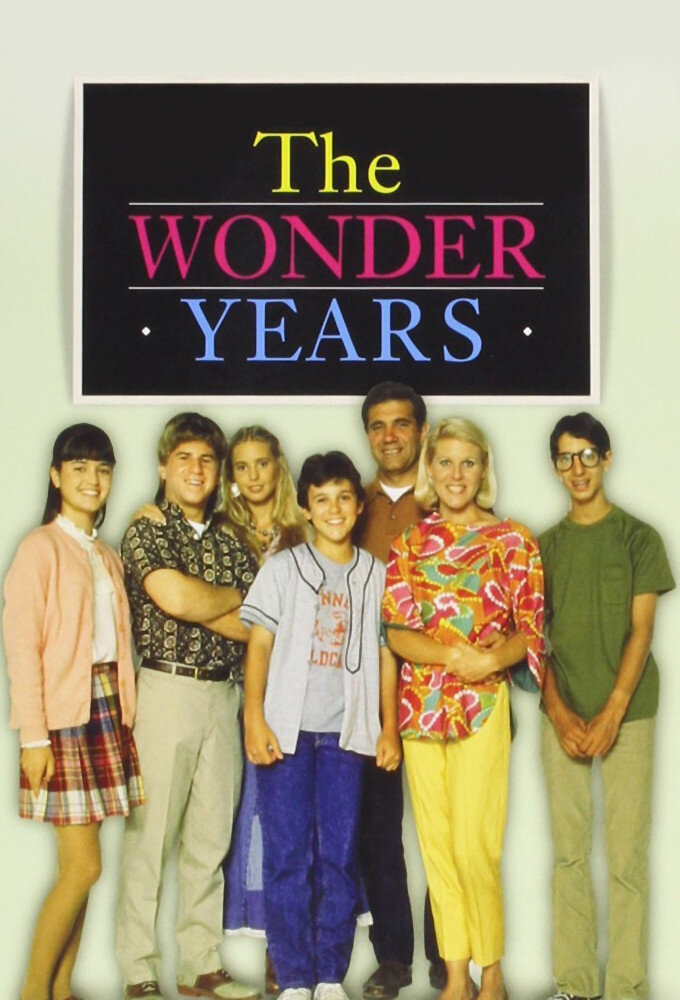
The Wonder Years1988
The Wonder Years takes the same central device—a grown man's wistful voiceover scoring his teenage years to period-perfect pop songs—and spreads it across seasons instead of a single cruising night.
Same trick as Graffiti's soundtrack-driven nostalgia, but stretched into a whole series: a grown man narrating his own adolescence, one perfectly chosen period song at a time.
But It's warmly sentimental network television, episodic and gentle, with none of Graffiti's loose, hangout, one-crazy-night energy.
People
Cast
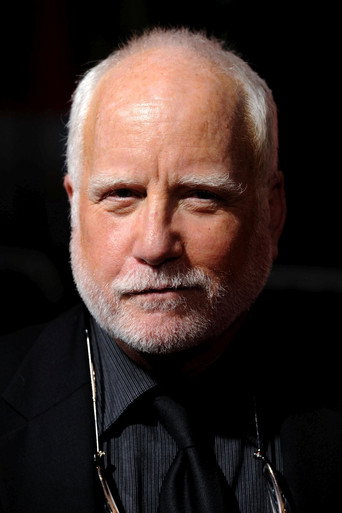 Richard DreyfussCurt Henderson
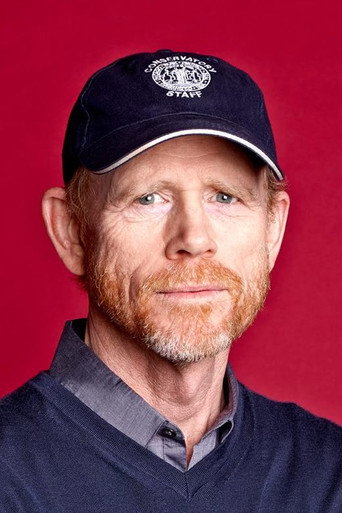 Ron HowardSteve Bolander
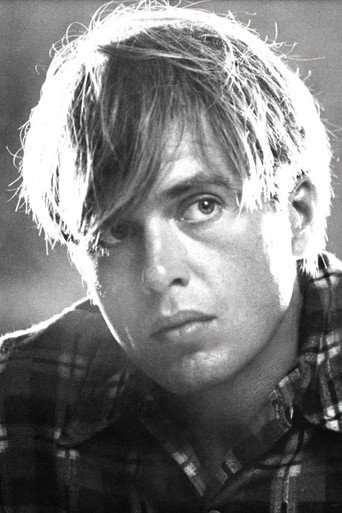 Paul Le MatJohn Milner
 Charles Martin SmithTerry 'The Toad' Fields
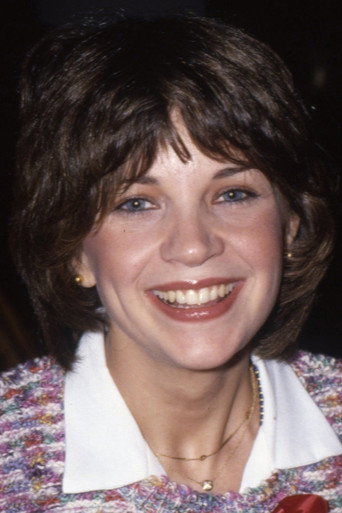 Cindy WilliamsLaurie Henderson
 Candy ClarkDebbie Dunham
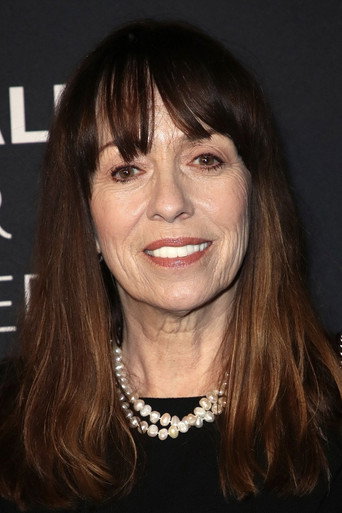 Mackenzie PhillipsCarol
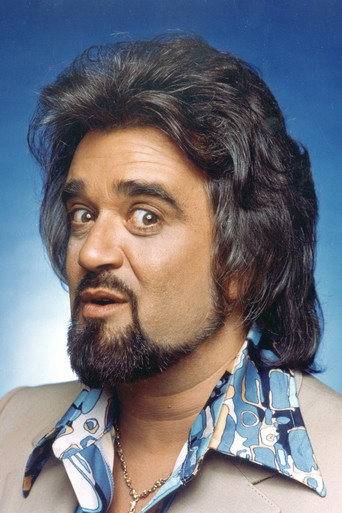 Wolfman JackXERB Disc Jockey
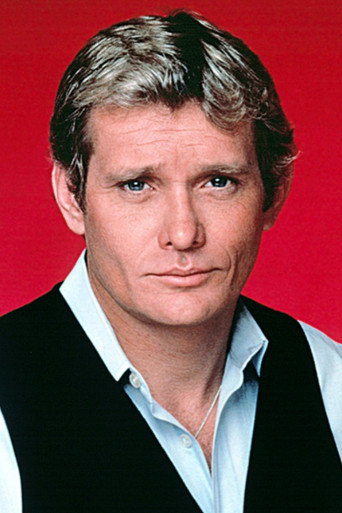 Bo HopkinsJoe Young
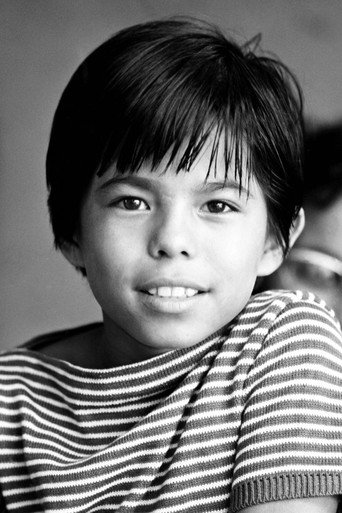 Manuel Padilla Jr.Carlos
- Beau GentryAnts
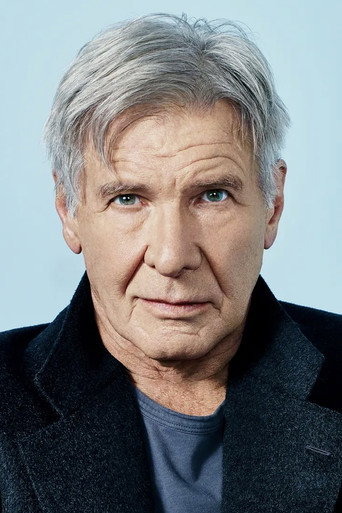 Harrison FordBob Falfa
Directing
- George LucasDirector
- Ned KoppFirst Assistant Director
- Christina CrowleyScript Supervisor
- Charles MyersSecond Assistant Director
Writing
- George LucasWriter
- Gloria KatzWriter
- Willard HuyckWriter
Production
- Fred RoosCasting
- Mike FentonCasting
- Gary KurtzCo-Producer
- Francis Ford CoppolaProducer
- Beverly WalkerProducer's Assistant
- Jim BloomProduction Assistant
- Nancy GiebinkProduction Assistant
- James HoganProduction Manager
Recommended by
Dazed and Confused, Everybody Wants Some!!, Superbad, The Last Picture Show, Happy Days, Booksmart, Diner, Grease, The Outsiders, Fast Times at Ridgemont High, Sixteen Candles, Quadrophenia, Rebel Without a Cause