
Film
Make Out
- Coming-of-age romance
- Coming-of-age
- Slow-burning
A four-minute 1970 film that turns a backseat makeout session into intimate psychological portrait. We hear one woman's racing thoughts—anxiety about her reputation, physical boundaries, desire, self-doubt—while the visual remains deceptively simple. It's a miniature about the gap between what bodies do and what minds experience, funny and quietly devastating.
If you liked this
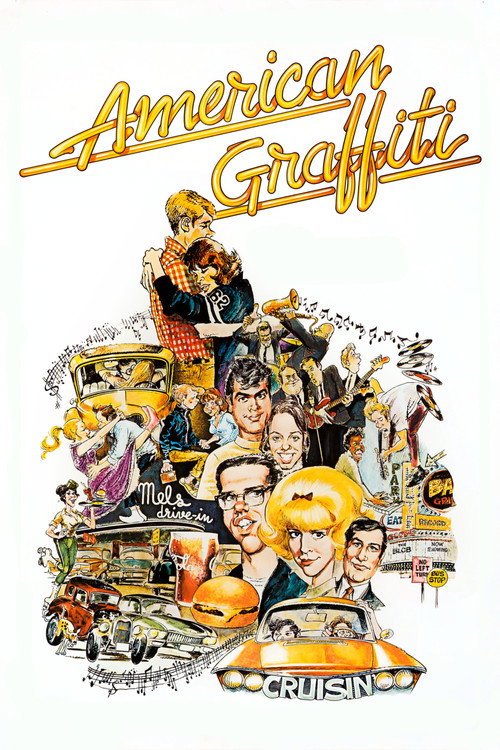
American Graffiti1973
Captures the same era's adolescent sexuality and social anxiety with warmth and humor. Cruising, makeouts, the weight of unspoken expectations—it's the full-length version of what Make Out distills.
But Nearly three hours, and the ensemble structure means some storylines feel thinner than others. Pacing drags in places.
Tiny Furniture2010
Lena Dunham's debut is similarly intimate and unflinching about female desire, awkwardness, and the mismatch between what we want and what happens. Same dry humor about vulnerability.
But The protagonist's passivity and self-absorption frustrate some viewers. Low-budget aesthetic won't appeal to everyone.

Boyhood2014
Twelve years of a life in fragments, prioritizing interiority over plot. Like Make Out, it trusts that small moments and interior contradiction reveal something true about growing up.
But Three hours of deliberate minimalism. Some find it slow; others think the conceit overshadows the storytelling.

Not sure tonight? Get a pick in a minute, starting from Make Out
The wildcard
Something you would not have found on your own.
Code Unknown2000
Opposite format (feature-length stillness instead of four-minute movement), same philosophy: behavior and speech reveal interior life. What's unsaid matters as much as what is.
Michael Haneke's film is a series of static tableaux, mostly of people's faces, with dialogue creating the entire drama. No music, no manipulation. A conversation in a car is as tense as a car crash.
But Glacially paced and deliberately uncinematic. Haneke doesn't care if you're bored. Some sequences feel genuinely tedious.

More like this (7)
Ginger & Rosa2012
Sally Potter's film about female friendship in 1950s London mirrors Make Out's attention to what women actually think versus what they're supposed to feel. Tender, anxious, real.
But Aestheticized to the point of coldness by some accounts. The political backdrop can overshadow character.

Girls2012
Dunham's series is the natural evolution of what Make Out started: messy, unglamorous female interiority, sex that's awkward and complicated rather than romantic.
But Widely disliked for its self-absorbed protagonist and deliberately unglamorous sex scenes. Takes considerable patience.

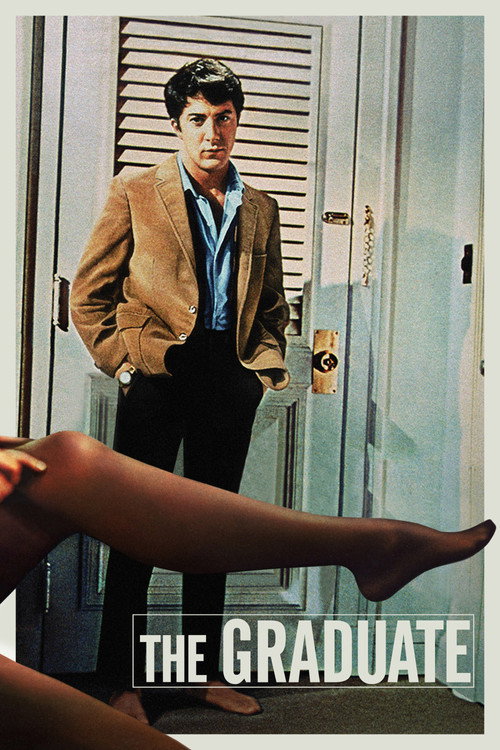
The Graduate1967
Benjamin's seduction by Mrs. Robinson is shown from his perspective—confused, passive, anxious. The gap between fantasy and reality about sex is the same as Make Out's, just inverted.
But The second half abandons that subtlety for a more conventional romantic narrative. Whitman's score can feel heavy-handed.
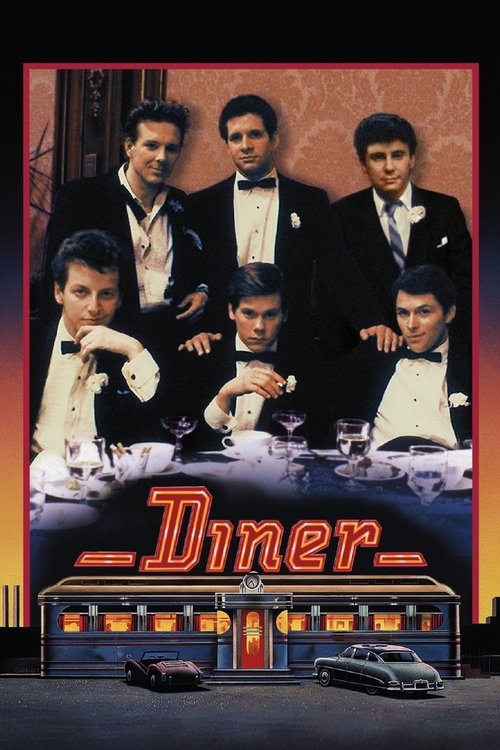
Diner1982
Male friendship and sexuality in the early 1960s, anchored in late-night talk and small humiliations. Understands that sex isn't separate from personality and fear.
But Female characters are largely accessories. The nostalgia can feel self-congratulatory.
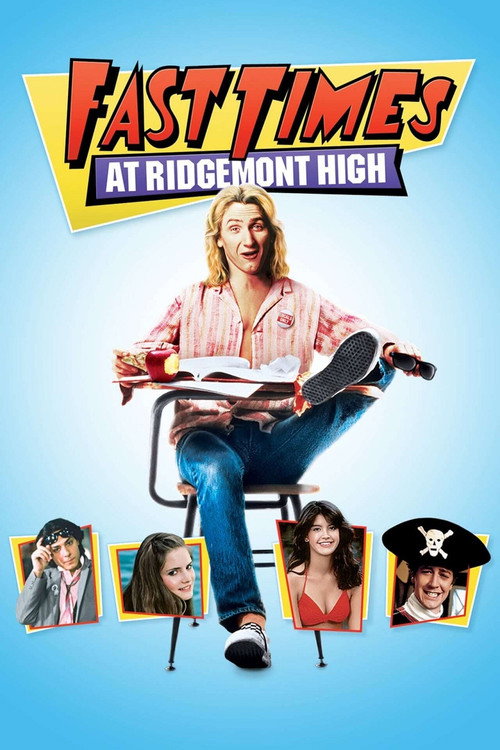
Fast Times at Ridgemont High1982
Balances comedy and realism about teenage sex better than most. The famous scene captures both desire and genuine vulnerability in a way that feels honest.
But Uneven ensemble means some arcs feel thin. The comedy sometimes undermines its own sincerity.
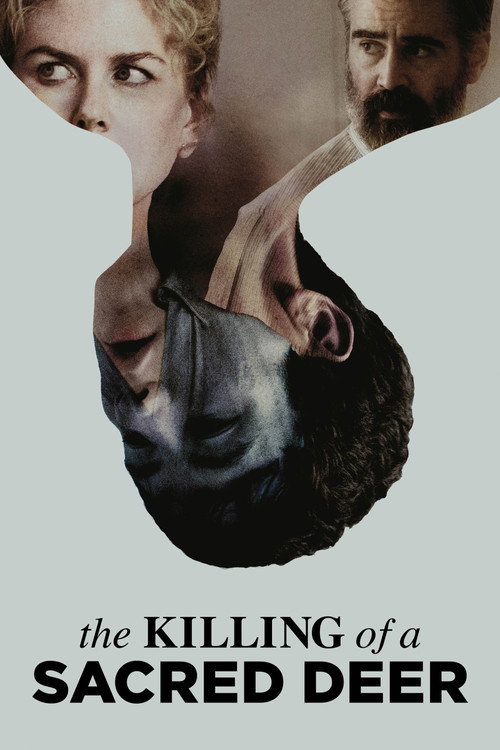
The Killing of a Sacred Deer2017
Yorgos Lanthimos strips social interaction to its unsettling bones, making ordinary conversation feel charged with hidden meaning. That's what Make Out does with a kiss.
But Deliberately sterile and alienating. If you want warmth or conventional catharsis, this will frustrate you profoundly.
Moonlight2016
Both prioritize what someone thinks during physical intimacy over what's actually happening. Sex and affection are internal events, not just external actions.
Three chapters of a life, each focusing on a single relationship or encounter. Dialogue is sparse; the film trusts looks, pauses, bodies. A kiss is allowed to contain contradiction and pain.
But Abstract, poetic structure confuses viewers wanting conventional narrative. Slow in ways that demand patience most cinema doesn't ask for.

People
Directing
- Geri AshurDirector
- Peter SchlaiferDirector
Writing
- Andrea EaganWriter
- Deborah ShafferWriter
- Geri AshurWriter
- Marcia Salo RizziWriter