
Film
Eros + Massacre
Nagisa Oshima's bold 1969 film weaves two time periods—the 1920s anarchist underground and the 1960s counterculture—into a meditation on sexuality, ideology, and the cost of radical conviction. At 216 minutes, it demands patience and rewards it with unflinching eroticism and intellectual fury. For those drawn to cinema that refuses compromise.
If you liked this
Tokyo Story1953
Ozu's masterpiece is the opposite temperature from Oshima but equally precise about human behaviour and period detail. Essential viewing to understand what Japanese cinema could do before Oshima broke all the rules.
But Deliberately paced and spare. If you need plot momentum, this will feel like watching paint dry very slowly.

In the Mood for Love2000
Wong Kar-wai's visual poetry and obsession with time, desire, and unfulfilled connection mirrors Oshima's preoccupations. Gorgeously composed and equally concerned with how cinema bodies can express what words cannot.
But Extremely stylised. The film's beauty sometimes overshadows narrative clarity, which may frustrate those seeking straightforward storytelling.

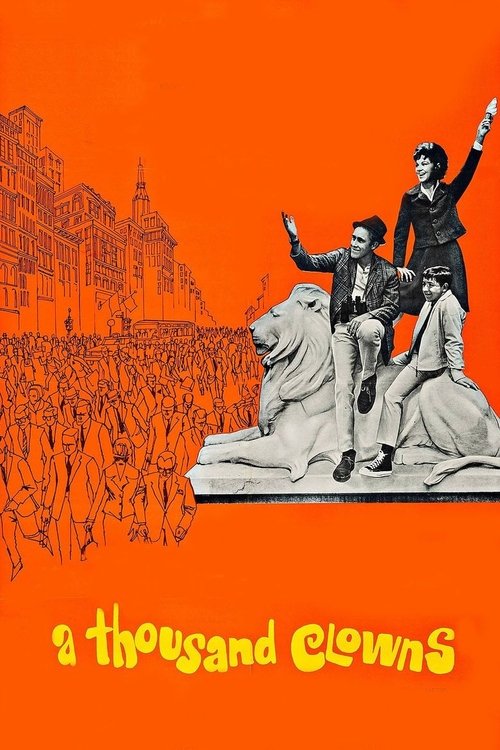
A Thousand Clowns1965
Another film about 1960s idealism in tension with reality, made around the same time. Funny and humanistic where Oshima is provocative, but both trust that audiences care about ideas and ethics.
But Tonal whiplash from Eros + Massacre. This is earnest and American in spirit, which may feel thin after three and a half hours of Oshima's intensity.
Not sure tonight? Get a pick in a minute, starting from Eros + Massacre
The wildcard
Something you would not have found on your own.
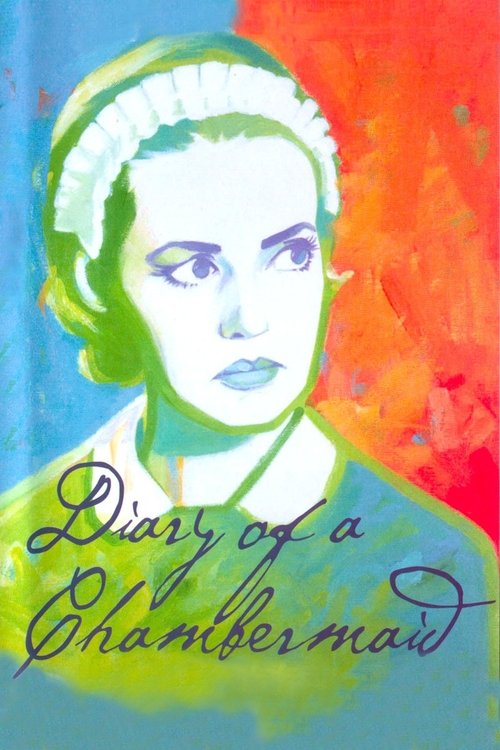
Diary of a Chambermaid1964
Both use intimate human relationships as the mechanism for unpacking ideology; both believe that sexuality and politics are the same conversation.
Luis Buñuel's film (a remake of his own 1946 work) uses a female servant's perspective to anatomise desire, class, and fascism. Like Oshima, it refuses the erotic and political to stay separate, but approaches them through darkly comic surrealism rather than direct confrontation.
But The tonal register is very different—more absurdist comedy than philosophical provocation. If you need Oshima's heat and fury, this cool perversity may feel evasive.
More like this (8)
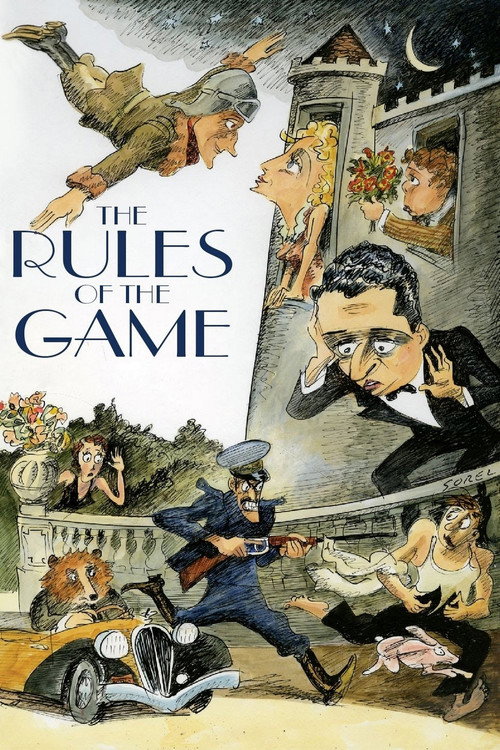
The Rules of the Game1939
Renoir's masterwork shares Oshima's fascination with desire, social chaos, and the interwoven fates of multiple characters. A structural and thematic ancestor to what Oshima attempts.
But Nearly four hours itself. Another commitment. The French prewar milieu is very far from 1920s Japan or 1960s student politics.
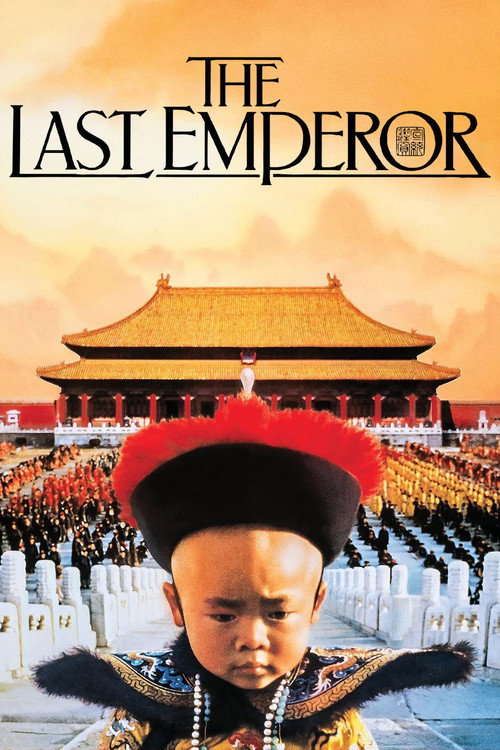
The Last Emperor1987
Bernardo Bertolucci's epic spans decades and eras the way Oshima does, braiding personal and political history. Visually sumptuous and built on the same conviction that intimacy and ideology are inseparable.
But More conventionally magnificent than radical. If you loved Oshima's refusal to be pretty, Bertolucci's elegance might feel evasive.
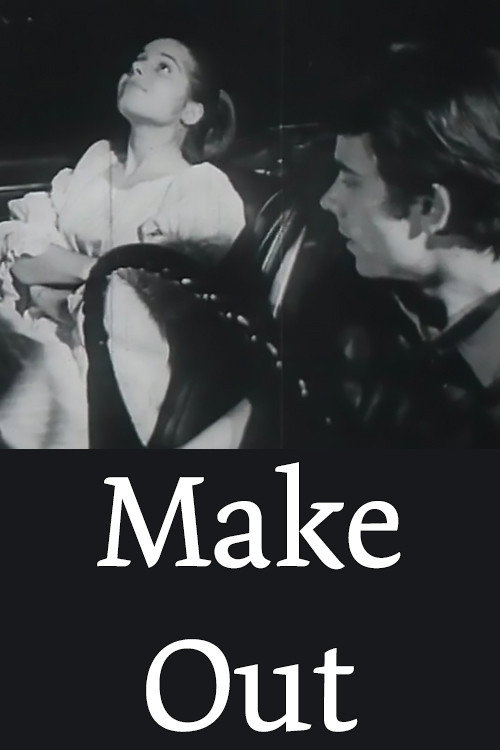
Make Out1970
Made just after Eros + Massacre, this Japanese underground film pushes even harder on sexuality and transgression. A window into the moment Oshima was part of creating.
But Genuinely difficult and obscure. Finding it is a mission, and the filmmaking is deliberately crude. Not for comfort viewing.
Contempt1963
Godard's film about filmmaking, desire, and artistic compromise echoes Oshima's interest in how cinema can examine its own contradictions. Both use colour and space with real intention.
But Talking-heavy and deliberately slow-burn. Some will experience it as glacial pretension rather than rigorous thought.

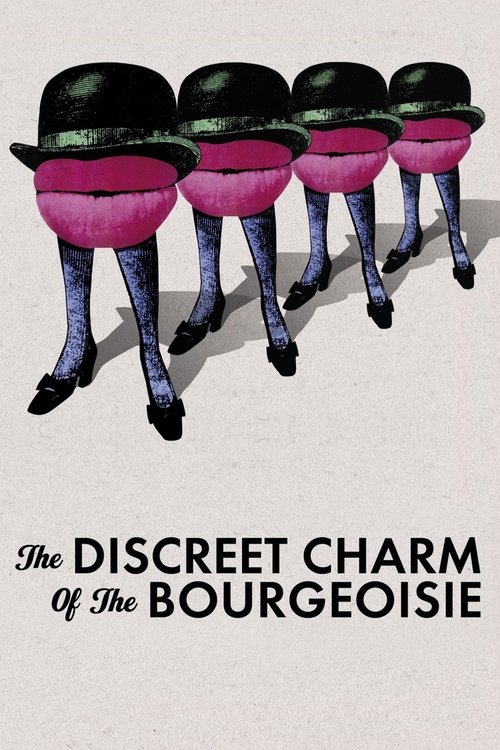
The Discreet Charm of the Bourgeoisie1972
Buñuel's surrealist comedy punctures social and sexual hypocrisy the way Oshima does, just with more overt humour. Both filmmakers refuse the audience's comfort.
But Tone is playful where Oshima is grave. If you came for darkness and provocation, the levity might deflate the experience.
Bicycle Thieves1948
Neorealist precision about how ordinary lives intersect with history and economics. Different surface from Oshima but the same commitment to showing how personal stories hold political meaning.
But Its emotional directness may feel lightweight after Oshima's baroque intensity and sexual explicitness.

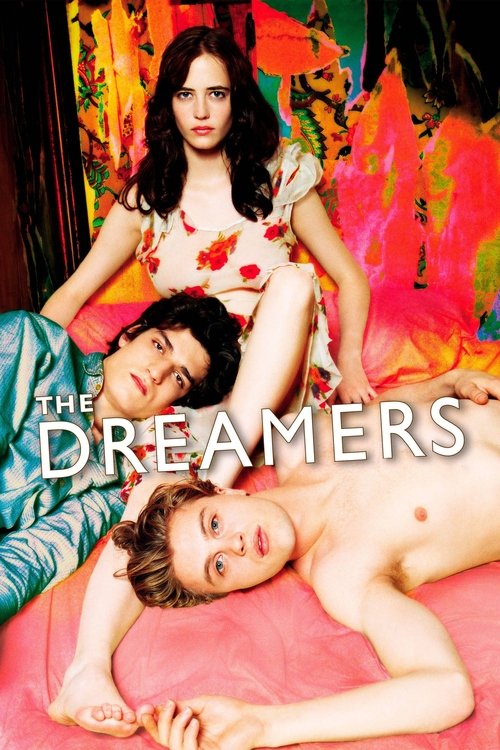
The Dreamers2003
Both films treat the '60s student moment as the crucible where sex, art, and revolution collide, and both centre the body as the site of that collision.
Bernardo Bertolucci's return to May 1968 Paris. An explicit, luxurious film about three young people tangled in desire, cinema, and the moment when idealism meets adulthood. More sensual than Oshima but asking nearly identical questions about what commitment costs.
But Bertolucci's perspective is fundamentally romantic where Oshima's is unsparing. The film is gorgeous in ways that may feel like evasion if you loved Oshima's refusal to soften anything.
Masala1991
Both filmmakers believe cinema is the place where past and present, body and ideology, can occupy the same space simultaneously—and that this collision is where truth lives.
An Indian avant-garde essay film made decades later but spiritually adjacent: Mani Kaul layers history, mythology, desire, and cinema itself into a non-narrative meditation on identity and time. Experimental in structure but humanist in feeling. It's Oshima's world refracted through a completely different cultural lens.
But Genuinely difficult and abstract. Structure is everything; plot is nothing. Even more challenging than Eros + Massacre, and that's a very high bar. Patience and faith required.
People
Cast
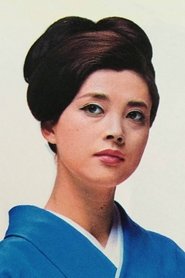 Mariko OkadaNoe Ito / Mako Ito
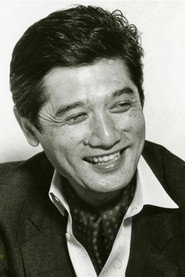 Toshiyuki HosokawaSakae Osugi
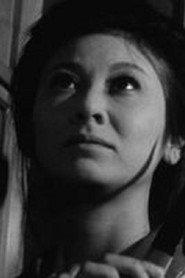 Yūko KusunokiItsuko Masaoka
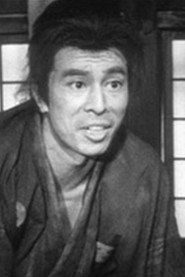 Etsushi TakahashiJun Tsuji
 Masako YagiYasuko Hori
- Taiko ShinbashiChiyoko
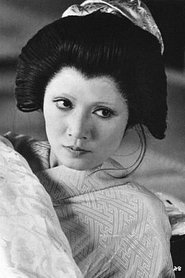 Kazuko InanoAkiko Hiraga
- Kinji MatsuedaToshihiko Sakai
- Takehiko TakagiHiroshi Okumura
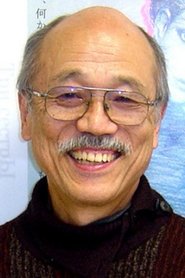 Yoshisada SakaguchiAraya Kimura
- Toshiko IiEiko Sokutai
- Midori TamaiMegumi Taroi
Directing
- Yoshishige YoshidaDirector
- Sei OkamuraFirst Assistant Director
- Hiroshi TakanoSecond Assistant Director
Writing
- Masahiro YamadaWriter
- Yoshishige YoshidaWriter
Production
- Shinji SoshizakiExecutive Producer
- Yoshishige YoshidaExecutive Producer