
Film
Diary of a Chambermaid
Buñuel's acid-sharp 1964 comedy-drama follows a clever chambermaid navigating the sexual politics and class hypocrisies of a provincial French household. Jeanne Moreau is magnetic as Céléstine, a woman using intelligence and seduction as tools for survival and justice. It's funny and unsettling in equal measure—a portrait of desire, manipulation, and the performance required to survive when you have nothing else to sell.
Should you watch it?
Watch it if you relish a sly, acid study of provincial hypocrisy where class resentment is sharp, and you don't mind a heroine who is hard to trust.
Skip it if you want warmth or a clear moral compass, since the film is cold, deliberately unpleasant about its people, and slow to reward patience.
What it asks of you: Ninety-seven minutes, unhurried in the middle, and it asks you to stay with each cruel exchange rather than skim, its dry tone rarely letting you settle.
Not sure? Find tonight's pick in a minute.
If you liked this
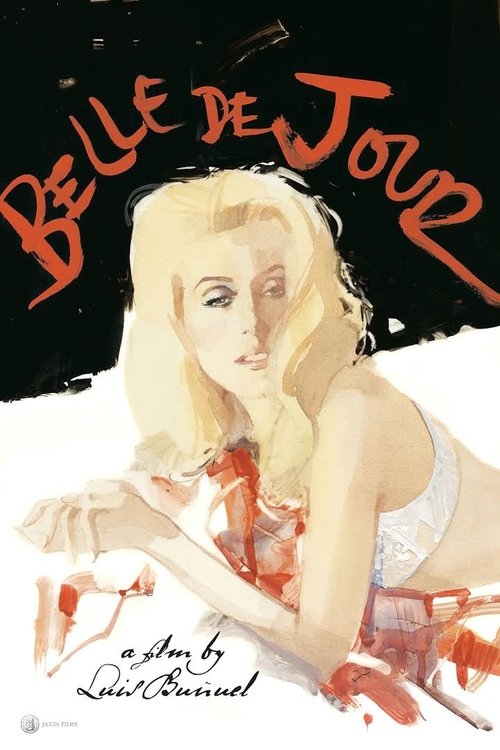
Belle de Jour1967
Buñuel's masterpiece of female desire and bourgeois repression, with Catherine Deneuve as a woman living out fantasies during her afternoons. Same director, same fascination with what women want when no one's watching.
But Deliberately dreamlike and fragmented; the narrative refuses conventional coherence, which frustrates some viewers looking for clarity.
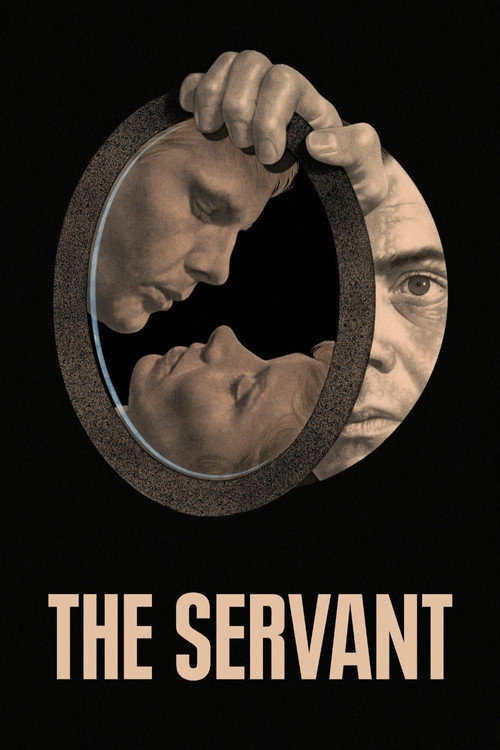
The Servant1963
Dirk Bogarde and James Fox in Losey's razor-edged class drama about a servant who gradually inverts the power dynamic. Predatory sexuality and social manipulation with the same elegant cruelty as Chambermaid.
But Claustrophobic and morally murky—there are no characters to root for, which can feel exhausting over ninety minutes.
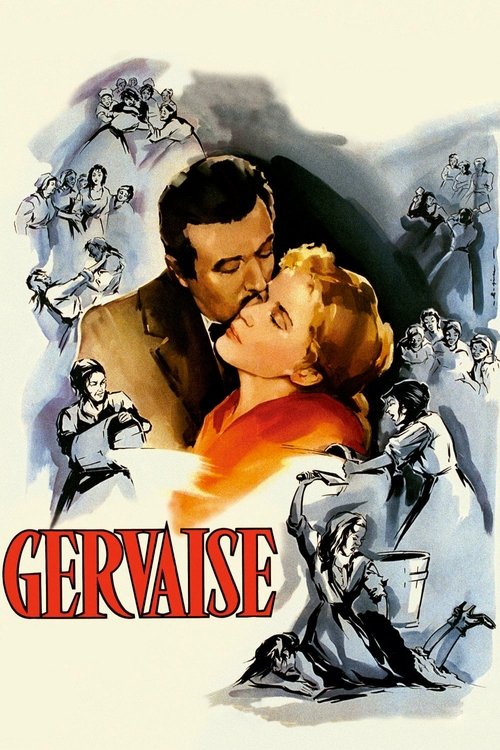
Gervaise1956
Débord-Valmore's unflinching look at a working-class woman trying to rise through respectability in 19th-century Paris. The same scrutiny of female agency, labour, and the cost of survival.
But Relentlessly bleak; Moreau's predecessor in the lead role carries the weight of systemic indifference throughout.
Not sure tonight? Get a pick in a minute, starting from Diary of a Chambermaid
The wildcard
Something you would not have found on your own.
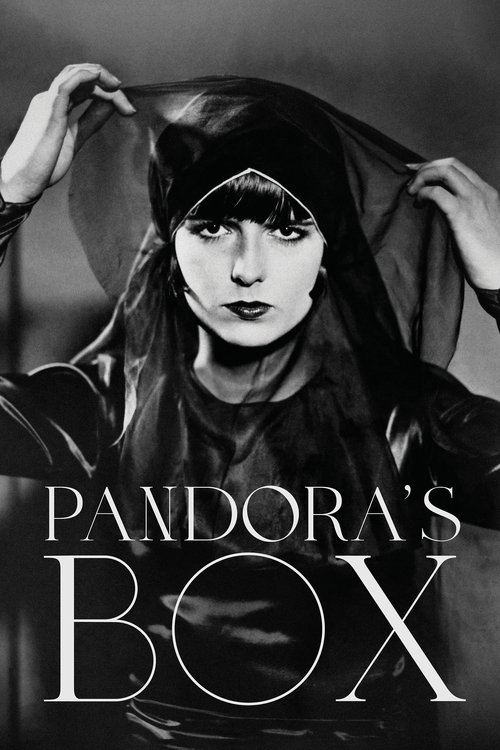
Pandora's Box1929
Both centre on women using sex as the only tool available to them, but where Moreau's Céléstine is calculating and aware, Brooks's Lulu is amoral and instinctive—the inverse psychology of the same transaction.
Pabst's silent masterpiece with Louise Brooks as Lulu, a woman whose sexuality destroys everyone around her but frees her from moral judgment. Chambermaid's ancestor—the servant as force of nature rather than victim or schemer, seduction as honest currency.
But Silent film with variable print quality; the 1929 aesthetics demand adjustment, and the pacing is hypnotic rather than gripping.
More like this (5)
Bitter Lake2015
Kohler's Austrian chamber piece about a businessman, his wife, and their housekeeper—a study of domestic claustrophobia and the servant's impossible position. Chambermaid's scenario reconsidered in a bleaker register.
But Very slow and very quiet; sustained discomfort rather than catharsis.

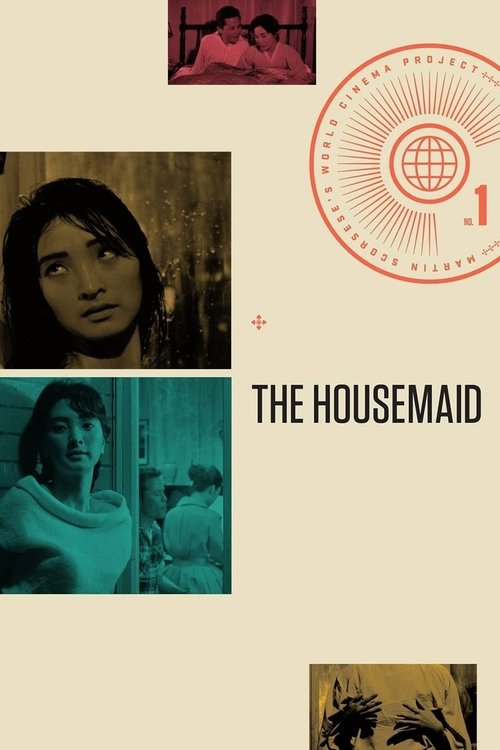
The Housemaid1960
Kim Ki-young's Korean horror-thriller about a housemaid who infiltrates a family with destructive intentions. The servant as agent rather than victim, ambition and seduction as weapons.
But Shifts into genre territory that might feel tonally at odds with what you expect; the logic is expressionistic, not naturalistic.
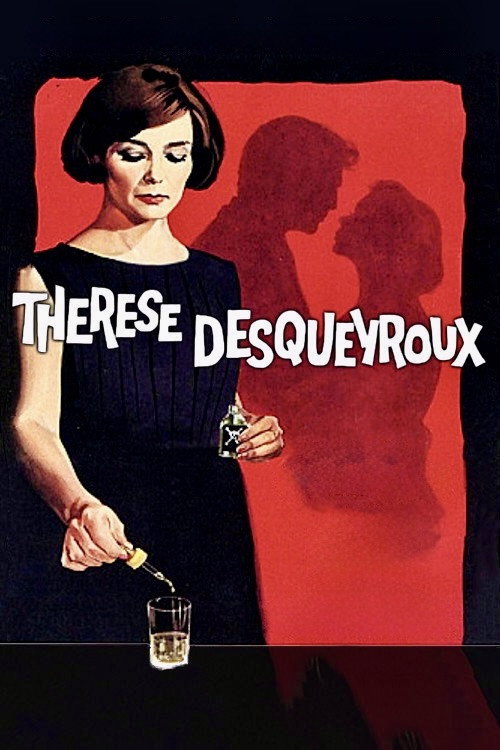
Therese1962
Franju's adaptation of Mauriac's novel, with Emmanuelle Riva as a woman trapped by bourgeois marriage and slowly poisoning her husband. Female interiority and quiet rebellion within domestic constraint.
But Glacial pacing and muted emotional register; some find it austere to the point of inaccessibility.
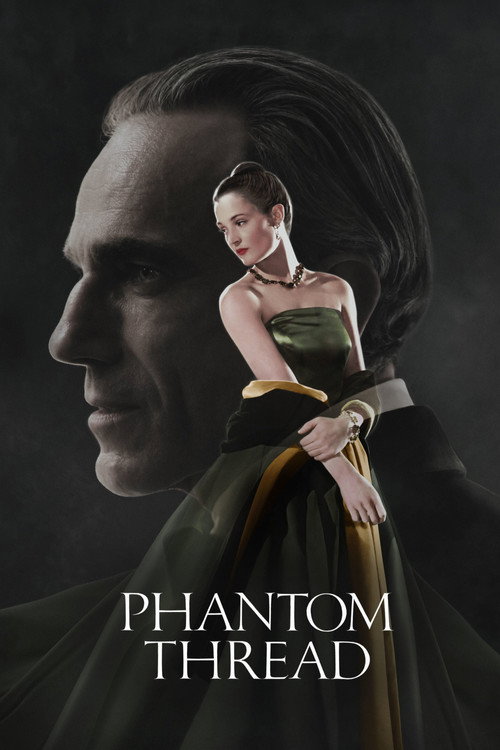
Phantom Thread2017
Both are psychological thrillers disguised as intimate dramas, exploring how the powerless seduce the powerful by performing the role the powerful wants to see.
Anderson's elaborate power-game between a brilliant couturier and the woman he employs as model and lover. Desire, control, and the performance of submitting to survive—same psychological texture, entirely different era and aesthetic.
But Glacially paced and entirely interior; visual and psychological rather than plot-driven, and some viewers find it forbiddingly chilly.
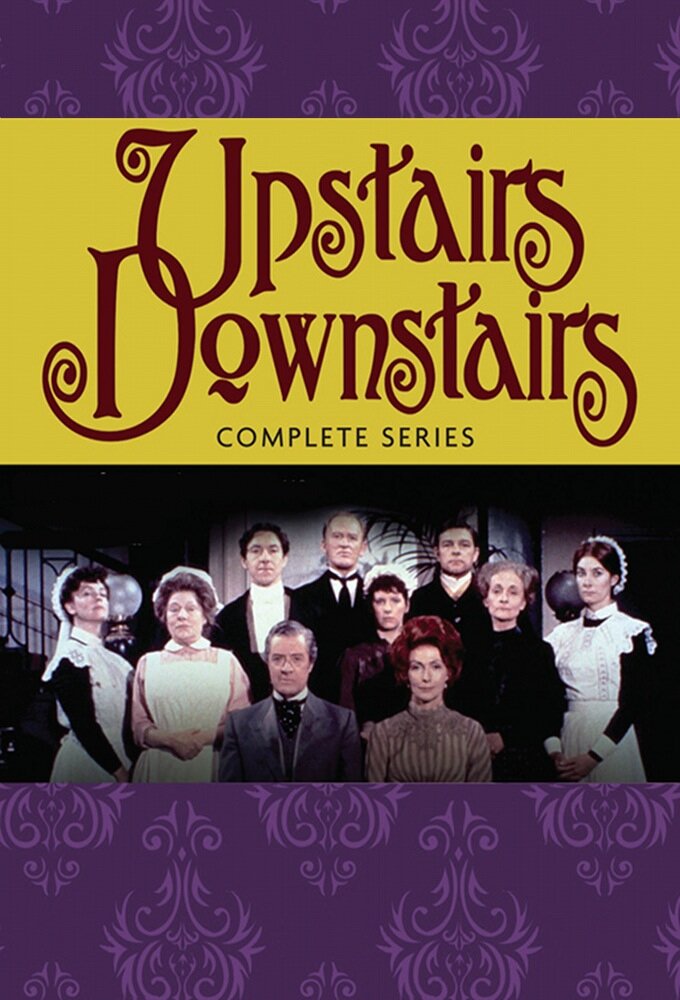
Upstairs, Downstairs1971
Where Buñuel compresses the servant's experience into 97 minutes of dark comedy, this serial asks what it looks like to live that life over years—the same class system, far more patience required.
The British serial about servants and employers in an Edwardian townhouse—a long-form investigation into the private lives of those who make their livings invisible. Chambermaid's DNA diluted across thirteen episodes, allowing you to sit with the world.
But Episodic means uneven; some individual stories work better than others, and the production values are television-modest by modern standards.
People
Cast
 Jeanne MoreauCéléstine
 Georges GéretJoseph
 Michel PiccoliMonsieur Monteil
 Françoise LugagneMadame Monteil
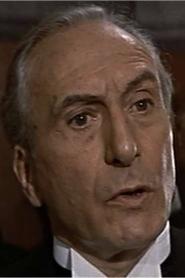 Jean OzenneMonsieur Rabour
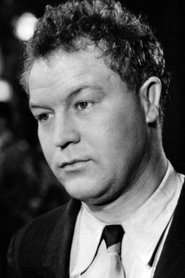 Daniel IvernelCaptain Mauger
 Bernard MussonLe sacristain
 Gilberte GéniatRose
 Jean-Claude CarrièreLe curé
 MuniMarianne
- Claude JaegerLe Juge
 Madeleine DamienLa cuisinière des Monteil
Directing
- Juan Luis BuñuelAssistant Director
- Pierre LaryAssistant Director
- Luis BuñuelDirector
- Suzanne DurrenbergerScript Supervisor
Writing
- Octave MirbeauNovel
- Jean-Claude CarrièreWriter
- Luis BuñuelWriter
Production
- Michel SafraProducer
- Serge SilbermanProducer
- Henri BaumProduction Manager
- Ulrich PicardProduction Manager
- André RetbiUnit Manager