
Film
Gervaise
- Social drama
- Very dark
Gervaise is a raw, unflinching portrait of working-class Paris in the 1870s. A laundress climbs from poverty toward respectability, only to watch her hard-won stability crumble under the weight of alcoholism, betrayal, and circumstance. It's beautiful and merciless—Émile Zola adapted for the screen with full force. A masterpiece for anyone who believes cinema's job includes showing us how people suffer, and why we should care.
If you liked this
L'assommoir1921
The original Zola adaptation, silent and visually stunning. See how an earlier generation handled the same material: more theatrical, more symbolic, less intimate than Renoir's approach but equally powerful.
But Silent film requires patience and adjustment. The pacing feels deliberate in ways modern viewers often find slow. Image quality varies.
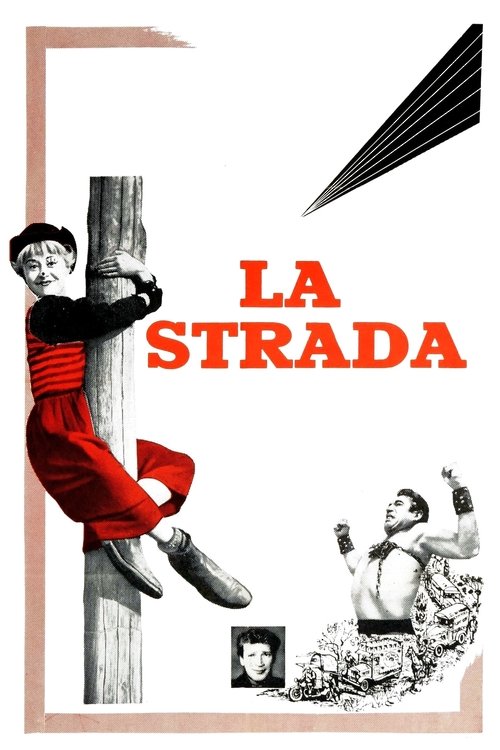
La Strada1954
Fellini's portrait of a woman bound to a strongman by circumstance rather than choice. Like Gervaise, it's about dignity crushed by men and fate—but scored by a travelling circus, sadder, stranger, unforgettable.
But The ending is devastating and offers no comfort. It moves at its own pace and demands emotional surrender rather than plot momentum.
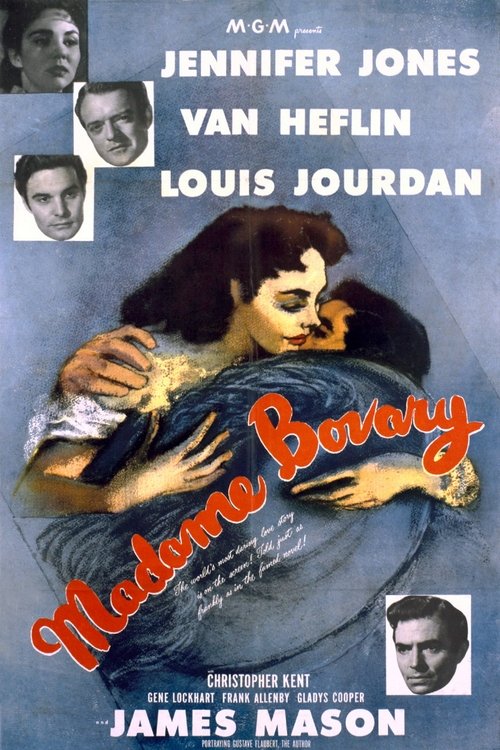
Madame Bovary1949
Another adaptation of great French literature about a woman destroyed by circumstance and her own desperate reaching for more. Minnelli directs; the melodrama is exquisite. Similar moral weight, different tragedy.
But It's glossier and more romantic in feeling than Gervaise. The Hollywood treatment softens Flaubert's edges. Running time is substantial.
Not sure tonight? Get a pick in a minute, starting from Gervaise
The wildcard
Something you would not have found on your own.
Winter Light1963
Both insist that suffering is real, permanent, and cannot be narrative-solved. Both trust the viewer to sit with that without flinching or being offered comfort.
Bergman's study of spiritual and emotional paralysis. Like Gervaise, it refuses to resolve its characters' pain or offer false redemption. Beautiful, bleak, uncompromising. The visual style is utterly different but the moral climate is identical.
But It's an interior drama about loss of faith. Almost nothing happens. Some find Bergman's repetitiveness exhausting. Swedish in every register, from pacing to theology.

More like this (5)
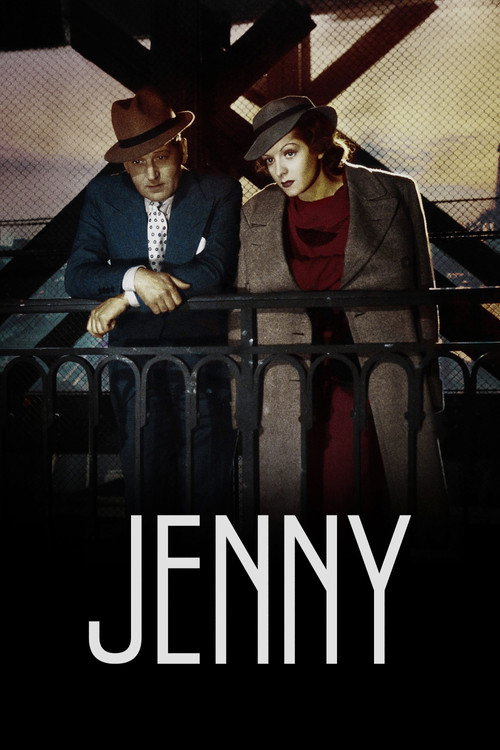
Jenny1936
Carné's portrait of a Parisian working-class woman trying to escape her circumstances. Shares Gervaise's mood and milieu—the poetic realism of 1930s France, poverty rendered with genuine affection and accuracy.
But It's more overtly romantic and hopeful than Gervaise. The social critique is gentler. Print quality may be variable depending on source.
The Killing1956
Kubrick's debut, made the same year as Gervaise. Both are pitiless about how ordinary people spiral under pressure. Different setting and tone, but identical moral clarity about fate, circumstance, and human weakness.
But It's a heist film, not a character drama. Violent and cynical. If you want emotional depth over plot, this will feel schematic by comparison.

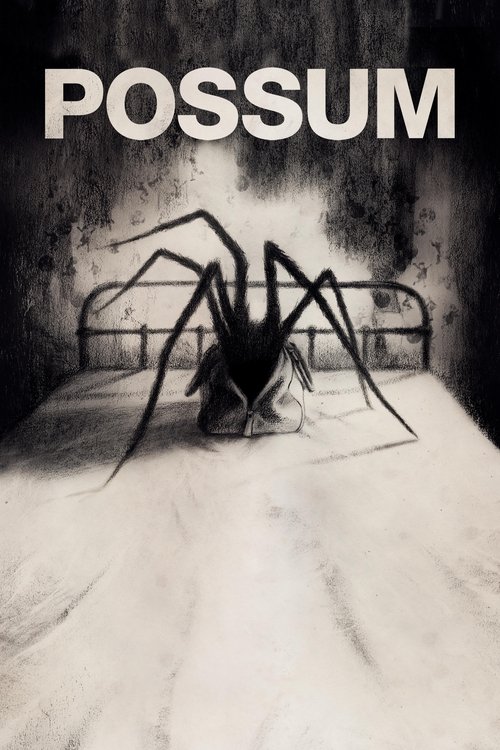
Possum2018
A contemporary British film about a man returning to his hometown, watched by his past. Like Gervaise, it's about how we can't escape what we were, how small towns grind people down. Same suffocating inevitability.
But Deliberately paced and visually bleak. Contemporary rather than period. Its horror is internal and psychological rather than socially rooted; some find it too slow.
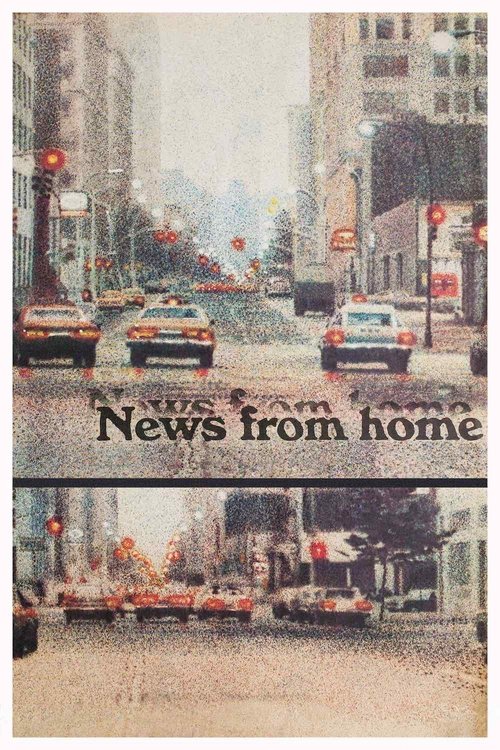
News from Home1976
Akerman's experimental essay on absence and distance. Not narrative like Gervaise, but explores similar territory: women working, struggling, enduring. A different language for the same questions about labor, family, survival.
But It's experimental cinema. No conventional plot. Letters read over silent streets. It demands an entirely different kind of attention than Gervaise. Patience is non-negotiable.
Stalker1979
Both trust that the real drama of human life is internal and cumulative, not event-based. Both are suspicious of easy answers. Both are formally perfect at showing us ordinary disappointment.
Tarkovsky's meditation on desire, disappointment, and the gap between what we want and what we can have. Structurally very different—science fiction, philosophical, visually lush—but operating from identical ethical ground. The same refusal to lie about human limitation.
But It's 163 minutes, moves at glacial pace, and the plot is essentially still. No conventional reward. If you need something to happen, this will feel like punishment rather than cinema.

People
Cast
 Maria SchellGervaise Macquart Coupeau, une blanchisseuse douce et courageuse
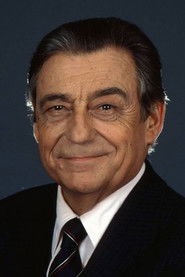 François PérierHenri Coupeau - le second compagnon de Gervaise, un ouvrier zingueur
 Jany HoltMme Lorilleux - la soeur revêche de Coupeau
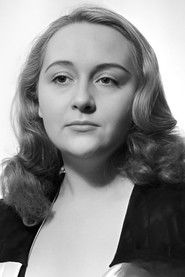 Mathilde CasadesusMme Boche - la concierge curieuse
 Suzy DelairVirginie Poisson, une rivale de Gervaise
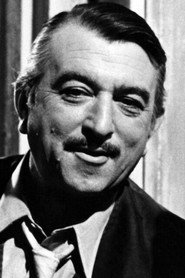 Armand MestralLantier, l'amant de Gervaise
 FlorelleMaman Coupeau
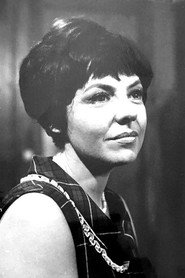 Micheline LuccioniClémence
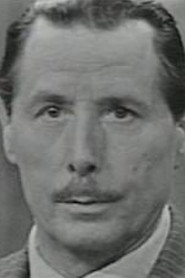 Lucien HubertMr Poisson
 Jacques HardenGoujet, le forgeron amoureux de Gervaise

Directing
- Claude ClémentAssistant Director
- Léonard KeigelAssistant Director
- Serge FriedmanAssistant Director
- René ClémentDirector
Writing
- Émile ZolaNovel
- Jean AurencheWriter
- Pierre BostWriter
Production
- Agnès DelahaieProducer