
Film
L'assommoir
- Social drama
- Very dark
Émile Zola's 1921 adaptation is a silent powerhouse about working-class Paris spiraling into destitution. Gervaise's dream of respectability collapses through drink, circumstance, and the weight of survival itself. Visually stark and emotionally unsparing, it's cinema as social document—bleak but hypnotic, for those ready to sit with suffering without sentimentality.
Should you watch it?
Watch it if you love Zola-style naturalism, where the slow grind of a working-class Paris street matters as much as any plot, and you're happy to read faces instead of dialogue.
Skip it if you need sound, quick cuts or a story that moves briskly, since this is a silent film that lingers on small domestic scenes and broad, theatrical gestures.
What it asks of you: Expect long, heavy stretches in cramped rooms and dim streets, with intertitles breaking the image and a rhythm that never hurries to reassure you.
Not sure? Find tonight's pick in a minute.
If you liked this
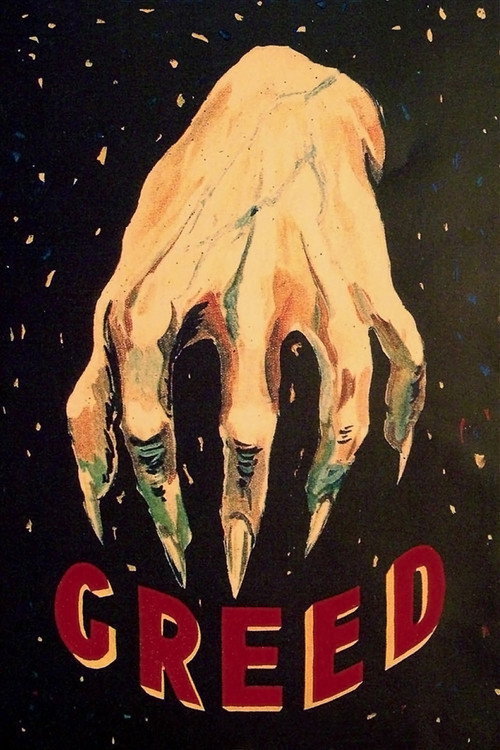
Greed1924
Erich von Stroheim's silent epic about corruption and money-lust in California. Similar scope to L'assommoir—ambitious, visually commanding, and determined to show how systems grind people down into moral collapse.
But At nearly four hours even in its shortened form, it demands patience. The pacing is deliberate, even glacial by modern standards.
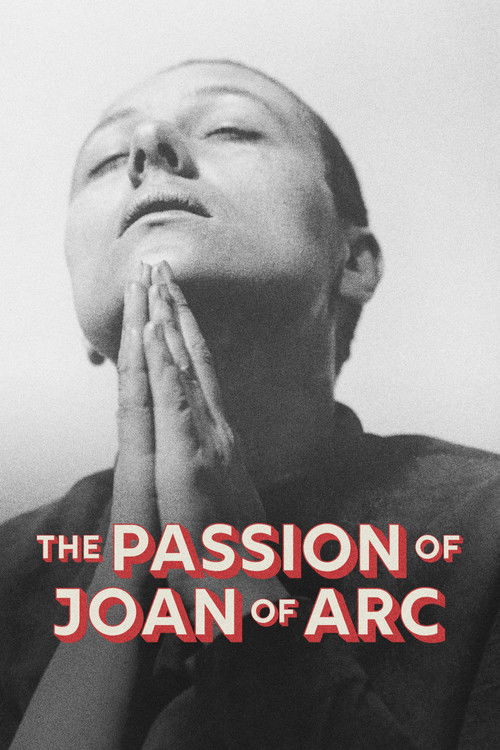
The Passion of Joan of Arc1928
Dreyer's masterpiece also mines profound suffering through close-ups and restraint. Like L'assommoir, it refuses to look away from degradation, but finds strange beauty in endurance and the human face pushed to extremity.
But Intensely austere. If you need plot momentum or narrative relief, this won't provide it. It's essentially one long confrontation.
The Cabinet of Dr. Caligari1920
German expressionism at its most visually inventive—distorted sets, shadow-play, psychological darkness. Shares L'assommoir's interest in how environment warps human behaviour, but through nightmare rather than tenement realism.
But The stylization can feel dated if you're expecting naturalism. Some find the acting mannered rather than moving.

Not sure tonight? Get a pick in a minute, starting from L'assommoir
The wildcard
Something you would not have found on your own.
Umberto D.1952
Both are unsparing social documents about the machinery of poverty. Both refuse sentimentality. Both insist the viewer stay present with discomfort rather than escape into story.
De Sica's Italian neorealist film about an elderly pensioner's invisible poverty. Like L'assommoir transposed to post-war Rome—relentless about dignity stripped away, but filmed in streets and apartments so real it hurts. No melodrama, no mercy.
But Almost nothing happens in plot terms. The pace is glacial. If you need catharsis or narrative resolution, this refuses to provide it. Watching it is an act of witnessing, not entertainment.

More like this (7)
Sunrise: A Song of Two Humans1927
Murnau's silent about a man tempted to destroy everything for desire. Like L'assommoir, it traces how quickly a life can unravel, and how the city itself becomes a character—but with more visual poetry than social anger.
But The romantic centre might feel at odds with its tragedy. Tonal shifts between genres can jar if you're in the wrong mood.

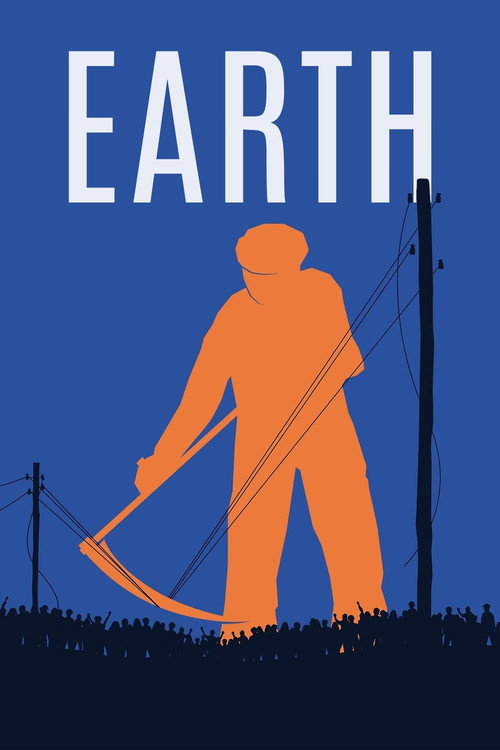
Earth1930
Dovzhenko's Ukrainian film about peasants and land. Silent like L'assommoir and equally uncompromising about rural poverty, death, and desire. Visual language so strange and powerful it almost bypasses words altogether.
But Extremely abstract in places. If you want conventional narrative, you'll feel lost. Rhythm is deliberately hypnotic rather than propulsive.
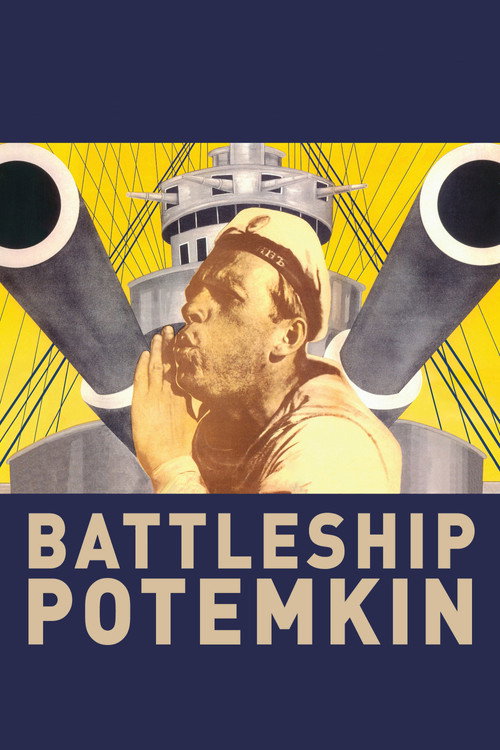
Battleship Potemkin1925
Eisenstein's revolutionary masterpiece uses montage to show systems of oppression breaking down. Like L'assommoir, it's about ordinary people crushed by circumstance, but here they fight back—and the cinema itself becomes the weapon.
But Politically didactic. If Soviet agitprop feels heavy-handed to you, the message can overwhelm the story. Montage-heavy editing took decades to become visually comfortable.
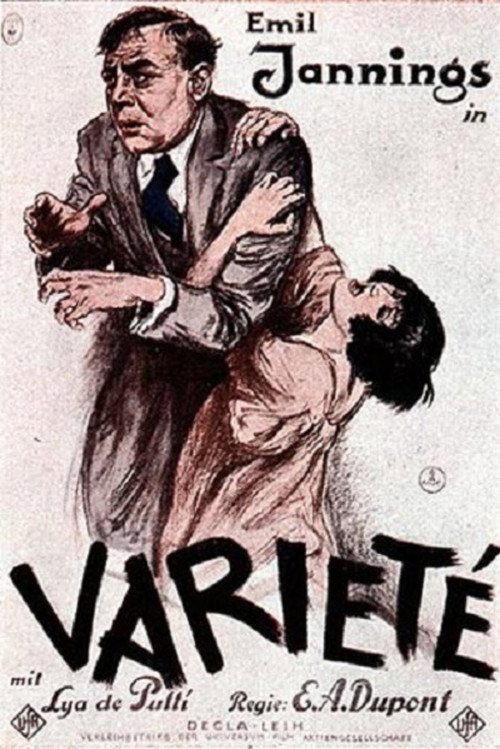
Variety1925
E.A. Dupont's circus drama also examines obsession and class through a working-class milieu. Stylistically innovative like L'assommoir, with documentary-like attention to everyday texture and the machinery that grinds people up.
But Less emotionally devastating than bleak. The melodrama can feel overwrought if you're expecting Zola's restraint.
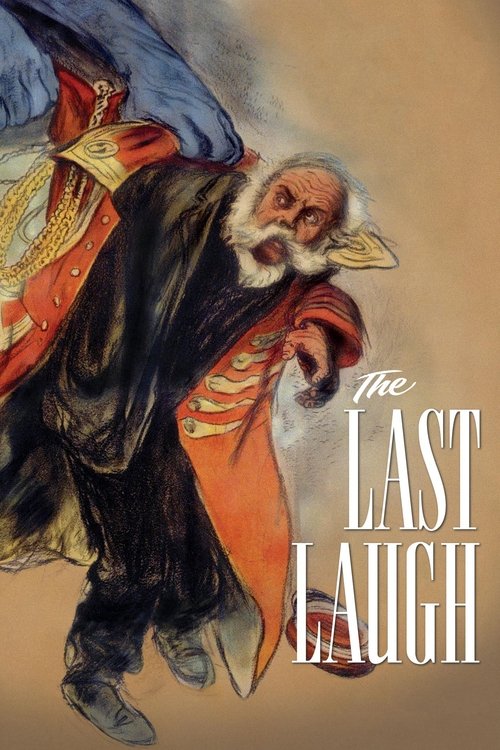
The Last Laugh1924
Murnau again—a doorman's humiliation and descent told purely through image and performance. Silent cinema's supreme achievement in making us feel class anxiety and shame. Brutal about how quickly dignity evaporates.
But Only one character's perspective matters; others are largely invisible. Can feel narrow if you want social breadth rather than psychological depth.
The Phantom Carriage1921
Sjöström's Swedish film about redemption and reckoning, haunted by poverty and drink like L'assommoir. Supernatural where the original is naturalistic, but equally interested in how lives fragment and haunt those left behind.
But The supernatural elements might feel like escape rather than consequence. Some viewers find the sentimentality undercuts the social critique.

La Haine1995
Same moral investigation of how geography and class architecture destiny. Same refusal to pity or patronise. Same insistence that the trapped are not noble—they're just trying to survive systems that don't care. But La Haine adds rage where L'assommoir offers only exhaustion.
Mathieu Kassovitz's black-and-white portrait of Paris banlieue—a day in the life of three young men in housing projects. It's L'assommoir's great-great-grandchild: the same city, the same systems, the same question—how does circumstance trap you? But filmed in a fury and with a modern visual language that makes the despair feel urgent and contemporary.
But Explicitly political, sometimes to the point of preachiness. The violence is shocking rather than cathartic. Stylistically mannered in ways that can feel dated to younger viewers, or self-consciously cool rather than essential.

People
Cast
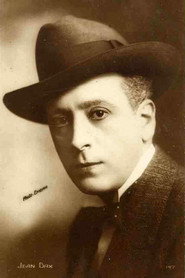 Jean DaxCoupeau
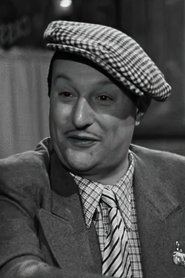 Georges LannesLantier
- Louise StorzaGervaise
- Blanche AltemVirginie
 Odette JosyllaNana
- MansuelleMes Bottes
- ManginBazouge (as Petit-Mangin)
 Céline JamesMaman Fine
 Madame PâqueretteMadame Boche
Directing
- Charles MaudruDirector
- Maurice de MarsanDirector
Writing
- Émile ZolaNovel
- Maurice de MarsanWriter