
Film
Earth
Other titles called Earth: the 1998 film, the 2007 film.
- Drama
- Very dark
Dovzhenko's 1930 masterpiece captures a village transformed by Soviet collectivization through images of startling beauty and violence. Shot with poetic intensity, it moves between the sensual and the brutal, using the land itself as both character and casualty. A film about progress's cost, shot as if by someone who loves what's being destroyed.
Should you watch it?
Watch it if you care more for images that carry meaning than for plot, and want a film that treats a village, an orchard and a harvest as if they were characters in a hymn.
Skip it if you need brisk dialogue and clear plotting to stay with it, since its lyrical, repetitive rhythm can feel slow or opaque when you expect a conventional political narrative.
What it asks of you: Roughly seventy-nine minutes, it moves at the pace of seasons rather than scenes, asking you to slow down and let long, still images accumulate before their weight lands.
Not sure? Find tonight's pick in a minute.
If you liked this
Battleship Potemkin1925
Eisenstein's revolutionary manifesto uses montage to create meaning from images. If you're drawn to Soviet cinema's formal ambition, this is where the language was invented. Radical in form and politics.
But Ninety years old and deliberately didactic. The acting is stylized, the message unsubtle. Watching it can feel like homework—important homework, but homework.

Stalker1979
Tarkovsky's meditation on desire and faith unfolds with hypnotic slowness, using landscape as philosophy. If Dovzhenko's poetry moves you, this extends that impulse into pure metaphysics. Gorgeous and patient.
But Nearly three hours of walking through industrial spaces. Plot barely exists. Requires genuine surrender; it won't meet you halfway.

Come and See1985
Klimov's unflinching portrait of WWII's impact on a Belarusian village has the same spiritual weight as Earth, but turned inside-out into horror. Formally inventive and morally shattering. Essential.
But Deeply, relentlessly dark. Not a film you enjoy—you survive it. The child protagonist's journey is harrowing in ways that linger.

Not sure tonight? Get a pick in a minute, starting from Earth
The wildcard
Something you would not have found on your own.
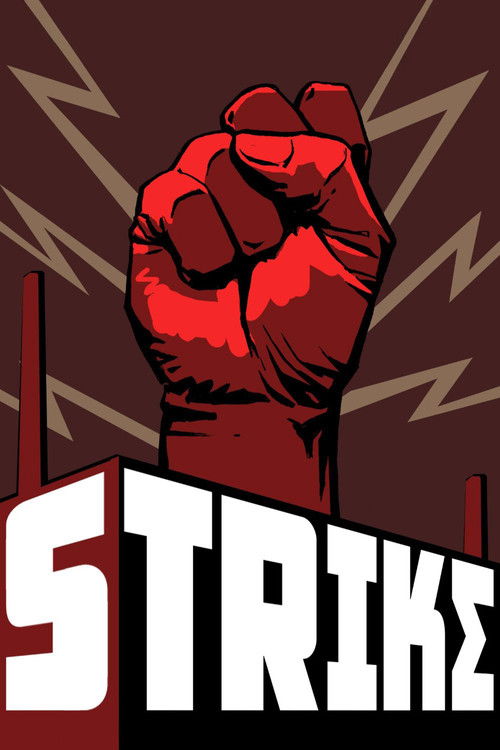
Strike1925
Both use revolutionary violence as central not peripheral; both locate tragedy in history's collision with individual lives; both see montage as the only honest aesthetic response.
Eisenstein's first film stages a factory strike as montage-driven tragedy. Both Strike and Earth use violence as cinema's subject and formal opportunity—montage as witness, not explanation. Technically it's a generation older but spiritually aligned.
But Fragmentary and abstract. Character psychology is secondary to visual rhetoric. It can feel more like a film manifesto than a story.
More like this (8)
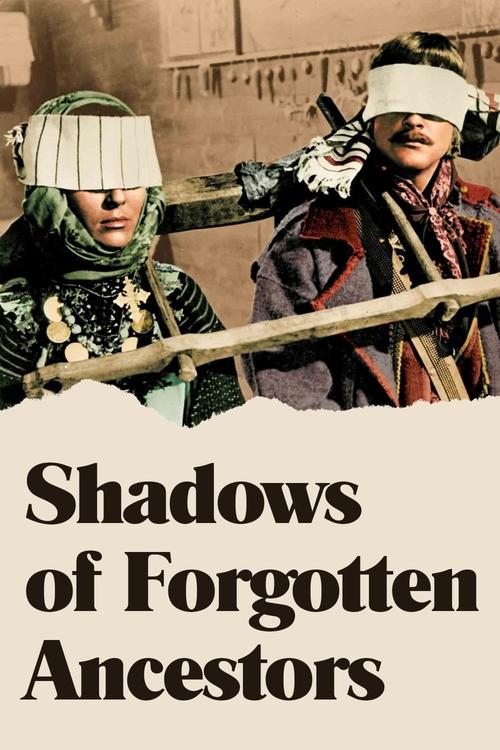
Shadows of Forgotten Ancestors1965
Parajanov's Ukrainian epic uses folk tradition and visual intoxication to tell a tragic love story. It's Dovzhenko's spiritual heir: cinema as visual poetry, landscape as destiny, culture as resistance.
But Wildly baroque and narratively slippery. If you want plot clarity, you'll be frustrated. The visual maximalism exhausts some viewers.
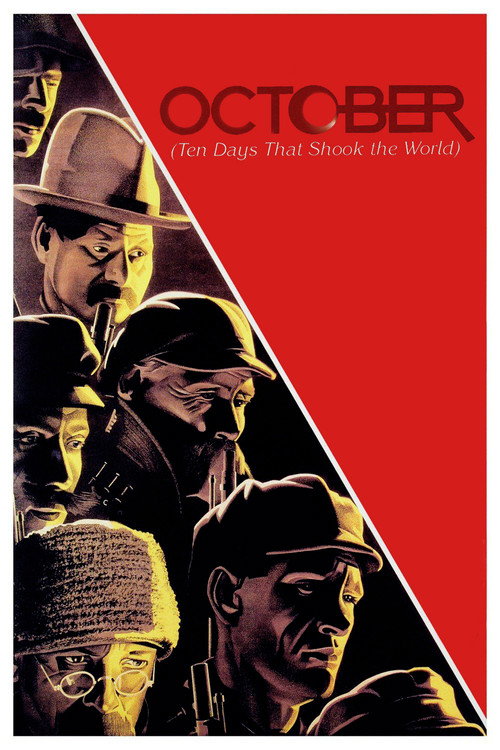
October (Ten Days that Shook the World)1928
Eisenstein's radical experiment uses montage, symbolism, and architecture to dramatize revolution itself. Formally dazzling and intellectually fierce. A peer to Earth in Soviet cinema's golden age.
But Densely symbolic and aggressively avant-garde. The political rhetoric feels dated. Three hours of constant formal experimentation can numb rather than move.
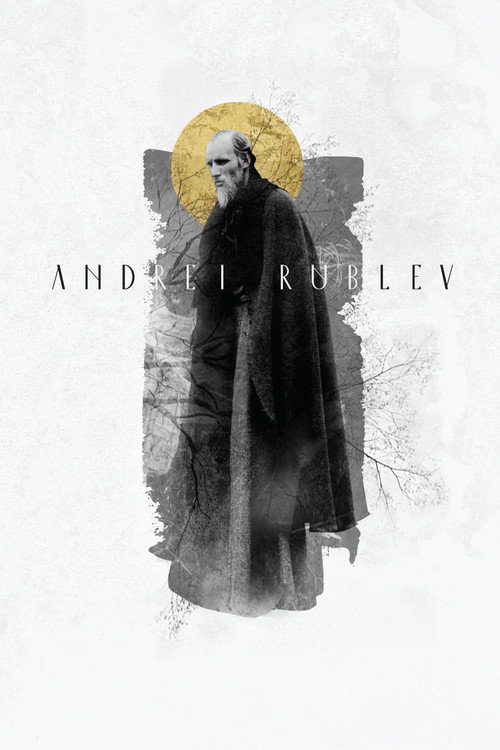
Andrei Rublev1966
Tarkovsky's vision of a medieval icon painter grapples with creation amid violence and doubt. It shares Earth's concern with how beauty survives destruction, but through art rather than land.
But Long, meditative, and structurally unconventional. The final sequence diverts into pure visual poetry—transcendent to some, indulgent to others.
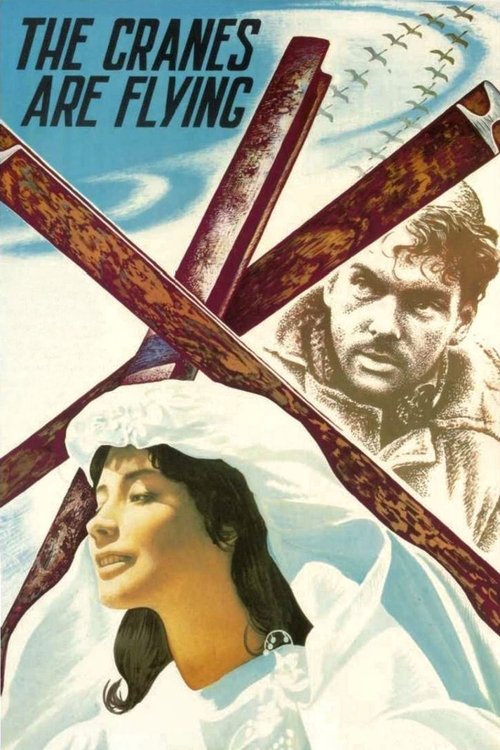
The Cranes Are Flying1957
A heartbreaking WWII love story that captures how historical trauma ruptures individual lives. It has Earth's blend of intimate emotion and vast historical forces, but with more conventional narrative pull.
But Emotionally manipulative in places. The ending is deliberately designed to devastate, which some find more theatrical than earned.
The Ascent1977
Shepitko's brief, intense film follows two Soviet partisans during WWII with spiritual and visual power. Like Earth, it uses landscape and body as moral language. A masterpiece in miniature.
But Only 111 minutes, but it feels longer. The pacing is glacial. It's also relatively obscure—you'll need to seek it out.

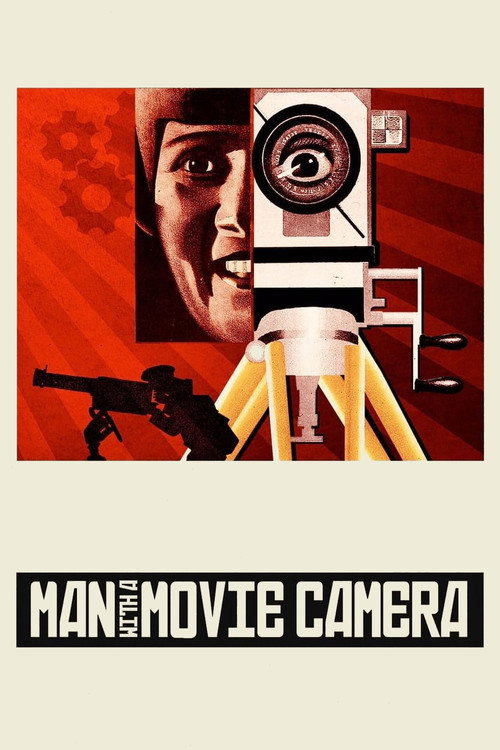
Man with a Movie Camera1929
Vertov's experimental documentary captures Soviet life through dizzying montage and technical innovation. If you respond to cinema as pure form, this is ecstatic. A vision of modernity as spectacle.
But No narrative, no conventional story. It's an avant-garde exercise that some find more clever than moving. Requires active engagement.
The Seventh Seal1957
Both films use a historical catastrophe as backdrop for metaphysical reckoning; both feature death as character rather than plot device; both move between the domestic and the mythic.
Bergman's knight playing chess with Death during plague is Earth's opposite in mood but twin in obsession: how do we live when annihilation is real? Philosophical, visually austere, existentially urgent.
But Deliberately stagey. The dialogue is explicit and the themes are signposted. Some find it pretentious; others find it profound. There's little middle ground.

Synecdoche, New York2008
Both films collapse personal and historical scales; both use artistic vision as a response to mortality; both treat landscape or construction as the protagonist's true subject, with human characters as secondary.
Kaufman's sprawling, fractured film about art and mortality uses landscape (a warehouse, a city built within a city) as the site of an artist's existential crisis. Like Earth, it treats space as a character that absorbs human meaning.
But Deliberately obscure and self-referential. Plotless in ways that frustrate. Repetitive in structure. It's a puzzle you solve privately, never publicly—some viewers find that exhausting rather than rewarding.

People
Cast
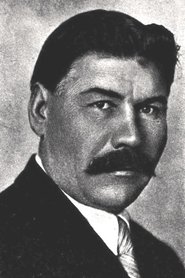 Stepan ShkuratOpanas
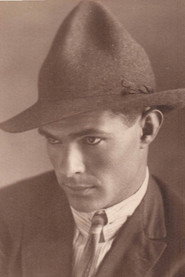 Semyon SvashenkoVasyl
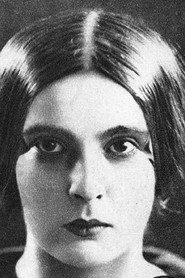 Yuliya SolntsevaOpanas's Daughter
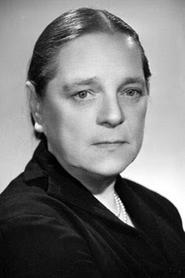 Elena MaksimovaNatalia, Vasyl's bride
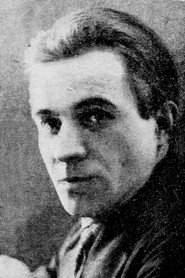 Mykola NademskyiGrandfather Semyon
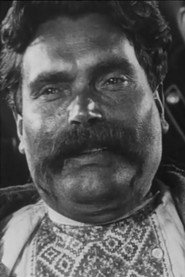 Ivan FrankoKulak Bilokin
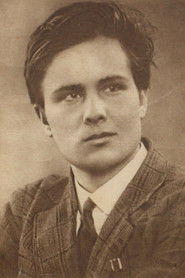 Petro MasokhaKhoma Bilokin
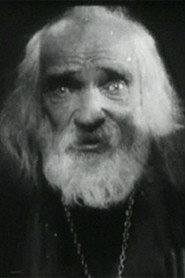 Vladimir MikhaylovPriest
- Pavlo PetrykCommunist Party Cell Leader
- Pavel UmanetsVillage Council Chairman
- Ye. BondinaPeasant Girl
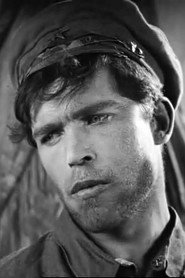 Luka LiashenkoYoung Kulak
Directing
- Lazar BodikAssistant Director
- Yuliya SolntsevaAssistant Director
- Alexander DovzhenkoDirector
Writing
- Alexander DovzhenkoWriter
Recommended by
Mother, The End of St. Petersburg, Storm Over Asia, The Mother, The General Line, Road to Life, L'assommoir